
What Are CNC Machining Parts? A Buyer’s Complete Guide
By Sandra Gao, Founder of Worthy Hardware
Have you ever waited weeks for custom parts, only to receive a shipment where the dimensions are wrong and the quality is poor? It costs more than just money; it can derail a project and cause you to miss a critical market window. My name is Sandra Gao, and as the founder of Worthy Hardware, I’ve spoken with countless buyers, like Mark from Canada, who are tired of this exact problem.
This guide is my answer. It’s based on my direct experience in helping clients transform their digital blueprints into flawless physical parts. We will go beyond the simple definition of CNC machining. I will show you how a true manufacturing partner operates, how we ensure precision, and how you can make a smart, confident buying decision for every project, from a single prototype to a high-volume production run.
Why Does CNC Supplier Selection in China Matter So Much?
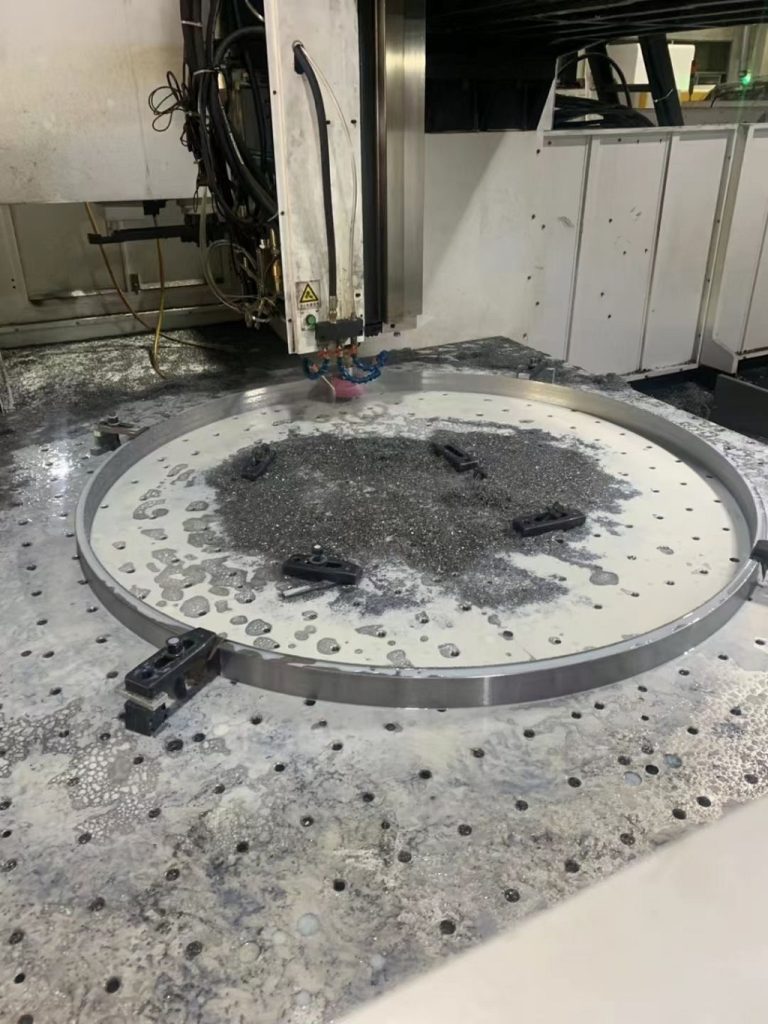
At its core, CNC (Computer Numerical Control) is an automated manufacturing process. But at Worthy Hardware, it's a partnership that begins the moment we receive your digital design.
Here is how we ensure your design becomes a perfect part:
1. Expert Engineering Review, Not Just Conversion: Before a single chip is cut, your CAD file is reviewed by one of our four experienced engineers. They don't just translate it into G-code (the machine's language). They perform a critical Design for Manufacturability (DFM) analysis to identify potential issues and often suggest optimizations that can save you money without compromising function.
2. Precision Programming and Machining: Once the design is perfected, the G-code precisely dictates the machine's every move—its path, speed, and depth of cut. The machine then executes these commands flawlessly, using tools to carve away material from a solid workpiece, be it a block of Aluminum 6061 or a rod of durable Delrin plastic, until only your final part remains.
3. Guaranteed Consistency: Because this process is computer-driven and overseen by experts, it is incredibly precise and repeatable. This is why industries with zero margin for error—like Aerospace, Medical, and Automotive—rely on this technology. Whether we are making one prototype for you or 10,000 production parts, we ensure each one is virtually identical, delivering the consistency your business depends on.
How We Guarantee Quality: Our 6-Step Production Process
I understand that for procurement officers like Mark in Canada, trust is built on transparency. You need to know that your parts will be made correctly and delivered on time, every time. That's why I want to walk you through the exact process every part undergoes at Worthy Hardware—a process designed for quality from start to finish.
Step 1: Engineer-Led Design Optimization
It starts with your CAD file, but it doesn't go straight to the machine. First, our engineers conduct a thorough Design for Manufacturability (DFM) review. We don't just look for problems; we proactively seek opportunities to improve your design for better performance and lower cost. This collaborative first step is a key part of our service and often saves our clients significant money on their project.
Step 2: Strategic Programming
This is where expertise translates into precision. Our programmers don't just convert a file; they strategize. They select the optimal tools, toolpaths, and machine parameters to achieve your specified tolerances and surface finish in the most efficient way possible. This planning is critical for flawless execution.
Step 3: Meticulous Machine Setup
An expert operator prepares the CNC machine, securing the raw material—whether it's a block of aerospace-grade Aluminum 7075 or a rod of Stainless Steel 304—with absolute precision. The correct cutting tools are loaded, and all calibrations are double-checked before the process begins.
Step 4: Automated Precision Machining
With the program running, the machine executes the plan with computer-controlled perfection. Whether it's a milling machine creating complex pockets and contours or a lathe turning a perfectly cylindrical shaft, the material is shaped layer by layer until your design is revealed.
Step 5: Professional Finishing and Deburring
After machining, every part is professionally deburred by default to ensure sharp edges are removed and parts are safe to handle. If your project requires a specific surface finish—from anodizing and powder coating to bead blasting or polishing—it is expertly applied at this stage.
Step 6: Our 100% Full Inspection Guarantee
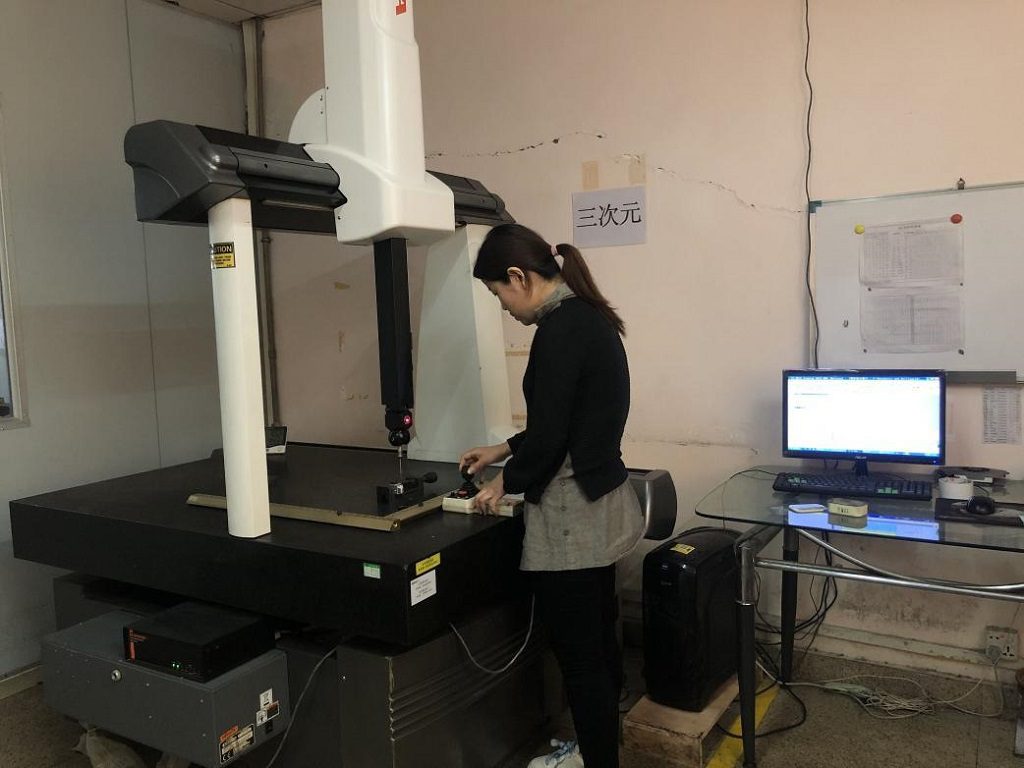
This is our most important commitment to you. At Worthy Hardware, we do not spot-check. We do not sample. Every single part that leaves our facility undergoes a 100% full inspection. Using calibrated instruments like CMMs, micrometers, and calipers, we verify every dimension against your drawing. Only after a part passes this rigorous final check is it approved, carefully packed, and shipped. We can even provide a full inspection report with your order for your complete peace of mind.
"Worthy Hardware's 100% inspection policy is a game-changer. We no longer worry about discovering quality issues after receiving a large shipment."
— Director of Procurement, North American Robotics Firm
What Parts Can CNC Milling Produce?
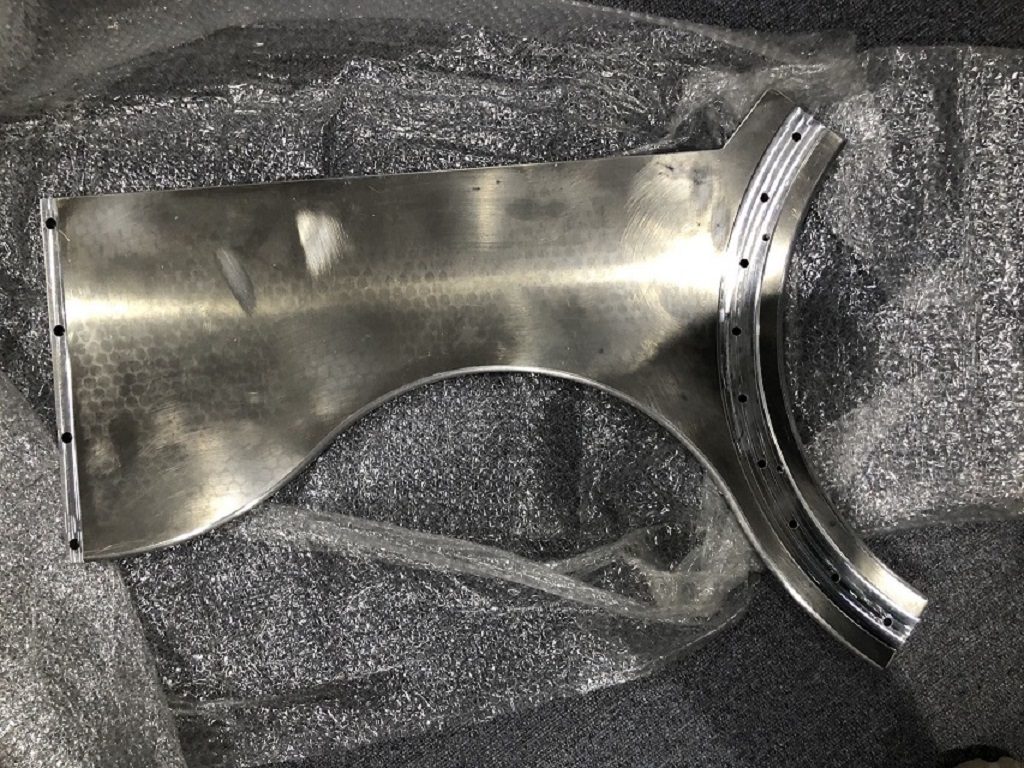
I often explain CNC milling to clients as a process of high-precision digital sculpting. The workpiece is held securely while a computer-controlled cutting tool moves along multiple axes (X, Y, and Z) to precisely carve out features like pockets, slots, and complex 3D surfaces.
For highly complex parts, such as those used in aerospace and medical devices, our 5-axis CNC machining capability is a game-changer. By allowing us to machine a part from five different sides in a single setup, we dramatically reduce handling. For a customer like Mark, this means two critical benefits: higher accuracy by eliminating re-clamping errors, and greater cost-efficiency.
At Worthy Hardware, our investment in advanced milling centers gives us a massive operational range. We can produce everything from small, intricate components to large-scale parts and frames up to 80” x 48” x 24” (2,032 x 1,219 x 610 mm).
Examples of Parts Showcasing Our Milling Expertise:
Housings and Enclosures: We deliver perfectly-fitting enclosures with precise openings and mounting points for the electronics and consumer product industries.
Brackets and Mounts: We machine high-strength, load-bearing brackets for critical automotive and aerospace applications where failure is not an option.
Aluminum Heat Sinks: We excel at creating parts with complex, thin fins and high surface area, engineered for maximum thermal dissipation.
Fluid and Gas Manifolds: We produce leak-proof manifolds with intricate internal channels, ensuring reliable performance in the energy and industrial sectors.
Medical Components: Using biocompatible materials like Titanium and PEEK, we machine complex components to the exacting surface finish and tolerance standards required for medical use.
What Parts Can CNC Turning Produce?
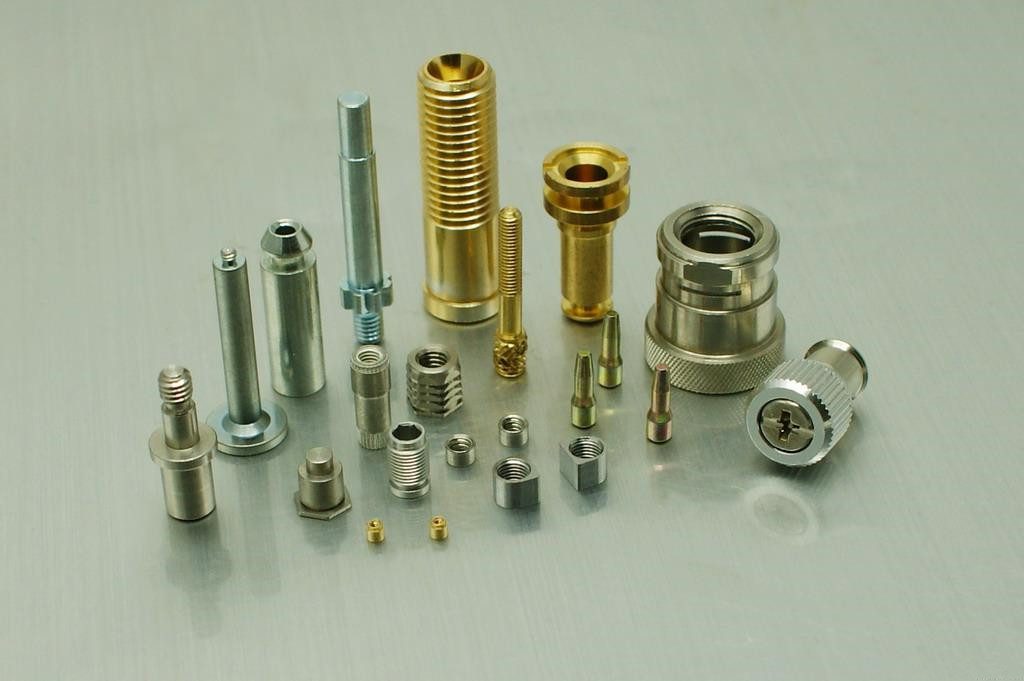
When a customer's design features a cylindrical profile, CNC turning is almost always the most efficient and cost-effective manufacturing process. In this method, a rod of material is rotated at high speed while a precision cutting tool shapes it.
At Worthy Hardware, our advanced CNC lathes have a substantial capacity, able to produce parts up to 62” (1,575 mm) in length and 32” (813 mm) in diameter.
More importantly, many of our lathes are equipped with Live Tooling, turning them into powerful hybrid machines. This allows us to perform milling operations—like drilling off-center holes, cutting slots, or creating flat faces—all in the same single setup. For a procurement officer like Mark, the benefits are clear: it reduces production time, lowers cost, and most critically, improves accuracy by eliminating the potential for errors that can occur when moving a part to a second machine.
Examples of Parts Showcasing Our Turning Expertise:
- Shafts, Axles, and Spindles: We manufacture shafts with the tight concentricity and specific surface finishes required for high-speed rotational applications in robotics and machinery.
- Custom Threaded Fasteners: We go beyond standard bolts, machining custom screws and nuts with unique threads, materials, and head features to your exact specifications.
- Precision Pins and Dowels: We produce precision-ground pins and dowels that guarantee perfect alignment and fitment in complex mechanical assemblies.
- Bushings and Spacers: We hold extremely tight tolerances on inner and outer diameters, ensuring a perfect press-fit or slip-fit for your bearing or spacing application.
- Nozzles and Valve Components: We machine parts with complex internal geometries and smooth flow paths, critical for managing precise fluid or gas flow in high-performance systems.
Which Materials Are Best for CNC Machining Parts?
One of the most common questions I get from clients like Mark is, "What is the best material for my part?" The answer always depends on a balance of four things: the part's function, its operating environment, its target cost, and its manufacturability. With over 100 metals, plastics, and composites available, our role is to guide you to the perfect choice for your project.
Our Material Authenticity Guarantee: We understand that material quality is non-negotiable. That's why we source our materials from reputable mills and can provide full material certifications with your shipment, giving you complete confidence and traceability for every part you order.
Our Most Commonly Machined Materials:
Metals
- Aluminum (6061, 7075): The industry workhorse. We advise 6061 for most applications due to its excellent strength-to-weight ratio and cost-effectiveness. For high-stress applications, like in aerospace, we recommend the superior strength of 7075.
- Stainless Steel (304, 316): When you need strength plus corrosion resistance. 304 is a cost-effective choice for durable equipment. We specify 316 for medical devices or marine applications due to its superior resistance to chlorides and chemicals.
- Steel (e.g., Carbon Steel 1018, Alloy Steel 4140): For unparalleled strength and toughness. We often use cost-effective carbon steel for fixtures and structural components, and high-tensile alloy steel for shafts, gears, and high-load applications.
- Brass: Ideal for applications requiring low friction and good electrical conductivity. Its non-sparking quality makes it a safe choice for fittings in potentially explosive environments.
- Titanium: A premium, lightweight material with the strength of steel and outstanding corrosion resistance. We machine it for high-performance aerospace, defense, and medical implant applications.
Plastics
- Delrin (Acetal): A top choice for mechanical parts like gears and bushings. Its key benefits are high stiffness, dimensional stability, and natural self-lubricating properties.
- Nylon: Chosen for its exceptional toughness and wear resistance, making it perfect for rollers, pads, and high-friction components.
- ABS: A versatile and impact-resistant plastic that provides a great balance of properties for prototyping, enclosures, and general consumer products.
- PEEK: A high-performance, metal-replacement plastic. We recommend it for parts exposed to extreme temperatures, harsh chemicals, or high-stress conditions found in the medical, aerospace, and energy sectors.
How to Choose the Right Material for Your CNC Parts?
Choosing a material can feel overwhelming. I often have conversations with customers like Mark, who need a part that meets quality standards but also fits within a budget. We usually work through a few key questions to find the perfect match.
Here's the thought process I guide my clients through:
- What is the part’s job? Think about the mechanical needs. Does it need to be incredibly strong? Does it need to be flexible? Does it need to be lightweight? A part for an airplane has very different strength requirements than a housing for a TV remote.
- What environment will it be in? Will the part be exposed to high temperatures, moisture, or chemicals? A part used outdoors in Singapore needs much better corrosion resistance than one used in a dry office. This is where materials like stainless steel or plastics like PEEK become important.
- What level of precision do you need? Some materials, like Delrin or aluminum, are very dimensionally stable and hold tight tolerances well. Other materials might be more prone to warping during machining. We can hold tight tolerances like +/- 0.001 inches, but the material choice can make this easier or harder to achieve.
- What is your budget? Cost is always a factor. Aluminum 6061 is often a great starting point because it offers a good balance of properties and is affordable to machine. High-performance materials like Titanium or PEEK will cost significantly more. Sometimes, a slightly more expensive material can save you money if it machines faster.
- Do you have any specific requirements? Does the part need to be a certain color? Does it need to be transparent? Does it need to be safe for contact with food or skin? These questions can quickly narrow down your options.
My advice is always this: don't guess. Talk to your manufacturer. As an experienced supplier, we've made thousands of parts for different industries. We can help you weigh these factors and suggest the most effective material for your design and budget. It’s a key part of our service.
What Tolerances Can CNC Machining Parts Achieve?
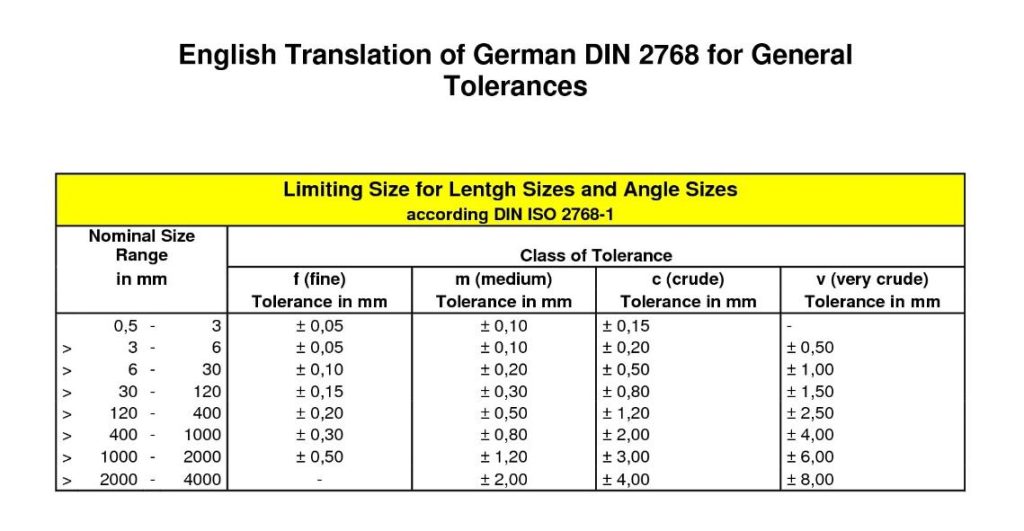
In manufacturing, "tolerance" refers to the acceptable range of dimensional variation for a part. This is one of the most critical specifications on any engineering drawing, as it directly impacts how parts fit, perform, and ultimately, how much they cost.
Our Standard Tolerances
For a wide range of applications, a standard tolerance provides excellent performance and cost-effectiveness. Our default workshop tolerances are:
- Metals: +/- 0.005" (+/- 0.127 mm), in accordance with the ISO 2768-m standard.
- Plastics & Composites: +/- 0.010"
This level of precision is ideal for most general-purpose components, fixtures, and enclosures.
Our Precision Machining Capabilities
For our clients in demanding industries like aerospace, medical, and robotics, we offer high-precision machining. We routinely manufacture components with critical features held to tolerances below +/- 0.001".
Achieving this level of accuracy is not accidental. It is the result of a dedicated process that combines:
- Advanced, Calibrated Machinery: Our CNC centers are meticulously maintained for accuracy.
- Skilled Engineering: Our engineers and machinists are experts in developing machining strategies for high-precision parts.
- Rigorous Quality Control: We verify these tight tolerances using state-of-the-art Coordinate Measuring Machines (CMMs) and other calibrated inspection tools in a controlled environment.
Our Expert Advice: Strategic Tolerancing to Manage Cost
This is a conversation I have with every customer, including Mark: tighter tolerances increase cost. They require more programming time, slower machining speeds, special tooling, and more intensive inspection.
As your manufacturing partner, my advice is to apply tight tolerances only to the features that absolutely require them for fit or function (e.g., bearing bores, mating surfaces). For non-critical dimensions, accepting our standard tolerance is the single most effective way to reduce the cost of your parts without sacrificing quality. This Design for Manufacturability (DFM) feedback is a core part of our service, designed to give you the best possible part at the best possible price.
How Much Do Custom CNC Machining Parts Cost?
This is often the first question a new customer asks, and it's a very important one. The honest answer is: it depends. There is no fixed price list for custom parts because every single design is unique.
However, I can explain the main factors that determine the final cost. Understanding these helps you design parts that are more affordable to produce.
- Machining Time: This is the biggest cost driver. The longer your part takes to machine, the more it will cost. Complex designs with lots of tiny features or deep pockets simply take more time for the cutting tool to complete.
- Material Cost: The raw material itself has a price. Common materials like Aluminum 6061 are very cost-effective. High-performance materials like Titanium or PEEK can be many times more expensive. The material's "machinability" also matters. Harder materials wear out tools faster and require slower cutting speeds, which also adds to the machining time.
- Part Complexity and Setups: A simple block is easy to make. A complex part that needs to be flipped over and repositioned multiple times requires more operator labor and machine setups. Our 5-axis machines can reduce setups, but the programming and machine time are more complex.
- Tolerances and Finishes: As we just discussed, very tight tolerances require more care and time, increasing the price. Likewise, the standard "as-machined" finish is the most affordable. If you need secondary processes like anodizing, powder coating, or polishing, these will be added to the total cost.
- Order Quantity: The number of parts you order has a huge impact on the per-part price. A single prototype is always the most expensive because it has to absorb 100% of the setup costs (programming and machine preparation). When you order 1,000 parts, that same setup cost is spread across all of them, making each part much cheaper. We handle everything from single prototypes to mass production runs.
The best way to know the exact cost is to send us your design file for a free quote. My team of engineers can also review your design and often suggest small changes that can lead to big cost savings without affecting your part's function.
What Industries Use CNC Machining Parts Most?
It’s amazing to see the variety of projects that come through our shop. CNC machining is so versatile that its parts are used in almost every industry you can think of. If a product has metal or plastic components that were made with high precision, there's a very good chance CNC machining was involved.
Based on the parts we make every day at Worthy Hardware, here are some of the biggest industries that rely on CNC machining:
- Aerospace and Defense: This industry demands the highest level of precision and reliability. Parts must be perfect. We make components from advanced materials like titanium and high-strength aluminum alloys. These parts have complex shapes and extremely tight tolerances, which is exactly what CNC machining is for. Think of aircraft brackets, engine components, and parts for guidance systems.
- Medical and Dental: Similar to aerospace, the medical field has no room for error. We machine parts for surgical instruments, diagnostic equipment, and even custom implants like bone screws. These often require biocompatible materials like medical-grade stainless steel, titanium, and PEEK plastic. The smooth surface finishes and high precision of CNC are essential for safety and performance.
- Automotive: While mass-produced car parts are often cast or stamped, CNC machining is crucial for everything else. We create prototypes for new engine designs, custom parts for high-performance racing teams, and the jigs and fixtures used on the assembly lines.
- Electronics and Semiconductors: Look at your smartphone or laptop. The metal body was almost certainly made using CNC machining. We produce a lot of aluminum enclosures, housings, and heat sinks for consumer electronics. The process is perfect for creating sleek, durable, and precise parts that also help dissipate heat.
- Industrial and Robotics: This is a huge area for us. Factories and automated systems rely on strong, durable, and reliable custom parts. We make everything from gears and shafts to custom brackets, robotic arm components, and replacement parts for heavy machinery.
How to Ensure Quality Control for CNC Machined Parts?
This is one of the most important questions a buyer can ask. I know that for my customers, like Mark in Canada, receiving a shipment of bad parts after weeks of waiting is a huge problem. It costs time and money and can ruin their relationship with their own customers. That's why at Worthy Hardware, quality control isn't just a final step; it's a process that starts before we even cut the first piece of metal.
Here is how we ensure every part we ship meets your standards:
- Reviewing the Design: Before we start, our engineers carefully review your 3D models and drawings. We look for any potential issues that could make the part difficult to machine correctly. If we see a way to improve the design for better quality or to save you money, we will discuss it with you. This proactive step prevents many problems from happening in the first place.
- Checking the Raw Material: A great part cannot be made from bad material. We verify that the incoming metal or plastic is the exact grade and specification you ordered. We have trusted material suppliers, but we still check.
- First Article Inspection (FAI): Once the machine is set up, we produce one single part. We then stop and take it to our inspection lab. We use precise measuring tools like calipers, micrometers, and our Coordinate Measuring Machine (CMM) to check every single dimension against your drawing. Only when that first part is 100% perfect do we begin the full production run.
- In-Process Inspection: During the production run, our machine operators don't just stand and watch. They regularly pull parts from the line and perform checks on critical dimensions. This helps us catch any small changes, like tool wear, before it becomes a problem.
- 100% Final Inspection: This is our commitment to you. Before any parts are packaged for shipping, they go through a final quality check. We don't just sample a few parts from the batch; we inspect every single part to ensure it meets all specifications. We can provide you with a full inspection report that shows the measured dimensions of your parts, giving you complete peace of mind.
A good supplier doesn't just make parts; they take responsibility for quality from start to finish. This careful process is how we make sure that when you open a box from Worthy Hardware, the parts inside are exactly what you ordered.
What Surface Finishes Are Available for CNC Parts?
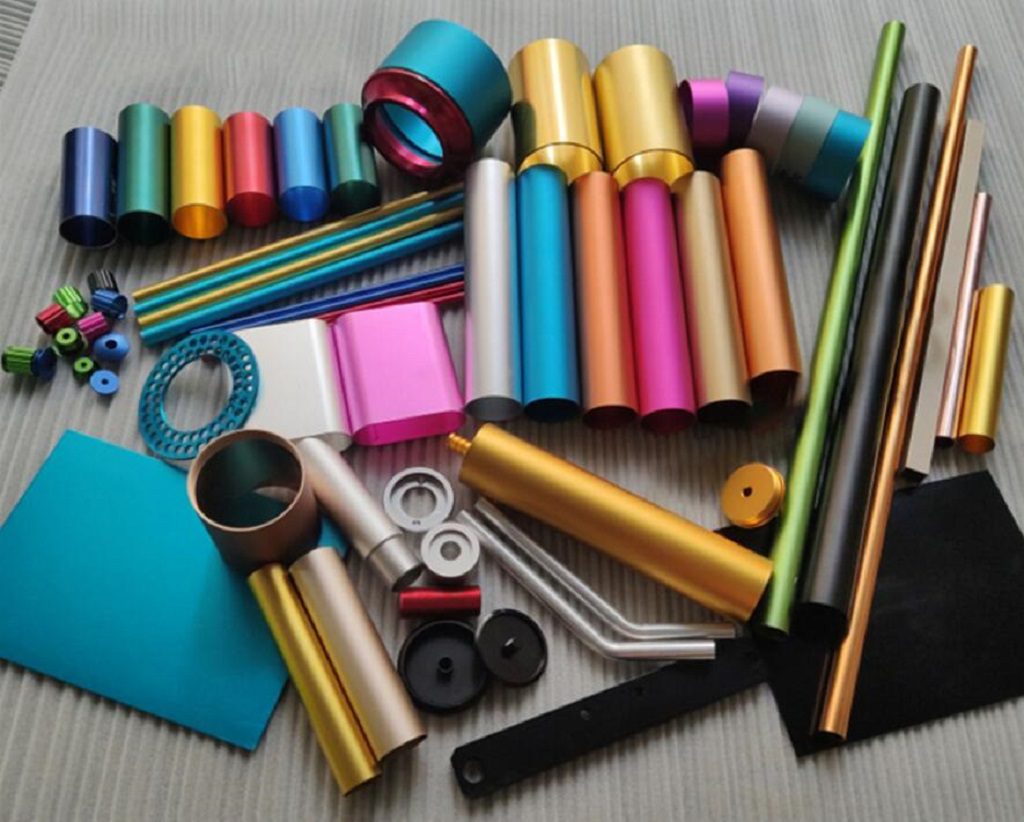
When we machine a part, the process leaves small tool marks. The result is called an "as-machined" finish. At Worthy Hardware, our standard as-machined finish is very good, with a surface roughness of 125 Ra or better. For many industrial parts, this is all you need.
But often, a part needs something more. A surface finish is a secondary process we do after machining to change the surface of the part. This can be for a few key reasons: to improve its appearance, to increase its resistance to corrosion or wear, or to change its surface texture.
With over 50 different finishing options available, we can meet almost any requirement. Here are some of the most popular choices our customers ask for:
- Anodizing (for Aluminum): This is a process that creates a strong, corrosion-resistant ceramic layer on the surface of aluminum parts. It's very durable.
- Type II Anodizing is great for adding color. We can do black, blue, red, gold, and many other colors. It gives a beautiful cosmetic finish.
- Type III Anodizing, or "hardcoat," creates a much thicker, harder layer. It's excellent for parts that need to resist scratches and wear.
- Powder Coating: This is like applying a dry powder paint that is then baked onto the part. It creates a very tough, durable, and protective layer that is much stronger than regular paint. It's available in a huge range of colors and textures.
- Bead Blasting: If you want a uniform, non-reflective matte finish, bead blasting is a great option. We spray tiny glass beads at the part, which removes the tool marks and creates a clean, satin texture.
- Plating: This involves coating the part with a thin layer of another metal.
- Zinc plating is often used on steel parts to protect them from rust.
- Nickel plating can be used for corrosion resistance, wear resistance, or for a decorative bright finish.
- Polishing: For parts that need to be shiny, we can manually or automatically polish the surface to create a smooth, mirror-like finish. This is mostly used for cosmetic applications.
Choosing the right finish depends entirely on your part's function and what you want it to look like. We can always help you select the best and most cost-effective option for your project.
How to Find a Reliable CNC Machining Parts Supplier?
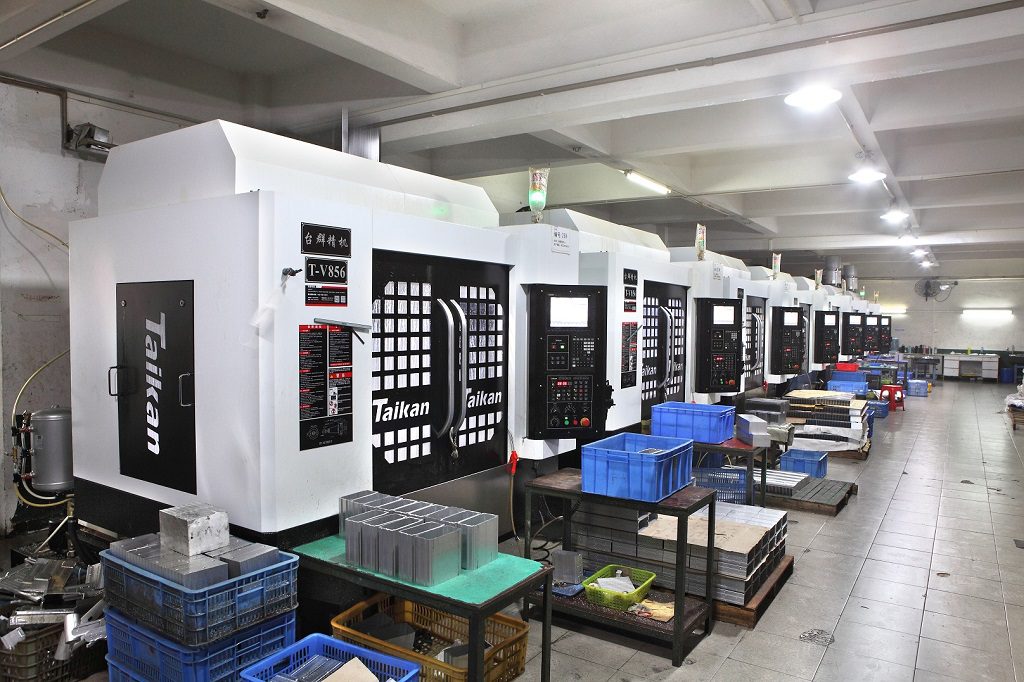
For a procurement professional like Mark, choosing a new supplier—especially overseas—is the highest-risk decision. I know this because I've heard the stories: unresponsive communication, surprise delays, and the catastrophic arrival of a defective shipment.
A great supplier isn't just a vendor; they are an extension of your team. At Worthy Hardware, we've built our entire service model around being that reliable partner. Here is the checklist we recommend you use for any supplier, which also serves as our promise to you.
1. Communication: Responsive & Technically Fluent
You need answers quickly, from someone who understands your design. Delays in communication are a red flag for future problems.
Our Standard: You will have direct access to our team of 4 experienced engineers. We guarantee clear, fluent English communication and rapid responses to your technical questions, bridging any geographical distance.
2. Quality System: Proven & Transparent
You need proof of quality, not just promises. A confident supplier is never afraid to show you their work.
Our Standard: We have a 100% inspection policy. We are proud to provide comprehensive CMM inspection reports and material certifications with your shipments to verify that every part meets your specifications.
3. Partnership: Proactive & Cost-Conscious
You need a partner who invests in your success. A simple order-taker adds no value; an expert partner saves you money.
Our Standard: We provide free Design for Manufacturability (DFM) feedback on every quote. Our engineers will proactively suggest ways to improve your design for strength, function, and most importantly, cost-effectiveness.
4. Flexibility: From Prototype to Production
Your business needs change. You need a supplier who can scale with you, without penalizing you for starting small.
Our Standard: We have a "no MOQ" (Minimum Order Quantity) policy. We are committed to helping you with your first single prototype and are fully scaled to handle your high-volume production runs. We want to earn your business for the long term.
The Final Test: Start with a Trial Order
We encourage you to test our commitment. A small, non-critical order is the best way to experience our communication, quality, and delivery firsthand. The way we handle your first order is a direct reflection of the service you will always receive.
What Is the Lead Time for Custom CNC Parts?
A missed deadline can jeopardize an entire project. We understand that predictable, reliable delivery is not a luxury—it's a necessity.
That's why we're proud to offer a standard lead time of just 3 business days for many projects.
To help you plan effectively, it's important to understand the components of your project's total timeline. Here are the key factors we consider when providing your delivery date:
Factors Influencing Your Timeline:
- Part Complexity & Programming: A simple component can be programmed and machined quickly. Highly complex geometries, especially those requiring 5-axis work, need more time for both programming and on-machine cutting.
- Material Availability: We maintain a large inventory of common materials like Aluminum, Steel, and Stainless Steel, allowing us to begin machining almost immediately. If your design specifies an exotic or less common material, the lead time will include the time required to source it from our certified suppliers.
- Order Quantity: A prototype run can be completed very quickly. For high-volume production, we will create a detailed production schedule to give you a reliable delivery forecast.
- Secondary Finishes: Our standard "as-machined" parts offer the fastest delivery. If your project requires additional processing like anodizing, powder coating, or plating, this will add to the timeline. We manage this entire process with our trusted finishing partners, and this external processing time (typically 2-5 days) will be clearly stated in your quote.
How We Help You Meet Your Deadlines
As your partner, we are proactive about timing. Always communicate your critical deadlines to us during the quoting stage. Our engineers are experts at providing Design for Manufacturability (DFM) feedback focused on speed. We can often suggest minor design modifications that significantly reduce machining time, helping you meet even the tightest schedules. Our flexibility is your advantage.
CNC Milling vs CNC Turning: Which Do You Need?
Selecting the most efficient manufacturing process is critical to balancing cost, speed, and quality. While you don't need to be an expert in manufacturing methods, understanding the basics can help you design more cost-effective parts. As your partner, we automatically determine the optimal process for your design.
CNC Milling: For Complex & Prismatic Parts
Think of CNC milling like sculpting. The workpiece is held stationary while a rotating cutting tool moves around it to remove material. This makes it the ideal process for parts with flat surfaces, complex contours, pockets, and features on multiple faces.
- Typical Parts: Enclosures, brackets, housings, jigs, and fixtures.
- Our Capability: Our advanced 5-axis CNC milling centers can machine highly complex geometries in a single setup, improving accuracy and reducing cost.
CNC Turning: For Cylindrical & Round Parts
Think of turning like a potter's wheel. A cylindrical rod of material (the workpiece) is spun at high speed while a stationary cutting tool removes material to create a round profile.
- Typical Parts: Shafts, pins, bushings, custom bolts, and rings.
- Our Capability: Our precision CNC lathes produce perfectly round parts with excellent surface finishes.
The Best of Both Worlds: Advanced Mill-Turn Centers
Many parts require both milling and turning operations (e.g., a shaft with a flat face or a cross-drilled hole). Instead of moving the part between two separate machines, we utilize mill-turn centers. These hybrid machines can perform both turning and milling in a single setup, resulting in higher accuracy, faster lead times, and lower costs for complex parts.
Our Commitment: The Right Process, Guaranteed
When you submit a design for a quote, you don't need to specify the process. Your role is to perfect the design; our role as your manufacturing partner is to determine the most efficient and cost-effective method to produce it. Our engineers analyze your part's geometry and select the right technology to deliver perfect parts at the best possible price.
What Are the Advantages of CNC Machining Over 3D Printing?
Choosing between these two technologies is one of the most common questions in modern manufacturing. Here is the simple rule we advise our clients:
- Use 3D Printing for: Early-stage, non-functional prototypes to quickly check form and fit.
- Use CNC Machining for: Functional prototypes and all production parts that demand strength, precision, and superior material properties.
While we value 3D printing for rapid visualization, CNC machining is the definitive choice when a part must perform under real-world stress. We frequently work with clients who come to us after a 3D-printed part has failed in testing.
Here are the four key advantages of CNC machining for functional applications:
1. True Material Strength & Integrity
This is the most critical difference. CNC machining creates parts from a solid block of engineering-grade material. At Worthy Hardware, we machine 100+ real metals and plastics, from Aluminum 6061 and Titanium to robust polymers like PEEK. The finished part retains the full, uncompromised strength of the material it was made from. In contrast, 3D printing builds parts layer-by-layer, which can introduce weak points between layers, making them unsuitable for high-stress applications.
2. Unmatched Precision & Tolerance
If your parts must fit together and function perfectly, CNC machining is the only reliable choice. Our process is incredibly precise, holding a standard tolerance of +/- 0.005" (+/- 0.127 mm). For critical applications, we can achieve and verify tolerances below +/- 0.001". This level of accuracy is generally unattainable with 3D printing.
3. Superior Surface Finish
CNC machined parts have a smooth, professional finish right off the machine. Our standard "as-machined" finish is 125 Ra or better. 3D printed parts inherently have visible layer lines and a rough texture, requiring significant post-processing (sanding, filling, painting) to achieve a comparable finish, which adds time and labor costs.
4. Speed and Cost-Effectiveness at Scale
While a single, complex 3D print might be faster, CNC machining is far more efficient for any quantity beyond a few pieces. Once a machine is set up, it can produce parts with perfect repeatability at high speed. This makes it the undisputed standard for everything from low-volume runs to mass production.
Ready to Turn Your Design into Reality?
The wrong supplier will cost you time and money. The right manufacturing partner will accelerate your success.
We invite you to experience the Worthy Hardware difference. Upload your CAD file (.STEP, .IGS, .X_T), and our engineering team will provide you with a free, no-obligation quote and a professional DFM analysis report within 24 hours.
Let's work together to build your exceptional designs into perfect, high-quality parts.
[Click Here to Get Your Free DFM Analysis & Quote Now]
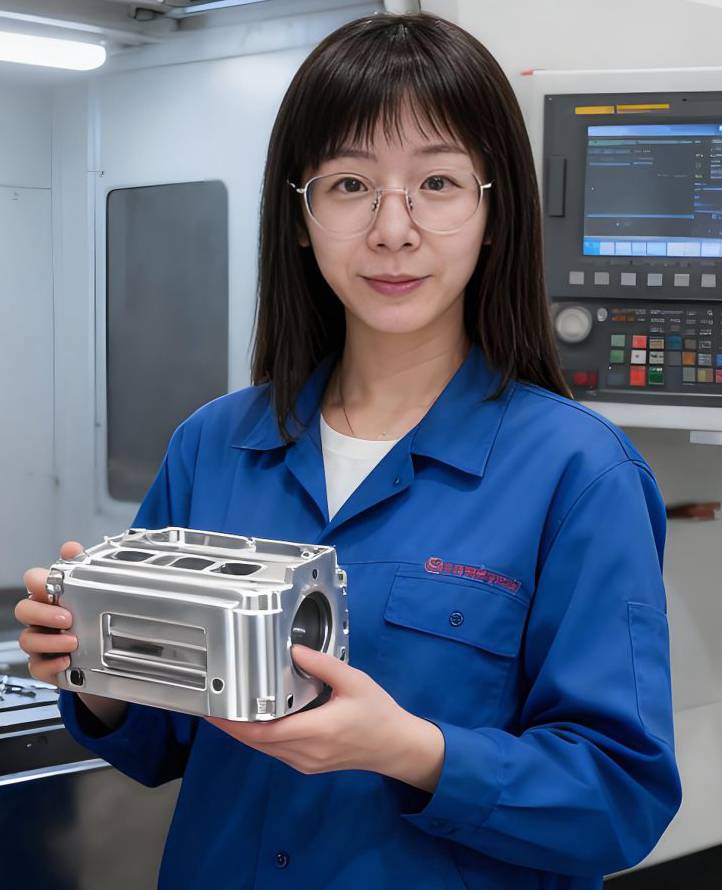
Sandra Gao
Founder, Worthy Hardware
Email: [email protected]
Website: www.worthyhardware.com
Hey, there, I”m Sandra . Sales manager of Worthy Hardware, with over 18 years of CNC Machining and Precision Stamping experience, Give us a try, will never let you down.Send us the parts for quote.