
The Essential CNC Milling Guide: Precision Manufacturing Solutions
Are you struggling to find a supplier who can consistently deliver high-precision parts? Poor quality and production delays don't just eat into your profits; they damage your market reputation.
CNC (Computer Numerical Control) milling is the automated, high-precision subtractive manufacturing process you need for perfect results every time. At Worthy Hardware, we witness digital blueprints transform into precise physical components daily. It's not just a technology; it's a craft.
My name is Sandra Gao, and I am the founder of Worthy Hardware. With over 15 years in the precision machining industry, I’ve witnessed digital blueprints transform into precise, reliable physical components through CNC (Computer Numerical Control) milling. It's more than a technology; it's a craft that demands experience, commitment, and a rigorous process to master.
Many of our clients from North America, Europe, and Japan—professional buyers like Mark Chen from Canada—face the same challenges: inefficient communication with suppliers, missed sales seasons due to shipping delays, and discovering quality issues after a long, frustrating wait.
In this guide, I will walk you through the world of CNC milling from a manufacturer's perspective and show you exactly how Worthy Hardware’s proven system ensures your project is a success, solving your biggest headaches for good.
What Is CNC Milling?
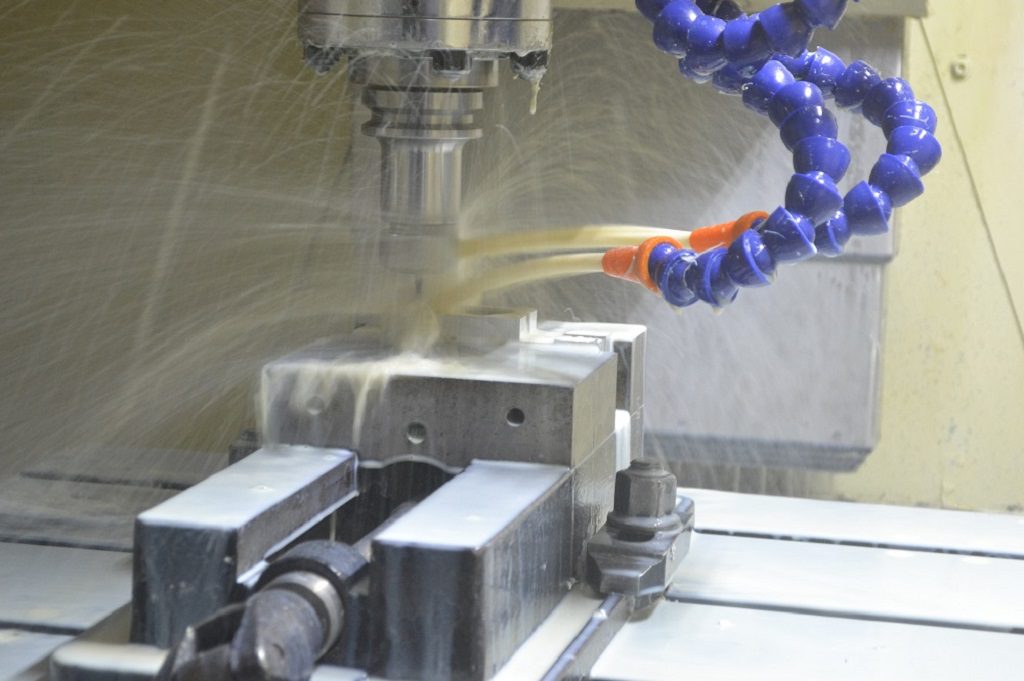
In the simplest terms, think of CNC milling as a master robotic sculptor. We start with a solid block of material—like a piece of 6061 aluminum alloy or a stainless steel bar—and a computer guides a high-speed cutting tool based on your 3D design file (CAD model). The tool precisely carves away excess material, leaving only your desired part.
Because the entire process is computer-controlled, we can achieve extremely complex geometries and fine details with tolerances as tight as +/- 0.005 inches (0.127 mm). More importantly, this automation ensures excellent repeatability—whether you need one prototype or 10,000 production parts, each one will be identical.
How Does CNC Milling Work?
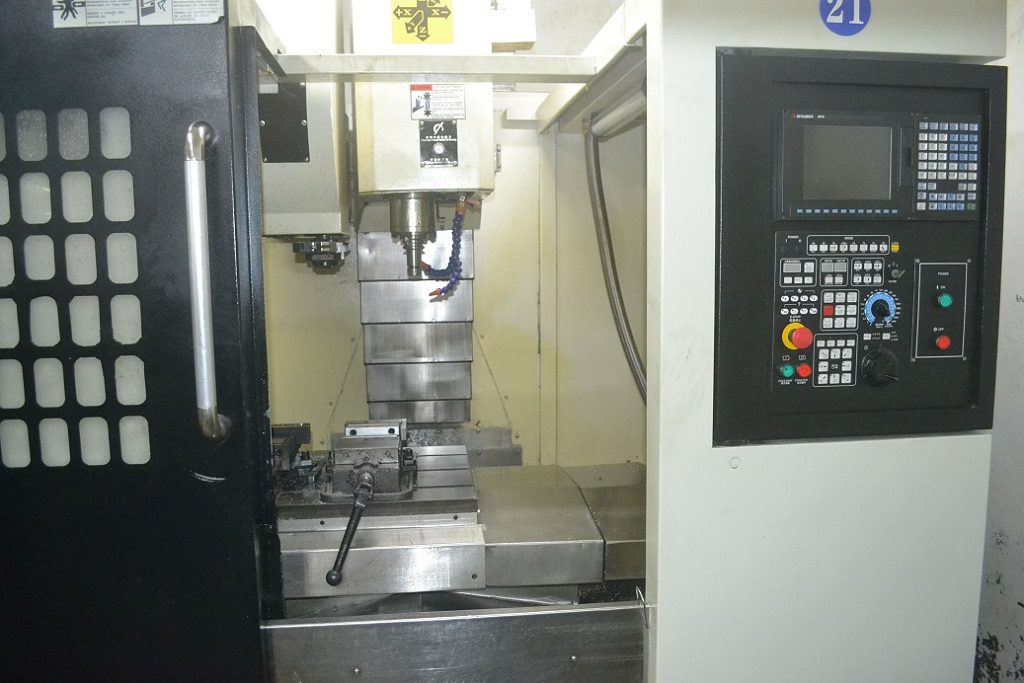
Over years of serving high-standard markets like North America, Europe, and Japan, we have refined a proven process. This system isn't just about production; it's designed to solve your biggest concerns: communication, cost, and quality.
- Step 1: Design Review & Cost Optimization (DFM Analysis)
When your CAD file arrives in my inbox at [email protected], it first goes to our team of 4 experienced engineers. They aren't just programmers; they are your cost-control partners. They perform a Design for Manufacturability (DFM) analysis to proactively find optimization opportunities.
- Real-World Experience: Recently, we analyzed a medical device enclosure for a Canadian client (much like Mark Chen). By simplifying a complex curved surface into two joined flat surfaces—without affecting aesthetics or function—we cut machining time by 20%, directly saving the client 15% on their costs. This is the value we create for you.
- Step 2: Precise Programming (CAM)
Our engineers use advanced CAM software to translate your design into G-code, the language the CNC machine understands. They meticulously plan toolpaths for the most efficient material removal and the best possible surface finish, double-checking everything before it's sent to a machine.
- Step 3: Meticulous Machine Setup
Our skilled technicians securely clamp your chosen raw material (we stock over 100 different metals and plastics) onto the machine's worktable and precisely calibrate the cutting tools. We know that a perfect setup is fundamental to achieving tight tolerances.
- Step 4: Efficient Machining Process
We have a diverse fleet of machines, including efficient 3-axis, 4-axis, and advanced 5-axis simultaneous machining centers. For complex curves and angled features common in aerospace or medical parts, our 5-axis machines can complete the job in a single setup. This not only saves time but also dramatically increases accuracy by eliminating the risk of error from re-clamping the part.
- Step 5: 100% Full Inspection—Our Non-Negotiable Quality Standard
A professional buyer's biggest nightmare is discovering a quality problem when it's too late. At Worthy Hardware, we prevent this with a 100% full inspection policy. Every single part that comes off our machines goes to our quality department, where it is verified against your drawing using calipers, micrometers, and high-precision Coordinate Measuring Machines (CMM). Our ISO 9001:2015 certification is a testament to this commitment being integrated into every step of our operation.
Which CNC Mill Type Is Best?
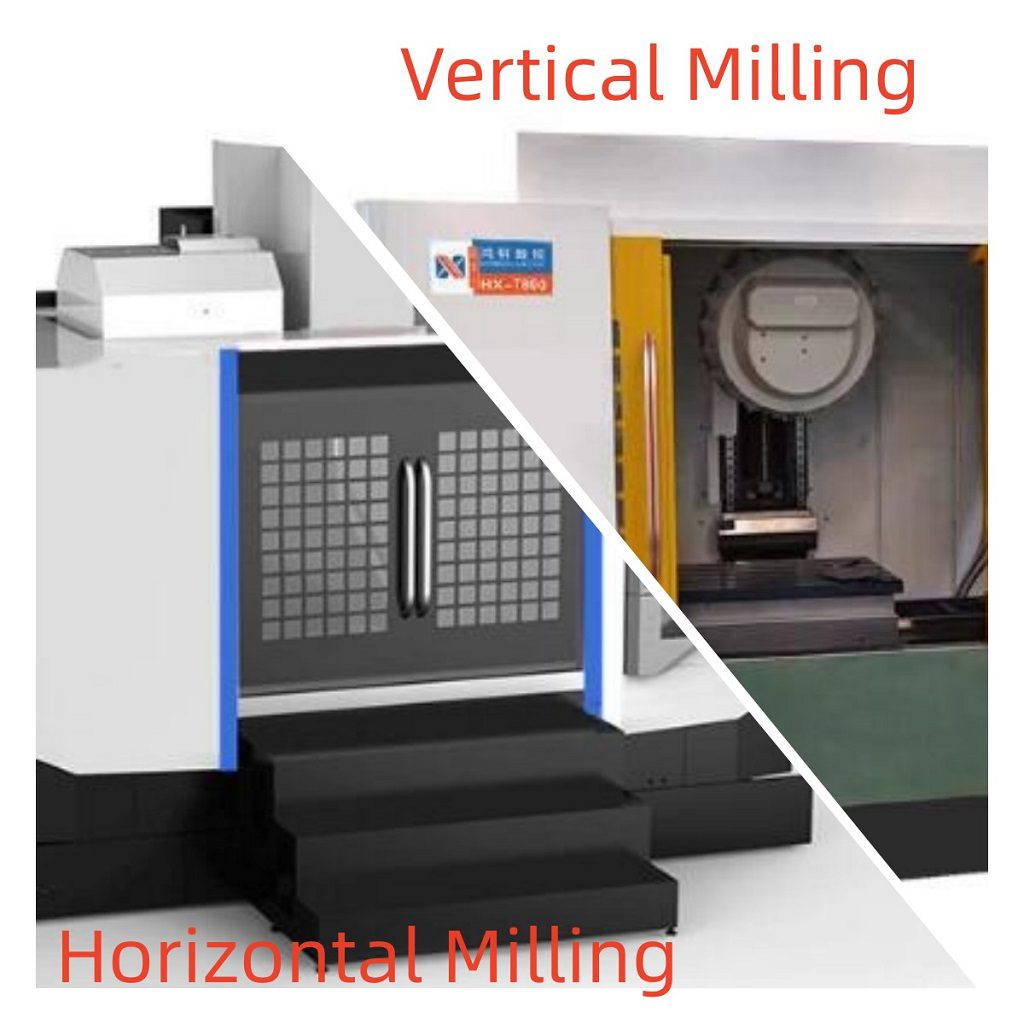
Choosing the "best" CNC mill isn't a one-size-fits-all answer. The right machine depends entirely on the part's complexity, the material being used, and your budget. At our facility, we use different types of mills for different jobs.
Here
are the most common types and what they are good for:
- Vertical Milling Machines: These are the most common type of CNC mill. The spindle and cutting tool are oriented vertically. They are perfect for working on one side of a part at a time, making them great for things like plates, molds, and parts with pockets or holes on a single face.
- Horizontal Milling Machines: In these machines, the cutting tool is mounted horizontally. They can often cut faster and deeper than vertical mills because the chips fall away naturally. They are ideal for machining multiple sides of a workpiece in a single setup, which is great for more complex or heavier parts.
- Multi-Axis Milling Machines (3, 4, and 5-Axis):
- 3-Axis Mills are the standard, moving the tool in three directions: X (left-right), Y (forward-backward), and Z (up-down).
- 4-Axis Mills add a rotation around the X-axis (called the A-axis). This allows for machining on the sides of a part without needing to stop and manually rotate it.
- 5-Axis Mills are the most advanced. They can move on the three linear axes (X, Y, Z) and rotate on two additional axes. This allows us to create extremely complex shapes with curved surfaces in a single setup. Using a 5-axis machine reduces setup time, increases accuracy, and is essential for aerospace and medical parts.
For most projects, a 3-axis mill does the job perfectly. But for intricate designs, a 5-axis machine is the best choice. When you send us your design, our engineers will determine the most efficient and cost-effective machine for your specific part.
What Milling Techniques Work Best?
Just like there are different mills, there are also various milling techniques. Our expert machinists select the best combination of techniques to create each feature of your part efficiently and precisely. The choice depends on the geometry we need to achieve.
Here are some of the fundamental techniques we use every day:
- Face Milling: This is often the first step. We use a large-diameter cutter to create a flat, smooth surface on the top of the workpiece. This prepares a perfect reference plane for all other operations.
- Pocketing (or Pocket Milling): This technique is used to hollow out an internal cavity or "pocket" in the workpiece. The machine removes material from inside a defined boundary to a specific depth.
- Slotting: This is how we create grooves or slots in a part. It can be done with different types of cutters depending on the slot's width and shape (like T-slots or dovetail slots).
- Contouring: This involves using the side of the cutting tool to machine the outside profile or contour of a part. It follows the outline of your design to create the final external shape.
- Drilling and Boring: While not strictly "milling," these operations are done on a CNC mill. We use drilling to create holes and boring to enlarge existing holes to a very precise diameter with a smooth internal finish.
The best approach is often a combination of these techniques. For example, we might start with face milling, then do some pocketing, and finish with contouring and drilling. Our CAM software helps us plan these operations in the most logical order to maximize quality and minimize machine time, which helps save you money.
Why Choose CNC Milling?
When our customers need parts that are precise, strong, and made to last, CNC milling is often the best choice. It offers several key advantages that other manufacturing methods can't match.
First, CNC milling is incredibly precise. The computer-controlled process ensures every cut is exact, allowing us to achieve high dimensional stability and very tight tolerances . This means you get parts that are perfect every time, which is essential for complex assemblies.
Another huge benefit is material versatility. We can machine a massive range of materials to suit any application. We work with low-cost options like mild steel and zinc alloys . We also use materials that are very easy to machine, like brass , and lightweight options like magnesium . For high-performance needs, we can machine materials with excellent corrosion resistance and a high strength-to-weight ratio, like titanium . We even machine plastics like POM and wood .
Finally, the process is highly repeatable. Once a design is programmed, our machines can produce thousands of identical parts with the same high quality. This makes it perfect for everything from one-off prototypes to high-volume production runs. Plus, we can apply over 30 different surface finishes to meet your exact specifications .
What Are CNC Milling Limitations?
While CNC milling is a fantastic process, it’s important to understand its limitations. No single manufacturing method is perfect for every single job.
The primary limitation can be cost, especially for certain projects. The initial setup and programming time can make very small batches of simple parts more expensive than other methods. Also, the material itself can be a major cost factor. For example, machining titanium is more costly than aluminum because it is a much more difficult material to work with.
Another limitation comes from the nature of the process itself. CNC milling is a "subtractive" process, meaning it cuts material away. This can create geometric constraints. It can be difficult to create deep, narrow cavities or certain internal features because the cutting tool simply can't reach them.
Lastly, subtractive manufacturing creates waste material. The material that is cut away from the main block becomes chips. For expensive materials, this waste can add to the overall cost of the part. We always work to optimize toolpaths to minimize this waste, but it's an inherent part of the milling process.
What About 5-Axis CNC Milling?
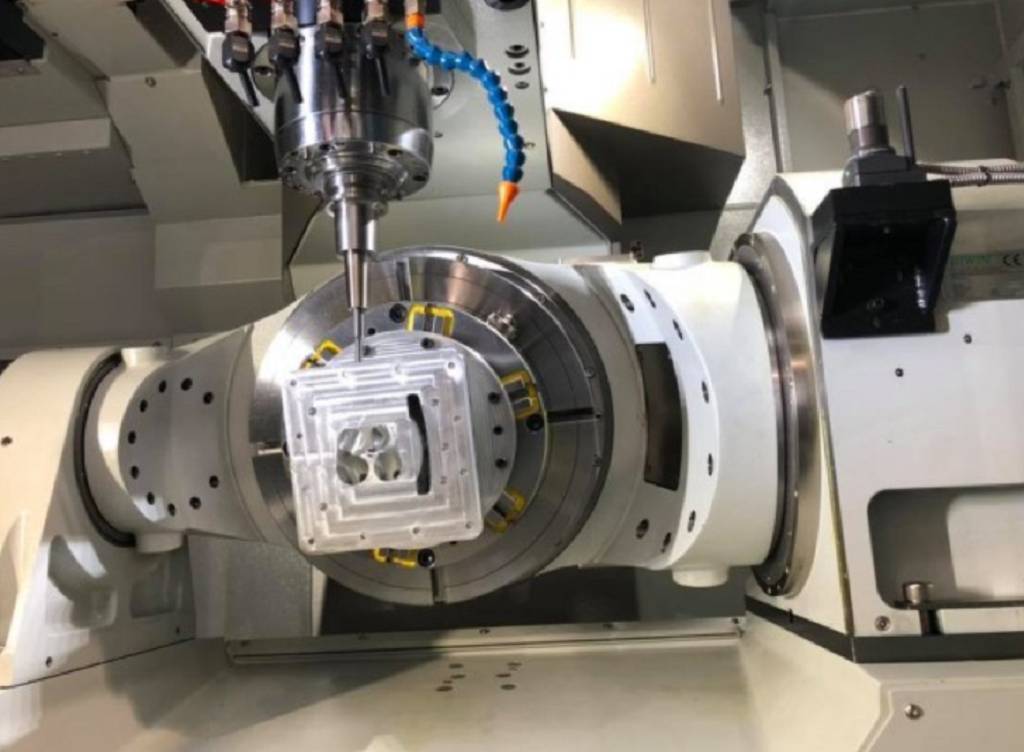
When customers bring us parts with really complex curves and angles, we turn to our 5-axis CNC machines. Think of it as the next level of precision machining. While a standard 3-axis machine moves left-right, forward-back, and up-down, a 5-axis machine adds two more rotational axes. This means both the cutting tool and the workpiece can move and rotate at the same time.
The biggest advantage is that we can machine complex shapes in a single setup. We don't have to stop and manually reposition the part. This saves a lot of time, but more importantly, it dramatically increases accuracy. Every time you re-clamp a part, there's a small risk of error. By avoiding that, we can produce highly intricate components, like those used in aerospace or medical devices, with incredible precision and a superior surface finish. It allows us to turn even the most challenging designs into a physical reality.
Which Materials Work Best for CNC?
Choosing the "best" material means finding the perfect balance between performance, cost, and machinability. With experience in over 100 materials, we can provide expert guidance.
- Metals:
- Aluminum (e.g., 6061, 7075): Lightweight, strong, and corrosion-resistant. A cost-effective choice for most projects.
- Stainless Steel (e.g., 304, 316L): Excellent corrosion resistance and strength, ideal for medical, food-grade, and marine applications.
- Steel (e.g., Carbon Steel, Alloy Steel): Low cost and high strength for heavy-duty industrial applications.
- Titanium (Grade 2, Grade 5): Ultimate strength-to-weight ratio and biocompatibility, perfect for aerospace and medical implants, but with higher machining costs.
- Brass, Bronze, Copper: Easy to machine with good conductivity and corrosion resistance.
- Plastics:
- ABS, Polycarbonate: Great for consumer product housings and prototypes.
- Delrin (POM), PEEK: High-strength, low-friction engineering plastics that can replace metal in some mechanical parts.
How Much Does CNC Milling Cost?
We are always committed to providing a competitive price. The main factors that influence cost are:
- Material Choice: Titanium is significantly more expensive and difficult to machine than aluminum.
- Part Complexity: A simple flat plate is much cheaper than a complex part requiring 5-axis machining.
- Order Quantity: We have No Minimum Order Quantity (No MOQ) and support everything from a single prototype to mass production. Larger volumes typically result in a lower price per part.
- Surface Finish: We offer over 50 surface finishing options, from standard anodizing and powder coating to complex chemical plating. Your choice will affect the final cost.
How Can Worthy Hardware Help?
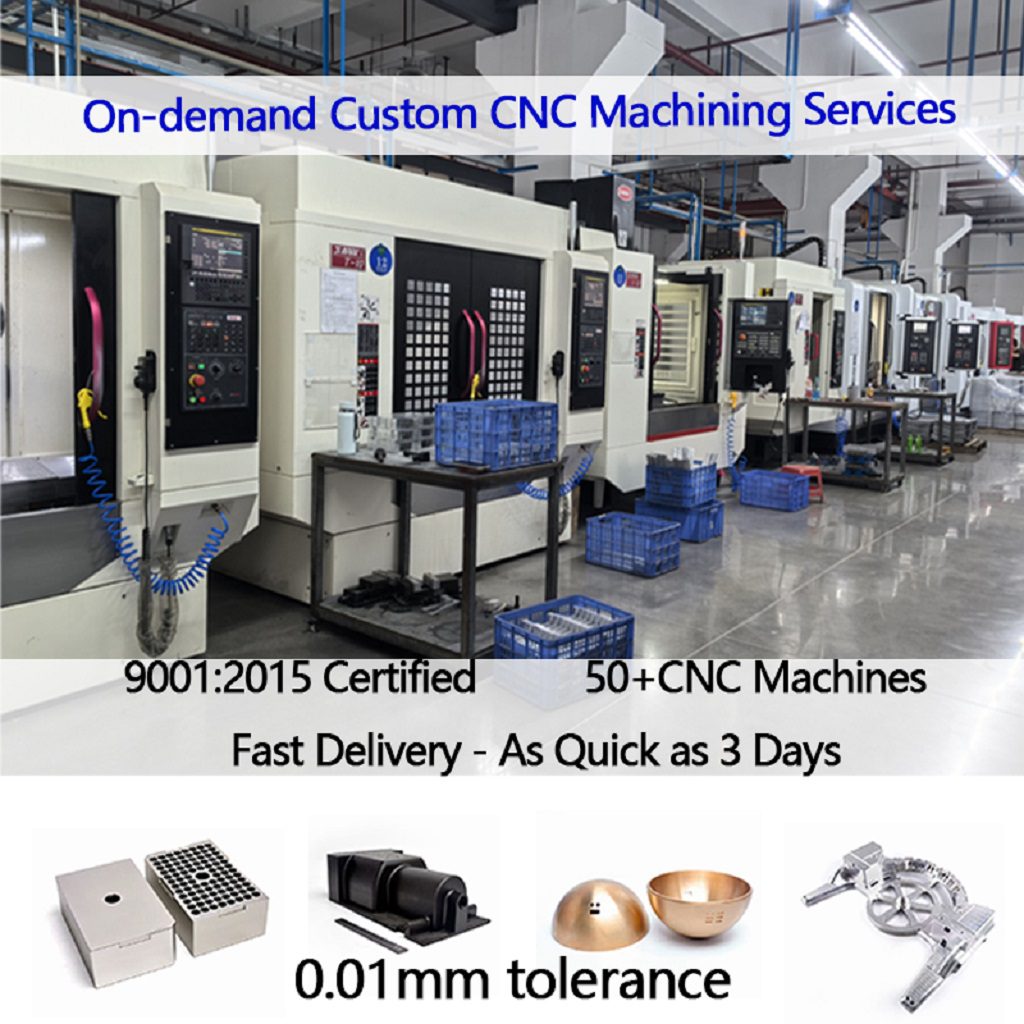
Why do professional buyers worldwide choose us? Because our capabilities are clear, reliable, and quantifiable.
- Extensive Machining Envelope:
- Milled Parts: Up to 80” x 48” x 24” (2,032 x 1,219 x 610 mm).
- Turned Parts: Up to 62” (1,575 mm) length and 32” (813 mm) diameter.
- Precision Tolerance Control:
- Standard Tolerance: +/- 0.005" (+/- 0.127 mm).
- Precision Tolerance: We can manufacture and inspect to +/- 0.001" (+/- 0.0254 mm) and even tighter, per your drawing specifications and GD&T callouts.
- Flexible & Fast Production Support:
- Standard Lead Time: As fast as 3 business days.
- Order Quantity: No Minimum Order Quantity (No MOQ). We support you from a single prototype to mass production.
- Vast Material & Finishing Options:
- Material Library: 100+ materials, including all types of metal (Aluminum, Steel, Stainless Steel, Titanium, Copper), plastic (ABS, PC, PEEK, Delrin), carbon fiber, and wood.
- Surface Finishes: 50+ options, including anodizing, powder coating, plating, and polishing.
- We save you money through proactive engineering support.
- We safeguard your quality with our 100% full inspection policy.
- We protect your project schedule with transparent communication and reliable lead times.
We are more than just a machine shop; we are your trusted manufacturing partner in China.
Conclusion
Choosing the right material is the most important step for your CNC project. We've seen how this choice impacts everything from cost and strength to delivery speed. At Worthy Hardware, we are your CNC machining and sheet metal fabrication partner, here to guide you. We work with over 100 materials, including popular aluminum alloys, high-strength steels, titanium, brass, plastics, and wood . Our team of experts and our 30+ CNC machines ensure we can find the perfect solution for your needs .The best way to move forward is to get a personalized quote . Send your design files to me, Sandra, at [email protected], and let's work together to turn your vision into reality .
Frequently Asked Questions (FAQ)
Q1:3-Axis, 4-Axis, or 5-Axis Milling—Which Do I Need?
This depends entirely on your part's complexity.
- 3-Axis: The most cost-effective choice for simpler features like flat surfaces, pockets, and holes.
- 4-Axis: Adds a rotational axis, allowing machining on multiple sides of a part without re-fixturing. Great for box-like components.
- 5-Axis: The pinnacle of CNC technology, capable of machining highly complex geometries. While more expensive, it's essential for guaranteeing the accuracy and efficiency of aerospace, medical, and advanced mold components. Our Approach: You don't have to worry about this. Just send us your drawing. Our engineers will determine the most efficient and cost-effective method and explain it in your quote.
Q2:Is CNC Better Than 3D Printing?
They are different tools for different jobs.
- CNC Machining (Subtractive): Its strengths are material properties and precision. Parts are carved from a solid block, making them far stronger and more durable than 3D printed parts. It's ideal for functional prototypes, end-use parts, and mass production.
- 3D Printing (Additive): Its strength is geometric complexity. It can create intricate internal structures impossible for CNC. It’s best for rapid visual prototypes where function is not the priority.
Our Recommendation: If your part requires strength, durability, and high precision, CNC machining is the clear choice.
Q3:Can CNC Achieve 0.001mm Tolerance?
This is a common and important question. First, let's be clear about the units. A tolerance of 0.001mm (1 micron) falls into the realm of micro-machining, which requires highly specialized equipment and is extremely expensive.
At Worthy Hardware, our capabilities are clear and proven:
- Standard Tolerance: For metals, we easily hold +/- 0.005" (+/- 0.127 mm).
- Precision Tolerance: Based on your drawing specifications and GD&T callouts, we can achieve +/- 0.001" (+/- 0.0254 mm) or even tighter tolerances through fine machining and strict process controls.
We work with you transparently to ensure the tolerances you specify are both functionally necessary and cost-effective.
Q4: Can you guarantee the lead time?
We know that time is money. We are committed to providing transparent and reliable lead times. We would rather be honest and lose an order than make a false promise that jeopardizes your project schedule.
About the Author
Sandra Gao is the Founder and Director of Worthy Hardware (www.worthyhardware.com). With over 15 years of experience in the precision machining industry, she specializes in providing global clients with comprehensive CNC solutions, from prototyping to mass production. Sandra excels at helping clients with Design for Manufacturability (DFM) to achieve maximum cost-effectiveness without compromising quality. She leads the Worthy Hardware team with a commitment to superior quality, reliable delivery, and professional communication, earning the trust of high-end clients across North America, Europe, and Japan.
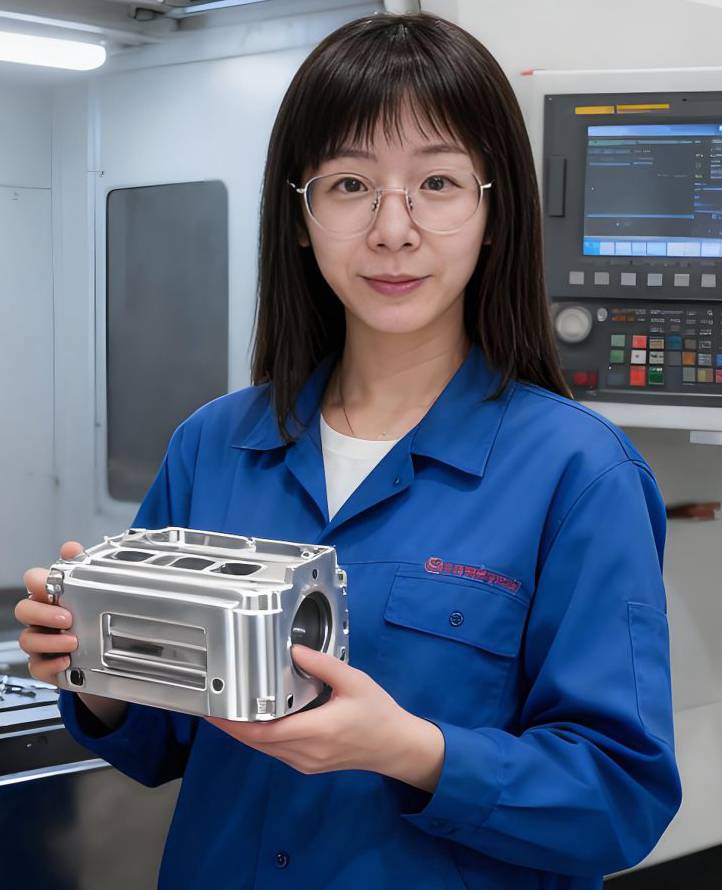
Sandra Gao
Founder, Worthy Hardware
Email: [email protected]
Website: www.worthyhardware.com
Hey, there, I”m Sandra . Sales manager of Worthy Hardware, with over 18 years of CNC Machining and Precision Stamping experience, Give us a try, will never let you down.Send us the parts for quote.