
The Ultimate Guide to Gear Machining

Hello, I'm Sandra Gao, the founder of Worthy Hardware. In my years in the precision manufacturing industry, I've seen too many cases where a single, improperly meshing gear caused an entire expensive machine to fail or a whole production line to halt. This is exactly what business owners like our Canadian client, Mark Chen, worry about most—a seemingly simple part that can lead to huge business losses.
Gear machining is the process of manufacturing gear teeth using various methods like milling, hobbing, shaping, and grinding . The goal is to create precise tooth profiles that allow gears to mesh perfectly, ensuring high accuracy and a smooth finish for optimal machine performance and longevity
A gear might look straightforward, but its performance is built on a foundation of complex processes, strict precision, and the right material choice. It's not a standard component; it's a custom-made core part engineered to your exact design. In this guide, I'll share how we at Worthy Hardware leverage our hands-on experience to ensure every gear performs flawlessly, helping our clients optimize designs and save money.
What Is Gear Machining? It's More Than Just "Cutting Metal"
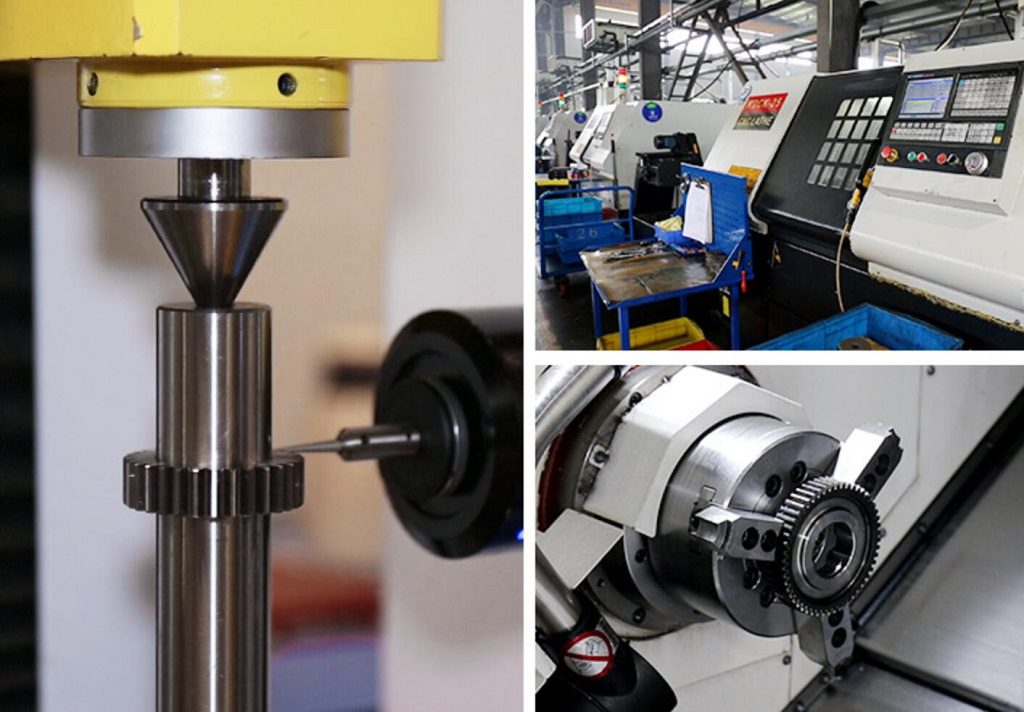
Gear machining is a precision manufacturing process that creates gears through various methods like milling, hobbing, shaping, and grinding. At Worthy, we see this as far more than simple metal cutting; it's the art of precision.
Our goal is to create perfectly defined and meshing gear teeth to ensure your equipment runs smoothly, efficiently, and for a long time. To achieve this, we often use Finish Machining, a process that removes a tiny amount of material to achieve extremely high dimensional accuracy and a superior surface finish. For the most demanding projects in aerospace or medical, we can even perform sub-micron ultra-precision machining, controlling dimensional errors to an almost unimaginable level.
How Does Gear Machining Work?
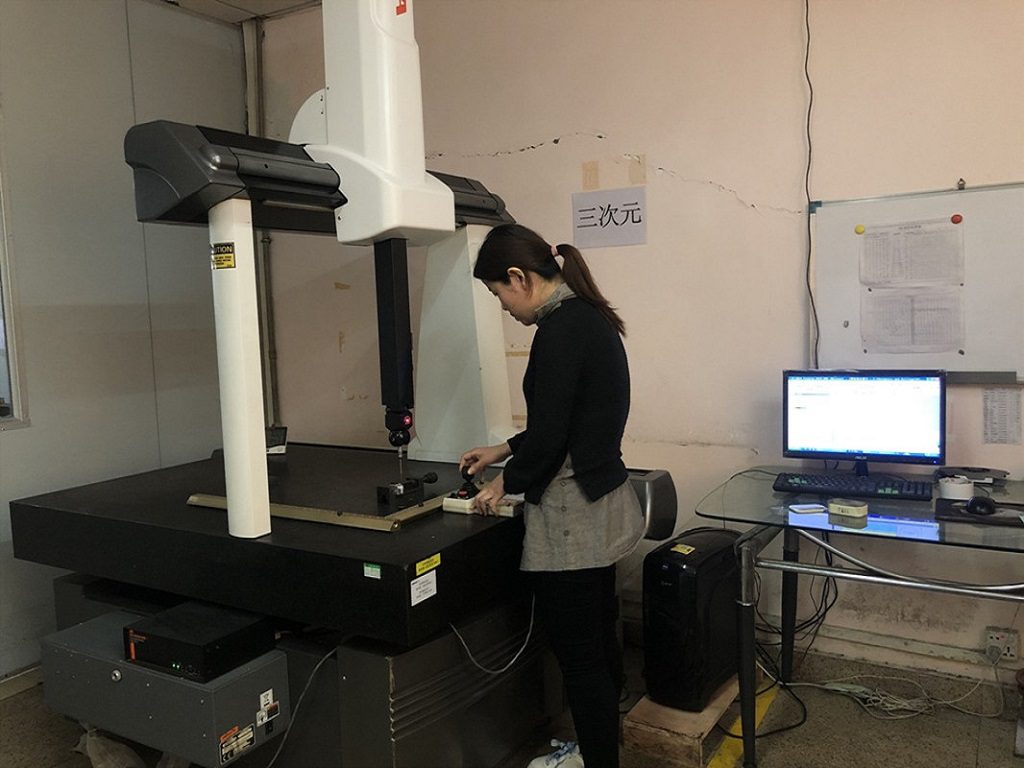
How is a perfect gear made? It comes from our rigorous and transparent process:
- Design for Manufacturability (DFM) Review: It all starts with your drawings. The first thing our team of 4 experienced engineers does is not to start production, but to review your design. Drawing on their years of expertise, they proactively look for opportunities to optimize the design, simplify the process, and reduce your costs, all while ensuring performance is never compromised. This is the first step where we create core value for you.
- Precision Machining: We utilize advanced 5-axis CNC machining centers. This allows us to complete complex gears in a single setup, minimizing handling and maximizing accuracy. Whether it's a large lathe part up to 813 mm in diameter or a micro-part with features as small as 0.50 mm, we have the capability to machine it precisely.
- 100% Inspection: This is our non-negotiable principle. Every single gear that leaves our facility, from a single prototype to a mass production run, undergoes a 100% full dimensional and visual inspection. We use high-precision equipment like Coordinate Measuring Machines (CMMs) to ensure the final product is an exact match to your drawing. This completely eliminates the pain point Mark Chen once faced: discovering quality issues after a long wait.
How do we turn a "zero-defect" promise into a reality? The answer lies in our rigorous and transparent manufacturing process.
Intelligent Process Planning: Based on your specific requirements (e.g., precision grade, load, operating environment), we select the optimal machining path.
High-efficiency external gears? We utilize advanced CNC Gear Hobbing.
Complex internal or shouldered gears? CNC Gear Shaping is our go-to method.
Need an ultra-smooth finish and quiet operation? After heat treatment, we add Precision Gear Grinding or Honing, capable of achieving a surface roughness of Ra0.4μm for silky-smooth transmission.
Powerful Machining Capabilities: Our workshop is equipped with state-of-the-art 5-axis CNC centers, capable of handling everything from large-scale gears up to 813 mm in diameter to micro-parts with features as small as 0.50 mm. Whether it's lightweight aluminum alloys, high-strength titanium, or self-lubricating PEEK plastics, we machine them with expertise.
100% Full-Dimensional Inspection—Our Unbreakable Rule:
How do we do it? Every single part, from a single prototype to a mass production run, is meticulously verified using our German ZEISS Coordinate Measuring Machines (CMMs).
What do you get? You receive a perfect part that matches your drawing, and upon request, a detailed full-dimensional inspection report. This completely eliminates the pain point Mark Chen once faced: discovering quality issues after weeks of waiting.
Why Are Gears Important in Manufacturing?
Gears are the backbone of countless machines and devices. Think about it: from the car you drive to complex industrial robots, gears are working behind the scenes. Their main job is to transmit power, change speed, and alter the direction of motion. Without them, most of the machines we rely on simply wouldn't work.
In my experience at Worthy, we've made gears for so many different industries, including aerospace, automotive, and robotics. In each case, the quality of the gear is critical. A single, poorly made gear can cause an entire system to fail. For my customers, like Mark Chen in Canada, this could mean costly recalls or a damaged reputation. That’s why we focus so heavily on precision. A well-manufactured gear ensures a machine runs efficiently, reliably, and for a long time. It’s a small part that makes a huge difference.
Which Gear Machining Process to Choose?
Which process should you choose? It depends on the gear type, material, production volume, and required precision. We guide you to the best solution based on your specific needs:
- CNC Gear Hobbing: One of the most versatile and efficient methods for external gears.
- CNC Gear Shaping: Ideal for internal gears or gears located close to a shoulder where a hob can't reach.
- CNC Gear Milling: Using the flexibility of 5-axis CNC, we can mill a wide variety of complex tooth profiles, including bevel gears.
- Precision Gear Grinding: For hardened gears requiring the highest accuracy, we use grinding as a finishing process to achieve an excellent surface and tight tolerances.
- Other Finishing Processes: As needed, we also offer Shaving, Honing, and Lapping to meet extreme requirements for low noise and smooth operation.
What Types of Gears Can Be Machined?
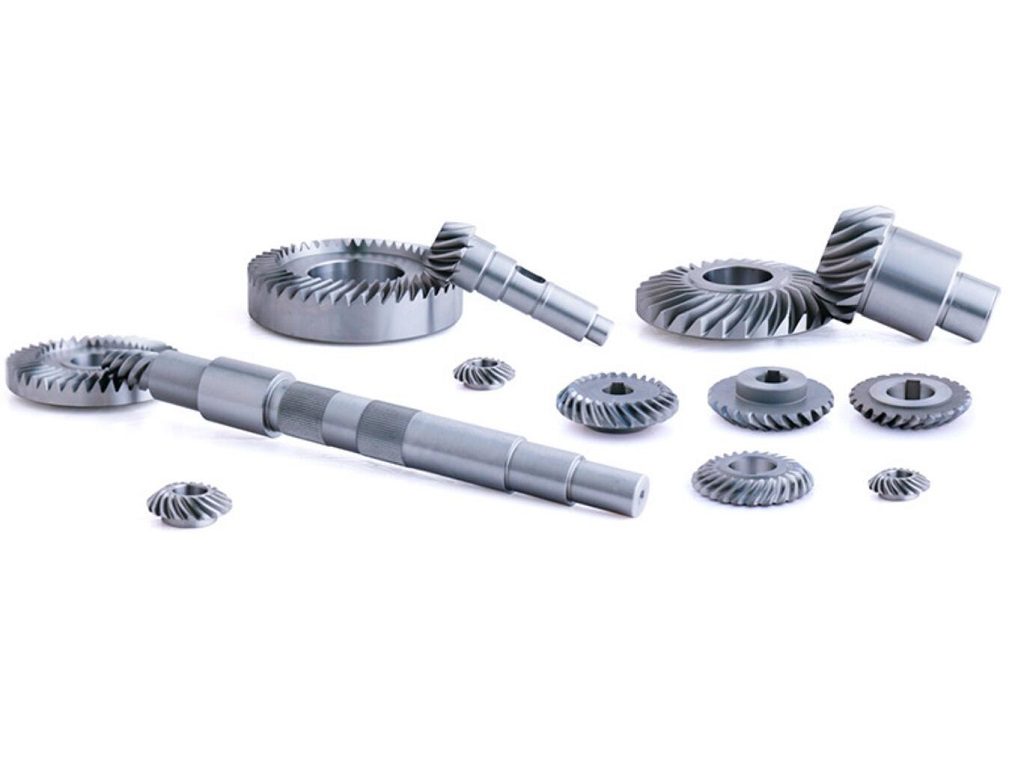
You can machine almost any type of gear imaginable. The specific process we choose depends on the gear's design and function. In my business, we see a wide variety of designs come across our desks. Some of the most common types we work with include:
- Spur Gears: These are the most recognizable gears, with straight teeth mounted on a parallel shaft. We can machine these using methods like gear planing . They are simple, efficient, and used in many applications.
- Bevel Gears: When you need to transmit power between shafts that intersect, usually at a 90-degree angle, you need bevel gears. Their teeth are cut on a conical surface. Like spur gears, they can be made using gear planing .
- Internal and External Gears: As the names suggest, external gears have teeth on the outside of a cylinder, while internal gears have teeth on the inside. We often use gear shaping or gear broaching to produce both types .
- Racks: A rack is basically a gear that is flat or straight. When paired with a round gear (a pinion), it converts rotary motion into linear motion. Gear planing and gear shaping are effective methods for machining racks .
- Worm Wheels: These look like a spur gear but are designed to mesh with a worm, which looks like a screw. This combination provides a very high reduction in speed and is used in things like conveyor systems. We typically use gear hobbing or gear shaving to make worm wheels .
No matter the type, our goal is to create a gear that fits the customer's exact specifications.
What Materials Work Best for Gears?
| Application | Recommended Materials | Surface Finish Suggestions | Worthy's Experience |
| Aerospace, Drones | 7075 Aluminum Alloy, Titanium (Grade 5) | Hard Anodizing, PVD Coating | Balances extreme light weight with high strength. Titanium is challenging to machine, but our 5-axis equipment and specialized tooling ensure its precision. |
| Automotive Drivetrains, Industrial Robots | Alloy Steel (e.g., 20CrMnTi, 42CrMo) | Carburizing & Quenching, Nitriding | Provides extreme hardness and wear resistance after heat treatment. We use precision grinding to eliminate any deformation, guaranteeing accuracy. |
| Medical Devices, Food Machinery | 316L Stainless Steel, PEEK, Delrin | Passivation, Mirror Polishing | These materials offer excellent corrosion resistance and biocompatibility. Our process uses no harmful cutting fluids to ensure cleanliness. |
| Electronics, Consumer Products | 6061 Aluminum Alloy, Brass | Clear Anodizing, Nickel Plating | Cost-effective with an excellent appearance. Anodizing can be done in various colors to increase product value. |
We support over 50 surface finishes, from anodizing to powder coating, from gold and silver plating to PVD super-hard coatings, ensuring your gear performs perfectly in any environment.
How Much Does Gear Machining Cost?
This is a common question, and the honest answer is: it depends on complexity, material, quantity, and surface finish. But Worthy's value proposition is this: we may not always be the lowest price, but we are always the best value.
Our complimentary DFM (Design for Manufacturability) service, provided by our engineers at the start of a project, often saves you significant downstream costs by optimizing the design. Our flexible delivery times (with a standard lead time of just 3 business days) help you avoid missing peak sales seasons due to delays. We aim for long-term partnerships by reducing your total cost of ownership through efficient communication and reliable delivery.
What Causes Gear Machining Defects?
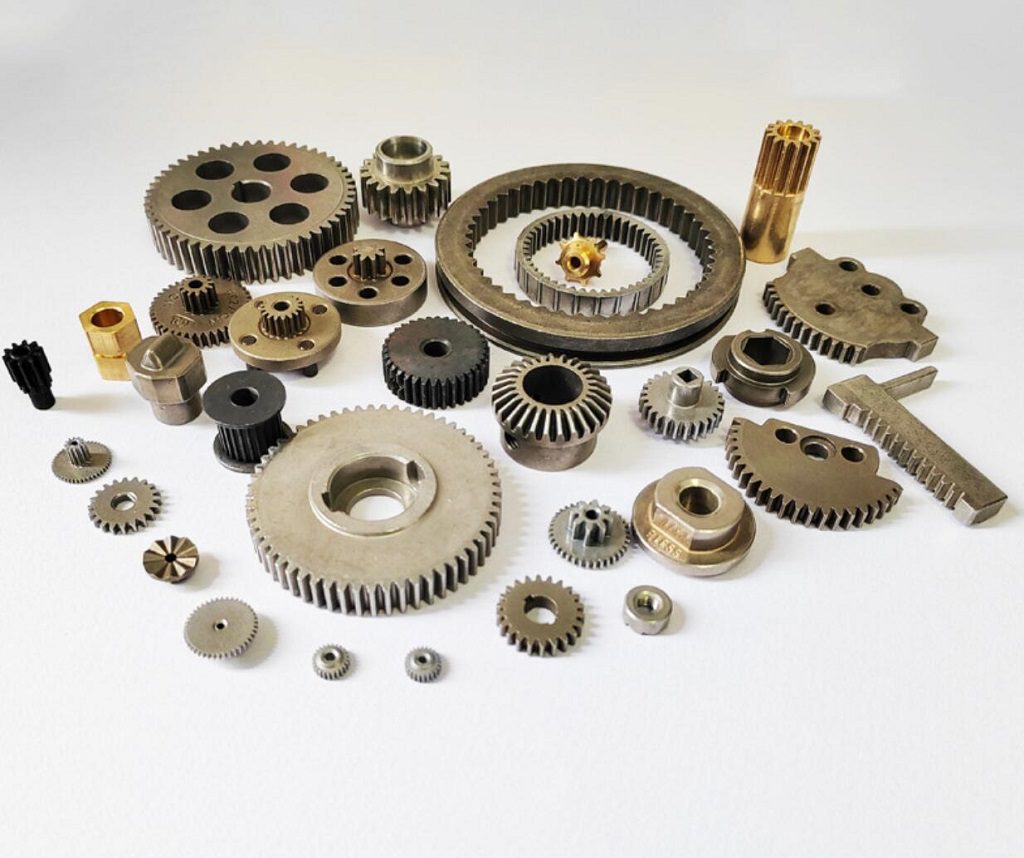
In my years of experience, I've seen that defects can arise from many sources. Preventing them is a huge part of our quality control. One of the most basic issues comes from the machining process itself. Standard machining can leave visible tool marks and create sharp edges or burrs on a part . While these are often expected and removed later, they are considered defects if not handled.
Defects can also be introduced by other fabrication steps. For example, we sometimes see slags or other issues that come from a welding process done before machining . Even the processes meant to fix problems can cause new ones. An aggressive brushing process, for instance, can sometimes cause unintended damage to a surface . Also, heat treatments can change the properties of the material. A process like carburizing can reduce the ductility of steel, which needs to be carefully controlled . That's why at Worthy, we have a 100% inspection process. We check every gear to ensure it meets the design specifications and is free from any defects before it ever gets to the customer.
How to Achieve Precision in Gear Machining?
Achieving precision means making the final gear match the ideal design parameters as closely as possible . For my customers, this is everything. A gear that isn't precise can cause vibrations, wear out quickly, or fail completely. We achieve this precision through a combination of advanced methods and careful finishing.
First, we use different levels of machining. After the initial cutting, we often perform finish machining, which removes a small amount of material to get closer to the final dimensions and create a better surface . For the highest precision requirements, we use finishing processes like gear grinding, honing, or lapping . Grinding is excellent for hardened gears, while honing and lapping create an incredibly smooth surface, reducing friction and noise . For some projects, we even use ultra-precision machining to achieve tolerances below 0.1 μm . We also use specific techniques during the process. The trial cut method involves cutting a little, measuring, adjusting the machine, and cutting again until the dimension is perfect . For larger batches, the adjustment method is more efficient; we set the machine's position once and then produce a whole series of identical parts. At Worthy, our ability to hold tolerances as tight as +/- 0.001" comes from using these methods and having skilled machinists who understand them.
What Are Gear Machining Safety Guidelines?
In any machine shop, safety is the number one priority. A safe workshop is an efficient workshop, and it ensures that we can deliver high-quality parts on time without any incidents. At my facility, we follow strict safety guidelines that everyone, from engineers to machine operators, must obey.
First and foremost is personal protective equipment (PPE). Everyone in the production area must wear safety glasses. We also require sturdy, closed-toe shoes. Loose clothing, jewelry, and untied long hair are not allowed, as they can easily get caught in rotating machinery.
Second, machine operation requires training and focus. Only authorized personnel are allowed to operate our CNC machines. We train our team to never leave a running machine unattended and to always ensure all safety guards are in place before starting a job. It's also critical to make sure the workpiece is securely clamped. A part that comes loose during high-speed machining is incredibly dangerous.
Finally, maintaining a clean and organized workspace is a simple but vital safety rule. We keep the floors clean and free from oil, coolant spills, and scrap material to prevent slips and falls. Every machinist knows the location of the emergency stop buttons on their machine. Following these rules is not just about compliance; it's about creating a professional environment where we can focus on what we do best: manufacturing precise, high-quality gears for our customers.
Which Industries Need Machined Gears?
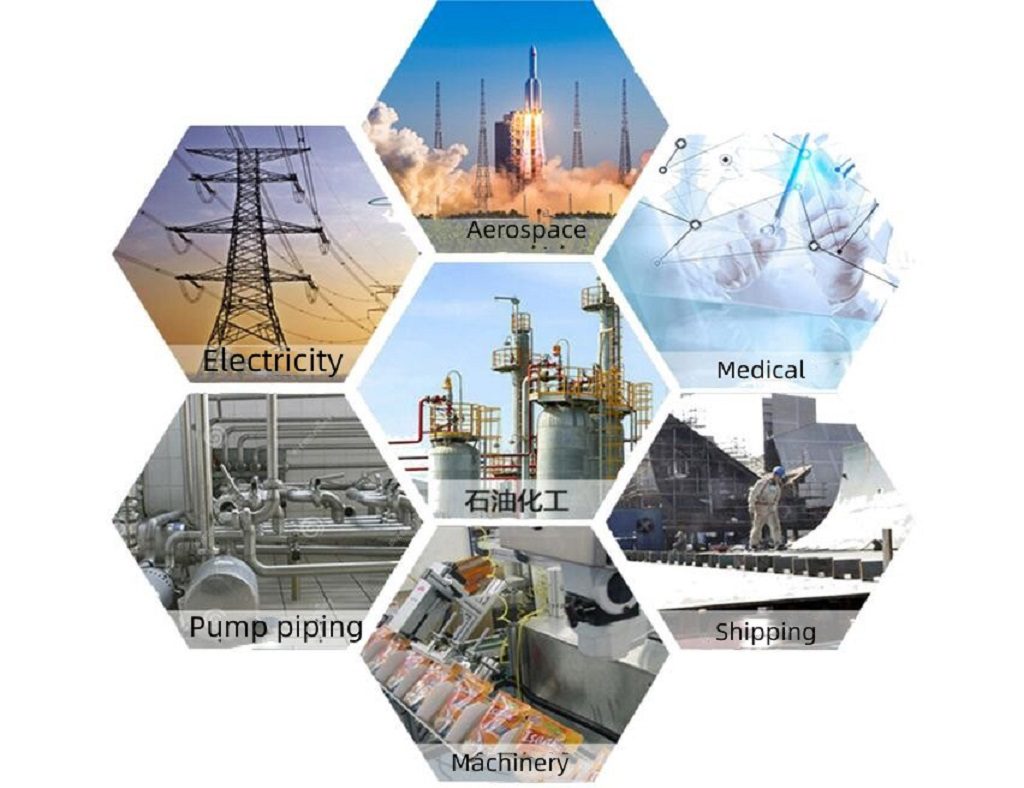
Practically every industry you can think of relies on machined gears. In my business, I've had the chance to work with clients from so many different fields, and it's amazing to see where our parts end up. Gears are the components that make things move, transfer power, and function correctly.
Here are just a few of the major industries we serve that depend on high-quality machined gears:
- Automotive: This is a big one. Cars, trucks, and motorcycles are filled with gears, from the transmission and differential to the power window motors. The precision of these gears is critical for performance and safety.
- Aerospace and Defense: This is where precision is taken to another level. Gears are used in everything from landing gear mechanisms and flight control actuators to missile guidance systems. The materials are often advanced, like titanium, and the tolerances are extremely tight.
- Robotics: Modern robots need gears for every joint and gripper. The accuracy of these gears determines the robot's precision and repeatability, which is essential in manufacturing and surgical applications.
- Industrial and Manufacturing: Think about any factory floor. You'll find gears in conveyor systems, machine tools, pumps, and all kinds of automated equipment. Durability is key here, as these gears often run 24/7.
- Medical and Dental: From complex surgical robots to the small, high-speed handpieces used by dentists, the medical field requires tiny, incredibly precise gears. These are often made from corrosion-resistant materials like stainless steel or specialized plastics.
- Consumer Products: You probably have dozens of gears in your home right now. They're inside blenders, power drills, printers, and even clocks.
The list goes on, including energy, electronics, and even hardware startups developing new products. If a product has moving parts, there's a good chance it needs machined gears to work.
What Tools Are Used in Gear Machining?
Making a high-quality gear involves more than just one machine; it requires a specific set of tools and processes to cut and finish the teeth accurately. We have to choose the right tool for the job based on the type of gear, the material, and the required precision.
Here are the primary tools we use for cutting the gear teeth:
- Gear Hob: This is a very common tool used to machine the teeth of gears and worm wheels through a generating method .
- Gear Shaper Cutter: We use this to machine the teeth of both internal and external gears
- Gear Planing Tool: This is the tool of choice for machining straight-toothed spur gears, bevel gears, and racks .
- Milling Cutter: A milling cutter can be used to form or generate gear teeth .
- Broach: For cutting the teeth on internal or external gears, a broach or broaching disc can be used .
After the initial teeth are cut, we often need to perform finishing operations to achieve the final precision and surface smoothness. This requires another set of specialized tools:
- Grinding Wheel: We use a grinding wheel to finish the teeth of a gear, especially after it has been hardened .
- Shaving Cutter: This tool is used to finish the tooth surface of a gear or worm wheel for better accuracy.
- Honing Wheel: For an even finer finish on the tooth surface, we use a honing wheel .
- Lapping Wheel: This is used in a process where the wheel is rolled with the gear to create a very smooth, machined surface .
- Rolling Die: In some cases, we use a toothed rolling die to form the gear's tooth profile without cutting material .
Each tool plays a specific role in turning a simple metal or plastic blank into a precise, functional gear .
How Are Gear Tolerances Measured?
Measuring tolerances is how we guarantee precision. It’s the process of checking how well the actual part matches the customer's design . For every gear we make, this is a critical step. We don’t just machine a part and hope it's right; we measure it constantly.
The measurement process starts during machining. For very precise parts, we often use what’s called the Trial Cut Method. This means we cut a small amount of material, stop the machine, take a measurement, adjust the machine settings, and then cut again. We repeat this cycle until the dimension is perfect . This ensures we hit the target from the very beginning. Once the gear is complete, we move to final inspection. For basic dimensions, we use high-precision digital calipers and micrometers. For more complex shapes and to check the gear tooth profile, we use advanced equipment like Coordinate Measuring Machines (CMMs). These machines use a probe to touch hundreds of points on the gear's surface to create a 3D map, which we compare directly to the customer’s CAD model. This is how we can confidently hold tolerances as tight as +/- 0.001" and achieve dimensional and shape errors below 0.1 μm in some cases .
How to Inspect Machined Gears?
Inspecting a machined gear is more than just measuring a single dimension; it's a comprehensive process to ensure every aspect of the gear is correct. At Worthy, our 100% inspection policy means that every single gear is checked before it ships. This process is all about confirming the part's accuracy against the ideal design parameters .
Our inspection process has several key steps. First, we conduct a visual inspection. We look for any obvious defects like burrs, sharp edges, or visible tool marks left over from the standard machining process . Next is the dimensional inspection. This is where we use tools like calipers, micrometers, and CMMs to measure everything: the gear's diameter, the tooth thickness, the shape of the tooth profile, and its position . We also check the surface finish. We measure the surface roughness to make sure it meets the specified value, whether it's a standard 3.2 μm or a polished 0.4 μm finish . Finally, for some applications, we might perform non-destructive testing (NDT) to check for hidden flaws inside the material. This entire process is how we build trust with our customers and ensure every part we deliver is ready for service.
CNC vs. Traditional Gear Machining?
When my customers need gears, they often want to know about the process behind making them. The two main approaches are traditional gear machining and modern CNC machining. Both can create gears, but they are very different in how they work, the precision they can achieve, and the complexity they can handle. Understanding the difference is key to choosing the right partner for your project.
Traditional gear machining uses specialized machines, each designed for a specific task. For example, we might use gear hobbing to machine the teeth, or gear shaping for internal gears. Other methods include gear planing for straight-toothed gears and gear broaching . These machines often rely on the mechanical setup and the skill of an experienced operator. For finishing the gear teeth to make them smoother and more accurate, traditional methods like gear grinding, honing, or lapping are used . These are effective, time-tested processes, but they can be less flexible than modern methods.
CNC machining, on the other hand, is controlled by a computer. We program the design into the machine, and it automates the cutting process. This gives us incredible precision and repeatability. A CNC machining operation can be used for the initial cutting and also for finishing steps to reduce the surface roughness to as little as 1.6 μm . This computer-controlled process is what allows us to achieve the tightest dimensional tolerances for our clients . It is also extremely versatile. We use our CNC machining services to produce complex parts from difficult materials like titanium, which is tough to machine, and lightweight composites like carbon fiber .
So, what's the real difference for a customer?
- Precision: While traditional methods can be precise, CNC machining is generally more accurate and consistent, especially for complex designs. This is because the computer eliminates the potential for human error.
- Complexity: CNC machines can easily create very complex gear tooth profiles that would be difficult or impossible with traditional machines.
- Flexibility: With CNC, we can quickly switch from making one type of gear to another just by loading a new program. This is ideal for everything from a single prototype to large production runs.
- Materials: CNC is perfect for modern, advanced materials. Its precision and control are essential when working with expensive or challenging materials like Grade 5 Titanium
At Worthy, we focus on CNC machining because it delivers the quality, precision, and flexibility that modern industries demand. It allows us to guarantee that every gear we produce, whether from steel or carbon fiber, perfectly matches the customer's design, every single time.
What Are Gear Customization Options?
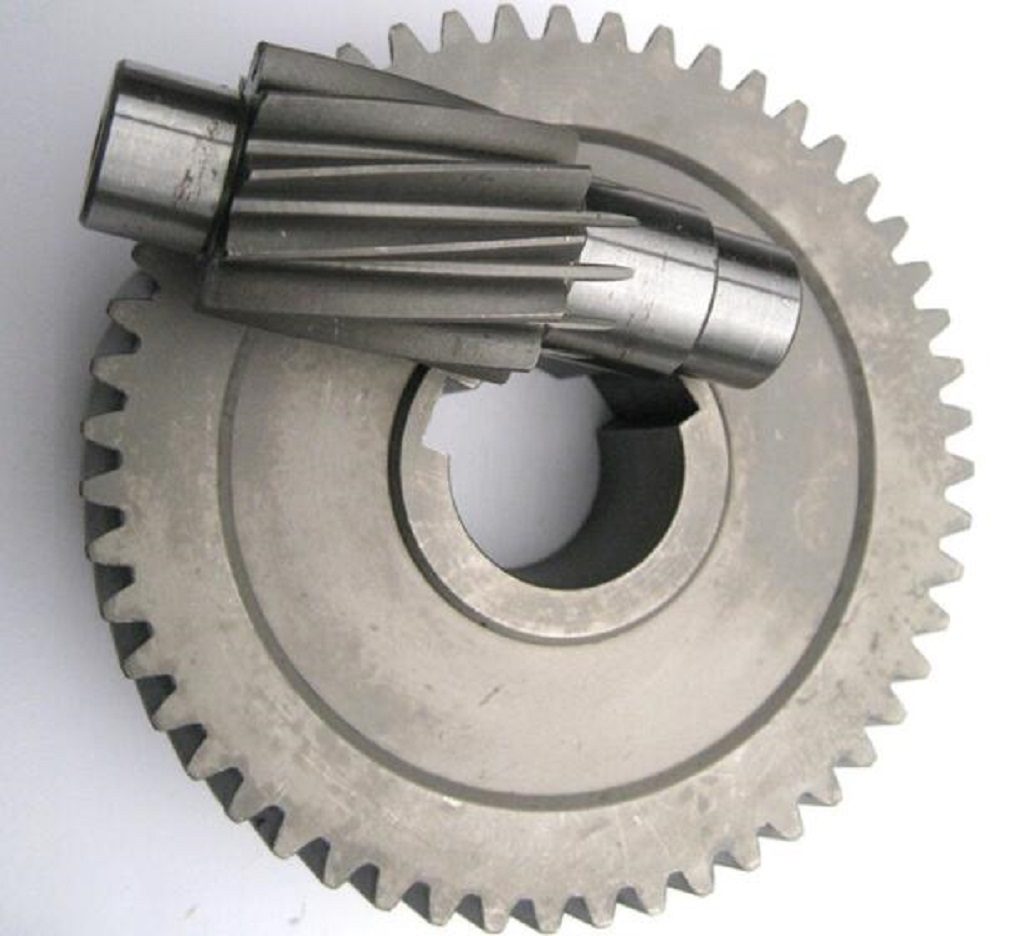
When a customer comes to me for a custom gear, they have many options to make sure the final part is perfect for their needs. At Worthy, our goal is to produce parts exactly to your design, and customization is how we do it. The main choices involve the manufacturing method, the material, and the surface finish.
First, you can choose how the gear is made. There are many traditional methods, like gear casting or gear punching to form the basic shape . The teeth can then be cut using processes like gear hobbing, gear shaping for internal teeth, or gear planing for straight teeth . However, we specialize in CNC machining, which offers the highest precision and flexibility.
The second major choice is the material. We can work with over 100 different materials. This includes all kinds of metals like aluminum, stainless steel, titanium, and brass. We also machine many types of plastics like Delrin, PEEK, and Nylon. We can even create gears from specialized materials like carbon fiber. The material you choose affects the gear's strength, weight, wear resistance, and cost.
Finally, the surface finish is a critical customization option. The finish protects the gear and can improve its performance. We offer over 50 different surface finishes. This starts with the basic machined finish, which can be standard (Ra3.2μm), smooth (Ra1.6μm), or even fine (Ra0.8um) . For a smoother surface, we can polish the part . We also provide many protective and cosmetic coatings. These include:
- Anodizing: Great for aluminum parts.
- Powder Coating: A durable and colorful protective layer .
- Plating: We can plate parts with zinc, nickel, chrome, gold, or silver .
- Passivation: A chemical treatment to prevent corrosion on stainless steel .
- Black Oxide: A common coating for steel parts .
- PVD Coating: A very hard and durable coating for improved strength .
These are just a few examples. By combining the right material and finish, we can create a gear that is perfectly customized for any application.
How to Maintain Machined Gears?
Once you have your custom-machined gears installed, proper maintenance is the key to making them last a long time and perform reliably. While the provided references focus on how gears are made, they don't cover maintenance. So, based on my experience in the industry, here is the advice I give my customers.
First and foremost is lubrication. This is the single most important step. Gears create a lot of friction, which causes wear and heat. Using the right type and amount of lubricant (oil or grease) is essential to reduce this friction. You should check the lubricant level regularly and replace it according to the manufacturer's schedule.
Next is regular inspection. You should visually check the gears for any signs of trouble. Look for wear on the tooth surfaces, such as pitting, cracks, or scoring. Also, listen for any unusual noises like grinding or whining, and feel for excessive vibration. These are early warning signs that something is wrong.
You also need to keep the gears clean. Dirt, metal particles, and other debris can get into the lubricant and act like sandpaper, accelerating wear. The gear housing should be sealed properly, and the area around the gears should be kept clean.
Finally, check the alignment. Gears need to mesh together perfectly. If they become misaligned due to vibration or loose mountings, the load on the teeth will be uneven. This causes rapid, abnormal wear and can lead to a total failure. Ensuring the gear shafts and housing remain properly aligned is a critical part of long-term maintenance.
Why Choose Worthy as Your Gear Machining Partner?
Let's return to Mark Chen's core needs: Quality, Price, Communication, and Delivery. Worthy's entire system is built to solve these problems.
- Extreme Precision & Uncompromising Quality (Trustworthiness): We promise and achieve tolerances as tight as 0.001mm, backed by 100% inspection and detailed quality reports. What you design is what you get. We are proud to be ISO 9001:2015 certified.
- Design Optimization & Cost Control (Expertise): Our 4 senior engineers act as your free technical consultants, saving you money before production even begins.
- Efficient Communication & Reliable Delivery (Experience): With a standard lead time of 3 business days and flexible production scheduling, we help you avoid missing peak sales seasons due to delays. We create dedicated communication channels for your projects, so you always know your order status.
- One-Stop Solution (Authoritativeness): From 1 prototype to 100,000+ units (no MOQ), from 100+ materials to 50+ finishes, we are your trusted partner for all custom CNC parts across industries like Aerospace, Automotive, Medical, and Robotics, with products exported globally to Singapore, North America, Japan, Europe, and Australia.
Conclusion
Creating a perfect custom gear is a systematic engineering challenge. It demands experience, expertise, authoritative equipment, and a trustworthy partner. At Worthy Hardware, we transform your designs into reliable, high-performance components. We proudly serve clients across the globe (Singapore, North America, Japan, Europe, Australia) in industries like aerospace, automotive, medical, and robotics.
If you're looking for a gear machining supplier who understands your needs, solves your problems, and delivers exceptional quality, I cordially invite you to contact us.
Take Action Now!
Send your design files to my email at [email protected], and our engineering team will provide you with a free DFM analysis and a quote within 24 hours.
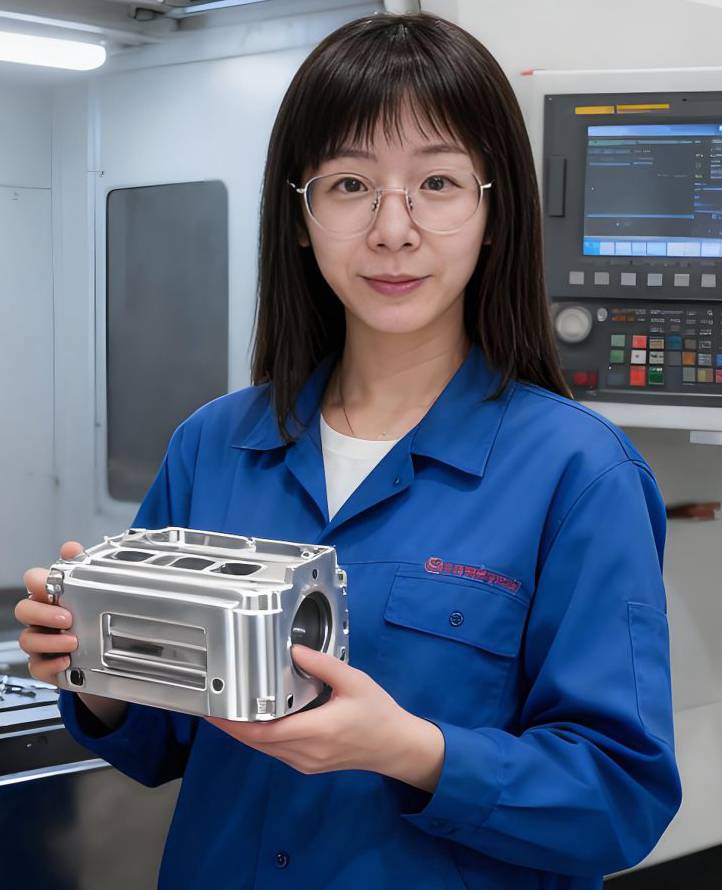
Sandra Gao
Founder, Worthy Hardware
Email: [email protected]
Website: www.worthyhardware.com
Hey, there, I”m Sandra . Sales manager of Worthy Hardware, with over 18 years of CNC Machining and Precision Stamping experience, Give us a try, will never let you down.Send us the parts for quote.