
What Are Machined Parts & Components? Benefits, Design, and Applications
Hello, I'm Sandra Gao, the sales of Worthy Hardware. For over a decade in the precision manufacturing industry, I've dedicated myself to one mission: helping engineers, innovators, and business owners worldwide turn their digital designs into tangible, high-precision components they can hold in their hands.
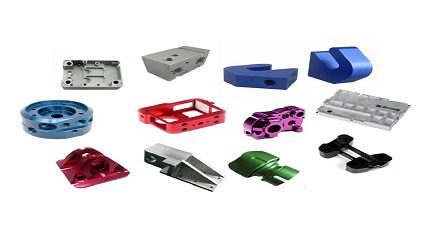
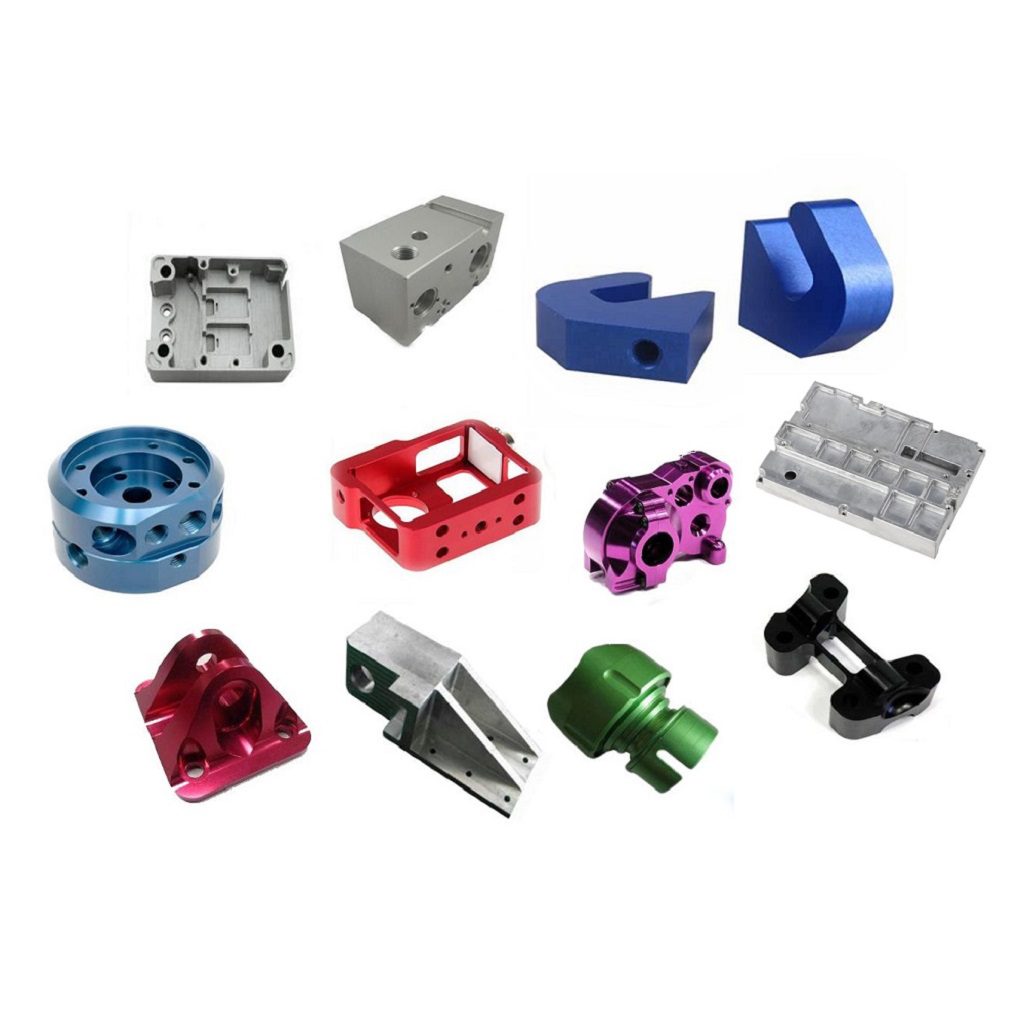
Machined parts are custom components created by removing material from a solid block using processes like cutting, turning, or milling . This method, often controlled by computers (CNC), transforms raw materials like metal or plastic into precise, functional parts based on a digital design .
When off-the-shelf components just won't do, custom machined parts are the answer. But navigating the world of custom manufacturing can be complex. This insider's guide will walk you through what CNC machined parts truly are and, more importantly, how to get them made right—on time and to your exact specifications.
What Exactly Qualifies as a "Machined Part" in Manufacturing?
Think of a machined part like a sculpture. We begin with a solid block of production-grade material—be it aerospace-grade aluminum, stainless steel, titanium, or an engineering plastic like PEEK. Then, using a process called "subtractive manufacturing," we precisely remove material with cutting tools until only your final design remains.
The core of this process is called "machining," which is a broad term for methods that use mechanical force to shape a workpiece This includes several key techniques:
- Turning: This is used for cylindrical parts. The workpiece rotates while a cutting tool moves along it, like shaping a leg for a table on a lathe .
- Milling: Here, the cutting tool rotates while the workpiece is held in place. It’s perfect for creating flat surfaces, slots, and complex shapes .
- Drilling: This is simply the process of creating holes in a workpiece
How Do CNC Machined Components Differ from Traditional Manufacturing Methods?
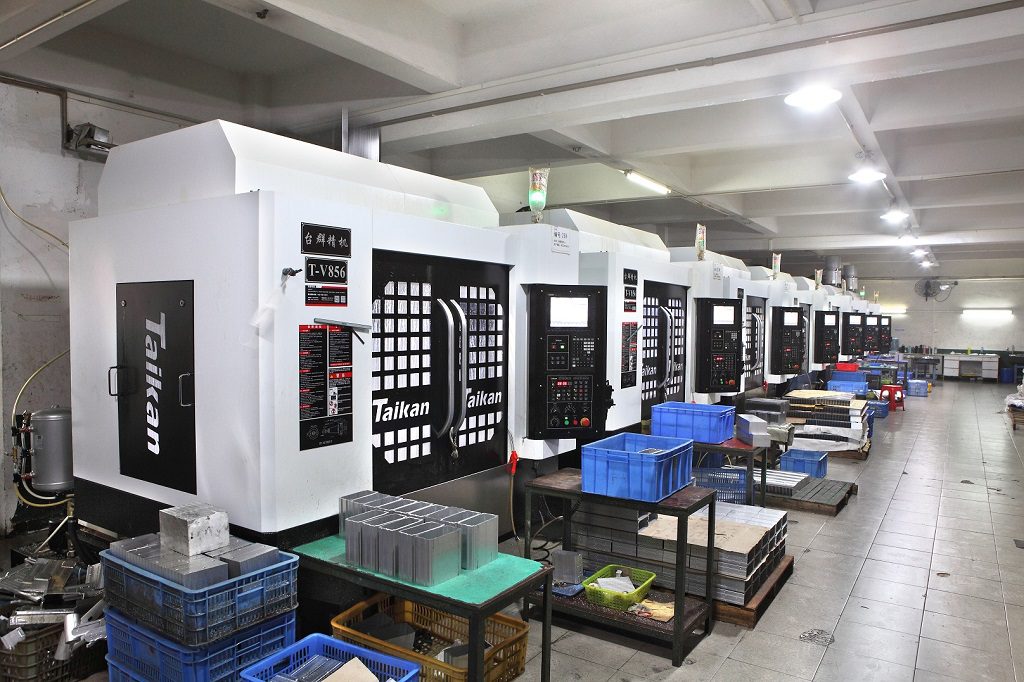
The biggest difference between modern CNC machining and older, traditional methods is the control system. "CNC" stands for Numerical Control Machining. This means we create a computer program based on the customer's design drawing. This program controls the machine's every move, from the tool's path to its speed .
Before CNC, a skilled machinist would manually control the machine. They would turn dials and pull levers to guide the cutting tool. This required immense skill and concentration, and it was hard to make every part exactly the same. I remember talking to veteran machinists who could tell by the sound of the machine if something was off.
At Worthy Hardware, this entire process is driven by CNC (Computer Numerical Control) technology. Every cut, every hole, and every contour is dictated by a computer program based on your CAD file. This provides three critical advantages:
- Extreme Precision: We can consistently hold standard tolerances of +/- 0.005" (+/- 0.127 mm). For mission-critical applications in aerospace or medical devices, our high-precision capabilities can achieve tolerances as tight as 0.001mm.
- Perfect Consistency: Whether you need a single prototype or a production run of ten thousand, CNC ensures that every part is virtually identical to the last.
- Total Design Freedom: From simple brackets to complex, multi-faceted geometries requiring 5-axis machining, CNC can bring your vision to life without compromise.
CNC Machining vs. 3D Printing vs. Molding: Making the Right Choice
This is a question I get all the time from customers like Mark. They have a design and need
his is a question I discuss daily with clients like Mark, a business owner from Canada who demands quality but is also cost-conscious. The right choice depends on three factors: Quantity, Material, and Precision.
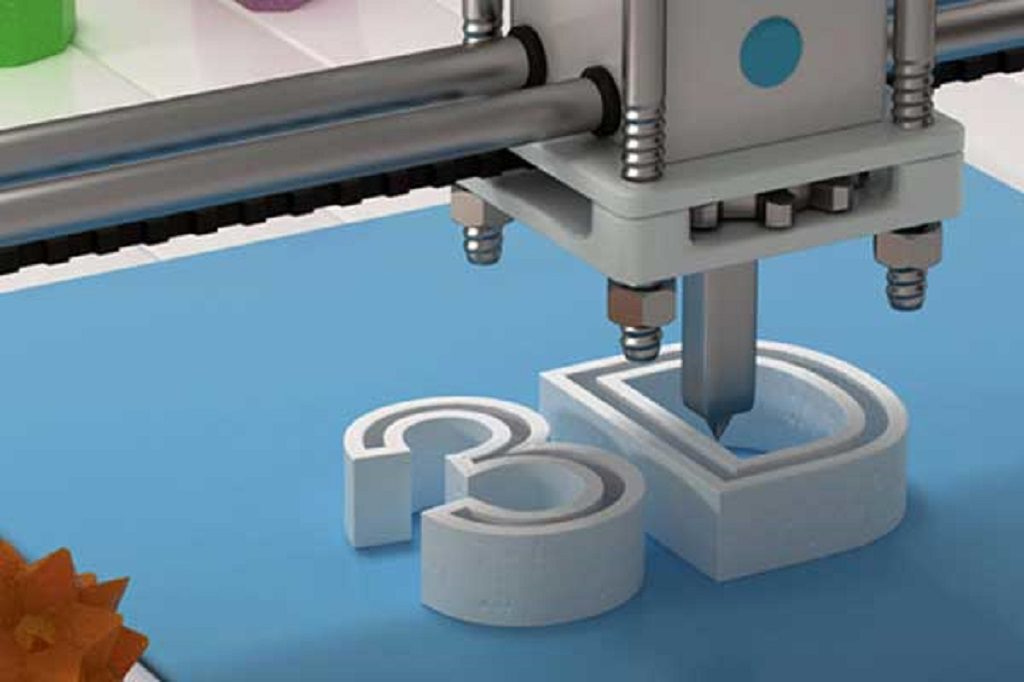
- CNC Machining vs. 3D Printing: 3D printing is excellent for quickly checking the form and fit of a design. However, for a functional prototype that needs to withstand real-world stress, CNC machining is the superior choice. We machine parts from solid blocks of the final production material, giving them true strength and mechanical properties that printed parts cannot replicate.
- CNC Machining vs. Injection Molding: Molding is the king of high-volume production, where parts can be made for pennies once the expensive mold is built. But that mold can cost thousands of dollars and take weeks to create.
- Our Advantage: CNC machining requires zero tooling investment. This makes it the ideal, cost-effective solution for quantities ranging from a single prototype to mid-volume production runs of several thousand pieces. With a standard lead time of just 3 business days, we help you get to market faster and adapt to design changes effortlessly.
My Rule of Thumb: Choose CNC machining when you need high precision, the strength of production-grade materials, and your quantity is not yet large enough to justify the high upfront cost of a mold.
Why Are Machined Parts Ideal for Prototyping and Small Production Runs?
Machined parts are perfect for prototyping and small production runs mainly because of speed and cost-effectiveness at low volumes. When an engineer is developing a new product, they need to test and change their design many times.
Here’s why machining works so well for this:
- No Upfront Tooling Costs: The biggest advantage is that we don't need to create an expensive mold or special tool. For injection molding, the mold is a huge investment. With CNC machining, we just need the digital design file and a block of material. This makes it affordable to produce even a single part.
- Fast Turnaround: Since we skip the long process of creating a mold, we can make parts much faster. I can often ship a customer's prototype within a few days of receiving their design. This speed is critical for keeping a project on schedule.
- Easy Design Changes: If a prototype doesn't work perfectly, it’s no problem. The engineer can simply adjust the design file and send it back to us. We can then machine the new version right away. This flexibility is essential during the design and testing phase of a product.
- Production-Grade Materials: Prototyping with the final material gives the most accurate test results. Machining allows you to test prototypes made from the exact same aluminum, steel, or plastic that will be used in the final product, which isn't always possible with other methods.
This combination of low initial cost, speed, and flexibility makes CNC machining the go-to choice for developing new products and for any production that requires multi-variety, small-to-medium batches .
How Do Undercuts and Complex Features Impact Machining Cost and Feasibility?
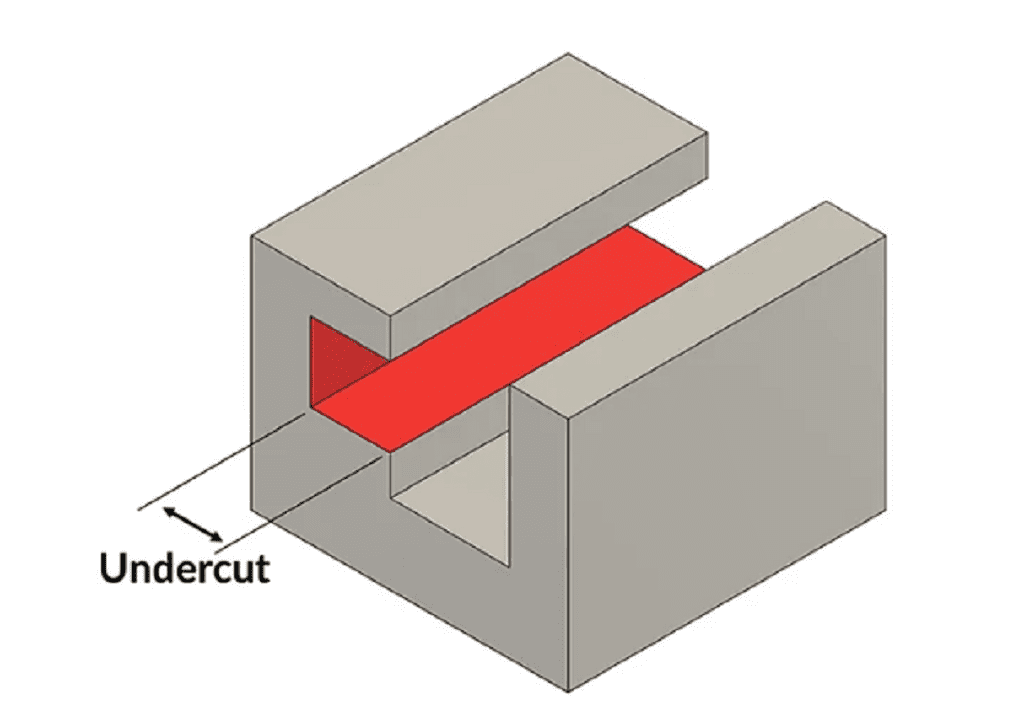
A part's final cost is determined not just by its material, but by its "manufacturability." Complex features like undercuts, deep pockets, or very thin walls can significantly increase machine time and, therefore, cost.
Undercuts and other complex features definitely have a big impact on both cost and feasibility. While modern CNC machines can create incredibly complex parts, these features often require more work, and more work means a higher cost.
An undercut is a feature that you can't see when looking at the part from directly above, like an internal groove inside a bore. To create these, we can't use a standard cutting tool coming straight down. We have to use special tools, like T-slot cutters, and often need a more advanced 5-axis CNC machine that can move the tool or the part in more complex ways.
This is where Worthy Hardware operates as more than just a supplier; we are your partner. Our team of 4 experienced engineers personally reviews every design before it hits the machine.
I remember a project for a client where a design called for an internal groove that required a special, custom-made tool. Our lead engineer identified this and proposed a minor design tweak—modifying a radius by half a millimeter. This change had zero impact on the part's function but allowed us to use a standard tool. That single suggestion saved our client nearly 30% on the part cost and shaved two days off the delivery time. That is the value we bring to every project.
Which Materials Deliver Optimal Performance in Precision Machined Components?
The "best" material is always the one that best suits your specific application. With over 100+ metals and plastics in our inventory, we have the expertise to guide you.
- Aerospace & Defense: Titanium and 7075 Aluminum for their incredible strength-to-weight ratio.
- Medical & Dental: 316 Stainless Steel and PEEK for their biocompatibility and corrosion resistance.
- Electronics & Consumer Products: 6061 Aluminum is a favorite for its excellent machinability, thermal conductivity, and beautiful finish after anodizing.
- Industrial & Automation: Carbon Steel, Tool Steel, and Delrin provide the durability and wear resistance needed for hardworking machinery.
Furthermore, we offer a one-stop solution with 50+ surface finishing options, including anodizing, powder coating, plating, and polishing, to ensure your components have the exact protective and aesthetic properties you require.
How Tight Can Tolerances Be Achieved in High-Precision CNC Machining?
This is a great question because "high precision" can mean different things to different people. In our world, we can get incredibly accurate. With a technology called ultra-precision machining, it's possible to achieve dimensional and shape errors below 0.1 micrometers . That is extremely small.
To get to that level of accuracy, we use a process called "finish machining," where we carefully remove a very small amount of material to get the part just right The surface finish of a part is also closely related to how tight the tolerances can be. While our standard "as-machined" finish is very good, parts that need the tightest possible dimensional tolerances often get a finer finish .
For example, we can use "fine machining" or "polishing" to create a much smoother surface . These extra steps remove any tiny imperfections and allow us to hold the tightest dimensional tolerances for the most critical components . The key thing I tell my clients is to specify the exact tolerance they need on their drawings. That way, we can plan the right process to guarantee we hit their number.
Which Industries Benefit Most from High-Precision Machined Components?
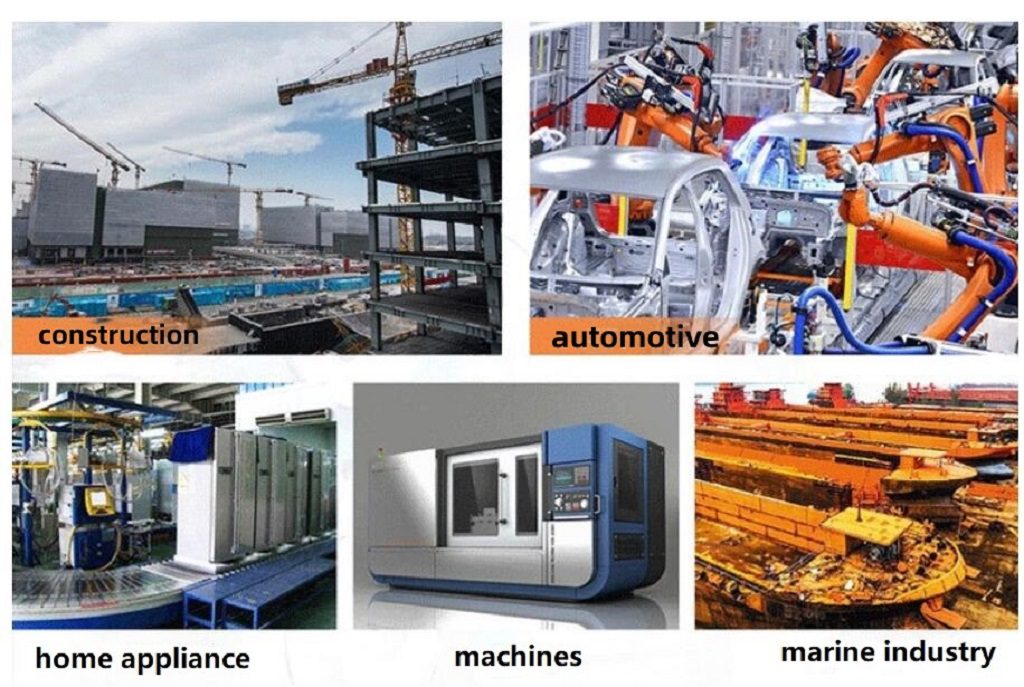
Many industries need high-precision parts, but some absolutely depend on them. In these fields, a tiny error in a component's size or shape could lead to a major failure.
The aerospace industry is a perfect example. They use materials like Titanium because it is extremely strong for its weight and can handle very high temperatures . Components for airplanes and spacecraft have to fit together perfectly and withstand incredible stress, so the precision must be exact.
The medical industry is another one. Surgeons and doctors rely on tools and implants that are made with incredible accuracy. Materials used in medical devices often need to be biologically inert, meaning they don't react with the human body . We make parts from materials like titanium, which is nontoxic , for this very reason. There is no room for error when a part is going inside a patient.
We also see a huge demand from the electronics industry. Think about the tiny parts inside your phone or computer. We make components like electronic radiators and battery connectors that must be made to very precise dimensions to work correctly .
In short, any industry where safety, reliability, and performance are the top priorities will benefit from high-precision machined components.
What Key Factors Should You Consider When Selecting a CNC Machining Partner?
Choosing the right partner is more critical than finding the lowest price. Many of my best clients, like Mark, came to us after suffering from poor communication, missed deadlines, and quality issues with previous suppliers. At Worthy Hardware, we are built to solve these exact problems.
- Transparent & Efficient Communication: You get direct access to our team. We provide rapid responses to your emails and inquiries, ensuring you always know the status of your project.
- Uncompromising Quality: This is our foundation. We enforce a 100% inspection policy. Every single part we ship is meticulously checked for dimensional accuracy and cosmetic perfection against your drawings.
- Reliable Delivery: We understand that time is money. Our flexible production scheduling and efficient processes ensure we meet the delivery dates we promise.
- A True End-to-End Solution: From initial prototype to mass production, from complex machining to final surface finishing, we manage your entire project under one roof, saving you the headache of coordinating multiple vendors.
Conclusion
Bringing a great idea to life requires a great manufacturing partner. At Worthy Hardware, we are more than a supplier; we are an extension of your team.
If you are ready to start your next project or would like a free Design for Manufacturability review of an existing part, I invite you to send your file to me directly.
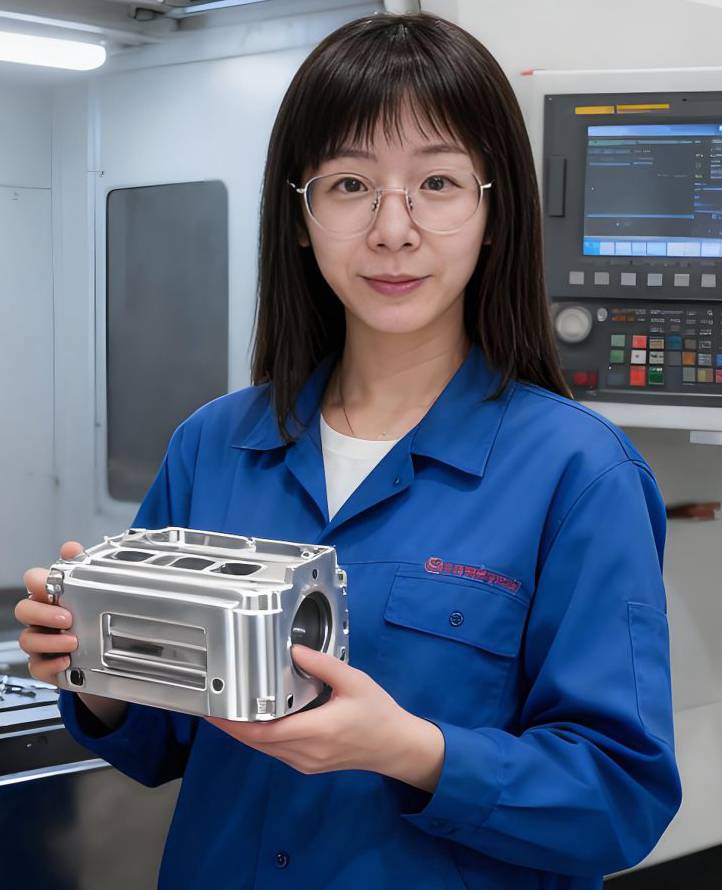
Sandra Gao
Founder, Worthy Hardware
Email: [email protected]
Website: www.worthyhardware.com
Hey, there, I”m Sandra . Sales manager of Worthy Hardware, with over 18 years of CNC Machining and Precision Stamping experience, Give us a try, will never let you down.Send us the parts for quote.