
What Materials Can Be CNC Machined: A Complete Material Selection Guide?

Choosing CNC materials can be tricky. Make the wrong pick? You waste time and money. This guide makes material selection easy for your next project.
CNC machines handle many materials. These include metals like aluminum and steel. They also work with plastics like ABS and PEEK. Even wood and composites are possible.
You now have a basic idea of the wide range of materials. But there is more to learn to make the best choice. We need to look closer. This will help you pick the perfect material for your specific needs. Let us explore the details together.
What materials can be cut on a CNC machine?
Are you wondering about CNC cutting limits? You might feel unsure if your chosen material will work. Let's look at the broad selection available.
CNC machines can cut many things. They cut metals like aluminum, steel, brass, and titanium. They also cut plastics like ABS, acrylic, nylon, and PEEK. Wood and composites like carbon fiber are also common.
CNC machining is very versatile. It can work with a huge list of materials. At my company, Worthy Hardware, we have experience with over 100 different materials. This means we can help you with almost any project.
Let's break down the main categories:
Metals
Metals are very common in CNC machining.
-
Aluminum: This is popular because it is light. It is also easy to machine and resists rust. We make many aluminum parts like 6061 and 7075 grades.
-
Steel: Steel is strong and durable. There are many types, like carbon steel and alloy steel.
-
Stainless Steel: This type resists rust very well. It is great for medical or food-grade parts. Examples include 304 and 316.
-
Brass and Copper: These are good for electrical parts. They conduct electricity well. They are also easy to machine.
-
Titanium: Titanium is very strong and light. But it is harder to machine. It is used in aerospace and medical devices.
-
Others: We also machine magnesium, zinc, lead, and tool steel.
Plastics
Plastics are great for many applications. They are often lighter and cheaper than metal.
-
ABS: This is a common, tough plastic. Good for prototypes.
-
Acrylic (PMMA): This is clear like glass. Good for displays.
-
Nylon: Strong and has low friction. Good for gears and bearings.
-
Delrin (Acetal/POM): Very machinable, stiff, and low friction.
-
PEEK: High-performance plastic. It handles heat and chemicals well.
-
Polycarbonate (PC): Very strong and impact-resistant.
-
Others: We also work with HDPE, PTFE (Teflon), UHMW PE, PVC, and ULTEM.
Woods
Wood can also be CNC machined. This is often for custom furniture or patterns.
-
Hardwoods (like oak, maple)
-
Softwoods (like pine, fir)
-
Engineered woods (like MDF, plywood)
Composites
Composites offer unique properties.
-
Carbon Fiber: Very strong and very light. It needs special tools.
-
Garolite (G-10/FR4): Strong, stiff, and electrically insulating.
As you can see, CNC machines are not limited to just a few materials. The choice really depends on what you need your part to do.
What are the key factors for selecting materials for CNC machining?
So many materials, how do you choose? Picking the wrong one can cause your project to fail. You should consider these key factors for success.
Key factors include mechanical strength and hardness. Also, consider how easy it is to machine, its cost, and if it resists rust. Weight and heat properties matter too.
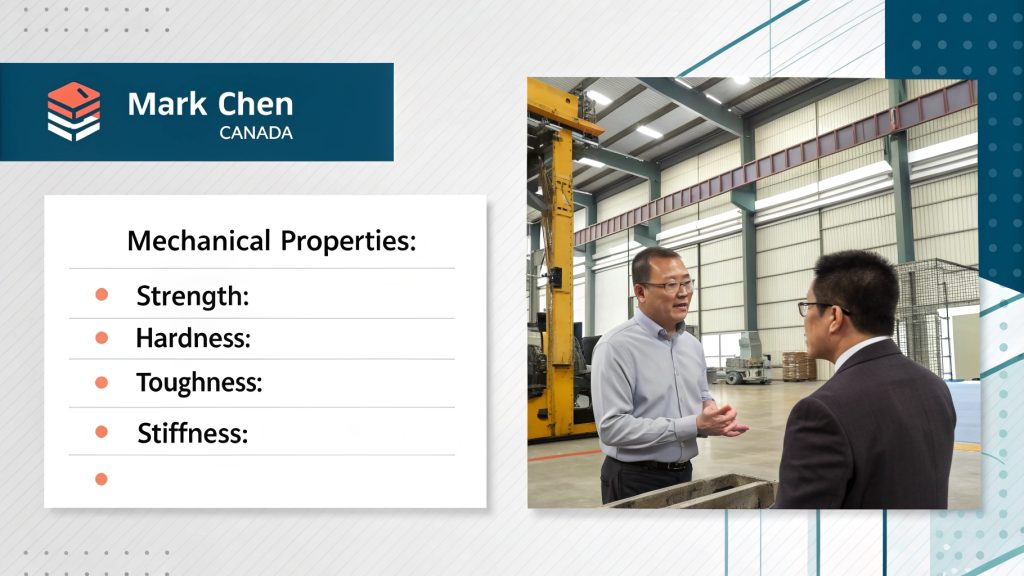
Choosing the right material is a big step. I always tell my clients, like Mark Chen from Canada, that we need to balance features and cost. Mark wants top quality but also good prices. Here are the things we think about:
-
Mechanical Properties: This is about how the material behaves under force.
-
Strength: How much force can it take before it bends or breaks?
-
Hardness: Can it resist scratches or dents?
-
Toughness: Can it absorb energy without breaking?
-
Stiffness: How much does it bend under load?
-
-
Machinability: How easy is it to cut the material? Some materials, like certain grades of aluminum, are very easy to machine. Others, like titanium or some superalloys, are much harder. Harder materials mean longer machining time and more tool wear. This increases cost.
-
Cost: Material cost varies a lot. Common aluminum is cheaper than PEEK or titanium. You also need to think about the machining cost. A cheaper material that is hard to machine might end up costing more overall.
-
Corrosion Resistance: Will the part be exposed to moisture or chemicals? If so, you need a material that will not rust or break down. Stainless steel or some plastics are good for this.
-
Weight: Is weight important for your part? For aerospace or automotive parts, lighter materials like aluminum or composites are often chosen.
-
Thermal Properties: Will the part get hot or cold? Materials expand and contract with temperature changes. Some materials conduct heat well, others insulate. This can be very important.
-
Application Requirements: What will the part actually do? What environment will it be in? Does it need to conduct electricity? Is it a visual part where looks matter? The end-use is always the most important guide.
Thinking about these factors helps us at Worthy Hardware guide you to the best material. We want your parts to work perfectly and be cost-effective.
What materials are machined on a milling machine?
Milling is very flexible. But what materials work best with it? You might not be sure if your material is good for milling. Let's find out.
Milling machines often cut metals like aluminum, steel, and stainless steel. They also work well with plastics like Delrin and ABS. Sometimes wood is milled too.
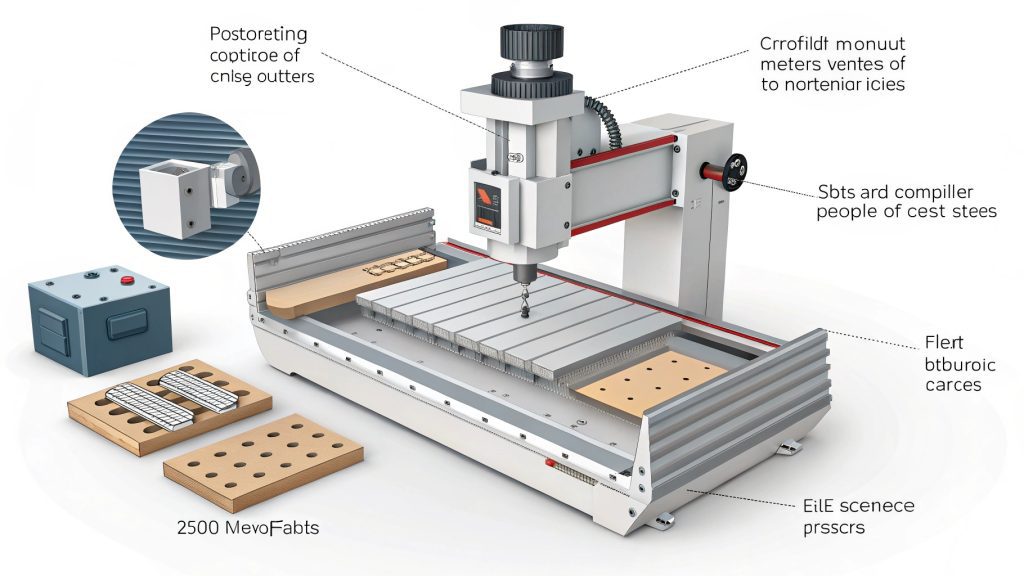
CNC milling uses rotating cutters to remove material. It can create complex shapes, slots, holes, and flat surfaces. At Worthy Hardware, our milling machines can handle parts up to 2,032 x 1,219 x 610 mm. So we can make big parts too!
Here are materials commonly used in CNC milling:
Metals
-
Aluminum (e.g., 6061, 7075): This is a favorite for milling. It's lightweight, strong enough for many uses, and machines very well. Chips clear easily, and you can get a great surface finish.
-
Steel (e.g., Carbon Steel, Alloy Steel): Steel is stronger than aluminum. It is used for parts that need high durability. It takes longer to mill than aluminum.
-
Stainless Steel (e.g., 303, 304, 316): Chosen when corrosion resistance is key. It's a bit tougher to mill than regular steel but very doable. 303 is easier to machine than 304 or 316.
-
Brass: Easy to mill and gives a good finish. Often used for fittings and decorative parts.
-
Copper: Good for electrical components due to its conductivity. It is soft and can be a bit gummy to mill.
-
Titanium: Used for high-strength, low-weight applications like in aerospace. It's challenging to mill. It needs specific tools, speeds, and feeds.
Plastics
Plastics are generally easy to mill. They don't wear out tools as fast as metals.
-
Delrin (Acetal/POM): Mills beautifully. It holds tight tolerances and gives a smooth finish.
-
ABS: A common thermoplastic. Good for prototypes and functional parts.
-
Nylon: Strong and wear-resistant. Can be a bit flexible, so proper support is needed during milling.
-
Polycarbonate (PC): Very tough. Mills well but can sometimes chip if not careful.
-
PEEK: High-performance plastic. It mills well but is more expensive.
Woods and Composites
-
Wood (Hardwoods, Softwoods, MDF): Often milled for custom designs, molds, or prototypes.
-
Carbon Fiber Composites: Can be milled, but the dust is a concern. It also wears tools quickly. Special diamond-coated tools are often used.
The choice of material for milling depends on what your part needs to do. We always check the design and help select the best material for milling.
What factors should be taken into consideration when selecting stock for CNC machining?
Choosing stock material seems simple. But is it really? The wrong stock form or size wastes material and time. You should consider these factors for efficient machining.
When selecting stock, think about material type and form (bar, plate). Also, consider size (near-net shape is best), quantity, cost, and any pre-existing material conditions.
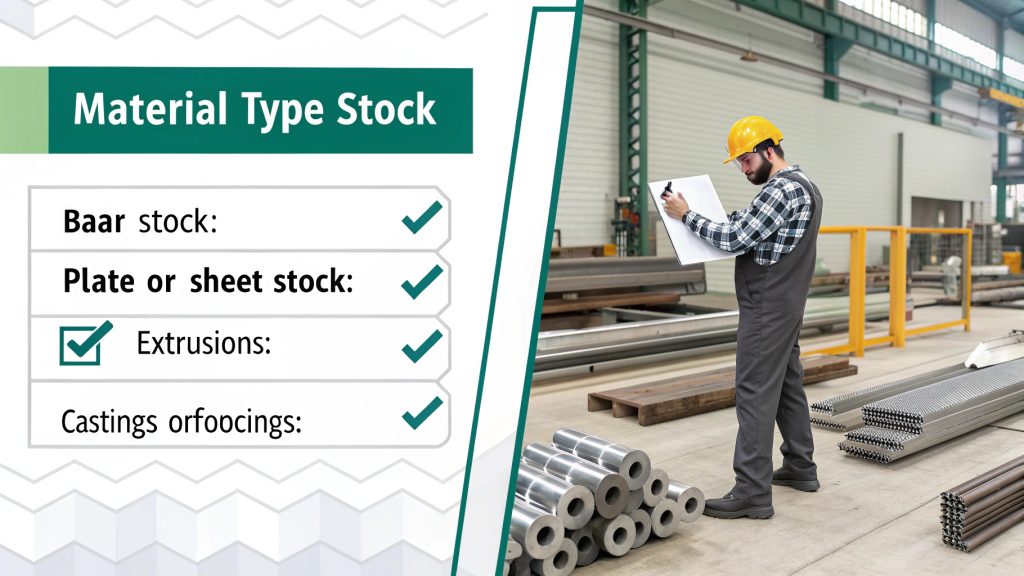
Selecting the right raw material, or "stock," is important. It affects cost and how easy it is to make your part. At Worthy Hardware, we often help customers choose the best stock. This is part of how we help them improve designs and save costs. Here's what to think about:
-
Material Type: This is your first big decision, as we've discussed. Is it aluminum, steel, plastic? This choice guides everything else.
-
Stock Form: Materials come in different shapes.
-
Bar Stock: These are long pieces, either round, square, or hexagonal. Good for parts made on a lathe, or for milling smaller blocky parts.
-
Plate or Sheet Stock: These are flat pieces of various thicknesses. Good for parts that are mostly flat, or for cutting out profiles.
-
Extrusions: These are special shapes, like L-channels or T-slots, already formed. Using an extrusion close to your final part shape can save a lot of machining.
-
Castings or Forgings: For complex parts or high volumes, starting with a cast or forged blank (a near-net shape) can be very cost-effective. It reduces machining time.
-
-
Size and Near-Net Shape: You want stock that is slightly larger than your final part. Not too big, or you waste material and machining time. Not too small, or you can't make the part.
A "near-net shape" means the stock material is already close to the final part's shape. This is ideal because it means less material to remove. Less removal means faster machining and lower cost. Our engineers can help figure this out.
-
Quantity: How many parts do you need? For one prototype, you might use whatever standard stock is easily available. For mass production (we do high-volume CNC machining), optimizing the stock size and form is very important to keep costs down.
-
Cost-Effectiveness: The cheapest raw material isn't always the cheapest overall. If a slightly more expensive near-net shape stock saves a lot on machining hours, it might be the better deal. We look at the total picture.
-
Material Condition:
-
Heat Treatment: Is the material annealed (softened for easier machining) or already hardened to its final state? Machining hardened material is tougher.
-
Internal Stresses: Some stock materials can have internal stresses. These can cause a part to warp after machining.
-
Surface Finish: The surface finish of the raw stock might matter for some applications, or it might all be machined away.
-
Thinking about these stock factors helps ensure a smooth and efficient CNC machining process. It's an area where our experience really helps our customers.
Conclusion
CNC machining works with many materials. Metals, plastics, and even wood are possible. Careful material choice based on use, properties, and cost leads to success.
If you have a project and need custom CNC parts, Worthy Hardware is here to help. We are based in China and serve customers worldwide, including in Singapore, North America, and Europe. We offer CNC milling, turning, 5-axis machining, and more. We work with over 100 materials and can achieve very tight tolerances, even down to +/- 0.001mm. All our products get 100% inspection. My name is Sandra Gao, and you can reach me at [email protected] or visit our website at www.worthyhardware.com for a quote. We have no MOQ, from prototype to mass production, and offer flexible delivery. Our experienced engineers can also help you optimize your design for manufacturing and cost savings.