
Everything You Need to Know About Micro Stampings

Micro stamping is a precision manufacturing process that involves stamping incredibly small, detailed designs into metal or plastic components. It’s used for creating parts that need fine detail, high volume, and excellent consistency. In this post, we’ll explore what micro stamping is, how it works, and why it’s crucial in the world of precision manufacturing.
Intrigued? You should be! Stick with me, and you’ll soon see why this seemingly simple process has a major role in some of the world’s most cutting-edge technologies. Let’s dive deeper into the magic of micro stamping!
What is Micro Stamping?
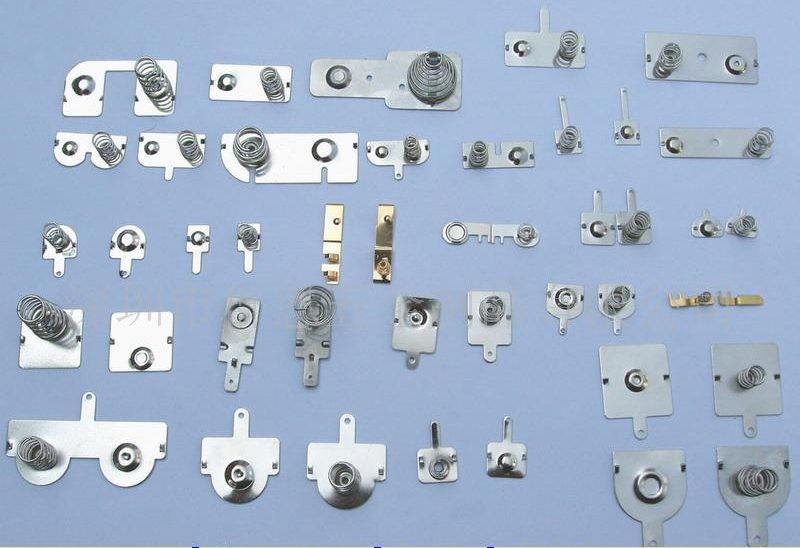
Micro stamping is a highly specialized manufacturing process that involves creating extremely small, precise shapes or patterns on metal or plastic materials. It’s called “micro” because the dimensions of the parts being stamped are usually measured in millimeters or even microns.
These parts can be as tiny as the tip of a needle or as detailed as the intricate circuitry in your smartphone. The beauty of micro stamping lies in its ability to produce thousands of identical, high-quality parts at a fast pace—essential in industries where precision is paramount.
The process itself involves using a die and press system to apply extreme pressure to the material, forcing it into the shape of the die. It’s like using a cookie cutter, but for metal or plastic and at a much, much smaller scale. The resulting stamped parts can be used for a variety of applications, from electronics to medical devices. In short, if you’ve ever used something tiny but intricate, chances are micro stamping played a part in its creation.
What Are the Advantages of Micro Stamping?
Micro stamping isn’t just about making things small—it’s about making things better. One of the biggest advantages of micro stamping is its ability to produce parts with incredibly high precision. Whether you're talking about tiny connectors in a computer or miniature components in a medical device, micro stamping ensures that each part is nearly identical to the last. This consistency is essential for industries that require tight tolerances.
Another major benefit is speed. Once the die is created, micro stamping can produce thousands of parts in a short amount of time. This makes it an ideal solution for high-volume production. Plus, the process minimizes waste, which is great for both cost-efficiency and sustainability.
Micro stamping also allows for complex designs that would be impossible or incredibly costly to achieve using traditional methods. The precision and flexibility of this technique are what make it a go-to for industries ranging from aerospace to electronics. It’s a win-win: high-quality, cost-effective, and fast.
What Are the Different Types of Micro Stamping Techniques?
Deep Draw
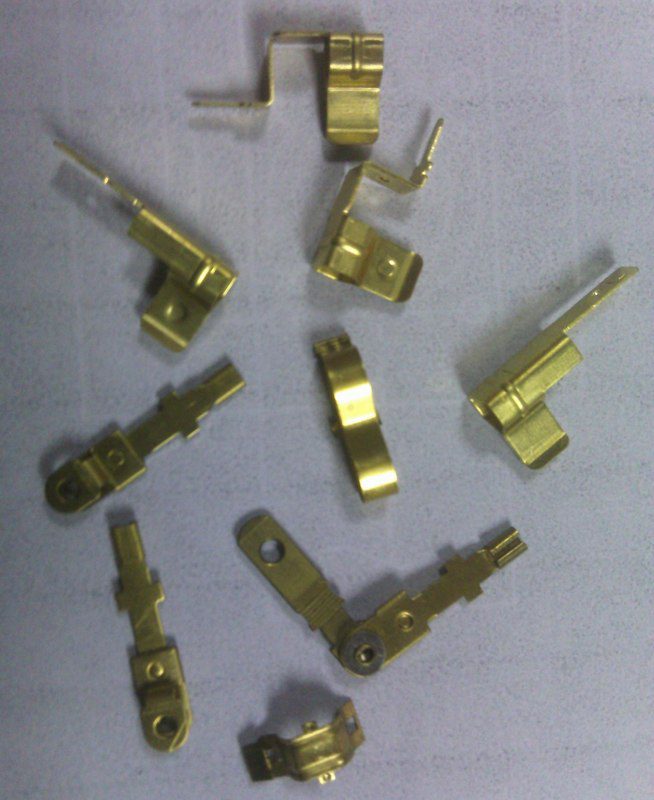
Deep drawing is a technique where a flat sheet of material is drawn into a die to form a cup-like shape. This is often used when the part needs to have a deep, hollow cavity with smooth sides, like the body of a tiny casing. It's a crucial method when working with metals that need to maintain their structural integrity while being shaped into complex forms.
Bending
Bending is exactly what it sounds like—shaping a part by applying pressure to bend it into a new angle or curve. This is ideal for parts that need to fit into tight spaces or require a specific angle. Bending is one of the simplest techniques in micro stamping but still requires precision to ensure the part maintains its functionality and durability.
Forming
Forming is a more versatile technique, where the material is shaped or molded into a desired form by applying pressure. It’s often used to create parts with non-linear shapes or intricate patterns. The beauty of forming is that it allows for more flexibility, enabling the creation of customized, detailed parts that may not be achievable with other methods.
Progressive Die
Progressive die stamping is a technique that allows multiple operations to be performed in a single stroke. Imagine a conveyor belt with a series of dies that progressively shape the material as it moves through. This method is highly efficient because it combines several steps—like cutting, bending, and forming—into one continuous process.
It’s perfect for high-volume production where consistent precision is needed for small, intricate parts. Plus, with progressive die stamping, the parts are typically ejected from the die automatically, speeding up the overall process and reducing manual labor.
Single Stroke
Single stroke stamping is the simplest form of stamping where each operation is completed in one go. The material is placed in the die, and a single press creates the desired shape. While it may not offer the same speed or complexity as progressive die stamping, single stroke stamping is often used for less intricate designs or for parts that don’t require multiple operations in one pass. It’s a reliable method when you’re producing fewer parts or need a simpler design.
Compound Tool
Compound tool stamping combines two or more stamping operations—such as cutting and bending—into a single stroke. This is similar to progressive die stamping, but the difference lies in the tool design. With compound tools, multiple steps happen in a single die, making the process faster and more efficient for small, complex parts.
The compound tool is often used when parts need to be produced with precision but at a lower cost than progressive dies, making it a versatile and budget-friendly option for many manufacturers.
What Are the Main Applications of Micro Stamping?
Micro Battery Contacts
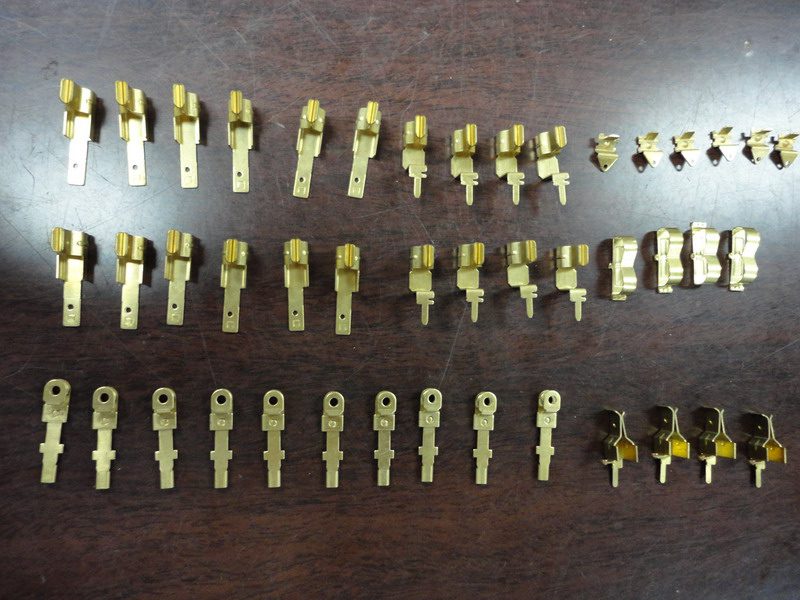
Micro battery contacts are used in various small electronic devices, such as hearing aids, smartwatches, and medical implants. These tiny components need to be extremely precise to ensure a reliable connection, making micro stamping the perfect technique for producing them in high volumes.
Jumper Chips
Jumper chips are used in a variety of electronics to make temporary connections on circuit boards. These components require precise stamping to ensure they fit into tight spaces without disrupting the overall functionality of the device. Micro stamping allows for the production of these tiny parts with high accuracy.
Micro Connectors
Micro connectors are often found in devices like smartphones, laptops, and cameras. They’re crucial for connecting different components of the device together while maintaining a compact size. Micro stamping allows for the creation of these connectors with the precision needed to ensure they function correctly in high-density applications.
Precision Metal Stamps for Circuit Boards
For circuit boards, micro stamping is used to create precise, intricate metal parts like pins, leads, and connectors. These parts need to be durable and finely detailed to ensure they perform reliably in devices such as computers, telecommunication equipment, and medical devices.
Watch Components
In the watchmaking industry, many of the tiny, intricate components inside watches—such as gears, springs, and fasteners—are created using micro stamping. The high precision required for these components makes micro stamping an ideal technique, ensuring both functionality and longevity.
Medical Devices & Implants
Medical devices, such as pacemakers, sensors, and surgical instruments, often contain small, intricate parts that need to be manufactured with high precision. Micro stamping is used to produce these parts with minimal risk of error, ensuring the safety and effectiveness of the medical devices.
Miniature Springs
Miniature springs are used in a wide range of applications, from automotive to electronics to medical equipment. Micro stamping is used to produce springs with extremely fine tolerances, allowing them to work effectively in devices where space is at a premium.
RFID Components
Radio Frequency Identification (RFID) components, which are used in everything from inventory tracking to access control systems, require small and precise metal parts. Micro stamping is used to create these components, ensuring they function properly in high-frequency environments.
Optical Components
In industries like consumer electronics and medical devices, optical components such as lenses and reflective surfaces need to be produced to tight specifications. Micro stamping enables the creation of these components with the precision required for their functionality, particularly in devices like cameras and sensors
How Accurate is Micro Stamping?
Micro stamping is incredibly accurate, often achieving tolerances as tight as ±0.002 inches (0.05 mm). This precision ensures that even the smallest components fit perfectly in high-performance applications.
Conclusion
Micro stamping is a game-changing process that allows for the production of highly detailed, precision parts used in everything from electronics to medical devices. If you need high-quality, reliable micro-stamped components, don’t hesitate to reach out to us. Contact us today for more information or to discuss your project!
FAQs
- What materials can be used for micro stamping?
Micro stamping can be done on a variety of materials, including metals like stainless steel, copper, aluminum, and even certain plastics. - Is micro stamping cost-effective for high-volume production?
Yes, once the die is created, micro stamping is highly efficient for large-scale production, reducing costs per unit significantly. - What industries use micro stamping?
Micro stamping is used in a wide range of industries, including electronics, medical devices, automotive, and aerospace.