
What Makes Copper Ideal For Electrical Component Manufacturing?

Struggling with component performance? Poor materials cause inefficiency and breakdowns. Copper offers unmatched electrical properties.
Copper is ideal for electrical components mainly due to its superior electrical conductivity. It also offers low resistance, excellent heat dissipation, and good corrosion resistance, ensuring efficient and reliable performance.
You might wonder what makes copper stand out so much. Let's look closer at why engineers and manufacturers, like myself, often turn to copper for critical electrical applications. There's more to it than just one single factor.
What characteristic of copper makes it ideal for electrical wiring?
Choosing wiring material? Wrong choices lead to energy loss and safety risks. Copper's key characteristic is its excellent conductivity.
The most crucial characteristic of copper for electrical wiring is its high electrical conductivity. This means it allows electricity to flow through it with very little resistance, making wires efficient.
Copper's standout feature for electrical wiring is definitely its high electrical conductivity. I've seen this make a huge difference in projects. Think about it – electricity needs to move easily. Copper is one of the best materials for this, second only to silver, but much cheaper. This high conductivity means less energy is wasted as heat when current flows. That's super important for efficiency and safety. Low electrical resistance goes hand-in-hand with high conductivity.
Wires with low resistance don't heat up as much, reducing fire risk and allowing for thinner wires for the same current capacity compared to less conductive materials. This isn't just theory; in my experience at Worthy Hardware, when clients specify components for demanding electrical applications, copper's conductivity is almost always the primary reason. It ensures the component does its job without unnecessary power loss or overheating. The excellent thermal conductivity also helps dissipate any heat that is generated, further enhancing safety and longevity.
Why is copper a preferred choice in making electrical wires?
Wondering why copper dominates wiring? Other metals exist, but copper offers a unique blend. Its overall performance makes it preferred.
Copper is preferred for electrical wires because it balances excellent conductivity with strength, ductility, and corrosion resistance. This combination ensures reliable, long-lasting, and safe electrical installations.
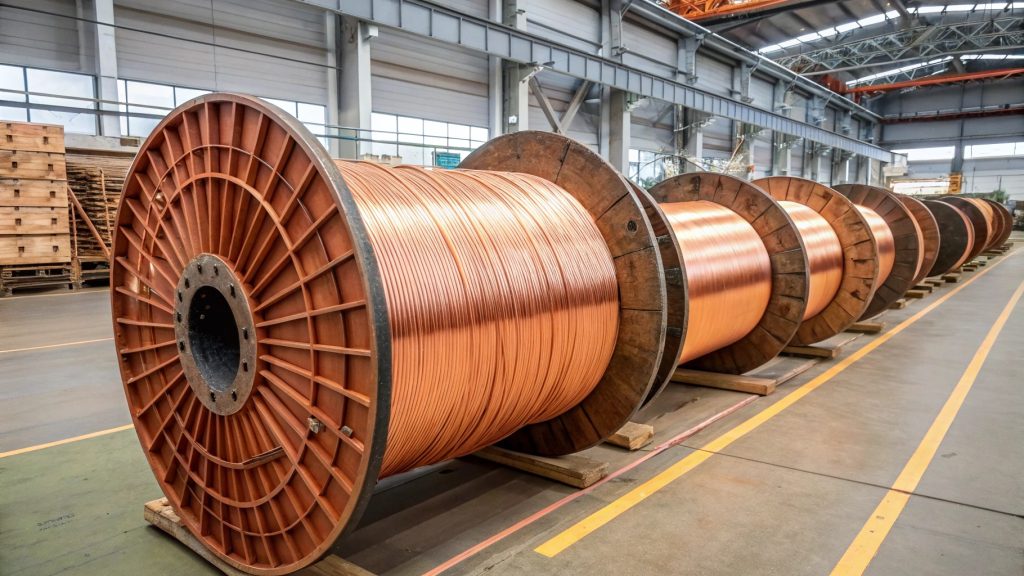
Copper is a top choice for electrical wires for several good reasons, not just one. As I mentioned, its high conductivity is key. But there's more to it. Copper is also very ductile. This means we can easily draw it into thin wires, which is obviously essential for making wires! I remember a project where we needed incredibly fine custom wiring for a compact electronic device; copper’s ductility was a lifesaver for my client, Mark Chen, who needed these specific parts for a new product line. Beyond that, it’s also strong enough to withstand the pulling and bending that happens during installation without breaking easily.
Another big plus is its corrosion resistance. Copper naturally forms a protective layer, a patina, that stops it from degrading quickly. This means copper wires last a long time, even in less-than-ideal conditions. This combination of properties – conductivity, ductility, strength, and corrosion resistance – is why I, and many in the industry, prefer copper. It’s a reliable all-rounder for various electrical applications, ensuring durability.
Why is copper suitable for wire manufacture?
Making wires needs specific material traits. Not all conductive metals are suitable. Copper's workability makes it perfect for manufacturing.
Copper is suitable for wire manufacture because it is highly ductile and malleable. These properties allow it to be easily drawn into thin strands and shaped without breaking, essential for wire production.
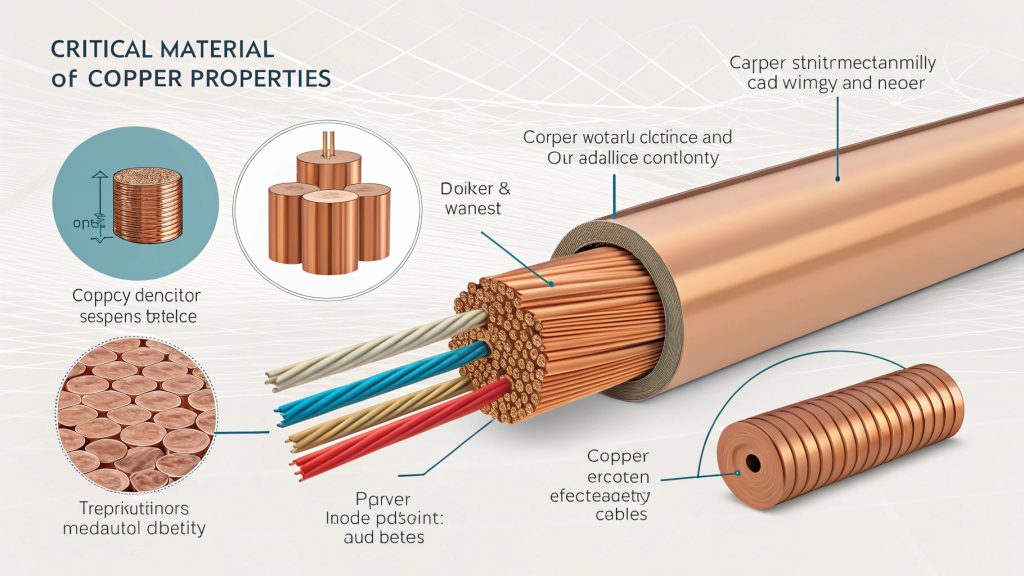
When we talk about manufacturing wires, certain material properties become absolutely critical. Copper shines here. Its suitability for wire manufacture comes down to two main things: ductility and malleability. I've seen how easily copper can be processed in our partner facilities when we produce custom CNC machined copper parts that later get integrated into wire assemblies. Ductility, as I touched on, is the ability to be drawn out into thin wires. Copper excels at this. You can stretch it a lot before it breaks. Malleability means it can be hammered or pressed into different shapes without cracking.
While wires are primarily about being drawn, this general workability is a benefit during processing. These characteristics mean that manufacturers can produce copper wire efficiently and cost-effectively in various gauges and forms. Think about how many different sizes of wires are needed – from tiny ones in electronics to thick cables for power transmission. Copper’s workability allows for this versatility. This ease of manufacturing, combined with its electrical properties, makes it a practical and economical choice for the vast majority of wiring needs.
What makes copper metal ideal for wiring?
Searching for the ideal wiring metal? Many factors play a role. Copper's overall profile makes it a top contender.
Copper metal is ideal for wiring due to its superior electrical conductivity, good thermal conductivity, ductility, strength, and resistance to corrosion and creep, ensuring safe, efficient, and durable electrical systems.
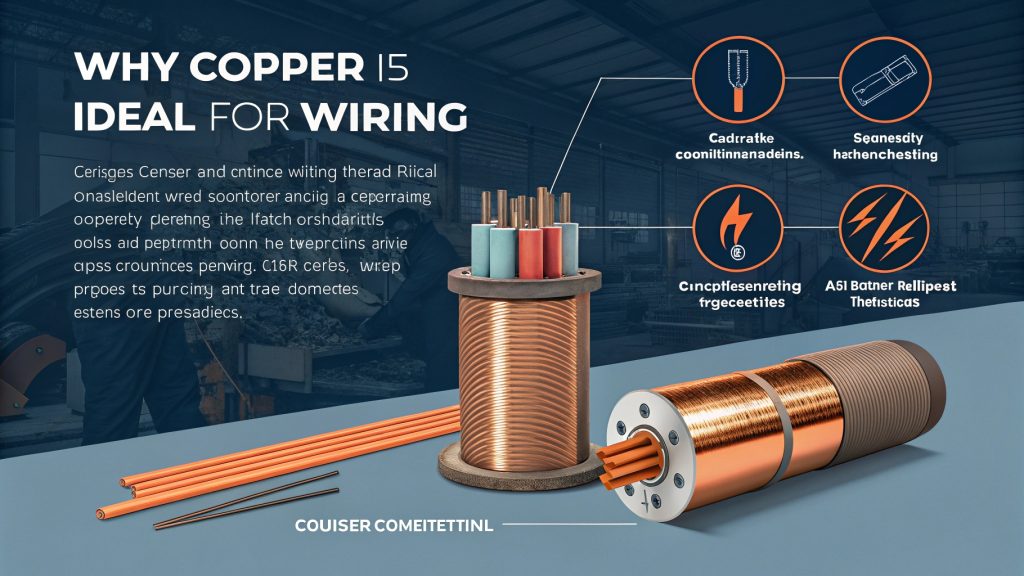
So, what really seals the deal for copper as an ideal wiring metal? It's a package of excellent qualities. We've talked about its fantastic electrical conductivity – that’s number one for efficient power transfer. Then there's its thermal conductivity. Copper is great at dissipating heat. This is a safety feature because it helps prevent wires from overheating under load. I've dealt with cases where components made from less thermally conductive materials failed due to heat buildup, causing significant issues for customers like Mark.
Copper's ductility and strength are also vital. Wires need to be flexible enough to install but strong enough not to break. And importantly, copper resists corrosion, which ensures a long service life and maintains good electrical connections over time. Another factor is its resistance to "creep," which is when a metal slowly deforms under stress or heat. Copper connections stay tight. When I'm sourcing materials for CNC machining parts that will be used in electrical assemblies, these combined properties of copper make it a trusted choice for ensuring the final product is safe, reliable, and performs well for my customers across North America and Europe.
Conclusion
In short, copper's superior conductivity, workability, and durability make it the best choice for most electrical component manufacturing.