
When to Choose Short Run vs Mass Production Metal Stamping?
Feeling unsure about the right stamping process for your parts? Picking the wrong one can cost you a lot of time and money, and cause big headaches later.
The best choice depends on your project's volume, complexity, and budget. Use short run stamping for low-volume orders or prototypes. It has lower tool costs. Choose mass production with progressive dies when you need high volumes of complex parts efficiently and with tight tolerances.
Making the right decision from the start is one of the most important things you can do. A bad choice can lead to budget overruns or parts that don't meet your quality standards. I've seen clients struggle with this, and I want to help you avoid those problems. We'll look at the details of each process, so you can confidently pick the one that fits your needs perfectly. Let's get started.
What are the four types of metal stamping?
Are you confused by all the different stamping terms? This confusion can lead to problems when talking to your supplier. Let's make the main types of stamping very clear.
The four main types are progressive die, fourslide, deep draw, and short run stamping. Each method is designed for different needs, from high-volume complex parts to simple brackets for low-volume production. Knowing these helps you choose the most cost-effective process.
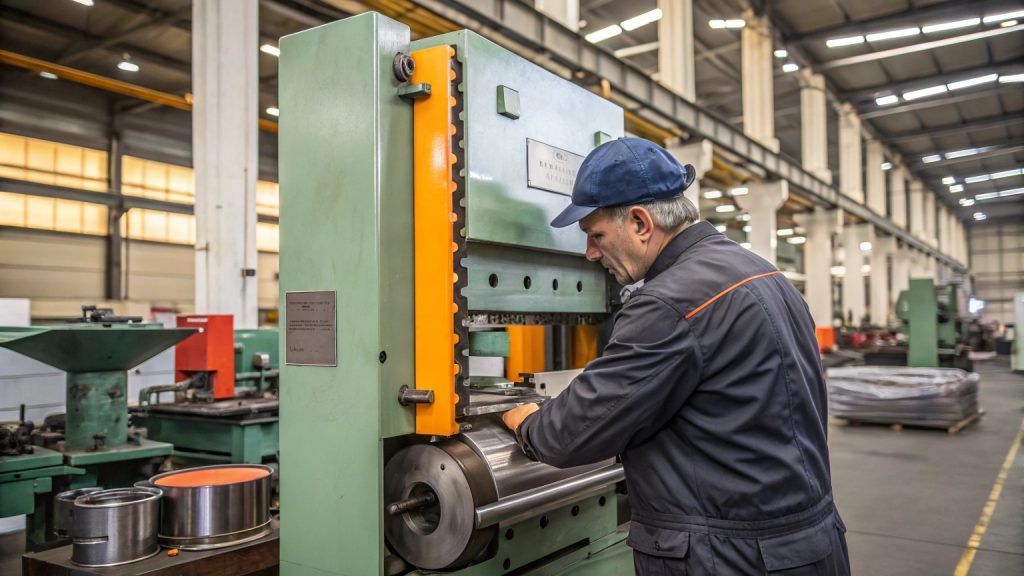
Understanding these four methods is the key to getting the right part at the right price. Each one has its own set of advantages. At my company, Worthy, we help customers decide which path is best.
1. Progressive Die Stamping
This is the workhorse for high-volume production. A coil of metal is fed through a single large die that has multiple stations. At each station, a different operation (like cutting, bending, or punching) happens. By the end, a finished part comes out with every stroke of the press. It’s perfect for complex parts needed in large quantities because it is very fast and consistent.
2. Fourslide Stamping
Also called multislide stamping, this method uses four moving slides to shape the part. It's different because it forms the part from four directions. This makes it ideal for creating intricate parts with bends, like clips, terminals, and flat springs. Tooling can sometimes be cheaper than progressive dies for these specific types of parts.
3. Deep Draw Stamping
This process is used to form a flat sheet of metal into a deep, hollow shape, like a can or a cup. A punch pushes the metal blank into a forming die. This method is all about creating depth without seams or welds.
4. Short Run Stamping
This is the go-to for prototypes and low-volume orders. It uses simple, single-stage tools. Instead of one complex die, we use several simple dies to perform each operation one at a time. It's slower per part, but the initial tooling investment is much lower.
| Stamping Type | Best for Volume | Part Complexity | Tooling Cost | Common Application |
|---|---|---|---|---|
| Progressive Die | High | High | High | Terminals, Shields |
| Fourslide | Medium-High | High (bends) | Medium | Clips, Flat Springs |
| Deep Draw | Medium-High | Low (hollow) | Medium-High | Cans, Cups, Enclosures |
| Short Run | Low | Low-Medium | Low | Brackets, Prototypes |
What is short run machining?
Do you need a small number of parts without a huge budget? The high cost of mass production tooling can stop a new project. Short run production is the solution here.
Short run stamping is a method for producing smaller quantities of parts, from prototypes to just a few thousand units. It uses simpler, less expensive tooling. This approach gives you flexibility and a lower initial investment, perfect for new products or limited orders.
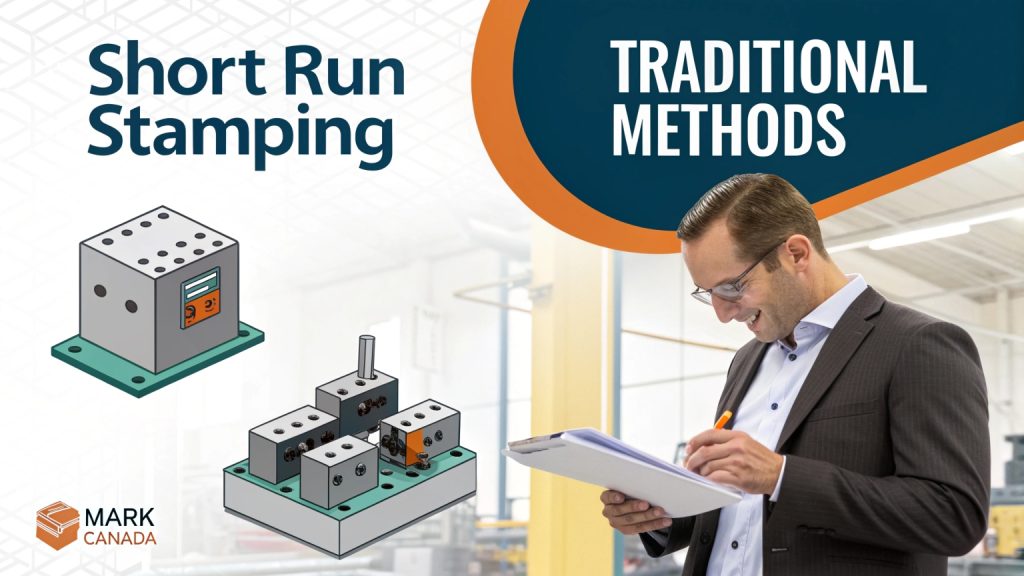
Sometimes people use the term "short run machining," but in the world of stamping, we are talking about a specific production method. This method is designed to be affordable and quick for small jobs. We use a series of simple, single-purpose dies instead of one large, complex progressive die. A part might go to one press for punching, a second for bending, and a third for finishing. This step-by-step process is what keeps the tooling costs down.
I remember a client, Mark from Canada, who is a business owner just like many of my customers. He needed 500 custom brackets to test a new product. A progressive die would have cost him thousands of dollars, which was too much for an unproven product. We suggested short run stamping. The tools were affordable, and we got him the parts quickly. He was able to launch his product and test the market without a huge financial risk. This is the power of short run production. It makes new ideas possible. It's perfect for verifying a design before you commit to mass production.
What are the limitations of stamping metal?
Do you think metal stamping can create any part you can imagine? Ignoring the process's limits can lead to bad designs, wasted money, and a lot of frustration. Let's look at the key limitations.
Metal stamping has some important limitations. These include material thickness constraints, problems with very complex 3D shapes, and the potential for burrs or sharp edges. Also, the upfront tooling cost and lead time can be high, especially for progressive dies. Knowing these is key.
Every manufacturing process has rules, and metal stamping is no exception. If you design a part without thinking about these limitations, you will have problems. As a supplier, my goal is to help you design a part that is easy to manufacture. This saves you money and ensures high quality.
Material Properties
Not all metals or all thicknesses are suitable for stamping. Very thick metal requires huge press force and robust tooling. Very thin metal can tear or wrinkle easily. Another issue is "springback," where the metal tries to return to its original shape after being bent. Our engineers account for this in the die design, but it’s a key factor.
Design Complexity
Stamping is best for parts with a generally uniform wall thickness. Features like undercuts or holes on multiple angles are very difficult or impossible to create with a standard stamping process. These features often require very complex tooling or secondary operations, which increases cost.
Tooling Investment
The biggest barrier for many projects is the tooling cost. A high-quality progressive die is a significant investment. This cost has to be spread out over a large number of parts to be economical. This is why stamping is not suitable for one-off parts or very small quantities unless you use the short run method.
Tolerances and Finish
We can hold very tight tolerances, down to .025mm, but there are limits. Stamping can also leave a small burr or sharp edge where the metal was cut. We have secondary processes like deburring and cleaning to remove these, but it's an inherent part of the stamping process you should be aware of.
| Limitation | Description | How We Address It at Worthy |
|---|---|---|
| Complex Geometry | Undercuts or features on multiple planes are difficult. | Design review with engineers; consider multi-part assembly or fourslide stamping. |
| High Tooling Cost | Progressive dies are expensive upfront. | Offer short run stamping for low volumes; optimize die design to reduce cost. |
| Material Springback | Metal tries to return to its original shape. | Our engineers calculate and correct for springback in the die design. |
| Burrs/Sharp Edges | A natural result of cutting metal. | We offer finishing services like deburring to ensure smooth, safe parts. |
What is the manufacturing method of stamping?
How does a flat sheet of metal become your finished part? Not understanding the basic process can make it hard for you to communicate your needs clearly to your supplier.
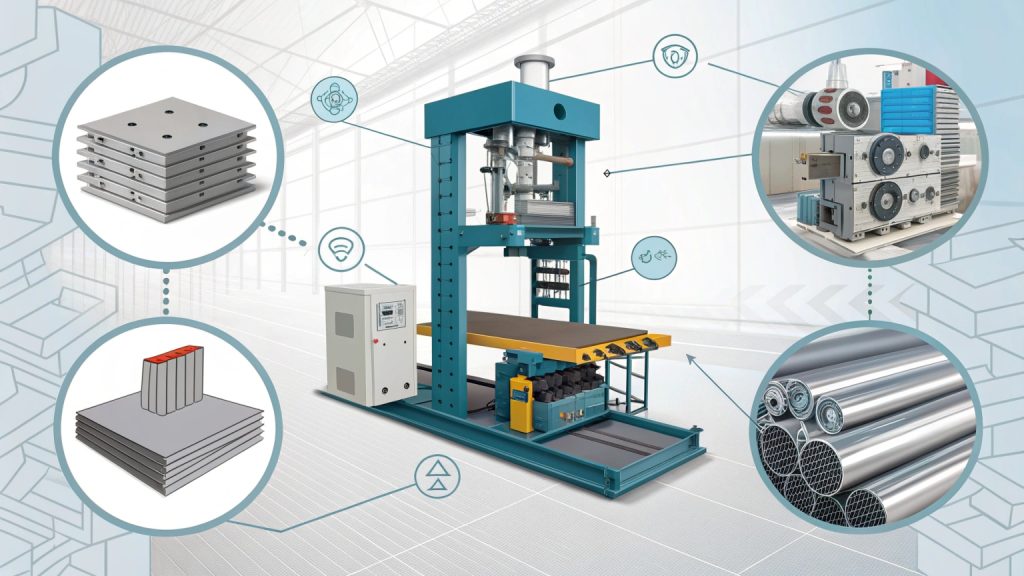
The manufacturing method of stamping uses a press, a die, and metal material. The press provides the force, the custom-made die provides the shape, and the metal is fed through. With each press stroke, the die cuts and forms the metal into the final part.
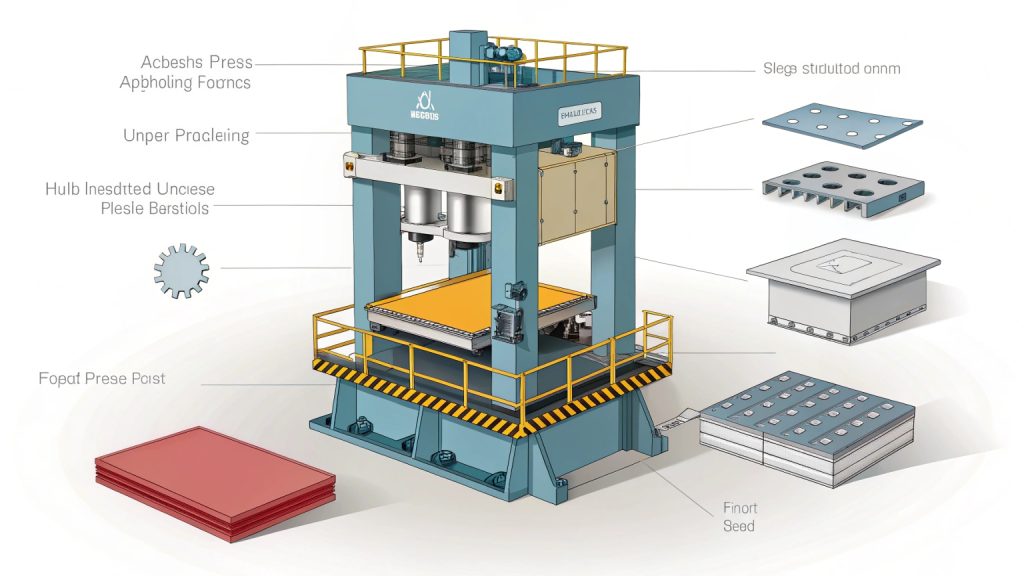
The stamping process seems simple on the surface, but the details are what ensure quality. At its core, it's about using force to change the shape of metal. Let's break down the key components.
1. The Press
This is the machine that provides the power. Presses are rated in tonnage, which is the amount of force they can apply. We have presses from 5 to 500 tons, so we can handle parts of all sizes. The press moves the die up and down with great force and precision.
2. The Die
I always say the die is the heart of the operation. It is the custom tool we build specifically for your part. A die has two halves: an upper part that attaches to the moving press ram, and a lower part that is fixed to the press bed. When the press closes, the die cuts and forms the metal. The quality of our parts comes from the quality of our dies. Our four engineers have rich experience designing these tools to be efficient and durable.
3. The Material
We can work with over 100 different materials, including steel, aluminum, brass, and copper. The material usually comes in a long coil, which is fed automatically into the press. For short run jobs, we might use individual sheets.
This process combines basic operations like blanking (cutting the part's outline), piercing (making holes), and bending. In mass production, a progressive die does all this in one tool. In short run production, we use separate tools for each step. This choice is the key difference, and it all comes back to your project's specific needs.
Conclusion
Choosing between short run and mass production depends on your volume, complexity, and budget. For help selecting the best method for your project, contact us at Worthy Hardware.