
What Surface Finishes Work Best For Delrin Machined Parts?

Need the perfect finish for your Delrin parts? The wrong choice can ruin them. Let's explore the best surface finishing options that work perfectly with this unique material.
The best surface finishes for Delrin (POM) machined parts include bead blasting for a uniform matte texture, polishing for a smoother, glossier look, and painting for specific colors. These methods enhance appearance without compromising Delrin's inherent low-friction and durable properties. We can help you choose.
Getting the finish right is just one part of the puzzle. To really understand why these finishes are suitable, we need to look at what's typical for machined parts in general and what makes Delrin special. Let's dive deeper into the specifics. This will help you make an informed decision for your project and avoid costly mistakes.
What is the typical surface finish for machined parts?
Unsure what 'as-machined' finish means for your parts? This standard option might not fit your needs. I'll explain the typical surface finish you can expect from CNC machining.
The typical surface finish for machined parts is called 'as-machined.' This finish has a surface roughness of around 125 Ra (3.2 μm) or better. It will show visible tool marks but is functional for most applications. At Worthy, this is our standard unless you specify otherwise.
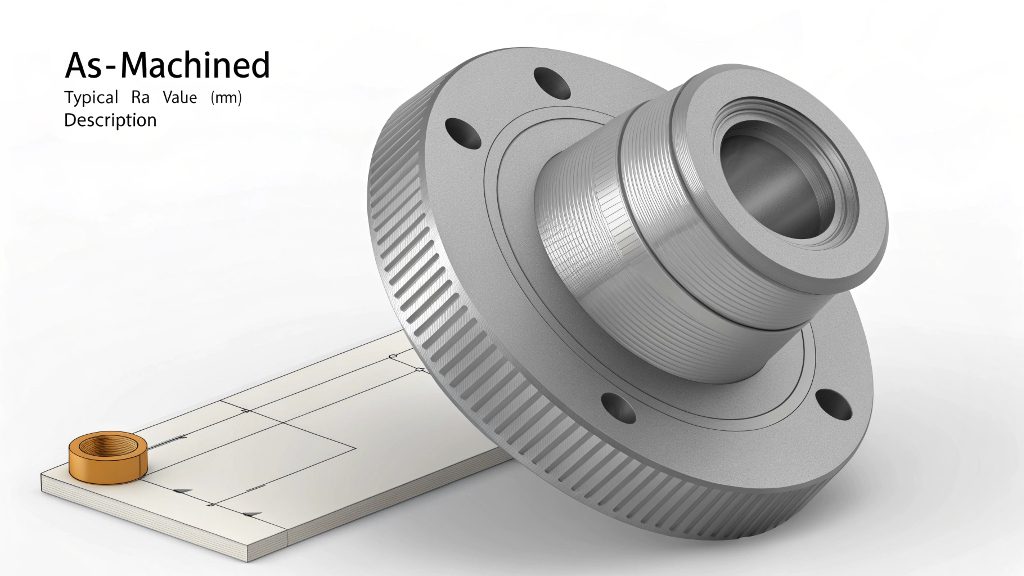
The "as-machined" finish is the most common and cost-effective surface finish for any CNC part. It is the natural texture left by the cutting tool as it moves across the material. You will be able to see and feel very fine lines on the surface, which are the tool paths. For many industrial or internal components, this finish is perfectly fine. The roughness is measured in 'Ra', which stands for Roughness Average. A standard as-machined finish at my company, Worthy Hardware, is 125 Ra (or 3.2 μm). We can achieve much smoother finishes if your project requires it, but this involves extra steps and cost. Understanding this baseline is important because it is the starting point for all other surface treatments. Below is a simple table to show the differences.
| Finish Type | Typical Ra Value (μm) | Description |
|---|---|---|
| As-Machined (Standard) | 3.2 | Visible tool marks, functional for most uses |
| Smooth Machining | 1.6 | Faint tool marks, good for cosmetic parts |
| Fine Machining | 0.8 | Minimal tool marks, very smooth to the touch |
| Grinding / Polishing | <0.4 | Mirror-like, highly reflective |
How to finish Delrin?
Trying to apply a finish to slippery Delrin? Most methods won't stick, causing frustration. Here are the proven techniques we use to successfully finish Delrin parts every time.
To finish Delrin, you can use bead blasting for a matte texture, careful polishing for a glossier look, or painting after special surface preparation. Since Delrin is chemically resistant and has low surface energy, proper preparation like surface abrasion or priming is key for adhesion.
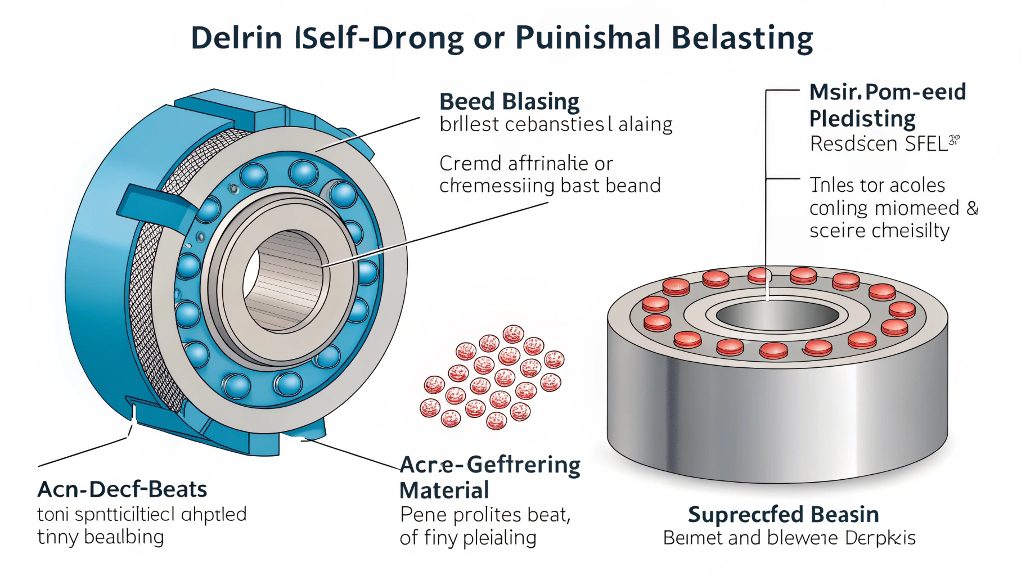
Delrin (also known as POM or Acetal) is a fantastic material because it is strong, self-lubricating, and resistant to chemicals. But these same properties make it difficult to finish. Its surface is very slick, so coatings do not stick to it easily. I have seen customers struggle with this. However, we have a few reliable methods that work well.
Bead Blasting
This is my preferred method for giving Delrin a clean, uniform look. We spray tiny glass beads at the part's surface. This process removes the glossy look from the raw material and hides the faint tool marks from machining. The result is a consistent, non-reflective matte texture. It's great for cosmetic parts that will be handled often, as it doesn't show fingerprints easily.
Polishing
Polishing Delrin is possible, but it is more challenging than polishing other plastics like acrylic. We can use vapor polishing or mechanical buffing to make the surface smoother and glossier. It won't become crystal clear, but it can significantly improve the look. We have to be very careful during polishing, as it can generate heat and slightly change the part's dimensions.
Painting
If you need a Delrin part in a specific color not available in raw material form, painting is an option. This is the trickiest finish. We must first treat the surface to make the paint stick. This usually involves light sanding or chemical etching to create a rougher texture for the primer to grab onto. Then, we can apply the paint.
What is the surface roughness of Delrin?
Does your Delrin part need a specific feel? Guessing the roughness can lead to costly remakes. I will explain the typical surface roughness of Delrin to ensure you get it right.
The 'as-machined' surface roughness of Delrin is typically very smooth, often better than 63 Ra (1.6 μm). This is because Delrin cuts cleanly. However, the final roughness depends on cutting tools, feed rates, and speeds. For specific needs, finishes like bead blasting are used.
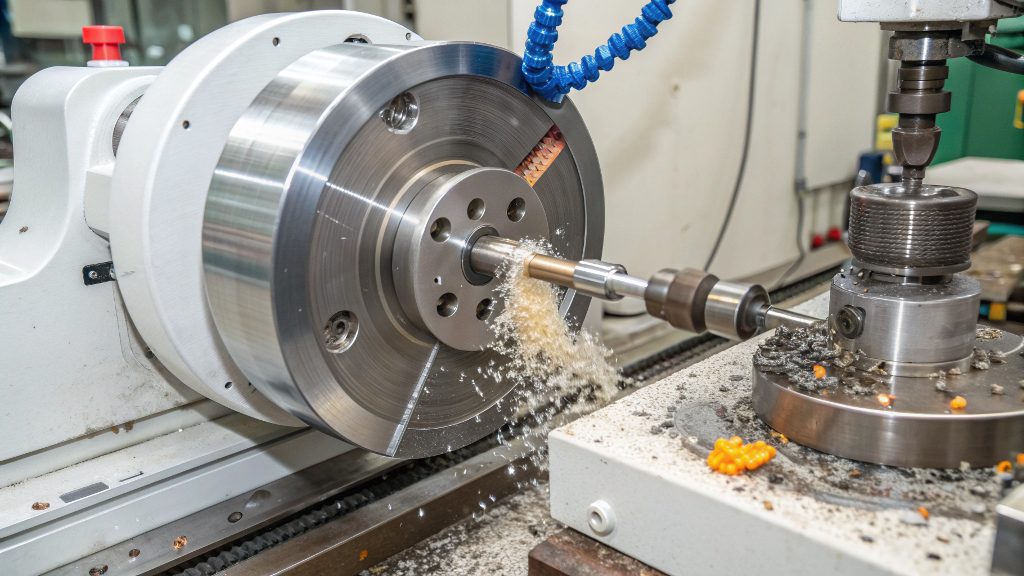
Delrin naturally machines to a very smooth finish. Unlike metals, which can tear and leave a rougher surface, Delrin slices cleanly. When we machine it correctly, the "as-machined" surface can easily have a roughness of 63 Ra (1.6 μm) or even smoother. This is twice as smooth as the standard finish on metals. This inherent smoothness is one of the reasons people choose Delrin for parts that need low friction, like bearings and gears. However, several factors in our machine shop influence the final outcome. The sharpness of the tool, the speed of the cut, and the use of coolant all play a big role. For customers like Mark, who need consistent quality, we pay close attention to these details. Here is how we control the surface roughness on Delrin.
| Factor | Impact on Delrin's Surface Finish | Our Recommendation at Worthy |
|---|---|---|
| Tooling | Dull tools cause friction and melting. | Always use very sharp, high-quality tools. |
| Speeds & Feeds | Wrong settings cause a poor finish. | We optimize machine settings for a clean cut. |
| Coolant | Prevents overheating and chip buildup. | We use coolant for critical surface finishes. |
| Finishing Pass | A final, light cut improves smoothness. | We often add a finishing pass for quality. |
What is the best end mill for Delrin?
Worried about ruining your Delrin parts during machining? The wrong end mill causes melting and burrs. I will show you the best tools to use for a perfect, clean cut.
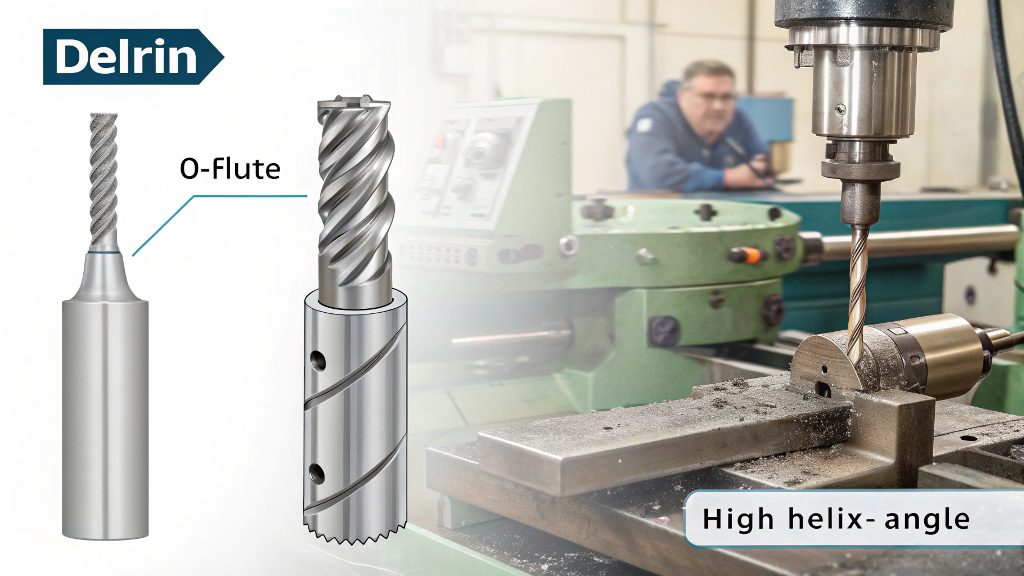
The best end mill for Delrin is a sharp, uncoated carbide or high-speed steel (HSS) tool with a high helix angle and fewer flutes, typically one or two. 'O-flute' or single-flute end mills designed for plastics are excellent as they clear chips efficiently and reduce heat.
Choosing the right cutting tool is maybe the most important step for getting a great result with Delrin. If you use the wrong tool, the material can melt, create ugly burrs, or have a terrible surface finish. From my years of experience, I can tell you that the tool geometry is everything.
Why Fewer Flutes?
When we machine Delrin, it creates long, stringy chips. Standard end mills for metal often have four or more flutes (the cutting edges). These flutes are too close together for plastic chips. The chips get clogged, which creates friction and heat, and then the Delrin melts. That's why we use end mills with only one or two flutes. A single-flute tool, often called an "O-flute," is perfect. It has a large, open space to get the chips out quickly.
Why a High Helix Angle?
The helix angle is the spiral of the flutes. A high helix angle, like 30 degrees or more, acts like an auger. It actively pulls the chips up and out of the cut. This is very important for keeping the cutting area clean and cool.
Uncoated Carbide or HSS?
We use either high-speed steel (HSS) or solid carbide tools. Coatings, which are common for metal cutting, can sometimes increase friction on plastics, so we prefer uncoated tools. They must be extremely sharp. HSS is a good, affordable option. Carbide costs more but stays sharp much longer, ensuring a consistently high-quality finish across a large batch of parts.
Conclusion
Choosing the right finish and machining process for Delrin is key. We handle all these details at Worthy to deliver perfect Delrin parts. Contact me, Sandra Gao, at [email protected] for your next project.