
What Materials Can Be Used in the Metal Stamping Process?
By Sandra Gao, Founder of Worthy Hardware
Wondering if your material will work for stamping? The short answer is: almost certainly yes. Metal stamping is compatible with nearly all sheet metals. But "can it be stamped?" is the wrong question. The right question is: which material gives you the best combination of performance, stampability, and cost for your specific application?
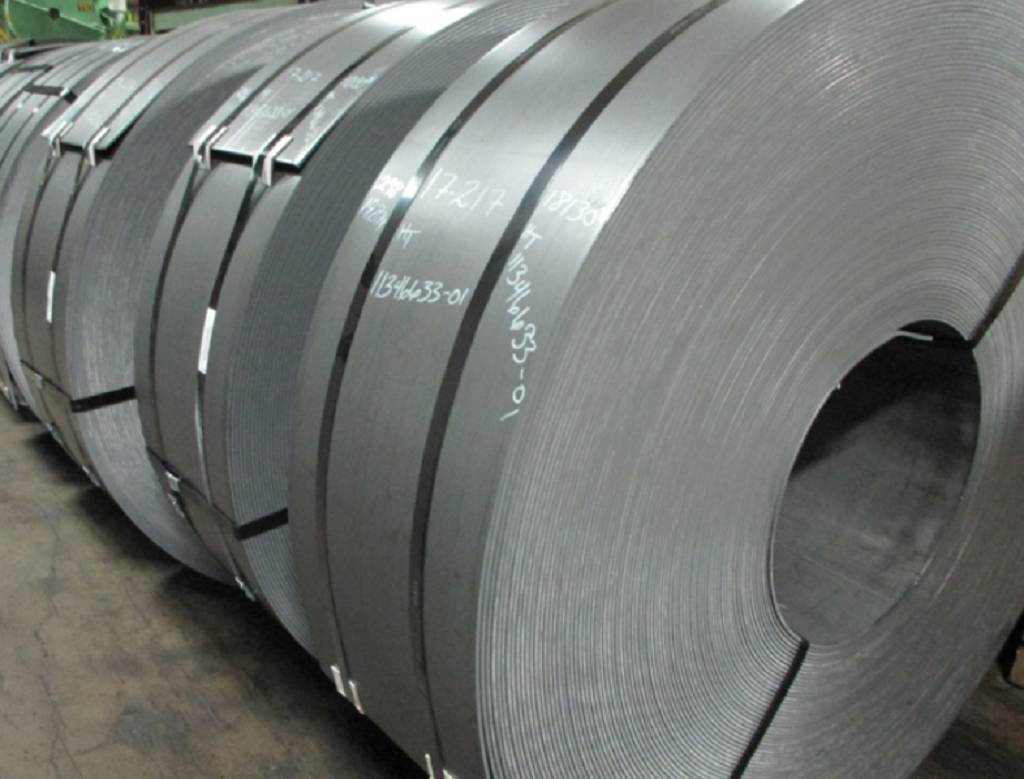
Metal stamping works with a wide range of ferrous and non-ferrous metals, including carbon steel, stainless steel, alloy steel, aluminum, copper, brass, bronze, phosphor bronze, beryllium copper, and titanium. At Worthy, we regularly process over 100 distinct material grades, and we can source specialty alloys for unusual applications.
Material selection is one of the first and most important conversations I have with every new customer. The material you choose affects:
- Part performance — strength, conductivity, corrosion resistance, weight
- Stampability — how easily it forms, bends, and cuts without cracking or excessive springback
- Tooling life — harder materials wear dies faster, increasing long-term production costs
- Surface finish options — not all plating and coating processes work on all materials
- Cost — material cost can represent 40-70% of your total per-part cost at volume
Let me walk you through the main material categories, including specific grades we commonly stamp and the engineering factors that matter for each.
Ferrous Metals (Iron-Based)
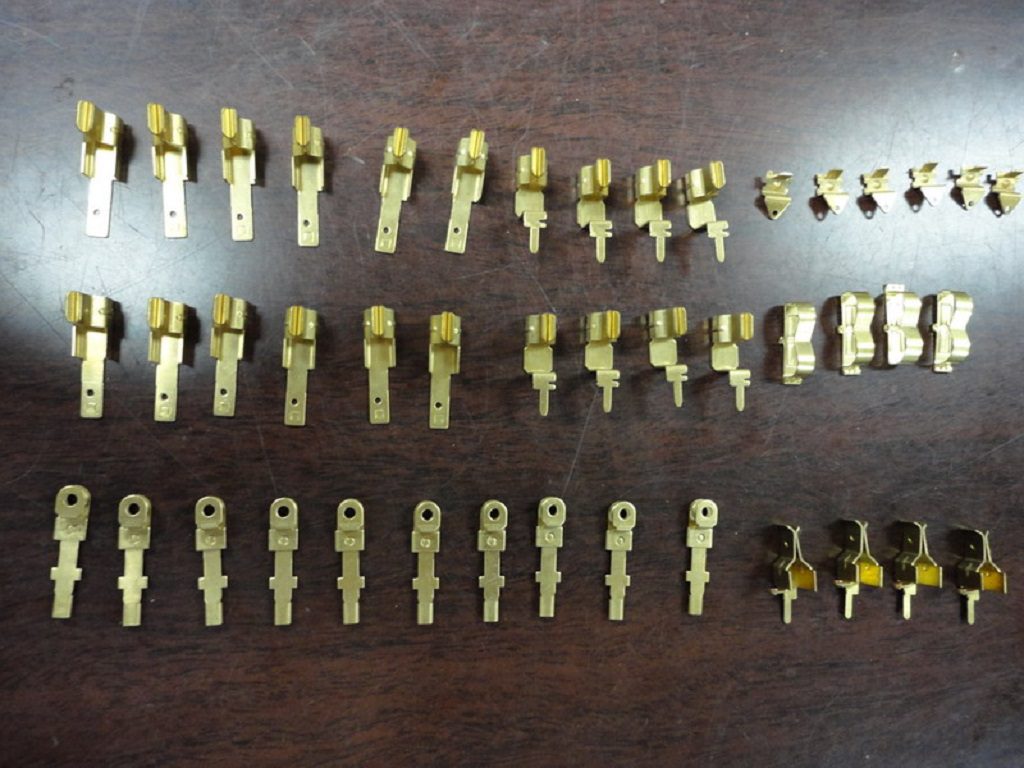
Ferrous metals contain iron as their primary element. They offer high strength, wide availability, and generally the lowest material cost per kilogram.
| Material | Common Grades We Stamp | Key Properties | Stampability Notes | Typical Applications |
| Carbon Steel | SPCC, SPCE, SPHC, C1008, C1010, C1018, C1045 | High strength, low cost, easy to form, magnetic. | Excellent stampability. Low springback. Long die life. | Brackets, clamps, automotive structural parts, mounting plates. |
| Alloy Steel | 4130, 4140, SCM415, SCM440 | Enhanced strength, wear resistance, heat tolerance. | Moderate stampability. Requires more tonnage. Higher die wear. | Aerospace structural components, industrial hardware, defense parts. |
| Stainless Steel | SUS304, SUS301, SUS316, SUS430, 17-4PH | Excellent corrosion resistance, good strength, non-magnetic (austenitic grades). | More difficult to stamp. High springback (especially 301). Higher die wear. Requires adjusted clearances. | Medical devices, food processing equipment, outdoor hardware, marine components. |
Carbon steel (SPCC, SPCE) is our most commonly stamped ferrous material — probably 35-40% of all jobs in our shop. It's affordable, widely available, forms beautifully, and is gentle on tooling. If your part doesn't require corrosion resistance or special conductivity, carbon steel is almost always the best starting point.
Stainless steel is our second most common ferrous material, but it requires more engineering attention. Here's why:
- Springback is significantly higher than carbon steel. SUS301 (used for spring applications) can spring back 3-5° more than equivalent carbon steel geometry. Our die designers compensate for this during tooling design, but it means your die is specific to the material — you can't switch from carbon steel to stainless without adjusting the tooling.
- Die wear is 3-5× faster when stamping stainless steel compared to carbon steel, because stainless is harder and more abrasive. We use higher-grade tool steels (DC53, SKH51) and apply surface coatings (TiN, TiCN) to critical die components when running stainless to extend die life.
- Work hardening — stainless steel hardens as it's deformed. This means multi-stage forming operations must account for the material getting progressively harder at each station.
Real example — material switch that saved cost: A hardware startup customer in Australia designed a mounting bracket in SUS304 stainless steel because they assumed it needed corrosion resistance for indoor use. After discussing their actual operating environment (indoor, climate-controlled, no moisture exposure), we suggested SPCC carbon steel with zinc plating. The result: material cost dropped by 65%, stamping was easier (lower reject rate), and the zinc plating actually provided adequate corrosion protection for their application. Total cost savings: approximately 45% per part.
Non-Ferrous Metals (No Iron Content)
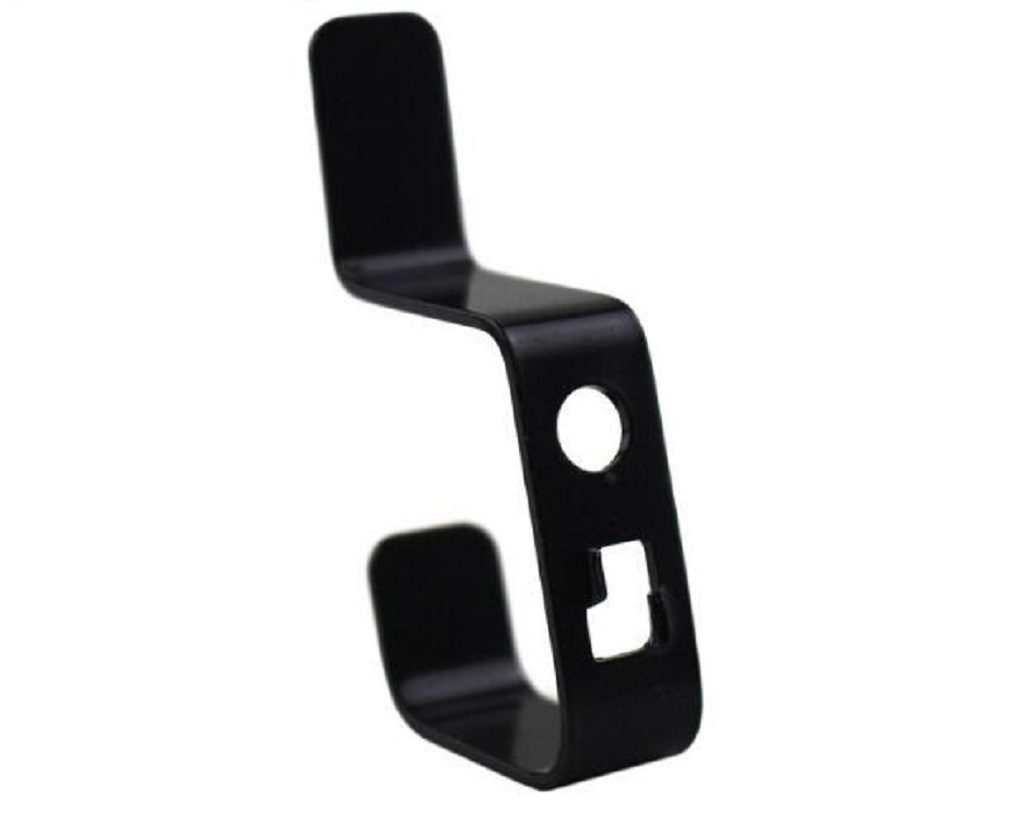
Non-ferrous metals offer properties that iron-based metals cannot: electrical conductivity, lightweight, natural corrosion resistance without coating, and non-magnetic behavior.
| Material | Common Grades We Stamp | Key Properties | Stampability Notes | Typical Applications |
| Aluminum | A1100, A3003, A5052, A6061 | Lightweight (⅓ weight of steel), naturally corrosion resistant, good thermal conductivity. | Good stampability (soft tempers). Gummy at high speeds — requires proper lubrication. Can gall on tooling if not managed. | Electronics housings, heat sinks, lighting reflectors, EMI shields. |
| Copper | C1100 (ETP), C1020 (OFC), C1940 | Highest electrical conductivity of any stampable metal. Excellent thermal conductivity. | Excellent stampability. Very soft, forms easily. Minimal springback. | Electrical contacts, bus bars, battery connectors, heat spreaders. |
| Brass | C2600, C2680, C2801 | Good electrical conductivity (≈28% of copper), low friction, attractive gold color, easy to plate. | Excellent stampability — one of the easiest metals to stamp. Long die life. | Terminals, connectors, pins, decorative hardware, musical instrument parts. |
| Phosphor Bronze | C5191, C5210 | High fatigue resistance, good conductivity, excellent spring properties. | Moderate stampability. Harder than brass. Good for fine blanking. | Contact springs, socket connectors, leaf springs, precision clips. |
| Beryllium Copper | C1720 (CuBe2), C17200 | Highest strength of any copper alloy, good conductivity, non-sparking. | Difficult to stamp in hardened condition. Usually stamped in soft temper, then heat treated. Health precaution: dust must be controlled. | High-performance connectors, aerospace contacts, non-sparking tools. |
| Titanium | Grade 1, Grade 2, Ti-6Al-4V (Grade 5) | Extremely high strength-to-weight ratio, biocompatible, corrosion resistant in all environments. | Difficult to stamp. High springback. Tendency to gall (stick to die surfaces). Requires special lubrication and slower speeds. | Aerospace brackets, medical implants, defense components, high-end consumer electronics. |
Material Selection by Industry
Based on our experience serving customers across 12+ industries, here are the most common material choices by sector:
| Industry | Most Common Materials | Why |
| Electronics & Semiconductors | Copper (C1100), Brass (C2600, C2680), Phosphor Bronze (C5191) | Electrical conductivity is the primary requirement. |
| Automotive | Carbon Steel (SPCC, SPHC), Stainless Steel (SUS304), Aluminum (A5052) | Balance of strength, formability, and cost. |
| Aerospace & Defense | Titanium (Grade 2, Grade 5), Alloy Steel (4130, 4140), Stainless (17-4PH) | Extreme strength-to-weight ratio, fatigue resistance. |
| Medical & Dental | Stainless Steel (SUS304, SUS316), Titanium (Grade 2) | Biocompatibility, sterilization resistance, corrosion resistance. |
| Lighting | Aluminum (A1100, A5052), Copper (C1100) | Thermal management, reflectivity, lightweight. |
| Consumer Products | Carbon Steel (SPCC), Stainless Steel (SUS304), Brass (C2801) | Cost, appearance, durability. |
| Industrial & Robotics | Carbon Steel, Alloy Steel, Stainless Steel | Strength, wear resistance, reliability. |
Stampability Comparison: How Materials Behave in the Die
This is the information most stamping guides leave out, but it's critical for understanding why material choice affects your cost:
| Material | Stampability Rating | Springback | Die Wear Rate | Relative Material Cost (vs. Carbon Steel = 1×) |
| Carbon Steel (SPCC) | ★★★★★ Excellent | Low | Low | 1× (baseline) |
| Brass (C2600) | ★★★★★ Excellent | Low | Very Low | 3–4× |
| Copper (C1100) | ★★★★☆ Very Good | Very Low | Low | 4–6× |
| Aluminum (A5052) | ★★★★☆ Very Good | Low-Medium | Medium (galling risk) | 2–3× |
| Phosphor Bronze (C5191) | ★★★☆☆ Good | Medium | Medium | 5–7× |
| Stainless Steel (SUS304) | ★★★☆☆ Good | High | High | 3–5× |
| Stainless Steel (SUS301) | ★★☆☆☆ Moderate | Very High | High | 4–6× |
| Titanium (Grade 2) | ★★☆☆☆ Moderate | Very High | Very High (galling) | 15–25× |
| Titanium (Grade 5) | ★☆☆☆☆ Difficult | Extreme | Very High | 25–40× |
What does this mean for you?
- Materials with higher stampability are faster to run, have fewer rejects, and are gentler on tooling — all of which translate to lower per-part cost.
- Materials with high springback require more engineering effort in die design (over-bending, coining, special forming techniques) — this adds to tooling cost.
- Materials with high die wear rates shorten die life, meaning more frequent die maintenance and eventually die replacement — this is a hidden long-term cost that many buyers overlook.
Real example — material stampability impact: A robotics customer specified titanium Grade 5 for a small structural bracket. After discussing requirements, we determined that the primary need was high strength-to-weight ratio, but the part didn't need titanium's corrosion resistance or biocompatibility. We suggested 17-4PH stainless steel (precipitation hardened) — it provides 85% of titanium's strength at 1/5 the material cost, with much better stampability. The customer saved approximately 70% on material and 30% on tooling (because the die lasted 4× longer). For the rare cases where titanium truly is required, we absolutely can stamp it — but we always verify the requirement is genuine before committing a customer to that cost level.
Material Thickness Range
At Worthy, we stamp materials across a wide thickness range:
| Material Category | Minimum Thickness | Maximum Thickness | Notes |
| Carbon Steel | 0.1mm | 6.0mm | Full range capability |
| Stainless Steel | 0.1mm | 4.0mm | Thicker gauges require higher tonnage |
| Aluminum | 0.2mm | 5.0mm | Very thin aluminum tears easily |
| Copper & Brass | 0.05mm | 3.0mm | We regularly stamp ultra-thin copper for electronics (0.05-0.1mm) |
| Phosphor Bronze | 0.05mm | 2.0mm | Common in thin gauges for springs |
| Titanium | 0.3mm | 3.0mm | Requires slower press speeds |
Material Certification and Traceability
For customers in regulated industries (medical, aerospace, automotive), material traceability is not optional — it's mandatory. At Worthy, we provide:
- Mill certificates (MTR) for every material lot, showing chemical composition, mechanical properties, and heat number
- Material lot traceability — we can trace any finished part back to its original material coil and supplier
- RoHS and REACH compliance documentation for materials going into electronics applications
- Conflict mineral reporting (CMRT) for customers with supply chain transparency requirements
We source our materials from established, certified mills and maintain long-term relationships with suppliers who provide consistent quality batch to batch. Material inconsistency is one of the hidden causes of stamping quality problems — if the material hardness varies between coils, your parts will vary too. We prevent this through supplier qualification and incoming material inspection.
Not Sure Which Material Is Right for Your Part?
If you already have a material specified on your drawing, we'll confirm it's optimal for stamping and flag any potential issues. If you're open to suggestions, our engineers evaluate your requirements and recommend the best material based on:
- Functional requirements — What does the part need to do? (carry current, resist corrosion, bear load, etc.)
- Environmental conditions — Where will it operate? (indoor, outdoor, underwater, high temperature, etc.)
- Volume and budget — What's your production quantity and target cost?
- Stampability — Which materials give the cleanest, most consistent results for your specific geometry?
Send your design to [email protected] and let us know your application. We'll recommend the best material option — or confirm your current choice — within 24 hours.
About the Author
Sandra Gao is the founder and technical director of Worthy Hardware, a precision metal stamping manufacturer based in China serving global customers since 1998. With over 15 years of experience in metal stamping engineering and production management, Sandra leads a team of 4 engineers specializing in tool and die design, DFM optimization, and quality systems. Worthy Hardware exports to North America, Europe, Japan, Singapore, Australia, New Zealand, and the Middle East, serving industries from aerospace to medical devices.
Contact: [email protected] | www.worthyhardware.com
Have a part design you'd like us to evaluate? Send your drawing to [email protected]. Our engineering team will review it and provide DFM feedback, process recommendations, and pricing within 24 hours — no obligation.