
What Is The Difference Between Sheet Metal Bending And Sheet Metal Forming?
Are you confused by fabrication terms like bending and forming? This confusion can lead to project delays. I'm here to explain the difference in a simple way.
Sheet metal forming is the broad category of processes used to change a metal sheet's shape. Bending is a specific type of forming that creates an angle or curve along a straight line. So, all bending is forming, but not all forming is bending.
This basic distinction is the first step to understanding how your parts are made. When you know the right terms, you can communicate your needs more clearly and get better results. Let's look closer at these processes.
What is the difference between bending and forming sheet metal?
Do technical terms slow down your ordering process? It's hard to get the right quote when the language isn't clear. I will break down the key differences for you.
The main difference is scope. Forming is the general term for shaping metal with external force. Bending is just one of the many techniques under the forming umbrella. It’s a specific action to create angles, while forming also includes processes like drawing and stamping.
Understanding this helps you specify exactly what you need for your project. I've seen customers like Mark from Canada save time by using the right terminology. When you speak the same language as your supplier, communication becomes much smoother. Now, let’s go deeper into what each term means for your parts.
The Big Picture: Sheet Metal Forming
Forming covers any process that reshapes a flat metal sheet into a 3D part without cutting material away. Think of it as the main family of techniques. At my company, Worthy, we use various forming methods to meet our customers' exact designs. The goal is always to apply stress to the metal, pushing it beyond its elastic limit so it holds its new shape permanently. This is a very efficient way to create strong, lightweight components for anything from automotive to electronics.
A Closer Look: Sheet Metal Bending
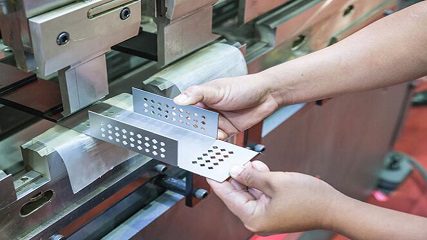
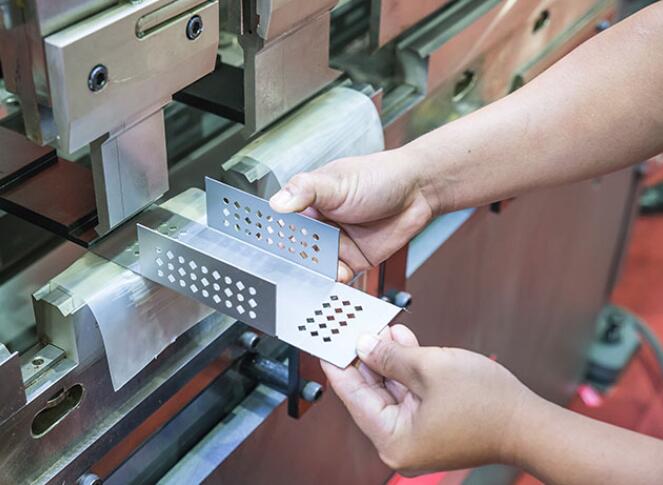
Bending is a very common type of forming. We use a machine called a press brake to do this. The machine presses the metal sheet between a punch and a die to create a clean, sharp angle. Common bend types include V-bends, U-bends, and Z-bends. This process is perfect for creating boxes, brackets, and enclosures. Bending is a cost-effective process for parts that need simple angles.
What is the difference between formed and bent?
Are you unsure whether your part needs to be "formed" or "bent"? Using the wrong term could lead to a part that doesn't fit. Let’s clarify this simple but important point.
"Bent" describes a part that has been changed along a straight line, creating a corner or an angle. "Formed" is a more general term for any part that has been shaped by force. A part can be both formed and bent at the same time.
Think about the words you use when you place an order. Being precise helps us get your design right the first time. For my customers in Europe and North America, clear communication is key to avoiding costly mistakes and delays. Let's explore how these terms apply to real-world parts.
When to Say "Bent"
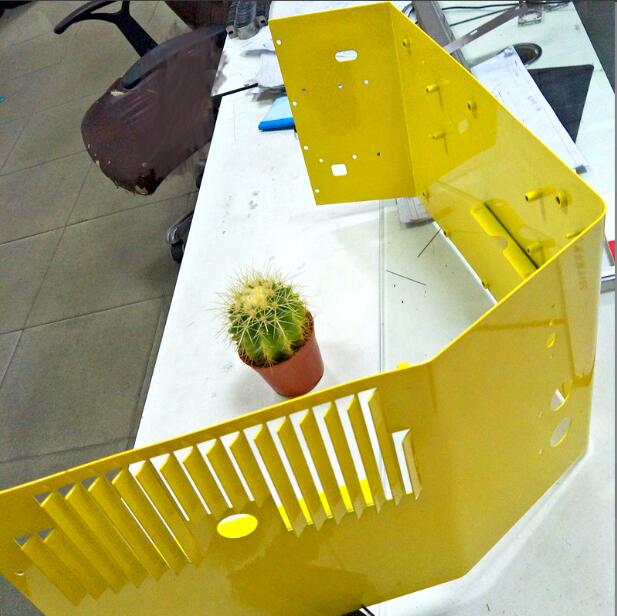
You should use the term "bent" when you are talking about creating simple, straight-line angles in a sheet of metal. I often help customers design brackets, channels, and cases. These parts are primarily made through bending. If your drawing shows clear angles like 90 degrees or 45 degrees along a straight axis, then "bent" is the perfect word to describe the operation needed. It tells me you need a press brake and straightforward tooling, which keeps costs down and production fast.
When to Say "Formed"
"Formed" is the better word when the part's shape is more complex than simple angles. If your part has curves, depressions, or raised sections, it requires more than just bending. For example, a car door panel is a formed part. It has complex curves that are created using a stamping press and custom dies. The term "formed" tells me that the manufacturing process might involve more specialized tooling. It signals a higher level of complexity than a simple bent bracket.
What is the difference between bending forming and drawing?
Do fabrication quotes seem confusing with terms like bending, forming, and drawing? It’s hard to compare costs if you don’t know what they mean. Let's make it easy to understand.
Forming is the overall category. Bending is one type, creating angles. Drawing is another type of forming that stretches metal over a die to create deep, hollow shapes like a can or a sink. Drawing forces the material to flow and stretch.

Knowing these differences empowers you to ask the right questions. It helps you understand why one part might cost more than another. When I explain this to clients, they feel more confident in their purchasing decisions.
Understanding the Key Processes
Bending, Forming, and Drawing are all ways to shape metal, but they work differently and create different shapes. Here’s a simple table to show the main differences:
| Process | Main Action | Resulting Shape | Common Tools | Example Product |
|---|---|---|---|---|
| Bending | Folds metal along a straight line | Angles, channels, U-shapes | Press Brake, Punch & Die | Brackets, Enclosures |
| Drawing | Stretches metal into a die | Deep, hollow, cup-like shapes | Stamping Press, Drawing Die | Kitchen sinks, Cookware |
| Stamping | Presses metal between two dies | Complex shapes, indents, logos | Stamping Press, Custom Dies | Car body panels, Coins |
Drawing is a type of forming where the metal is pulled or "drawn" into a cavity, causing it to stretch and thin out. This is different from bending, where the metal is simply folded. For many projects I work on, choosing the right method is critical for material integrity and cost-effectiveness. Drawing often requires more force and more complex tooling than bending.
What is sheet metal forming?
Have you ever wondered how a flat sheet of metal becomes a complex car part? It’s not magic, but a process called forming. Let’s explore what this process really is.
Sheet metal forming is an industrial process that reshapes flat metal sheets into useful parts by applying force. This is done without adding or removing material. It includes techniques like bending, stamping, and drawing to create a final 3D shape.
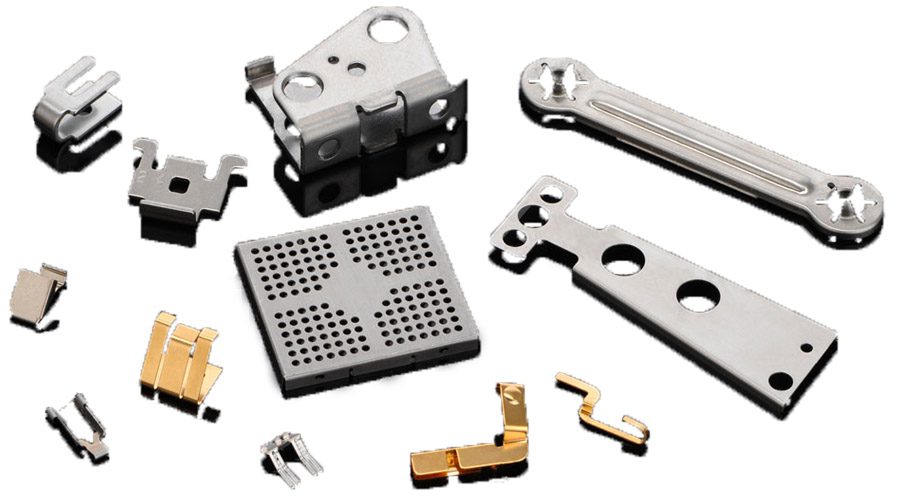
Nearly every metal product around you has been through some type of forming process. From your computer case to the chassis of your car, forming makes it all possible. As a supplier, we use our expertise to choose the best forming method for your design.
Core Principles of Forming
The main idea behind sheet metal forming is plastic deformation. We apply enough force to the metal to change its shape permanently. Every material we work with, from aluminum to stainless steel, has a point where it will bend and stay bent. Our job is to control that force precisely to match your design. We have to consider things like material thickness, the type of metal, and the final shape. If too much force is used, the metal can crack or become too thin. This is where experience and quality control are very important.
Common Forming Techniques
At my facility, we handle a wide range of forming processes to serve industries from aerospace to robotics.
- Bending: As we've discussed, this is for creating angles using a press brake. It is our most common service.
- Stamping: This uses a press to force the metal into a custom die. It’s great for high-volume production of complex parts.
- Roll Forming: This involves passing a long strip of metal through a series of rollers, with each set of rollers bending the metal a little more until the final shape is achieved. It’s perfect for making long parts with consistent cross-sections, like channels or beams.
Conclusion
In short, forming is the overall process of shaping metal. Bending is just one specific, very common type of forming used to create angles in sheet metal.