
What Is The Difference Between PP and HDPE?
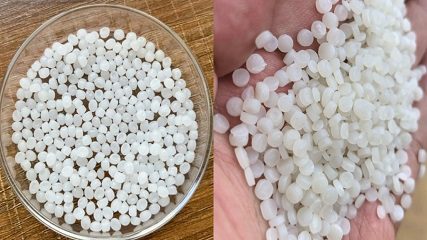
Choosing the wrong plastic can lead to project failure and wasted money. Understanding the fundamental differences between common materials like PP and HDPE is crucial for making the right call.
High-Density Polyethylene (HDPE) is known for its high strength, impact resistance, and good UV resistance, making it ideal for outdoor applications. In contrast, Polypropylene (PP) has a lower density, is more flexible, and excels in molding, making it perfect for furniture and automotive parts.
Now that you grasp the basic distinction, you might be asking which one is truly the best for your specific project. These materials are often compared, but the answer to which is "better" isn't always simple and depends entirely on what you want to achieve. Let's break down the common questions to give you a clearer picture and help you make an informed decision for your manufacturing needs.
Is PP better than HDPE?
You're trying to decide between PP and HDPE, worried that picking the wrong one will compromise your product. This decision can be tough, but it's simple when you focus on the application.
Neither PP nor HDPE is universally "better." The best choice depends on your needs. PP is superior for applications requiring heat resistance and flexibility, like microwaveable containers. HDPE is better for products needing high strength and UV stability, like outdoor pipes and containers.
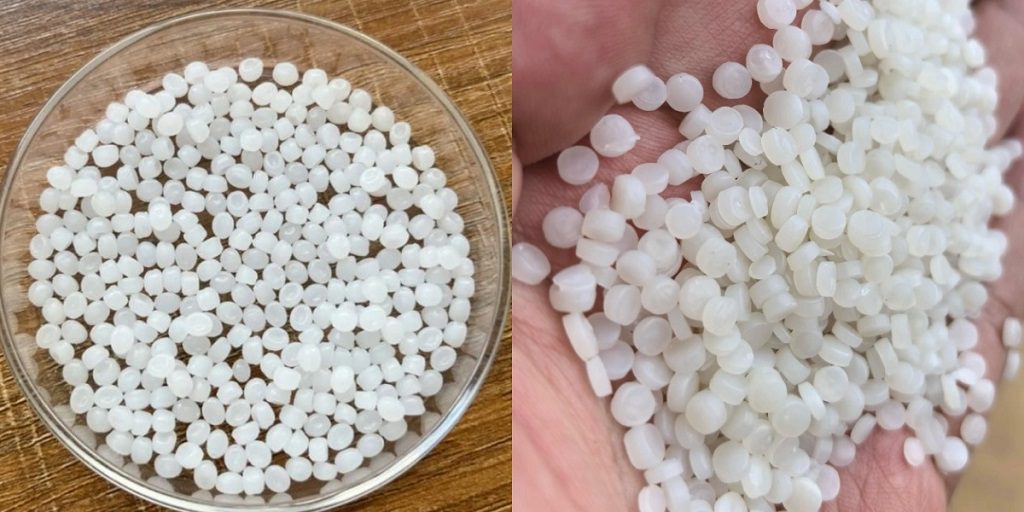
To really understand which material to choose, we need to look closer at their specific properties. The decision isn't just about one or two features; it's about how the entire profile of the material fits your product's lifecycle. For example, a part that needs to bend repeatedly without breaking would be perfect for PP, while a container for harsh chemicals needs the resistance of HDPE.
Let's compare them side-by-side.
| Feature | Polypropylene (PP) | High-Density Polyethylene (HDPE) |
|---|---|---|
| Heat Resistance | Higher melting point (~160°C), good for hot-fill. | Lower melting point (~130°C), not for high heat. |
| Strength & Rigidity | More flexible, less dense. | Higher strength-to-density ratio, more rigid. |
| Chemical Resistance | Good resistance to many chemicals. | Excellent resistance to a wide range of chemicals. |
| UV Resistance | Poor, degrades without special additives. | Good, especially when additives are used. |
| Common Uses | Automotive parts, living hinges, food containers. | Pipes, bottles, outdoor furniture, chemical tanks. |
As you can see, I often recommend PP for parts that need to be lightweight and flexible, like interior car components. But for a project that will live outdoors and needs to be tough, like a playground slide, I would always choose HDPE.
What is the disadvantage of HDPE?
HDPE seems like the perfect durable material, but using it in the wrong setting can lead to failure. If you use it for a high-heat part, you will have a problem. Knowing its limitations from the start is key to avoiding costly design mistakes down the road.
The main disadvantages of HDPE are its relatively low melting point, making it unsuitable for high-temperature applications. It can also be susceptible to stress cracking under specific conditions and is difficult to bond with adhesives due to its waxy surface.
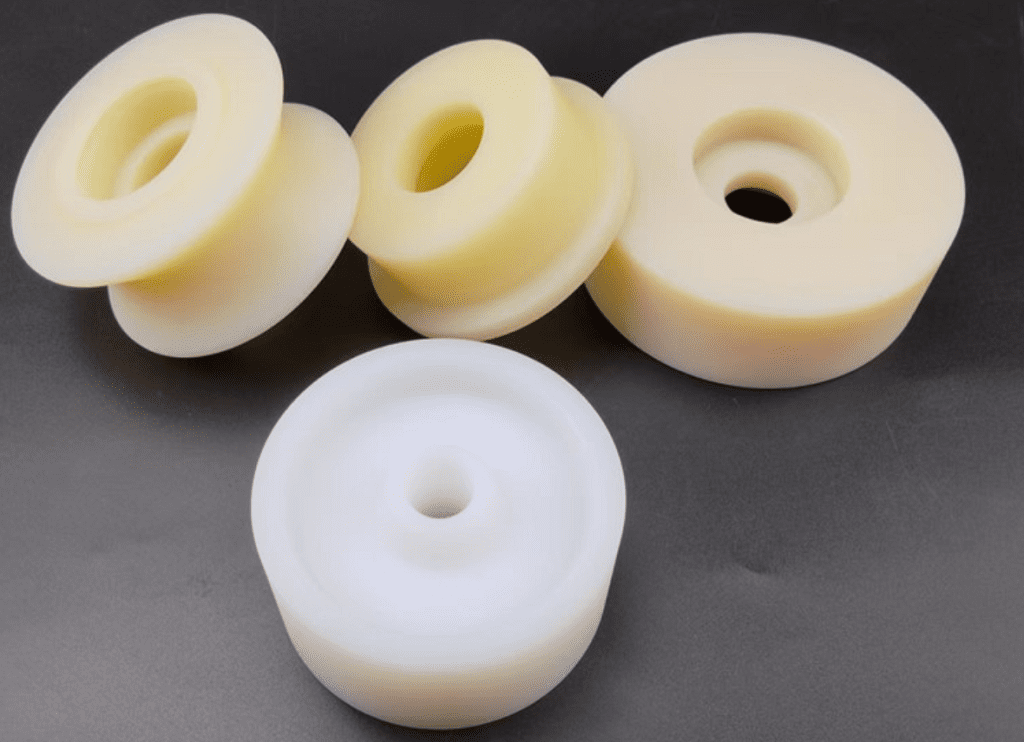
While HDPE is a fantastic material for many applications I handle at Worthy Hardware, it's not a magical solution for everything. I've had conversations with clients like Mark from Canada, who need durable parts but also have to consider every aspect of performance. For him, understanding the downsides is just as important as knowing the benefits.
Temperature Limitations
HDPE can't handle high temperatures. Its melting point is much lower than PP. This means it's a poor choice for any part that will be exposed to significant heat, like components near an engine or items that need to be sterilized with steam.
Susceptibility to Stress Cracking
Under certain conditions, HDPE can suffer from what is known as Environmental Stress Cracking (ESC). This happens when the material is exposed to certain chemicals (like detergents or alcohols) while under physical stress. Over time, this can cause the plastic to crack and fail unexpectedly, even if the load isn't very high.
Bonding and Painting
HDPE has a very non-polar, waxy surface. This makes it very difficult for glues and paints to adhere to it properly. While special surface treatments can be done, it adds an extra step and cost to the manufacturing process. If your design requires bonding parts together, another material might be a simpler choice.
Which is better, PET or HDPE?
You see PET and HDPE used for bottles everywhere, but choosing between them for your own product is confusing. The wrong choice could affect everything from shelf life to how your product looks on the shelf. Let's clarify which one is the right fit.
Neither material is better; they serve different purposes. PET is transparent, lightweight, and provides a great barrier against oxygen, making it ideal for beverages like water and soda. HDPE is opaque, tougher, and more chemical-resistant, making it perfect for milk jugs and chemical containers.
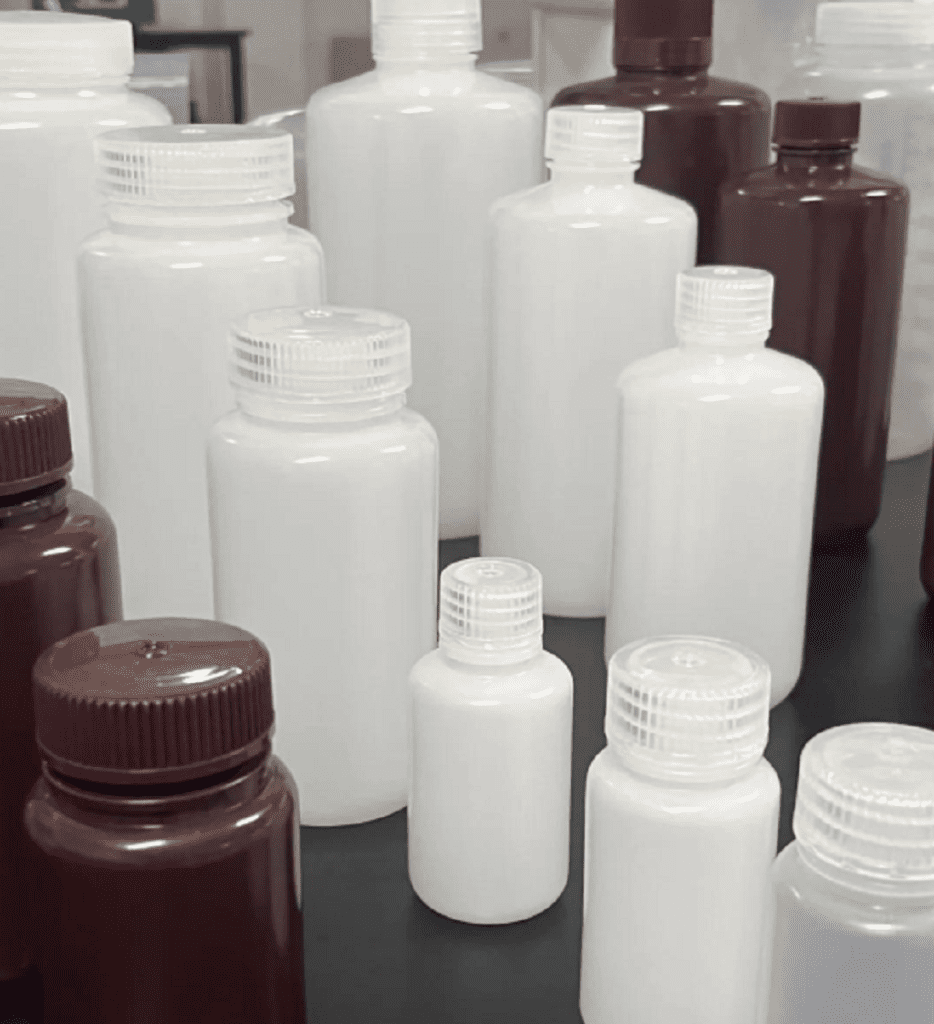
When I work on projects at Worthy Hardware, the material choice is always guided by the end-use. If a customer needs a clear container to showcase a product, PET is the obvious winner. But if the product is a harsh cleaning agent or needs to be very durable, I steer them towards HDPE. The context is everything.
Let's break down the key differences to help you decide.
Clarity vs. Opacity
- PET (Polyethylene Terephthalate): This is your go-to material for clarity. It has a glass-like appearance that allows consumers to see the product inside, which is why it's used for water bottles and food jars.
- HDPE: It is naturally translucent or opaque. While you can add color, you will never get the crystal-clear look of PET. This is great for products that are light-sensitive, like milk.
Barrier Properties
- PET: Offers an excellent barrier against oxygen and carbon dioxide. This is crucial for preserving the freshness and fizziness of carbonated drinks.
- HDPE: It's a great moisture barrier but not as effective against oxygen. This makes it suitable for products that don't spoil from air exposure but need to be protected from moisture.
Rigidity and Impact Strength
- PET: It is strong and lightweight but can be brittle. It can shatter on impact.
- HDPE: It is much more impact-resistant and less rigid. It tends to dent or deform rather than shatter, making it a safer option for containers holding potentially hazardous materials.
Which is better high density polyethylene HDPE or polypropylene PP bottles?
You need to choose between an HDPE or a PP bottle for your product and you're stuck. A bad choice could mean your bottle warps, leaks, or just doesn't work for your customer. Let's make this decision easy for you.
For bottles, choose PP if you need heat resistance for hot-filling or sterilization, like for sauces or medical syrups. Choose HDPE if you need superior chemical resistance and durability for products like detergents, shampoos, or industrial chemicals. Both materials are strong and reliable.
The choice between PP and HDPE for bottles comes down to two main factors: temperature and contents. If your product is filled hot, or if the bottle needs to be sterilized in an autoclave, PP is the only choice. It has a higher melting point and won't deform under heat. I recently helped a client develop a container for a hot-fill sauce, and PP was the perfect solution.
On the other hand, HDPE shines when it comes to containing aggressive chemicals. Its robust chemical resistance makes it the industry standard for packaging bleach, motor oil, and agricultural chemicals. It provides a reliable barrier that won't degrade. This is why when you walk through a hardware store, nearly all the chemical containers are made of HDPE. For general-purpose bottles like for shampoo or lotion, HDPE is often preferred for its rigidity and durability, giving the product a high-quality feel.
Conclusion
In short, HDPE is your choice for strength and outdoor use, while PP is better for flexible, lightweight parts. Your project's specific needs will always determine the best material.