
What is the difference between Normalizing vs. Annealing?
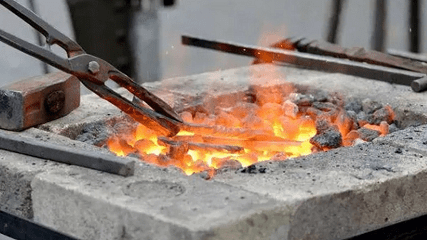
Are you confused by heat treatment terms? Choosing the wrong one can ruin your parts and your budget. I will explain the key differences to help you decide easily.
Normalizing heats steel and air-cools it for uniform properties. Annealing heats steel and cools it very slowly in the furnace to relieve stress and make it as soft as possible. The main difference is the cooling rate, which affects the final mechanical properties of the material.
I talk to customers like Mark from Canada all the time. He knows that the performance of his CNC machined parts depends on more than just the design. The material's properties are critical. Heat treatment is one of the most important steps we take to control those properties. Two of the most common processes we discuss are normalizing and annealing. They sound similar, but they give very different results. Let’s break down exactly what each one does and when you should use them.
Which is better, annealing or normalizing?
Projects demand specific metal properties. Picking the "wrong" heat treatment can lead to part failure and wasted money. So, let’s understand that neither is "better," they just have different goals.
Neither process is universally "better." Normalizing is better for achieving a uniform grain structure and improved strength quickly. Annealing is better for achieving maximum softness, ductility, and stress relief, especially before extensive cold working. Your specific application determines the right choice for your project.
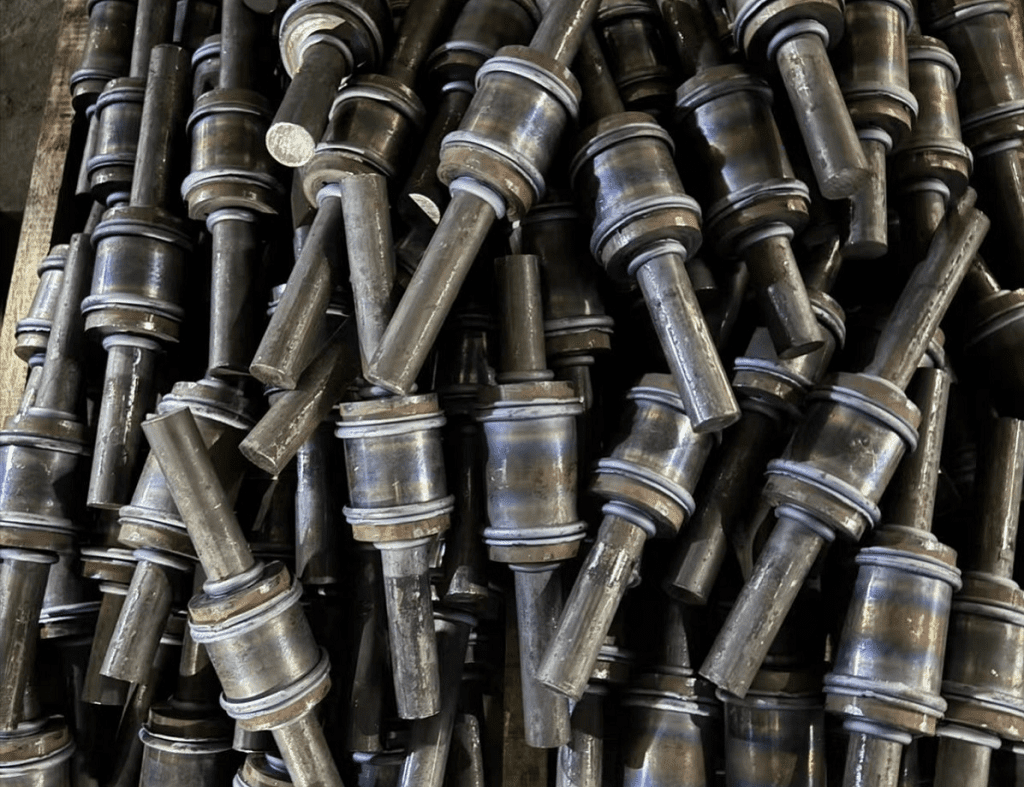
The best choice always depends on what you need the part to do. Think of them as different tools for different jobs. If you need a steel component to be strong and have consistent properties throughout, normalizing is often the way to go. But if you need to bend, press, or shape the material heavily, then you need it to be as soft as possible. In that case, annealing is the clear winner because it makes the steel extremely ductile.
Let me show you a simple comparison.
| Feature | Annealing | Normalizing |
|---|---|---|
| Main Goal | Maximum softness, stress relief | Uniform structure, improved strength |
| Cooling Rate | Very slow (in the furnace) | Moderate (in still air) |
| Hardness | Lower | Slightly higher than annealed steel |
| Ductility | Higher | Lower than annealed steel |
| Best For | Preparing steel for extensive cold working | Refining the grain of forgings and castings |
We had a project for an industrial machine that needed a very tough gear. We chose normalizing for the steel blank to make it strong and reliable. For another client who needed thin stamped brackets, we annealed the steel sheets first so they wouldn't crack during forming.
Is normalizing the same as annealing?
The terms sound similar, and both involve heating steel. This confusion can easily lead to costly mistakes in your material specification. Let me clear it up: they are distinctly different processes.
No, normalizing is not the same as annealing. While both processes involve heating steel above its critical temperature, the key difference lies in the cooling method. Normalizing cools the material in air, while annealing cools it much more slowly, usually inside the furnace. This difference creates distinct microstructures.
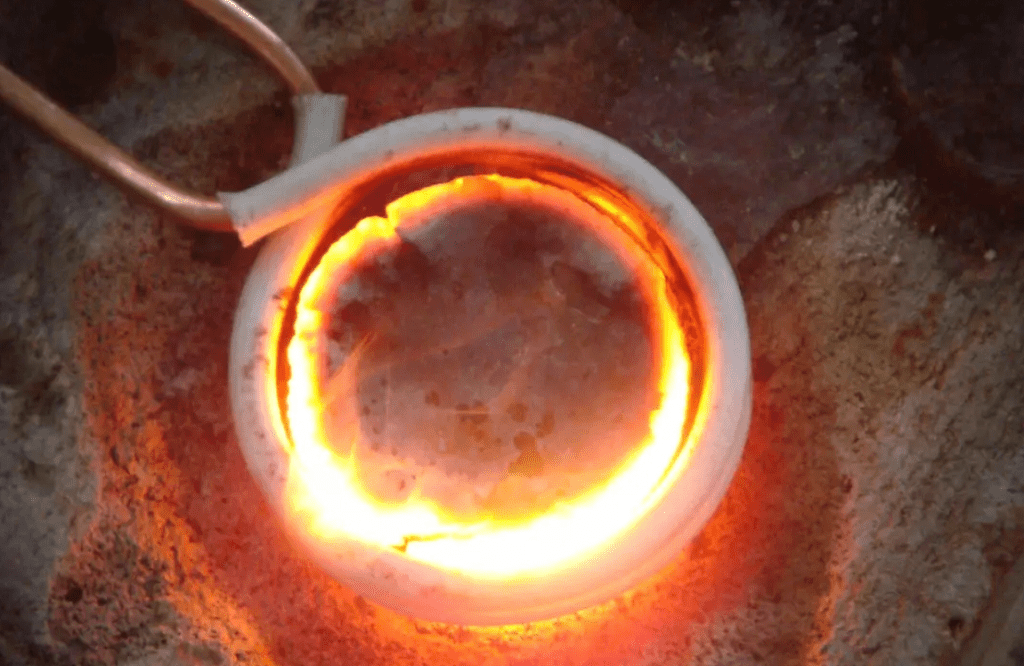
The easiest way to remember the difference is to think about the cooling speed. Imagine taking a hot pizza out of the oven. Normalizing is like leaving it on the counter to cool down. Annealing is like turning the oven off and leaving the pizza inside to cool down over several hours. The faster air cooling of normalizing creates a finer, more uniform grain structure, which results in a slightly harder and stronger material. The slow furnace cooling of annealing allows larger grains to form, which makes the material much softer and more ductile.
A customer once sent us a drawing specifying "anneal/normalize," not realizing they were two separate processes with opposite effects on hardness. We had to call them and clarify their actual goal for the part's performance. That phone call saved them from getting parts that would have failed in their application. So, even though they both start with heating, the way they end makes all the difference.
Does normalising improve hardness?
Are you trying to make steel harder for better wear resistance? You might wonder if normalizing is the right step. The answer can be a bit tricky if you don't have all the facts.
Yes, normalizing does increase hardness compared to annealing. The faster cooling rate in air creates a finer pearlite microstructure, which is harder and stronger than the coarse pearlite formed during the slow cooling of annealing. However, normalizing does not make steel as hard as quenching processes like hardening.
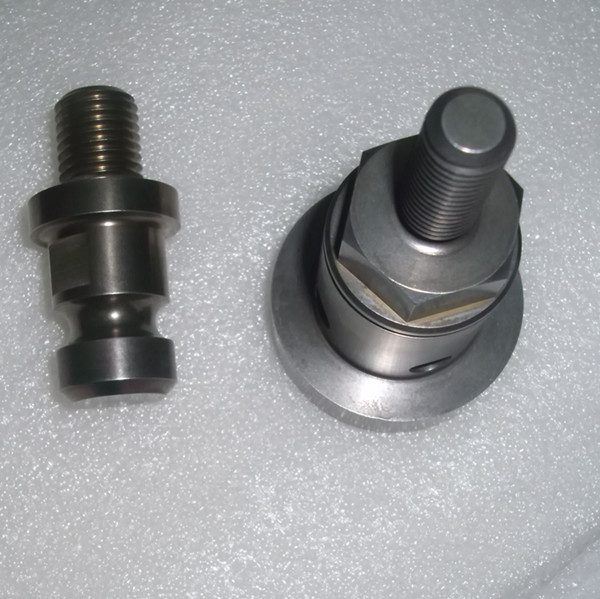
It's all about perspective. If you start with a steel part that is in a fully annealed (very soft) state, then normalizing it will definitely make it harder. I remember we worked on some forged components for a client. The raw forgings had an inconsistent grain structure and were too soft. We normalized them, which refined the grain structure and increased the hardness to the level they needed for final machining and use.
However, you should not confuse normalizing with hardening treatments like quenching and tempering. Quenching involves cooling the steel very rapidly in water, oil, or another medium to achieve maximum hardness. Normalizing is a much gentler process. So, while it improves hardness over annealing, it is mainly used to refine the grain structure and relieve internal stresses from prior work, not to create a very hard, wear-resistant surface.
- Compared to Annealing: Normalizing results in higher hardness.
- Compared to Raw Steel: Normalizing often makes the steel harder and more uniform.
- Compared to Quenching: Normalizing results in much lower hardness.
Can aluminum be normalized?
Your project might use aluminum, a very popular material. So, you might ask if you can apply these same heat treatments to it. This is a great question that shows you're really thinking about materials.
No, aluminum cannot be normalized. Normalizing is a process specific to ferrous alloys like steel that undergo a phase transformation at critical temperatures. Aluminum is a non-ferrous alloy and does not have this same phase change, so normalizing would have no beneficial effect on its grain structure.
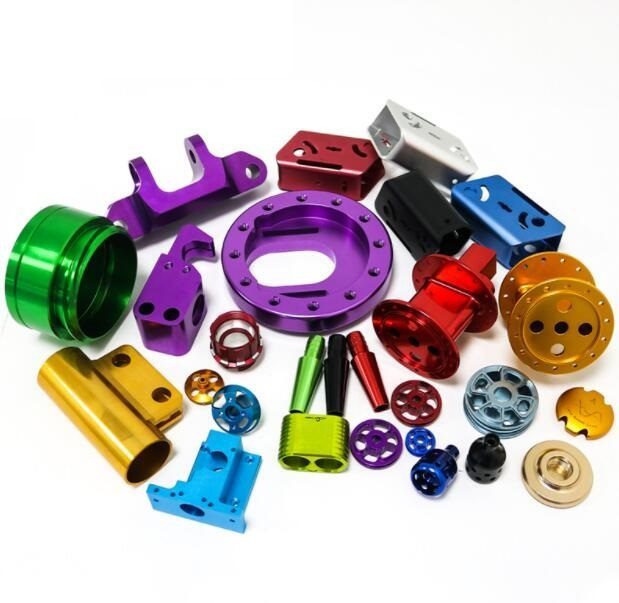
This is a very important point that many people get wrong. The entire reason normalizing works for steel is that when you heat it up, its crystal structure changes. Cooling it in air freezes a new, refined structure in place. Aluminum and its alloys simply don't do this. When you heat aluminum, its grains might grow, but there is no phase transformation.
If you need to change the properties of aluminum, you need to use different heat treatment processes. These are usually designated by a "T" temper, like T6.
Common Aluminum Heat Treatments:
- Annealing (O Temper): Yes, you can anneal aluminum. This process involves heating it and then cooling it slowly to make it as soft and ductile as possible. This is useful before forming operations.
- Solution Heat Treating & Aging: This is the most common way to strengthen aluminum alloys. The material is heated to a high temperature, quenched in water, and then either aged naturally at room temperature or artificially aged in an oven (like for the T6 temper).
So, while you can't normalize aluminum, there are many other ways to get the specific properties you need from it.
Conclusion
Both normalizing and annealing are key heat treatments for steel, but they serve different goals. Normalizing provides strength and uniformity, while annealing delivers maximum softness and stress relief for better formability.