
What Is The Difference Between Hot Black Oxide And Cold Black Oxide?
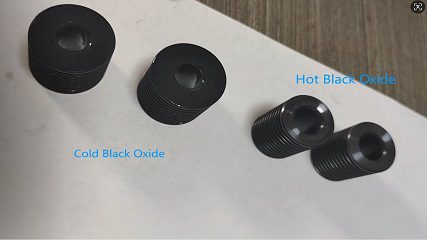
Choosing the wrong finish can ruin your custom parts. Imagine your parts corroding quickly, costing you time and money. Understanding black oxide options ensures you get a durable, long-lasting finish.
Hot black oxide is a true conversion coating created at high temperatures (~145°C), offering excellent durability. Cold black oxide is a room-temperature process that deposits a less durable copper selenide compound. For most industrial applications, we recommend hot black oxide for its superior protection.
Now you know the basic difference, but the details are what really matter for your project. Choosing the right process affects everything from the part's lifespan to its final cost. Let's break it down further, so you can make an informed decision for your custom CNC parts.
What is the difference between hot and cold black oxide?
You hear "hot" and "cold" but don't know what that means for your parts' performance. Selecting the wrong one could lead to premature corrosion and costly failures down the line.
Hot black oxide uses a boiling alkaline salt bath to form a strong magnetite conversion coating. Cold black oxide uses an acidic copper-selenium solution at room temperature. The hot process provides significantly better abrasion and corrosion resistance, making it the superior choice for most professional uses.
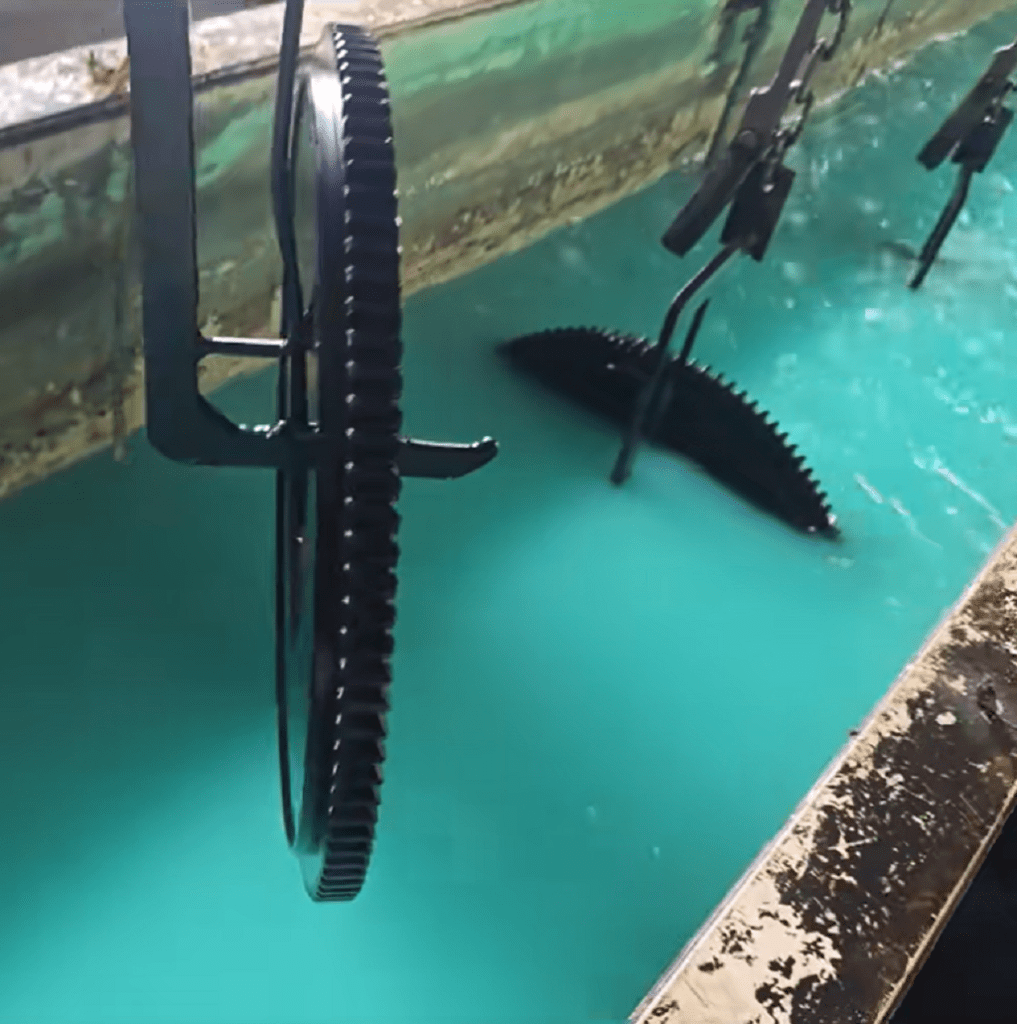
When my clients ask for a black finish, they usually need reliability. Hot black oxide is our standard recommendation for this reason. The process itself is more involved, but the results are worth it. It creates a finish that is part of the metal itself, not just a layer on top.
Process Breakdown
The name tells you the biggest difference: temperature. Hot black oxide requires boiling tanks, while cold black oxide works at room temperature. This changes the chemistry and the final result.
| Feature | Hot Black Oxide | Cold Black Oxide |
|---|---|---|
| Temperature | 135°C to 145°C (275°F to 293°F) | Room temperature |
| Chemistry | Alkaline salt solution (sodium hydroxide) | Acidic solution (copper & selenium salts) |
| Coating Type | Magnetite (Fe3O4) conversion coating | Copper selenide deposition |
| Application | Industrial, high-volume production | Small-scale repairs, decorative |
The hot process is truly a chemical change on the steel's surface. Cold blackening is more like a carefully applied deposit. That is why hot black oxide is much more durable.
What are the different types of black oxide coating?
You need a black oxide finish but see different types mentioned. Choosing incorrectly could mean the finish doesn't adhere properly or fails to protect your specific metal alloy.
The main types are based on the material they are applied to. The most common is hot black oxide for steel. There are also specialized processes for stainless steel, copper, and zinc. Each uses a unique chemical formula to create the desired black finish on that specific metal.
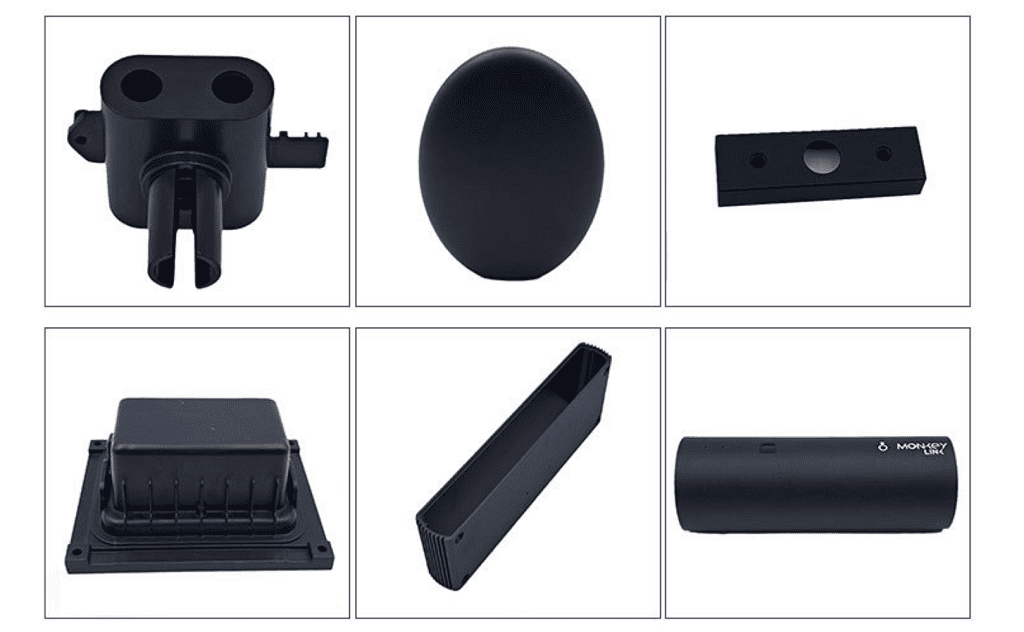
In my years of CNC machining, I've learned that not all metals are the same. You can't use the same chemical bath for steel on a copper part and expect good results. That's why we have different processes. Each one is tailored to the metal's unique properties.
Material-Specific Coatings
The base material dictates the chemical bath. You must match the process to the metal for a successful coating.
-
For Ferrous Metals (Steel, Iron): This is the most common process. We use a hot bath of sodium hydroxide, nitrates, and nitrites. It creates that tough, corrosion-resistant magnetite (Fe3O4) layer. This is the coating we use most often at Worthy Hardware for our steel CNC parts.
-
For Stainless Steel: Stainless steel is resistant to the standard hot oxide process. It requires a different, more aggressive solution that works at a lower temperature to blacken the surface without compromising the steel's natural corrosion resistance.
-
For Copper and Brass: These alloys use a different chemical bath, often containing chlorites. The finish is primarily decorative but also prevents tarnishing. It creates a deep black look that is very popular for consumer products.
Choosing the right type is the first step to a quality finish.
Is black oxide the same as gun bluing?
You might hear "gun bluing" and "black oxide" used together. It is confusing and can make you wonder if you are getting the right industrial finish for your parts.
Yes, traditional hot gun bluing is a form of hot black oxide. They are essentially the same process. The term "bluing" comes from the blue-black hue that appears on the steel. Both create a magnetite layer for corrosion resistance and a non-reflective finish.
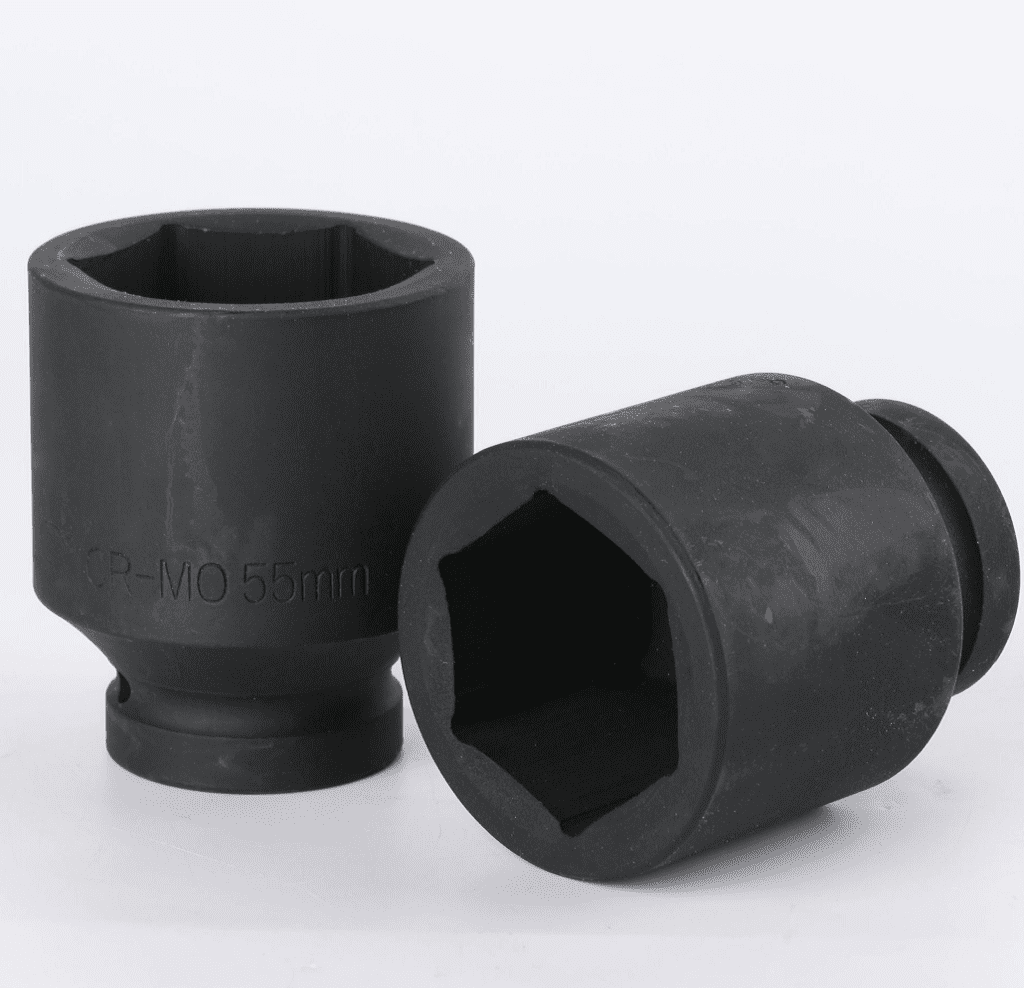
Many of my customers, especially those new to finishes, ask me this exact question. I always tell them to think of gun bluing as a specific application of the hot black oxide process. For firearms, manufacturers perfected this finish to provide wear resistance and reduce glare. We use the same fundamental process in our shop to protect industrial components like gears, shafts, and custom fixtures. The goal is the same: create a durable, protective, and attractive black finish that is part of the metal itself. Whether you call it bluing or black oxide, you are talking about that reliable magnetite conversion coating.
The two terms describe the same fundamental finish, born from the same chemical reaction.
- Conversion Coating: Both processes convert the surface of the steel into black iron oxide (magnetite, Fe3O4). It is not paint or plating; it is an integral part of the metal.
- Corrosion Resistance: The primary purpose is to provide moderate corrosion resistance. This protection is greatly enhanced when a post-treatment oil or wax is applied.
- Aesthetics: Both produce a deep, rich black finish. The exact color can range from blue-black to deep black, depending on the steel alloy and process variables.
- Application: While "bluing" is associated with firearms, "black oxide" is the common industrial term. The process is identical for CNC machined parts, tools, and automotive components.
Does black oxide add thickness?
You are designing a part with very tight tolerances. Even a small change in thickness from a coating could cause the entire assembly to fail, which is a big concern.
No, black oxide does not add any meaningful thickness. The process creates a conversion coating with a thickness of only 5 to 10 millionths of an inch (about 0.0001 mm). This change is so minimal that it does not affect the dimensional tolerances of precision-machined parts.
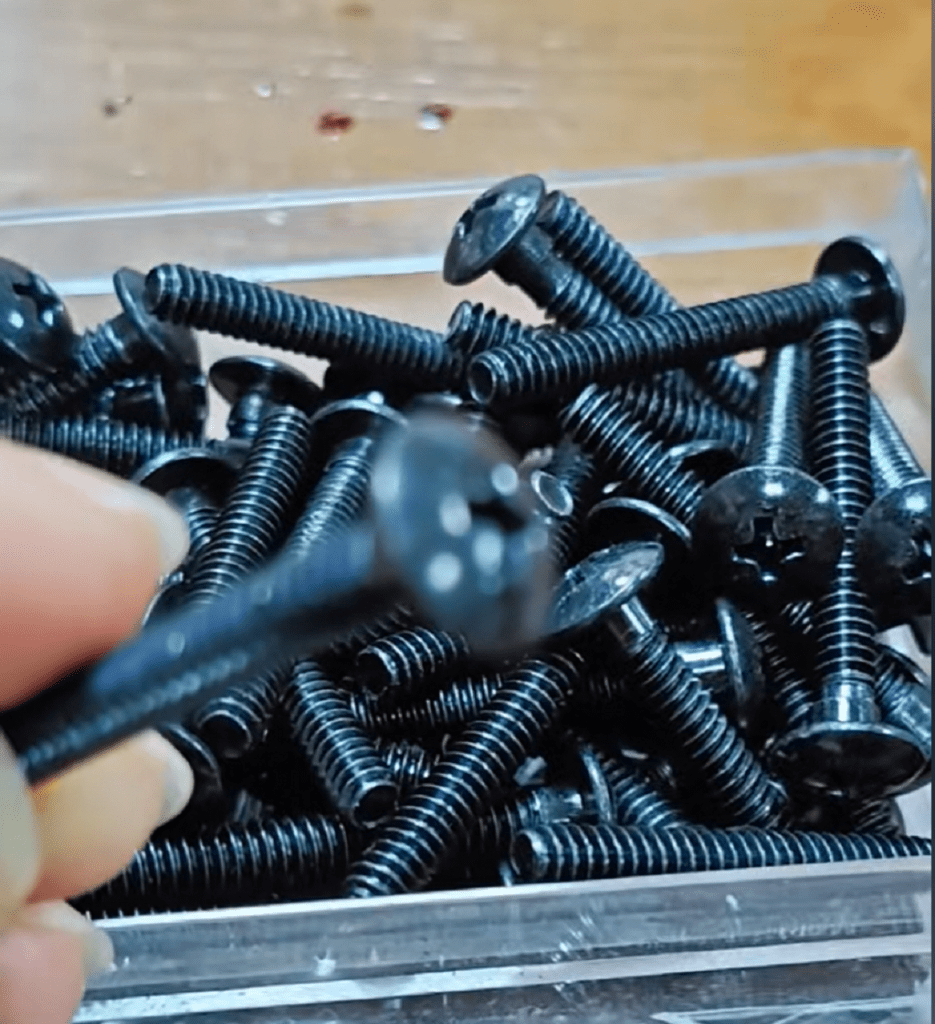
This is one of the biggest advantages of black oxide, especially for the high-precision parts we make at Worthy Hardware. I've had many engineers, like Mark from Canada, who worry about this. They have parts with tolerances as tight as +/- 0.001 inches, and they can't afford any buildup from a finish. I always assure them that black oxide is the perfect solution. Unlike plating or painting that adds a distinct layer, black oxide converts the existing surface. This means their parts fit together perfectly after coating, just as they were designed. It is why we recommend it so often for complex assemblies and precision components where every thousandth of an inch matters.
Why Dimensional Stability Matters
For precision parts, maintaining dimensions is critical.
- Integral Layer: Black oxide is not an additive layer. It is a chemical conversion of the top molecules of the steel. This is why the dimensional change is practically zero.
- Tight Tolerances: Our customers often require tolerances that other finishes would ruin. Since black oxide does not add thickness, we can coat threaded parts, bearing surfaces, and other critical features without any issues.
- No Interference: Parts will assemble perfectly without the need for re-machining or adjusting designs to account for the finish. This saves you time and money.
When you need a protective finish that will not change your part's dimensions, black oxide is the ideal choice.
Conclusion
Both hot and cold black oxide have their uses. But for durable, reliable, and professional results on CNC machined parts, hot black oxide is the clear winner for industrial applications.