
What is Brass CNC Machining?Advatanges, Grades, Applications and Factors
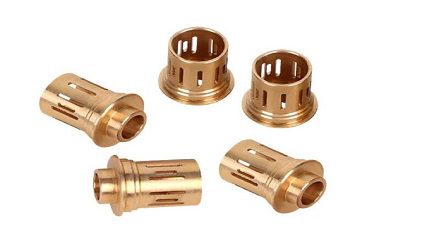
Brass CNC machining is a subtractive manufacturing process using computer-controlled machines to precisely shape brass. Its primary advantage is exceptional machinability, which allows for faster cutting speeds and reduced tool wear. This results in high efficiency, lower production costs, and excellent value for custom parts.
The efficiency and cost-effectiveness of brass are just the beginning. To truly understand why it is such a popular choice in manufacturing, we need to examine the process more closely and break down the specific benefits it offers. Let's dive into the details of what makes brass a superior material for CNC machining projects.
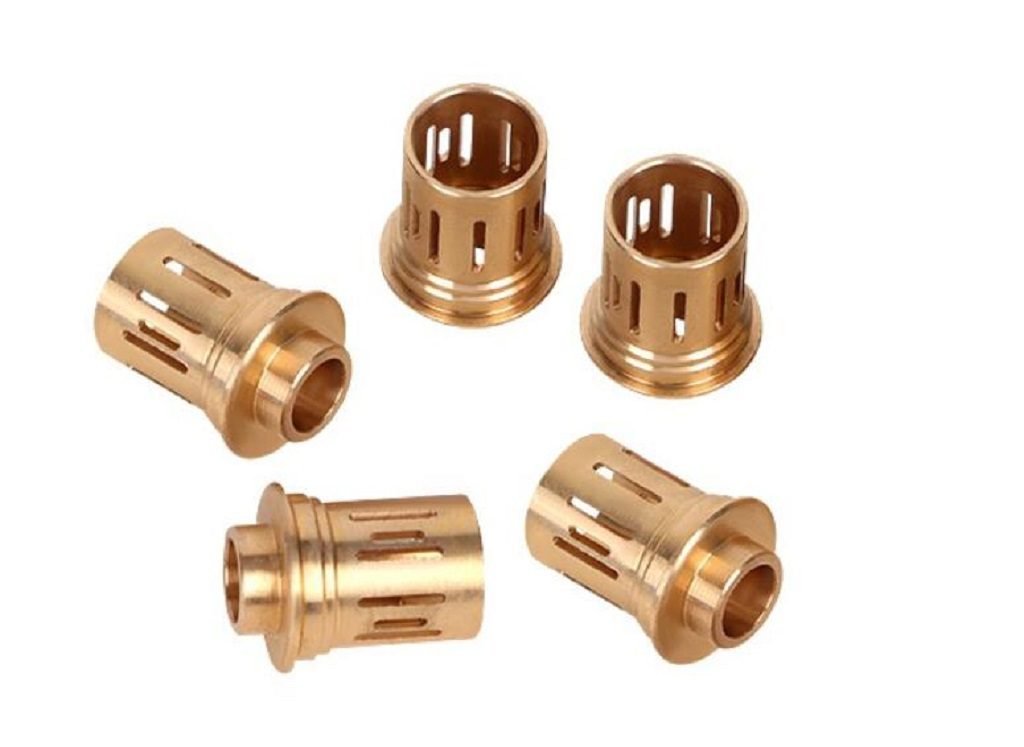
What is Brass CNC Machining?
Brass CNC machining is a subtractive manufacturing process. We use Computer Numerical Control (CNC) technology to automate the shaping of brass workpieces. The process begins with a solid block or rod of a specific brass alloy. A digital 3D model, typically a CAD file, provides the instructions for the CNC machine.
The machine's cutting tools, such as end mills, drills, and turning tools, then remove material from the workpiece. This controlled removal process continues layer by layer until the final, desired geometry is achieved. Because the entire operation is computer-controlled, we can produce parts with extremely high precision and consistency, meeting tight tolerances every time. The inherent properties of brass make this entire process exceptionally smooth and efficient.
What are the Advantages of Using Brass for CNC Machining Projects?
- High Machinability and Efficiency: Brass is renowned for its excellent machinability, often referred to as being "free-machining." This means it requires less force to cut compared to many other metals like steel or stainless steel. During machining, brass produces small, broken chips that are easily cleared from the cutting area, preventing buildup. This characteristic allows us to run our machines at higher speeds and feed rates, significantly reducing the time it takes to produce each part. Shorter cycle times lead directly to faster project turnaround and increased production capacity.
- High Cost-Effectiveness: The high machinability of brass directly translates into lower production costs. Faster machining means less machine run-time is needed per part, which reduces both labor and operational costs. Furthermore, the soft, low-friction nature of brass causes minimal wear on our cutting tools. Tools last longer and require less frequent replacement, which is a significant cost-saving factor, especially in high-volume production runs. This combination of reduced machine time and longer tool life makes brass an extremely economical choice for our clients.
- Excellent Corrosion and Electrical Properties: Beyond its machinability, brass offers superior performance characteristics. For instance, C360 brass, a grade we frequently use, exhibits excellent resistance to corrosion. This makes it ideal for parts used in plumbing and marine environments, such as water valves and fittings. C360 also has good electrical conductivity, making it a preferred material for manufacturing precise electronic components like connectors and terminals. These properties ensure that the final product not only is cost-effective to produce but also performs reliably in its end-use application.
What are the Different Brass Grades and Their Properties?
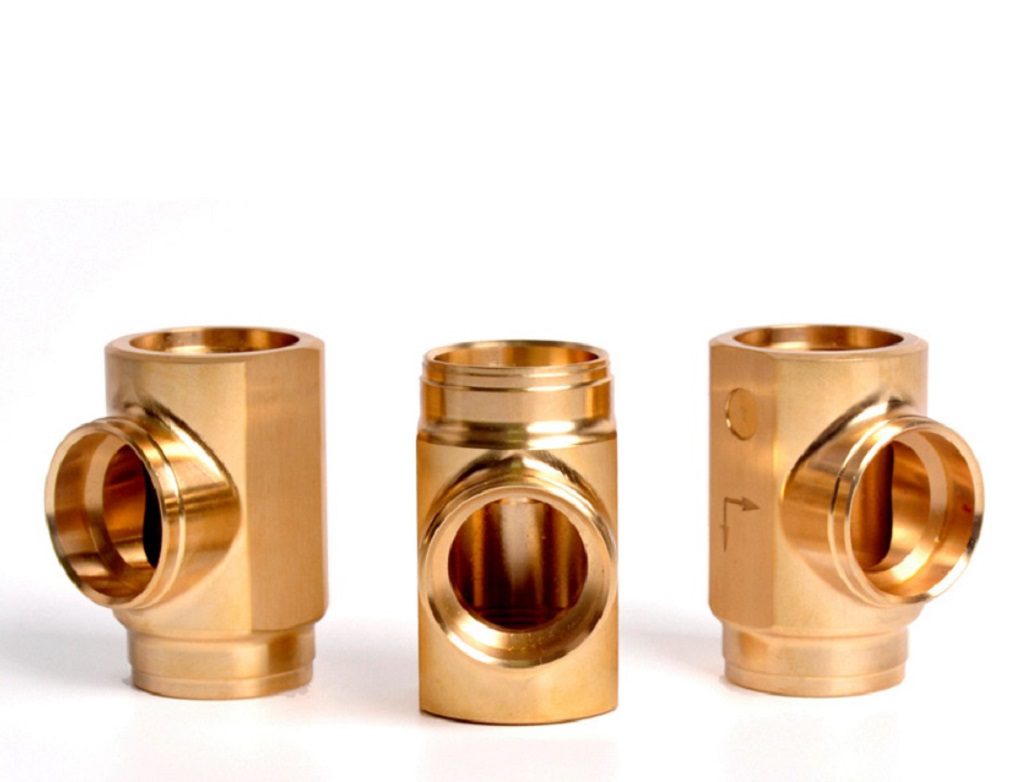
Brass C360 (Free-Machining Brass)
This is the most common brass alloy used for machining, and for good reason. It is often the standard against which other materials' machinability is measured.
- Composition: C360 is typically composed of approximately 61.5% copper, 35.5% zinc, and 2.5-3.7% lead. The small amount of lead is key to its performance.
- Properties: It has a machinability rating of 100%, making it the easiest and fastest material to cut. The lead content acts as an internal lubricant and promotes the formation of small, brittle chips that break away cleanly. This results in an excellent surface finish and minimal tool wear. It also has good strength and corrosion resistance.
- Applications: We use C360 extensively for high-volume production of parts like plumbing fittings, valves, nozzles, fasteners, gears, and electrical connectors.
Brass C260 (Cartridge Brass)
Also known as "70/30 brass," C260 has a much different set of properties compared to C360.
- Composition: It consists of approximately 70% copper and 30% zinc. It does not contain lead.
- Properties: The absence of lead gives C260 excellent ductility and formability. It is one of the best brass alloys for cold working, bending, and deep drawing. However, its machinability is significantly lower than C360, with a rating of only about 30%.
- Applications: Its formability makes it ideal for parts that require shaping before or after machining. Common applications include ammunition casings (hence its name), hardware, radiator cores and tanks, and electrical sockets.
Brass C230 (Red Brass)
This alloy is distinguished by its high copper content and its resulting reddish-gold color.
- Composition: It is nominally composed of 85% copper and 15% zinc. It is a lead-free alloy.
- Properties: The high copper content gives C230 excellent corrosion resistance, particularly against dezincification and stress corrosion cracking. It is also very ductile and has good strength. Its warm, rich color makes it visually appealing for decorative applications. However, its machinability is relatively low, around 30% of C360, due to the absence of lead.
- Applications: We often machine C230 for high-quality plumbing components like pipes, tubing, and faucet fixtures where longevity and resistance to water corrosion are paramount. It is also used for architectural trim, fire extinguishers, and decorative hardware.
This alloy is specifically designed for service in corrosive environments, particularly in contact with saltwater.
- Composition: C464 contains approximately 60% copper, 39.2% zinc, and a crucial addition of 0.8% tin.
- Properties: The tin content provides exceptional resistance to dezincification, a type of corrosion where zinc is leached from the alloy in the presence of saltwater. It has good strength and rigidity, making it suitable for structural applications. Its machinability is fair, around 30%, similar to C260.
- Applications: As its name suggests, it is widely used for marine hardware, including propeller shafts, valve stems, condenser plates, and other components exposed to seawater.
Brass C385 (Architectural Bronze)
Despite its common name, C385 is technically a brass alloy, not a bronze. It is valued for its mechanical properties and aesthetic appearance.
- Composition: Its composition is similar to C360, containing about 57% copper, 40% zinc, and 3% lead.
- Properties: It shares the excellent machinability of C360. It is strong, corrosion-resistant, and takes a beautiful finish. It is often extruded into specific shapes like channels, angles, and bars for architectural use.
- Applications: We machine C385 for decorative and structural elements such as handrails, window frames, door trim, and ornamental hardware. Its combination of easy fabrication and elegant appearance makes it a popular choice.
This grade offers a balance between the corrosion resistance of Naval Brass and the machinability of free-cutting brass.
- Composition: C485 has a composition similar to Naval Brass but with a significant addition of lead. It typically contains around 60% copper, 37.5% zinc, 0.75% tin, and 1.75% lead.
- Properties: It combines the excellent resistance to seawater corrosion from the tin content (like C464) with much-improved machinability from the lead content. Its machinability rating is approximately 70%, making it significantly easier to machine than standard Naval Brass.
- Applications: This grade is an excellent choice for complex marine components that require extensive machining. We use it for marine hardware, valve stems, and fittings where both corrosion resistance and efficient, cost-effective manufacturing are required.
Which Industries Utilize Brass in CNC Machining?
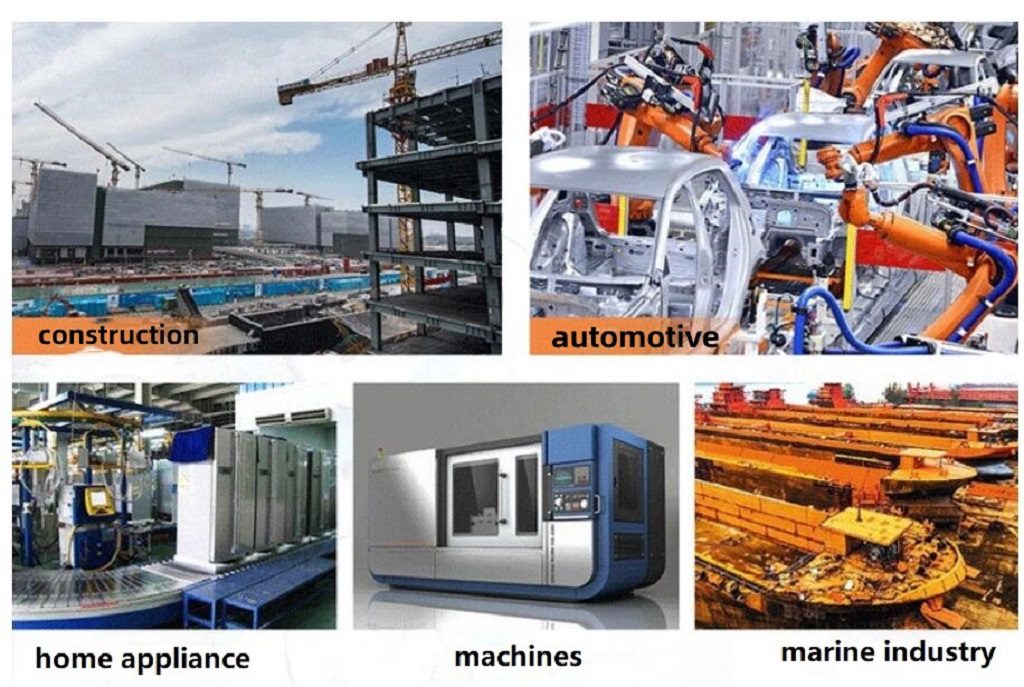
Plumbing and HVAC
This is one of the largest markets for machined brass parts. The material's outstanding resistance to corrosion from water and its cost-effective manufacturability make it the ideal choice.
- Key Properties: Corrosion resistance, durability, pressure tightness.
- Common Applications: We machine countless plumbing fittings, valve bodies, faucet components, pipe connectors, and thermostat parts. The reliability of brass ensures these components have a long service life without leaking or degrading.
Electronics and Electrical
Brass is a go-to material for electrical components due to its excellent electrical conductivity and good mechanical strength.
- Key Properties: Electrical conductivity, corrosion resistance, high machinability for complex shapes.
- Common Applications: We produce a high volume of small, intricate parts such as electrical terminals, connectors, pins, sockets, and switch components. The high precision achievable with CNC machining ensures a perfect fit and reliable electrical connections for our clients' electronic assemblies.
Automotive
In the automotive industry, brass is used for components that require a combination of durability, corrosion resistance, and good bearing properties.
- Key Properties: Wear resistance, corrosion resistance, conductivity.
- Common Applications: Common parts we manufacture include fluid line fittings for fuel and brakes, sensor housings, radiator fittings, and various bushings and bearings. Its reliability is critical for vehicle safety and performance.
Marine
For components exposed to saltwater, specialized brass alloys are essential. Naval brass, in particular, offers superior resistance to dezincification.
- Key Properties: Exceptional resistance to saltwater corrosion, good strength.
- Common Applications: We machine parts like propeller shafts, marine hardware, valve stems, and fittings for shipbuilding and offshore equipment. These components must withstand the harsh marine environment for extended periods.
Consumer Goods and Musical Instruments
The aesthetic quality of brass, with its bright, gold-like appearance, makes it popular for high-end consumer products and musical instruments.
- Key Properties: Aesthetic appearance, acoustic properties, corrosion resistance.
- Common Applications: We machine decorative hardware, high-end lighter casings, luxury pen parts, and components for musical instruments. In instruments like trumpets and trombones, the specific brass alloy directly influences the tone and sound quality.
What are the Tips for Successful Brass CNC Machining?
Select the Correct Brass Grade:
This is the most critical first step. For high-volume production where speed is key, we almost always recommend C360 Free-Machining Brass. For parts requiring significant cold forming or bending, C260 is a better choice. For marine applications, C464 Naval Brass is non-negotiable. Matching the grade to the application's demands is essential for success.
Optimize Speeds and Feeds:
Brass's main advantage is its machinability, so we leverage this by using aggressive machining parameters. We run our machines at very high spindle speeds (RPM) and feed rates. This drastically reduces cycle times. However, the feed rate must be carefully balanced; too high a feed can compromise surface finish, while too low can cause rubbing and unnecessary tool wear.
Use Sharp Tooling:
Brass is soft, and using extremely sharp cutting tools is crucial for achieving a clean cut and an excellent surface finish. We primarily use carbide tools for their long life and ability to hold a sharp edge. Uncoated carbide is often sufficient, but coatings like TiN (Titanium Nitride) can further extend tool life, especially in very high-volume runs.
Effective Chip Management
Although C360 produces small, manageable chips, these can pack into deep holes or tight pockets. A constant and high-pressure flow of coolant is vital. The coolant not only lubricates and cools the cutting zone but, more importantly, flushes chips away from the workpiece. This prevents tool breakage, maintains surface integrity, and avoids recutting of chips, which can mar the finish. For certain operations, a targeted air blast can also be effective.
Proper Workholding
Because brass is a relatively soft material, excessive clamping pressure from a vise or chuck can easily deform or damage the workpiece. Our machinists are trained to use just enough pressure to hold the part securely without distorting its geometry. For delicate or thin-walled parts, we design custom soft jaws or fixtures to distribute the clamping force evenly.
Coolant Selection
While some grades of brass can be machined dry, using a high-quality coolant is always our preferred method. A water-soluble oil emulsion is typically the best choice. It provides a good balance of cooling and lubrication, resulting in better surface finishes and significantly longer tool life. It also helps prevent the fine brass dust from becoming airborne.
Post-Machining Deburring
Even with ideal cutting conditions, small burrs can form on part edges. Our standard procedure includes a deburring step for all machined parts. For most components, this is handled efficiently through vibratory tumbling, which removes sharp edges and creates a uniform finish. For parts with very tight tolerances or delicate features, deburring is done carefully by hand under magnification.
What Finishing Options are Available for Brass CNC Machined Parts?
As-Machined Finish: This is the most cost-effective option. The part is supplied directly after the final machining operation, with sharp edges deburred. Our standard as-machined finish has a surface roughness of 125 Ra or better, showing fine but visible tool marks. This is suitable for many internal components or functional parts where appearance is not a primary concern.
Tumbling (Vibratory Finishing): This is a mass finishing process where parts are placed in a vibratory bowl with abrasive media. It is an excellent and economical way to deburr all edges simultaneously and impart a clean, uniform matte finish. It is often used as a final finish for hardware or as a preparation step for plating.
Brushing: For a decorative, satin appearance, we can apply a brushed finish. This process uses an abrasive belt or wheel to create fine, parallel lines on the surface of the part. This look is very popular for consumer electronics, architectural hardware, and decorative panels as it gives a premium look and helps hide fingerprints.
Polishing: When a bright, reflective, mirror-like finish is required, polishing is the best option. This is a multi-stage manual process. The part is sanded with progressively finer grits to remove all machine marks, then buffed with a series of polishing compounds on a soft wheel. This finish is reserved for high-end decorative items, luxury goods, and display pieces.
Plating: Applying a thin layer of another metal onto the brass surface can enhance properties like corrosion resistance, wear resistance, or electrical conductivity. Common plating options for brass include:
Nickel Plating: Provides excellent corrosion and wear resistance with a bright, silver-like appearance.
Chrome Plating: Offers superior hardness and a highly reflective, durable finish. Often used for plumbing fixtures and automotive trim.
Silver or Gold Plating: Primarily used for enhancing electrical conductivity in high-end connectors or for decorative purposes in jewelry and luxury items.
Passivation: Although brass is naturally corrosion-resistant, passivation can further enhance this property. The process involves dipping the part in a mild acid bath (like citric acid) to remove any free iron and other contaminants from the surface, creating a more uniform and passive surface layer that is more resistant to environmental corrosion.
What Factors Should You Consider When Choosing Brass CNC Machining?
1. Brass Alloy Selection
The single most important decision is choosing the right alloy. Different brass grades have vastly different properties and costs.
- C360 Free-Machining Brass: This is our default recommendation for most applications. Its 100% machinability rating makes it the fastest and most cost-effective brass to machine, making it ideal for high-volume production.
- C260 (Cartridge Brass): If your part requires significant bending, crimping, or other cold-working operations after machining, C260 is a better choice due to its higher ductility. However, its machinability is much lower, which increases machining time and cost.
- C464 (Naval Brass): For any component exposed to saltwater or other corrosive environments, this alloy is mandatory. The addition of tin provides excellent resistance to dezincification. It is less machinable than C360 but essential for marine applications.
- Leaded vs. Lead-Free: With regulations like RoHS, the lead content is a critical factor. C360 contains lead, which enhances machinability. If your application requires lead-free compliance, we must use an alternative alloy, which will impact machining parameters and cost.
2. Part Design and Complexity
The geometry of your part directly influences manufacturing difficulty and cost. We encourage our clients to consider Design for Manufacturability (DFM).
- Wall Thickness: Brass is soft, so extremely thin walls (under 0.020” or 0.50 mm) can be prone to vibration or distortion during machining. Maintaining a robust wall thickness improves stability.
- Internal Radii: CNC machines use round tools. Therefore, creating perfectly sharp internal corners is impossible. Specifying an internal corner radius that is slightly larger than the tool's radius allows for faster machining and reduces tool wear.
- Hole Depth: Drilling very deep holes (with a depth-to-diameter ratio greater than 10:1) requires special techniques like peck drilling to clear chips, which increases cycle time.
- Feature Complexity: Highly complex geometries with many small features or tight pockets require more machining operations and smaller tools, which increases both programming and machine time. Our engineers can often suggest minor design modifications to improve manufacturability without compromising function.
3. Tolerance Requirements
Tolerances define the acceptable deviation for a specific dimension. Tighter tolerances always increase manufacturing cost.
- Standard Tolerances: For non-critical features, we apply a standard tolerance of +/- 0.005" (+/- 0.127 mm), which can be achieved efficiently.
- Tight Tolerances: If your part requires tighter tolerances, such as +/- 0.001" or less, it necessitates slower machining speeds, more frequent tool changes, and a more rigorous inspection process. This is one of our key capabilities, but it should only be specified where functionally necessary. Clearly indicating which features are critical and which can have standard tolerances is the most cost-effective approach.
4. Surface Finish and Post-Processing
The required final appearance and surface treatment of your part is another major cost driver.
- As-Machined Finish: Our standard 125 Ra finish is cost-effective and suitable for most functional parts.
- Aesthetic Finishes: If the part is for a consumer product, a decorative finish like brushing or polishing will be needed. These are manual, labor-intensive processes that add significant cost.
- Plating and Coating: Finishes like nickel or chrome plating add cost and lead time. The part's design must also be suitable for plating; for example, very sharp internal corners can be difficult to plate evenly.
5. Production Volume
The number of parts you need affects the manufacturing approach.
- Prototypes (1-100 parts): For low volumes, the primary cost is setup and programming. Machining speed is less critical. This is a good time to test different alloys or refine a design.
- Mass Production (1,000+ parts): In high volumes, cycle time is everything. Setup costs are spread across thousands of parts, so minimizing the time to produce each part becomes the priority. This is where an alloy like C360 provides a massive cost advantage. We can also build custom fixtures to machine multiple parts at once, further reducing the per-part cost.
What Tolerances Can Be Achieved with Brass CNC Machining?
Standard Tolerances
For most general-purpose applications, our standard machining tolerance is +/- 0.005" (+/- 0.127 mm). This level of precision is achieved through our calibrated machines and standard manufacturing processes. It is suitable for a wide range of components where parts have sufficient clearance or do not have critical mating surfaces. Opting for standard tolerances on non-critical features is the most cost-effective way to produce your parts.
Precision Tolerances
When your application demands higher accuracy for fits, alignments, or bearing surfaces, we offer precision machining capabilities. We can consistently manufacture and inspect brass components to tolerances as tight as +/- 0.001" (0.025 mm). Achieving this requires a more controlled process, including:
- Slower cutting speeds and feeds to minimize tool deflection and heat generation.
- More frequent tool inspection and replacement to ensure sharp cutting edges.
- In-process and final inspection using advanced metrology equipment like CMMs (Coordinate Measuring Machines) and precision gauges.
Sub-Millimetric and GD&T Callouts
For the most demanding industries, such as aerospace, medical, and high-end electronics, we can machine to even tighter specifications. We are experienced in working with drawings that include Geometric Dimensioning and Tolerancing (GD&T). This allows you to control not just size, but also features like flatness, perpendicularity, and position with extreme precision. We can work with your engineers to achieve sub +/- 0.001" tolerances on critical features as defined by your GD&T callouts. It's important to remember that each level of increased precision requires more intensive process control and quality assurance, which directly impacts the final cost per part.
Conclusion
In summary, brass CNC machining offers a versatile range of tolerances. We handle everything from cost-effective standard +/- 0.005" to high-precision +/- 0.001" and complex GD&T callouts. To ensure the best balance of cost and performance, specify tight tolerances only where functionally critical.