
What Are the Most Common Magnesium Alloys Used in Manufacturing?
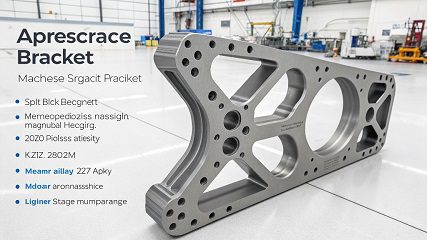
Struggling to find a lightweight yet strong material? A wrong choice in magnesium alloys can cause project failure. Let's explore the best options to ensure your parts succeed.
The most common magnesium alloys in manufacturing are AZ31B, AZ91D, and ZK61M. AZ31B is great for general purposes and forming. AZ91D is excellent for die casting with good corrosion resistance. ZK61M offers very high strength, often used in demanding aerospace and military applications.
These names might just look like codes, but they tell a big story about what each alloy can do. I've worked with these materials for years, and I know how different they can be. Let's break them down one by one, so you can see exactly which one fits your needs. This knowledge is key to getting your project right from the start.
What is the most common magnesium alloy?
Looking for a reliable, all-around magnesium alloy? The sheer number of options can be confusing. Let's pinpoint the most widely used alloy that balances performance and cost effectively.
Without a doubt, AZ31B is the most common and widely used wrought magnesium alloy. Its popularity comes from a great combination of room-temperature strength, ductility, and corrosion resistance. It's also relatively easy to machine and form, making it a favorite for many general-purpose applications.
AZ31B is a true workhorse in the world of magnesium. I see it come through my shop, Worthy, all the time for various projects. Its versatility is its main selling point. It contains about 3% aluminum and 1% zinc, which gives it that balanced profile. This isn't the strongest magnesium alloy out there, but it’s more than enough for many applications.
Key Features of AZ31B
The reason it's so popular is that it hits a sweet spot. It's easy to weld and can be formed at elevated temperatures. This makes it perfect for creating sheets, plates, and extrusions. For example, we often use it to make housings for electronics or lightweight structural frames for automotive prototypes. Its good strength-to-weight ratio is crucial in these areas. It is the go-to choice when you need a dependable, lightweight material without needing extreme performance characteristics.
What magnesium alloys are used in machining?
Worried about how a specific magnesium alloy will perform on a CNC machine? The wrong material can be difficult to machine and may not hold tight tolerances, costing you time and money.
The most frequently machined magnesium alloys are AZ31B, AZ91D, and ZK61M. AZ31B is an excellent general-purpose machining alloy. AZ91D is primarily a die-casting alloy but machines well. ZK61M is chosen when high strength and good machinability are both required for precision components.
When a client like Mark from Canada sends a design, the material's machinability is a top concern for us. Magnesium alloys are fantastic to machine. In fact, they are often easier to machine than aluminum. You can run machines at higher speeds, which reduces cycle times and can lower costs. However, different alloys behave slightly differently.
Comparing Machinability of Common Alloys
I've created a simple table to show how these common alloys stack up for machining projects at my company.
| Alloy | Main Machining Use | Key Machining Characteristics |
|---|---|---|
| AZ31B | General CNC Machining | Excellent surface finish, easy to cut, good chip formation. |
| AZ91D | Post-Casting Machining | Machines well, but has higher abrasive tool wear due to silicon. |
| ZK61M | High-Strength Parts | Very good machinability, allows for fine details and tight tolerances. |
It's also very important to remember safety. Magnesium chips can be flammable, so we always use the correct coolants and safety procedures to prevent any fires. This is a non-negotiable part of machining magnesium in a professional shop like ours.
What is magnesium used in manufacturing?
Are you wondering where magnesium fits into the world of manufacturing? It’s lighter than aluminum, but you may not see it as often. This can make it hard to know where to use it.
Magnesium is used in manufacturing to create lightweight components where weight reduction is critical. Its main applications are in the aerospace, automotive, and consumer electronics industries. It is used for engine blocks, gearbox casings, laptop bodies, camera housings, and drone frames.
At Worthy, we've seen a growing demand for magnesium parts, especially from our clients in North America and Europe. The drive to make everything lighter, stronger, and more efficient is pushing magnesium into the spotlight. Its low density is its superpower. It is the lightest of all structural metals, about 33% lighter than aluminum and 75% lighter than steel.
Industry-Specific Applications
Different industries use magnesium for very specific reasons.
- In the automotive industry, it helps improve fuel efficiency by reducing vehicle weight. Think of parts like steering wheel frames, seat frames, and instrument panels.
- In aerospace, every gram saved is critical. Magnesium alloys are used for parts like gearbox housings and structural components where the high strength-to-weight ratio is essential.
- For consumer electronics, magnesium provides a premium feel, durability, and a lightweight frame for devices like high-end laptops, tablets, and professional cameras. It also helps dissipate heat, which is another big plus.
The choice to use magnesium is almost always about saving weight without compromising too much on strength.
What is an example of a magnesium alloy?
Struggling to visualize how these alloy codes translate to real-world parts? Abstract names like "ZK61M" don't mean much without a concrete example of what they can do.
A perfect example of a high-performance magnesium alloy is ZK61M. This alloy is specifically designed for high-strength applications. It's often used to produce military components, high-performance sports equipment, and critical aerospace parts where failure is not an option and strength is paramount.
I remember a project for a client in the aerospace sector. They needed a complex bracket that had to be incredibly strong but also as light as possible. Aluminum 7075 was considered, but we suggested ZK61M to push the performance even further. ZK61M is a magnesium alloy containing zinc and zirconium. The zirconium acts as a grain refiner, which gives the material its exceptional strength.
Performance of ZK61M
This alloy is a game-changer for demanding applications. Its tensile strength can actually exceed that of the very popular 7075 aluminum alloy, which is amazing for a material that is significantly lighter. We machined the bracket for our client from a solid block of ZK61M. We were able to hold very tight tolerances, down to +/- 0.001 inches, and the final part was a success. This is a premium material, so it's not for every project. But when you need the absolute best in strength-to-weight ratio, ZK61M is a fantastic example of what modern magnesium alloys can achieve.
Conclusion
In short, choosing the right magnesium alloy like AZ31B, AZ91D, or ZK61M is key for your project's success. Understanding their benefits ensures you get the best performance and value.