
What are the Common steel Varieties, Properties and Applications?
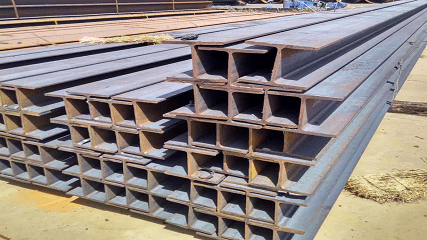
The success of your custom machined part often comes down to one crucial decision: choosing the right material. But with a vast universe of steel types available—from structural and tool steel to bearing and special grades—making the optimal choice can feel overwhelming. This guide will demystify the world of steel, breaking down the characteristics and applications of key categories so you can confidently select the perfect material to ensure your project's performance, longevity, and cost-efficiency.
(一) Structural steel
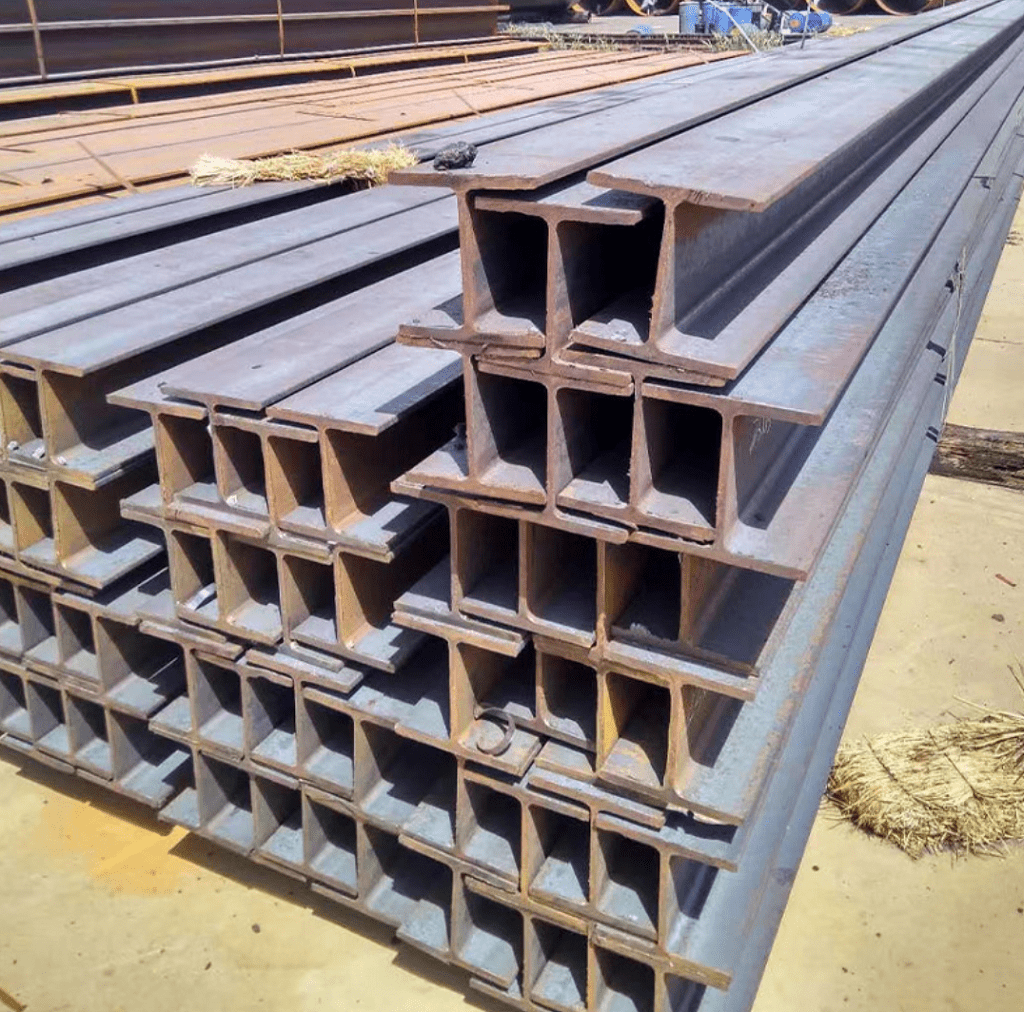
(一) Carbon structural steel
(1) Mechanical properties of carbon structural steel (see Table 3-1-4)
Table 3-1-4 Mechanical properties of carbon structural steel
(1)Tensile test and impact test
| the name of a shop | grade | tension test | blow-test | |||||||||||||
| yield point σs/Mpa | Tensile strength σb/Mpa | Extension rate δ5 (%) | temperature (℃) | V-shaped impact absorption work (longitudinal) (J) | ||||||||||||
| Steel thickness (diameter)/mm | Steel thickness (diameter)/mm | |||||||||||||||
| ≤ 16 | > 16 ~ 40 | > 40 ~ 60 | > 60 ~ 100 | > 100 ~ 150 | > 150 | ≤ 16 | > 16 ~ 40 | > 40 ~ 60 | > 60 ~ 100 | > 100 ~ 150 | > 150 | |||||
| least value | least value | least value | ||||||||||||||
| Q195 | - | (195) | (185) | - | - | - | - | 315 ~ 430 | 33 | 32 | - | - | - | - | - | - |
| Q215 | A | 215 | 205 | 195 | 185 | 175 | 165 | 335 ~ 450 | 31 | 30 | 29 | 28 | 27 | 26 | - | - |
| B | 20 | 27 | ||||||||||||||
| Q235 | A | 235 | 225 | 215 | 205 | 195 | 185 | 375 ~ 500 | 26 | 25 | 24 | 23 | 22 | 21 | - | - 27 |
| B | 20 | |||||||||||||||
| C | 0 | |||||||||||||||
| D | - 20 | |||||||||||||||
| Q255 | A | 255 | 245 | 235 | 225 | 215 | 205 | 410 ~ 550 | 24 | 23 | 22 | 21 | 20 | 19 | - | - |
| B | 20 | 27 | ||||||||||||||
| Q275 | - | 275 | 265 | 255 | 245 | 235 | 225 | 490 ~ 630 | 20 | 19 | 18 | 17 | 16 | 15 | - | - |
(2)Cold bending test
| the name of a shop | Sample Direction | 180. Cold bending test B = 2a | ||
| Steel thickness (diameter)/mm | ||||
| 60 | > 60 ~ 100 | > 100 ~ 200 | ||
| Bend diameter d | ||||
| Q195 | release | 0 | - | - |
| horizontal | 0.5 α | |||
| Q215 | release | 0.5 α | 1.5 α | 2 α |
| horizontal | α | 2 α | 2.5 α | |
| Q235 | release | α | 2 α | 2.5 α |
| horizontal | 1.5 α | 2.5 α | 3 α | |
| Q255 | 2 α | 3 α | 3.5 α | |
| Q275 | 3 α | 4 α | 4.5 α | |
Table 3-1-5 Characteristics and applications of carbon structural steel
| the name of a shop | Main Features | Use examples |
| Q195 | It has high plasticity, toughness and weldability, good pressure processing properties, but low strength | For manufacturing anchor bolts, plowshares, chimneys, roof panels, rivets, low-carbon steel wires, thin plates, welded pipes, tie rods, hooks, supports, and welded structures |
| Q215 | ||
| Q235 | It has good plasticity, toughness, weldability, cold stamping properties, and certain strength and good cold bending properties. | Extensively used in components and welded structures with general requirements, such as tension rods, connecting rods, pins, shafts, screws, nuts, washers, brackets, machine bases, building structures, and bridges. |
| Q255 | It has good strength, plasticity and toughness, good welding properties and cold and hot pressure processing properties | Used to manufacture parts requiring low strength, such as bolts, keys, levers, shafts, tie rods, and various steel sections and steel plates for steel structures |
| Q275 | It has high strength, good plasticity, good machinability, and certain weldability. Small parts can be hardened. | Used to manufacture parts requiring high strength, such as gears, shafts, sprockets, keys, bolts, nuts, steel for agricultural machinery, conveyor chains and chain links |
(二)High quality carbon structural steel
(1) Mechanical properties of high quality carbon structural steel (see Table 3-1-6)
Table 3-1-6 Mechanical properties of high quality carbon structural steel
Characteristics and applications of carbon structural steel (see Table 3-1-6)
| the name of a shop | Sample hair Bore size /mm | Recommended heat treatment/℃ | Mechanical Performance | Hardness of steel delivery status HBS10/3000 ≤ | |||||||
| normalization | quench | tempering | σb /Mpa | σs /Mpa | δ5 (%) | ψ (%) | Aku2 /J | ||||
| ≥ | Unheat-treated steel | annealed steel | |||||||||
| 08F | 25 | 930 | - | - | 295 | 175 | 35 | 60 | - | 131 | - |
| 10F | 25 | 930 | - | - | 315 | 185 | 33 | 55 | - | 137 | - |
| 15F | 25 | 920 | - | - | 355 | 205 | 29 | 55 | - | 143 | - |
| 08 | 25 | 930 | - | - | 325 | 195 | 33 | 60 | - | 131 | - |
| 10 | 25 | 930 | - | - | 335 | 205 | 31 | 55 | - | 137 | - |
| 15 | 25 | 920 | - | - | 375 | 225 | 27 | 55 | - | 143 | - |
| 20 | 25 | 910 | - | - | 410 | 245 | 25 | 55 | - | 156 | - |
| 25 | 25 | 900 | 870 | 600 | 450 | 275 | 23 | 50 | 71 | 170 | - |
| 30 | 25 | 880 | 860 | 600 | 490 | 295 | 21 | 50 | 63 | 179 | - |
| 35 | 25 | 870 | 850 | 600 | 530 | 315 | 20 | 45 | 55 | 197 | - |
| 40 | 25 | 860 | 840 | 600 | 570 | 335 | 19 | 45 | 47 | 217 | 187 |
| 45 | 25 | 850 | 840 | 600 | 600 | 355 | 16 | 40 | 39 | 229 | 197 |
| 50 | 25 | 830 | 830 | 600 | 630 | 375 | 14 | 40 | 31 | 241 | 207 |
| 55 | 25 | 820 | 820 | 600 | 645 | 380 | 13 | 35 | - | 255 | 217 |
| 60 | 25 | 810 | - | - | 675 | 400 | 12 | 35 | - | 255 | 229 |
| 65 | 25 | 810 | - | - | 695 | 410 | 10 | 30 | - | 255 | 229 |
| 70 | 25 | 790 | - | - | 715 | 420 | 9 | 30 | - | 269 | 229 |
| 75 | sample | - | 820 | 480 | 1080 | 880 | 7 | 30 | - | 285 | 241 |
| 80 | sample | - | 820 | 480 | 1080 | 930 | 6 | 30 | - | 285 | 241 |
| 85 | sample | - | 820 | 480 | 1130 | 980 | 6 | 30 | - | 302 | 255 |
| 15Mn | 25 | 920 | - | - | 410 | 245 | 26 | 55 | - | 163 | - |
| 20Mn | 25 | 910 | - | - | 450 | 275 | 24 | 50 | - | 197 | - |
| 25Mn | 25 | 900 | 870 | 600 | 490 | 295 | 22 | 50 | 71 | 207 | - |
| 30Mn | 25 | 880 | 860 | 600 | 540 | 315 | 20 | 45 | 63 | 217 | 187 |
| 35Mn | 25 | 870 | 850 | 600 | 560 | 335 | 18 | 45 | 55 | 229 | 197 |
| 40Mn | 25 | 860 | 840 | 600 | 590 | 355 | 17 | 45 | 47 | 229 | 207 |
| 45Mn | 25 | 850 | 840 | 600 | 620 | 375 | 15 | 40 | 39 | 241 | 217 |
| 50Mn | 25 | 830 | 830 | 600 | 645 | 390 | 13 | 40 | 31 | 255 | 217 |
| 60Mn | 25 | 810 | - | - | 695 | 410 | 11 | 35 | - | 269 | 229 |
| 65Mn | 25 | 830 | - | - | 735 | 430 | 9 | 30 | - | 285 | 229 |
| 70Nn | 25 | 790 | - | - | 785 | 450 | 8 | 30 | - | 285 | 229 |
2. The recommended holding times for normalizing are at least 30 minutes with air cooling; quenching requires no less than 30 minutes, with 70,80, and 85 steels needing oil cooling while others require water cooling; tempering should maintain a holding time of at least 1 hour.
(2) Characteristics and applications of high quality carbon structural steel (Table 3-1-7)
Table 3-1-7 Characteristics and applications of high quality carbon structural steel
| the name of a shop | Main Features | Use examples |
| 08F | High-quality boiling steel with low strength and hardness, excellent plasticity. Good deep drawing and deep drawing properties, good cold workability and weldability. The components are highly prone to segregation and time sensitivity. Therefore, stress relief heat treatment or water toughening treatment can be used to prevent cold working fracture. | Easy to roll into thin plates, thin strips, cold-formed materials, and cold-drawn steel wires Used for stamping and rolling parts, various non-load-bearing coverings, carburized, nitrided, and cyanide-treated components, as well as the production of sleeves, molds, and supports. |
| 08 | Extremely soft low carbon steel, low strength and hardness, excellent plasticity and toughness, good cold workability, poor hardenability and hardening, slightly weaker aging sensitivity than 08F, not suitable for cutting, annealing, good magnetic conductivity | Suitable for rolling into thin plates, strips, cold-formed materials, cold drawing, cold stamping, welded parts, and surface-hardened parts. |
| 10F 10 | Low strength (slightly higher than 08 steel), excellent plasticity and toughness, good weldability, no temper brittleness. Easy to cold and hot forming, poor hardenability, good machinability after normalizing or cold working. | Cold rolling, cold stamping, cold heading, cold bending, hot rolling, hot extrusion, hot heading and other processes are suitable for forming parts with high toughness and low stress, such as friction plates, deep-drawn vessels, automobile bodies, and projectiles. |
| 15F 15 | The material's strength, hardness, and plasticity are comparable to those of 10F and 10 steel. To improve its machinability, it requires normalizing or water-hardening treatment to moderately increase hardness. It has low hardenability and poor hardenability, but excellent toughness and weldability. | Medium and small structural parts, screws, bolts, pull rods, lifting hooks, welded containers, etc., which are not subjected to much force and have simple shapes but require high toughness or good welding properties |
| 20 | The strength and hardness are slightly higher than 15F. The 15 steel has good plasticity and weldability, and good toughness after hot rolling or normalizing. | Manufacture of medium and small carbonitriding and carburizing components, forging parts such as lever shafts, gearbox shift forks, gears, heavy machinery tie rods, hooks and rings, etc. |
| 25 | It possesses a certain degree of strength and hardness, along with excellent plasticity and toughness. The material exhibits high weldability and cold plasticity, moderate machinability, but poor hardenability and hardening properties. After quenching and low-temperature tempering, it achieves good strength and toughness while avoiding temper brittleness. | Welded parts, hot-forged parts, and hot-stamped parts are carburized and used as wear-resistant parts |
| 30 | High strength and hardness, good plasticity and weldability, can be used after normalizing or tempered, suitable for hot forging and hot pressing. Good machinability. | Suitable for low-load components with minimal stress and temperatures below 150℃, such as lead screws, tie rods, shaft keys, gears, and bushings. The surface of carburized parts exhibits excellent wear resistance, making them ideal for wear-resistant applications. |
| 35 | The material has moderate strength, good plasticity, high cold plasticity, and acceptable weldability. It can be locally swaged and drawn in the cold state. It has low hardenability and can be used after normalizing or tempering. | Suitable for manufacturing small section parts, can withstand large loads, such as crankshaft, lever, connecting rod, hook ring, etc., various standard parts, fasteners |
| 40 | It has high strength, good cutting performance, moderate cold deformation ability, poor weldability, no temper brittleness, low hardenability, easy to produce water quench crack, mostly used in tempered or normalized state, the comprehensive performance of the two is similar, after surface hardening, it can be used to manufacture parts that bear large stress | Suitable for manufacturing crankshaft, drive shaft, piston rod, connecting rod, sprocket, gear, etc. When welding, it needs to be preheated first and slowly cooled after welding |
| 45 | The most commonly used medium-carbon tempered steel has good comprehensive mechanical properties and low hardenability, but is prone to cracking when water quenched. Small parts are suitable for tempering treatment, while large parts are suitable for normalizing treatment. | Primarily used for manufacturing high-strength components such as turbine blades, compressor pistons, shafts, gears, racks, and worms. For welded parts, ensure preheating before welding and stress relief annealing after welding. |
| 50 | This high-strength medium-carbon structural steel exhibits low cold deformation capability and moderate machinability. It demonstrates poor weldability, no temper brittleness, and limited hardenability, with a tendency to develop cracks during water quenching. Recommended usage: normalized, followed by quenching and tempering, or high-frequency surface hardening. Suitable for mechanical components requiring high wear resistance under conditions of minimal dynamic loads and impact forces. | Forging gears, tie rods, rolls, friction discs, machine tool spindles, engine crankshafts, agricultural machinery plowshares, heavy-duty shafts, and various shaft components, as well as less critical parts such as vibration-damping springs and spring washers. |
| 55 | It has high strength and hardness, but poor plasticity and toughness. Its machinability is moderate, and its weldability is poor. It has poor hardenability and is prone to cracking when water quenched. It is mostly used after normalizing or tempering treatment, and is suitable for manufacturing high strength, high elasticity, and high wear resistance parts. | Gears, connecting rods, rims, wheel flanges, locomotive wheel hoops, flat springs, hot rolled rollers, etc |
| 60 | It has high strength, high hardness and high elasticity. It has poor plasticity during cold deformation, medium cutting properties, poor weldability, poor hardenability, and easy to crack when water quenched. Therefore, it is normalized for large parts. | Roller, shaft, wheel hub, spring coil, vibration damping spring, clutch, steel wire rope |
| 65 | After appropriate heat treatment or cold working hardening, the material exhibits high strength and elasticity. However, it demonstrates poor weldability and is prone to cracking, making welding unsuitable. Additionally, it shows limited machinability, low cold deformation plasticity, and poor hardenability. Typically, oil quenching is employed, while large-section components may undergo water quenching with oil cooling or normalizing treatment. Notably, under identical configuration conditions, its fatigue strength can rival that of alloy spring steel. | Suitable for manufacturing flat or helical spring components with simple cross-sections and shapes, and low stress. Such as valve springs and spring rings. Also suitable for high-wear-resistant parts such as rolls, crankshafts, cams, and steel wire ropes. |
| 70 | The strength and elastic modulus are slightly higher than those of 65 steel, and other properties are similar to those of 65 steel | Spring, steel wire, steel band, wheel rim, etc |
| 75 80 | It has similar properties to 65 and 70 steels, but higher strength and slightly lower elasticity, and its hardenability is not high. It is usually used after quenching and tempering. | Spring plate, helical spring, anti-wear parts, low speed wheels, etc |
| 85 | High-carbon structural steel, which has the highest carbon content, has higher strength and hardness than other high-carbon steels, but slightly lower elasticity, and other properties are similar to 65,70,75,80 steels. The hardenability is still not high. | Railway vehicles, flat plate springs, round helical springs, steel wire steel strip, etc |
| 15Mn | Low-carbon carburized steel with high manganese content (0.70% to 1.00% W Mn) exhibits superior strength, ductility, machinability, and hardenability compared to 15 steel. The reduced formation of soft spots during carburizing and quenching makes it ideal for carburizing and carburitizing treatments, delivering a surface with excellent wear resistance and a core with outstanding toughness. The material maintains good toughness after hot rolling or normalizing. | Gears, crankshafts, brackets, hinges, screws, nuts, riveted and welded structural components, sheet metal suitable for manufacturing oil tanks, and agricultural tools for cold regions such as cream containers. |
| 20Mn | Its strength and hardenability are slightly higher than 15Mn steel, and other properties are similar to 15Mn steel | Essentially the same as 15Mn steel |
| 25Mn | The performance is similar to 20Mn and 25 steel, and the strength is slightly higher | Similar to 20Mn and 25 steel |
| 30Mn | Compared with 30 steel, it has higher strength and hardenability, good plasticity during cold deformation, medium weldability and good machinability. It has tendency of temper brittleness and overheating sensitivity during heat treatment. | Bolt, nut, screw, pull rod, lever, small shaft, brake gear |
| 35Mn | It has higher strength and hardenability than 30Mn, moderate plasticity during cold deformation, good machinability, but poor weldability. It is recommended to use after tempering treatment. | Shaft, gear rod, bolt, nut, screw, etc., shaft, gear, etc. |
| 40Mn | The hardenability is slightly higher than 40 steel. After heat treatment, the strength, hardness and toughness are slightly higher than 40 steel. The cold deformation plasticity is moderate, the cutting performance is good, the weldability is low, the overheating sensitivity and temper brittleness are present, and the water quenching is easy to crack. | Fatigue-resistant components, crankshafts, rollers, shafts, and connecting rods. Screws and nuts operating under high stress. |
| 45Mn | Medium carbon quenched and tempered structural steel exhibits excellent comprehensive mechanical properties after treatment. It demonstrates superior hardenability, strength, and toughness compared to 45 steel, along with good machinability. However, it shows low cold deformation plasticity and poor weldability, with a tendency to develop temper brittleness. | Shaft, mandrel, spline shaft, automotive half shaft, universal joint shaft, crankshaft, connecting rod, brake lever, engagement rod, gear, clutch, bolt, nut, etc. |
| 50Mn | The performance is similar to 50 steel, but its hardenability is higher, and the strength, hardness and elasticity are slightly higher than 50 steel after heat treatment. The weldability is poor, with overheating sensitivity and tendency to temper brittleness. | Designed for high-stress applications and wear-resistant components, such as gears, gear shafts, friction discs, mandrels, and flat springs. |
| 60Mn | The strength, hardness, elasticity, and hardenability are slightly higher than those of 60 steel. The machinability of annealed state is good, but the cold deformation plasticity and weldability are poor. It has overheating sensitivity and tendency to backfire brittleness. | Large-sized helical springs, leaf springs, various round and flat springs, spring rings, spring sheets, cold-drawn steel wires, and springs |
| 65Mn | It has higher strength, hardness, elasticity and hardenability than 65 steel, but has overheating sensitivity and tendency to backfire brittleness, and tends to form cracks when water quenched. The cutting performance in annealed state is acceptable, but the plasticity of cold deformation is low and the weldability is poor. | Medium load plate springs, spiral springs with diameters ranging from 7 to 20mm, along with spring washers and spring rings. These components exhibit exceptional wear resistance, including applications such as grinding machine spindles, spring collets, precision machine tool lead screws, plows, cutting tools, sleeve rings in screw roller bearings, and railway rails. |
| 70Mn | The performance is similar to 70 steel, but the hardenability is slightly higher. The strength, hardness and elasticity are better than 70 steel after heat treatment. It has overheating sensitivity and tendency to temper brittleness, easy decarburization and tendency to form cracks when water quenching, poor cold plastic deformation ability and poor weldability. | Working parts subjected to high stress and wear, such as spring coils, spring washers, thrust rings, locking rings, and clutch discs. |
(三)Low alloy high strength structural steel
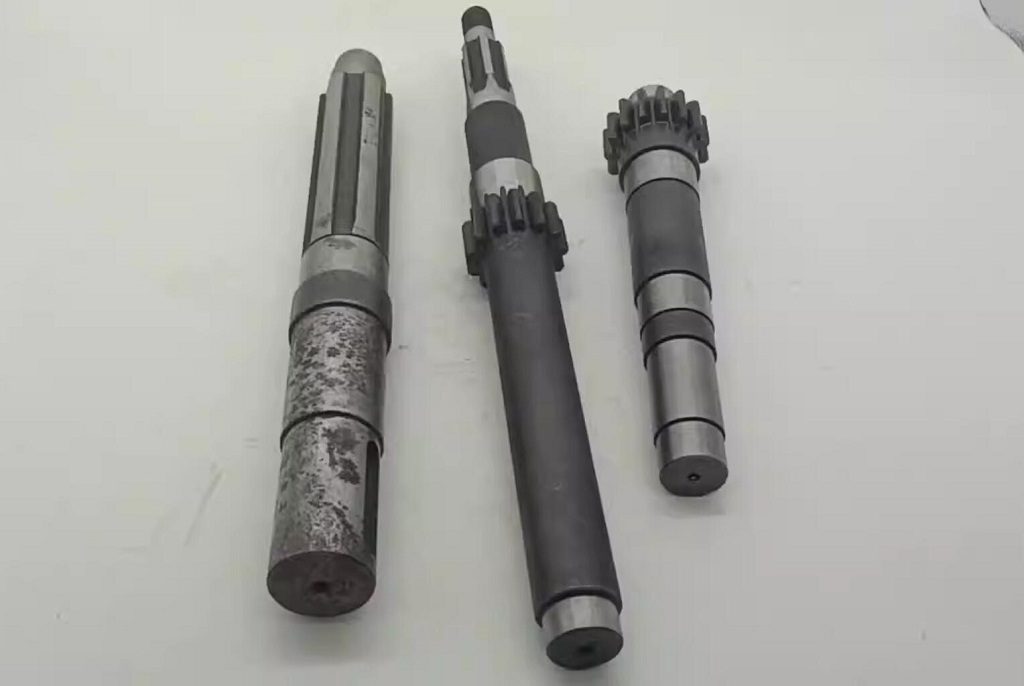
(1) Mechanical properties of low alloy high strength structural steel (see Table 3-1-8)
Table 3-1-8 Mechanical properties of low alloy high strength structural steel
| the name of a shop | grade | yield point σs/Mpa ≥ | Tensile strength σb/Mpa | Extension rate δ5 (%) ≥ | Impact absorption energy (longitudinal) Akv/J ≥ | ||||||
| Thickness (diameter, side length) /min | |||||||||||
| ≤ 16 | > 16 ~ 35 | > 35 ~ 50 | > 50 ~ 100 | + 20℃ | 0℃ | - 20℃ | - 40℃ | ||||
| Q295 | A | 295 | 275 | 255 | 235 | 390 ~ 570 | 23 | ||||
| B | 23 | 34 | |||||||||
| Q345 | A | 345 | 325 | 295 | 275 | 470 ~ 630 | 21 | ||||
| B | 21 | 34 | |||||||||
| C | 22 | 34 | |||||||||
| D | 22 | 34 | |||||||||
| E | 22 | 27 | |||||||||
| Q390 | A | 390 | 370 | 350 | 330 | 490 ~ 650 | 19 | ||||
| B | 19 | 34 | |||||||||
| C | 20 | 34 | |||||||||
| D | 20 | 34 | |||||||||
| E | 20 | 27 | |||||||||
| Q420 | A | 420 | 400 | 380 | 360 | 520 ~ 680 | 18 | ||||
| B | 18 | 34 | |||||||||
| C | 19 | 34 | |||||||||
| D | 19 | 34 | |||||||||
| E | 19 | 27 | |||||||||
| Q460 | C | 460 | 440 | 420 | 400 | 550 ~ 720 | 17 | 34 | |||
| D | 17 | 34 | |||||||||
| E | 17 | 27 | |||||||||
(2)Comparison of Standard Grades for New and Old Low-Alloy Steels (See Table 3-1-9)
Table 3-1-9 Comparison of Standard Grades for New and Old Low-Alloy Steels
| New standard GB/T1591-1994 | Old standard GB 1591-1988 |
| Q295 | 09Mnv、09MnNb、09Mn2、12Mn |
| Q345 | 18Nb、09MnCupTi、10MnsiCu、12Mnv、14MnNb、16Mn、16MnRE |
| Q390 | 10MnpNbRE、15Mnv、15MnTi、16MnNb |
| Q420 | 14MnvTiRE、15MnvN |
| Q460 | - |
(四) Alloy structural steel
(1) Mechanical properties of alloy structural steel (see Table 3-1-11)
Table 3-1-10 Characteristics and applications of low alloy high strength structural steel
| the name of a shop | Main Features | Use examples |
| Q295 | The steel contains only a small amount of alloy elements, the strength is not high, but has good plasticity, cold bending, welding and corrosion resistance | Building structures, industrial plants, low-pressure boilers, low and medium pressure chemical containers, oil tanks, pipelines, cranes, tractors, vehicles and general engineering structures with low strength requirements |
| Q345 Q390 | The steel has good mechanical properties, good weldability, cold and hot working properties and corrosion resistance. Grade C, D and E steel has good low temperature toughness. | Ships, boilers, pressure vessels, oil storage tanks, Bridges, power station equipment, lifting and transportation machinery and other high load welding structures |
| Q420 | High strength, especially in the state of normalizing or normalizing and tempering, has high comprehensive mechanical properties | Large ships, Bridges, power station equipment, medium and high pressure boilers, high pressure vessels, locomotive vehicles, lifting machinery, mining machinery and other large welded structural parts |
| Q460 | The highest strength is achieved in normalizing, normalizing with tempering, or quenching with tempering, resulting in excellent comprehensive mechanical properties. All steels are deoxidized using aluminum, with quality grades C, D, and E, ensuring good toughness. | Reserve steel, used in various large engineering structures and light structures requiring high strength and heavy load |
Table 3-1-11 Mechanical properties of alloy structural steel
| Steel Group | order number | the name of a shop | Sample blank size (mm) | heat treatment | Mechanical Performance | Steel annealing or high temperature tempering Availability Brinell hardness BHs100 /3000 ≤ | ||||||||||||||||||||||||
| quench | tempering | tensile strength σb /Mpa | yield point σe /Mpa | Post-break elongation δ5 (%) | contraction of area ψ (%) | shock absorption Power Aku2 /J | ||||||||||||||||||||||||
| heating temperature /℃ | coolant | heating temperature /℃ | coolant | |||||||||||||||||||||||||||
| first Secondary quench | second Secondary quench | |||||||||||||||||||||||||||||
| ≥ | ||||||||||||||||||||||||||||||
| Mn | 1 | 20Mn2 | 15 | 850 | - | Water, oil | 200 | Water, Air | 785 | 590 | 10 | 40 | 47 | 187 | ||||||||||||||||
| 880 | - | Water, oil | 440 | Water, Air | ||||||||||||||||||||||||||
| 2 | 30Mn2 | 25 | 840 | - | water | 500 | water | 785 | 635 | 12 | 45 | 63 | 207 | |||||||||||||||||
| 3 | 35Mn2 | 25 | 840 | - | water | 500 | water | 835 | 685 | 12 | 45 | 55 | 207 | |||||||||||||||||
| 4 | 40Mn2 | 25 | 840 | - | Water, oil | 540 | water | 885 | 735 | 12 | 45 | 55 | 217 | |||||||||||||||||
| 5 | 45Mn2 | 25 | 840 | - | oil | 550 | Water, oil | 885 | 735 | 10 | 45 | 47 | 217 | |||||||||||||||||
| 6 | 50Mn2 | 25 | 820 | - | oil | 550 | Water, oil | 930 | 785 | 9 | 40 | 39 | 229 | |||||||||||||||||
| Mn V | 7 | 20MnV | 15 | 880 | - | Water, oil | 200 | Water, Air | 785 | 590 | 10 | 40 | 55 | 187 | ||||||||||||||||
| si Mn | 8 | 27siMn | 25 | 920 | - | water | 450 | Water, oil | 980 | 835 | 12 | 40 | 39 | 217 | ||||||||||||||||
| 9 | 35siMn | 25 | 900 | - | water | 570 | Water, oil | 885 | 735 | 15 | 45 | 47 | 229 | |||||||||||||||||
| 10 | 42siMn | 25 | 880 | - | water | 590 | water | 885 | 735 | 15 | 40 | 47 | 229 | |||||||||||||||||
| siM nMo V | 11 | 20siMn2MoV | sample | 900 | - | oil | 200 | Water, Air | 1380 | - | 10 | 45 | 55 | 269 | ||||||||||||||||
| 12 | 25siMn2MoV | sample | 900 | - | oil | 200 | Water, Air | 1470 | - | 10 | 40 | 47 | 269 | |||||||||||||||||
| 13 | 37siMn2MoV | 25 | 870 | - | Water, oil | 650 | Water, Air | 980 | 835 | 12 | 50 | 63 | 269 | |||||||||||||||||
| B | 14 | 40B | 25 | 840 | - | water | 550 | water | 785 | 635 | 12 | 45 | 55 | 207 | ||||||||||||||||
| 15 | 45B | 25 | 840 | - | water | 550 | water | 835 | 685 | 12 | 45 | 47 | 217 | |||||||||||||||||
| 16 | 50B | 20 | 840 | - | oil | 600 | empty | 785 | 540 | 10 | 45 | 39 | 207 | |||||||||||||||||
| MnB | 17 | 40MnB | 25 | 850 | - | oil | 500 | Water, oil | 980 | 785 | 10 | 45 | 47 | 207 | ||||||||||||||||
| 18 | 45MnB | 25 | 840 | - | oil | 500 | Water, oil | 1030 | 835 | 9 | 40 | 39 | 217 | |||||||||||||||||
| Mn MOB | 19 | 20MnMOB | 15 | 880 | - | oil | 2000 | Oil, Air | 1080 | 885 | 10 | 50 | 55 | 207 | ||||||||||||||||
| Mn vB | 20 | 15MnvB | 15 | 860 | - | oil | 200 | Water, Air | 885 | 635 | 10 | 45 | 55 | 207 | ||||||||||||||||
| 21 | 20MnvB | 15 | 860 | - | oil | 200 | Water, Air | 1080 | 885 | 10 | 45 | 55 | 207 | |||||||||||||||||
| 22 | 40MnvB | 25 | 850 | - | oil | 520 | Water, oil | 980 | 785 | 10 | 45 | 47 | 207 | |||||||||||||||||
| Mn TiB | 23 | 20MnTiB | 15 | 860 | - | oil | 200 | Water, Air | 1130 | 930 | 10 | 45 | 55 | 187 | ||||||||||||||||
| 24 | 25 MnTiBRE | sample | 860 | - | oil | 200 | Water, Air | 1380 | - | 10 | 40 | 47 | 229 | |||||||||||||||||
| cr | 25 | 15cr | 15 | 880 | 780 ~ 820 | Water, oil | 200 | Water, Air | 735 | 490 | 11 | 45 | 55 | 179 | ||||||||||||||||
| 26 | 15crA | 15 | 880 | 770 ~ 820 | Water, oil | 180 | Oil, air | 685 | 490 | 12 | 45 | 55 | 179 | |||||||||||||||||
| 27 | 20cr | 15 | 880 | 780 ~ 820 | Water, oil | 200 | Water, Air | 835 | 540 | 10 | 40 | 47 | 179 | |||||||||||||||||
| 28 | 30cr | 25 | 860 | - | oil | 500 | Water, oil | 885 | 685 | 11 | 45 | 47 | 187 | |||||||||||||||||
| 29 | 35cr | 25 | 860 | - | oil | 500 | Water, oil | 930 | 735 | 11 | 45 | 47 | 207 | |||||||||||||||||
| 30 | 40cr | 25 | 850 | - | oil | 520 | Water, oil | 980 | 785 | 9 | 45 | 47 | 207 | |||||||||||||||||
| 31 | 45cr | 25 | 840 | - | oil | 520 | Water, oil | 1030 | 835 | 9 | 40 | 39 | 217 | |||||||||||||||||
| 32 | 50cr | 25 | 830 | - | oil | 520 | Water, oil | 1080 | 930 | 9 | 40 | 39 | 229 | |||||||||||||||||
| crsi | 33 | 38crSi | 25 | 900 | - | oil | 600 | Water, oil | 980 | 835 | 12 | 50 | 55 | 255 | ||||||||||||||||
| cr Mo | 34 | 12crMo | 30 | 900 | - | empty | 650 | empty | 410 | 265 | 24 | 60 | 110 | 179 | |||
| 35 | 15crMo | 30 | 900 | - | empty | 650 | empty | 440 | 295 | 22 | 60 | 94 | 179 | ||||
| 36 | 20crMo | 15 | 880 | - | Water, oil | 500 | Water, oil | 885 | 685 | 12 | 50 | 78 | 197 | ||||
| 37 | 30crMo | 25 | 880 | - | Water, oil | 540 | Water, oil | 930 | 785 | 12 | 50 | 63 | 229 | ||||
| 38 | 30crMoA | 15 | 880 | - | oil | 540 | Water, oil | 930 | 735 | 12 | 50 | 71 | 229 | ||||
| 39 | 35crMo | 25 | 850 | - | oil | 550 | Water, oil | 980 | 835 | 12 | 45 | 63 | 229 | ||||
| 40 | 42crMo | 25 | 850 | - | oil | 560 | Water, oil | 1080 | 930 | 12 | 45 | 63 | 217 | ||||
| crM ov | 41 | 12crMov | 30 | 970 | - | empty | 750 | empty | 440 | 225 | 22 | 50 | 78 | 241 | |||
| 42 | 35crMov | 25 | 900 | - | Oil | 630 | Water, oil | 1080 | 930 | 10 | 50 | 71 | 241 | ||||
| 43 | 12cr1Mov | 30 | 970 | - | empty | 750 | empty | 490 | 245 | 22 | 50 | 71 | 179 | ||||
| 44 | 25cr2MovA | 25 | 900 | - | oil | 640 | empty | 930 | 785 | 14 | 55 | 63 | 241 | ||||
| 45 | 25cr2MolvA | 25 | 1040 | - | empty | 700 | empty | 735 | 590 | 16 | 50 | 47 | 241 | ||||
| crM oAl | 46 | 38crMoAl | 30 | 940 | - | Water, oil | 640 | Water, oil | 980 | 835 | 14 | 50 | 71 | 229 | |||
| crv | 47 | 40crv | 25 | 880 | - | oil | 650 | Water, oil | 885 | 735 | 10 | 50 | 71 | 241 | |||
| 48 | 50crvA | 25 | 860 | - | oil | 500 | Water, oil | 1280 | 1130 | 10 | 40 | - | 255 | ||||
| cr Mn | 49 | 15crMn | 15 | 880 | - | oil | 200 | Water, Air | 785 | 590 | 12 | 50 | 47 | 179 | |||
| 50 | 20crMn | 15 | 850 | - | oil | 200 | Water, Air | 930 | 735 | 10 | 45 | 47 | 187 | ||||
| 51 | 40crMn | 25 | 840 | - | oil | 550 | Water, oil | 980 | 835 | 9 | 45 | 47 | 229 | ||||
| crM nsi | 52 | 20crMnsi | 25 | 880 | - | oil | 480 | Water, oil | 785 | 635 | 12 | 45 | 55 | 207 | |||
| 53 | 25crMnsi | 25 | 880 | - | oil | 480 | Water, oil | 1080 | 885 | 10 | 40 | 39 | 217 | ||||
| 54 | 30crMnsi | 25 | 880 | - | oil | 520 | Water, oil | 1080 | 885 | 10 | 45 | 39 | 229 | ||||
| 55 | 30crMnsiA | 25 | 880 | - | oil | 540 | Water, oil | 1080 | 835 | 10 | 45 | 39 | 229 | ||||
| 56 | 35crMnsiA | sample | Heat to 880°C and then quench isothermally at 280–310°C | 1620 | 1280 | 9 | 40 | 31 | 241 | ||||||||
| sample | 950 | 890 | oil | 230 | Air, Oil | ||||||||||||
| crM nMo | 57 | 20crMnMo | 15 | 850 | - | oil | 200 | Water, Air | 1180 | 885 | 10 | 45 | 55 | 217 | |||
| 58 | 40crMnMo | 25 | 850 | - | oil | 600 | Water, oil | 980 | 785 | 10 | 45 | 63 | 217 | ||||
| crM nTi | 59 | 20crMnTi | 15 | 880 | 870 | oil | 200 | Water, Air | 1080 | 850 | 10 | 45 | 55 | 217 | |||
| 60 | 30crMnTi | sample | 880 | 850 | oil | 200 | Water, Air | 1470 | - | 9 | 40 | 47 | 229 | ||||
| crNi | 61 | 20crNi | 25 | 850 | - | Water, oil | 460 | Water, oil | 785 | 590 | 10 | 50 | 63 | 197 | |||
| 62 | 40crNi | 25 | 820 | - | oil | 500 | Water, oil | 980 | 785 | 10 | 45 | 55 | 241 | ||||
| 63 | 45crNi | 25 | 820 | - | oil | 530 | Water, oil | 980 | 785 | 10 | 45 | 55 | 255 | ||||
| 64 | 50crNi | 25 | 820 | - | oil | 500 | Water, oil | 1080 | 835 | 8 | 40 | 39 | 255 | ||||
| 65 | 12crNi2 | 15 | 860 | 780 | Water, oil | 200 | Water, Air | 785 | 590 | 12 | 50 | 63 | 207 | ||||
| 66 | 12crNi3 | 15 | 860 | 780 | oil | 200 | Water, Air | 930 | 685 | 11 | 50 | 71 | 217 | ||||
| crNi | 67 | 20crNi3 | 25 | 830 | - | Water, oil | 480 | Water, oil | 930 | 735 | 11 | 55 | 78 | 241 | |||
| 68 | 30crNi3 | 25 | 820 | - | oil | 500 | Water, oil | 980 | 785 | 9 | 45 | 63 | 241 | ||||
| 69 | 37crNi3 | 25 | 820 | - | oil | 500 | Water, oil | 1130 | 980 | 10 | 50 | 47 | 269 | ||||
| 70 | 12cr2Ni4 | 15 | 860 | 780 | oil | 200 | Water, Air | 1080 | 835 | 10 | 50 | 71 | 269 | ||||
| 71 | 20cr2Ni4 | 15 | 880 | 780 | oil | 200 | Water, Air | 1180 | 1080 | 10 | 45 | 63 | 269 | ||||
| crN iMo | 72 | 20crNiMo | 15 | 850 | - | oil | 200 | empty | 980 | 785 | 9 | 40 | 47 | 197 | |||
| 73 | 40crN iMoA | 25 | 850 | - | oil | 600 | Water, oil | 980 | 835 | 12 | 55 | 78 | 269 | ||||
| crMn NiMo | 74 | 18crMn NiMoA | 15 | 830 | - | oil | 200 | empty | 1180 | 885 | 10 | 45 | 71 | 269 | |||
| crN iMoV | 75 | 45crN iMoVA | sample | 860 | - | oil | 460 | oil | 1470 | 1330 | 7 | 35 | 31 | 269 | |||
| crN iW | 76 | 18cr2N i4WA | 15 | 950 | 850 | empty | 200 | Water, Air | 1180 | 835 | 10 | 45 | 78 | 269 | |||
| 77 | 25cr2N i4WA | 25 | 850 | - | oil | 550 | Water, oil | 1080 | 930 | 11 | 45 | 71 | 269 | ||||
2. Boron steel can be tempered before quenching, and the tempering temperature should not be higher than the quenching temperature. The first quenching of chromium manganese titanium steel can be replaced by tempering.
3. When no yield is observed on the steel specimen during tensile testing, the yield point σs cannot be determined; however, the specified residual elongation stress σr0.2 can be measured.
(2) Characteristics and applications of alloy structural steel (see Table 3-1-12)
Table 3-1-12 Properties and applications of alloy structural steel
| the name of a shop | key property | Example |
| 20Mn2 | 20Mu2 and 20cr steels, which are of medium strength and relatively small cross-sectional dimensions, exhibit similar properties. However, 20Mu2 outperforms 20cr in low-temperature impact toughness and weldability. It demonstrates superior cold deformation plasticity and excellent machinability. Moreover, 20Mu2 exhibits higher hardenability than corresponding carbon steels and shows increased susceptibility to overheating, decarburization, and temper brittleness during heat treatment. | Designed for manufacturing carburized components with cross-sections under 50mm, including small gears, shafts, crosshead pins (with low mechanical requirements), piston pins, diesel engine sleeves, valve lifters, transmission gear levers, and steel bushings. Additionally, it is suitable for producing bolts, screws, nuts, and riveted or welded parts after hot rolling and normalizing processes. |
| the name of a shop | key property | Example |
| 30Mn2 | 30Mn2 steel is typically used after quenching and tempering treatment, offering high strength, excellent toughness, and superior wear resistance. When manufacturing small cross-sectional components, it demonstrates good static strength and fatigue strength. The material exhibits favorable workability for drawing, cold heading, and heat treatment processes, with moderate machinability and acceptable weldability. Welding is generally not recommended for this grade, but when necessary, parts should be preheated to over 200°C. It demonstrates high hardenability with minimal deformation during quenching, though it is sensitive to overheating, decarburization, and temper brittleness. | Used in manufacturing vehicle frames, cross beams, transmission gears, shafts, cold heading bolts, and large-section quenched and tempered components for automobiles and tractors. It is also suitable for producing high-strength carburized parts, such as rear axle components for cranes. |
| 35Mn2 | With higher carbon content than 30Mn2, it exhibits superior strength and wear resistance, along with enhanced hardenability. However, its ductility is slightly reduced, maintaining moderate plasticity during cold deformation and average machinability. The material demonstrates poor weldability and is susceptible to white spot defects, overheating tendency, and temper brittleness. Additionally, it is prone to cracking under water cooling conditions. These characteristics make it generally suitable for quenching and tempering or normalizing processes. | When producing parts with a diameter smaller than 20mm, 40cr can be used as a substitute. It is suitable for manufacturing various cold-drawn bolts with a diameter under 15mm, small shafts, bushings, connecting rods, control rods, crankshafts, fan components, and implements such as hoe handles and shovels in agricultural machinery, where high mechanical performance is required. |
| 40Mn2 | Medium-carbon tempered manganese steel outperforms 40 steel in strength, ductility, and wear resistance, while offering excellent heat treatment and machinability. However, its poor weldability requires preheating to 100-425°C before welding. The material exhibits temper brittleness, overheating sensitivity, and tendency to crack under water cooling. It is typically used in tempered condition. | These components are designed for heavy-duty machinery applications, including crankshafts, axle shafts, half-shafts, levers, connecting rods, control rods, worms, piston rods, load-bearing bolts, screws, reinforcement rings, and springs. When producing parts with diameters under 40mm, their static strength and fatigue performance match those of 40cr steel, making it a suitable replacement for critical small-diameter components. |
| 45Mn2 | Medium carbon tempered steel exhibits high strength, wear resistance, and hardenability. After quenching and tempering, it achieves excellent comprehensive mechanical properties, making it suitable for oil-quenched and tempered at high temperatures. It is typically used in tempered condition but can also be employed in normalized state when necessary. While demonstrating decent machinability, it suffers from poor weldability. The material shows low plasticity during cold deformation and exhibits overheating sensitivity along with temper brittleness tendency during heat treatment. Additionally, water quenching tends to induce cracks. | This material is designed for manufacturing components that endure high stress and wear resistance. When producing parts with diameters below 60mm, it can substitute 40cr steel. It is widely used in automotive, tractor, and general machinery industries for manufacturing shafts, axle components, universal joint shafts, worm gears, gear shafts, gears, connecting rod covers, friction discs, carriage axles, tram and steam locomotive axles, heavy-duty machine frames, as well as cold-drawn bolts and nuts. |
| 50Mn2 | Medium-carbon tempered high-strength manganese steel exhibits exceptional strength, high elasticity, and excellent wear resistance. It demonstrates superior hardenability and good machinability, though it shows low cold deformation plasticity and poor weldability. The material is susceptible to overheating sensitivity, white spot sensitivity, and temper brittleness. Water cooling may induce cracks. Through appropriate tempering treatment, it achieves excellent comprehensive mechanical properties. Typically used after tempering, it can also be employed after normalizing and tempering processes. | This material is specifically designed for manufacturing large components subjected to high stress and wear, including gear shafts, crankshafts, various shafts, connecting rods, worms, universal joint shafts, and gears in general machinery; drive shafts and spline shafts in automobiles; mandrels with severe impact loads; main shafts and shafts supported by rolling bearings in heavy machinery; as well as large gears. It is also used in the production of hand-wound springs and leaf springs. When manufacturing parts with a diameter less than 80mm, it can replace 45cr steel. |
| 20Mnv | 20Mn delivers superior performance, serving as a viable alternative to 20cr and 20crNi. It outperforms 15cr and 20Mn2 in strength, toughness, and ductility, with excellent hardenability and satisfactory machinability. After carburizing, it can be directly quenched without requiring secondary quenching to refine the core structure. While demonstrating good weldability, it exhibits temper embrittlement during heat treatment at 300-360°C. | Welded components for high-pressure vessels, boilers, and large high-pressure pipelines (operating at temperatures not exceeding 450-475°C) are produced. These components are also used in cold-rolled, cold-drawn, and cold-stamped parts such as gears, bicycle chains, and piston pins. Additionally, they are widely used in manufacturing mining chain links with diameters under 20mm. |
| 27siMn | 27siMn outperforms 30Mn2 with superior strength and wear resistance, along with excellent hardenability. It demonstrates moderate cold deformation plasticity and good machinability, while maintaining acceptable weldability. During heat treatment, its toughness shows minimal reduction and retains high toughness even under water cooling. However, it exhibits overheating sensitivity, white spot sensitivity, and a tendency to develop temper brittleness. Primarily used after quenching and tempering, it can also be utilized in normalized or hot-rolled forms. | Used to manufacture high toughness, high wear resistance hot stamped parts, such as tractor track pins, which do not require heat treatment or normalizing |
| 35siMn | Tempered alloy steel, with excellent properties, can replace 40cr and partially substitute 40crNi. After quenching and tempering, it exhibits high static strength, fatigue strength, and wear resistance, along with good toughness. It demonstrates excellent hardenability, moderate plasticity during cold deformation, and favorable machinability. However, its weldability is poor, requiring preheating before welding. The steel is also susceptible to overheating sensitivity, white spot sensitivity, and temper brittleness, and is prone to decarburization. | Tempered and tempered steel is used to manufacture medium-speed, medium-load components. Quenched and tempered steel is employed for high-load, low-impact vibration components and parts with large cross-sections and surface hardening, such as turbine main shafts and hubs (diameter <250mm, operating temperature <400°C), impellers (thickness <170mm), and critical fasteners. It also serves general machinery components including drive shafts, main shafts, center shafts, connecting rods, gears, worms, tram axles, generator shafts, crankshafts, flywheels, and various forgings. In agricultural machinery, it is used for wear-resistant parts like hoe handles and plowshares. Additionally, it can produce thin-walled seamless steel pipes. |
| 42siMn | The steel's performance is comparable to 35siMn, with slightly superior strength, wear resistance, and hardenability. Under certain conditions, it outperforms 40cr in strength, wear resistance, and hot workability, and can even replace 40crNi. | For medium-speed and medium-load gear transmission components, the material undergoes high-frequency quenching and medium-temperature tempering. When subjected to high-frequency quenching followed by low-temperature tempering, it is used to manufacture parts with large cross-sections that exhibit high surface hardness and superior wear resistance, such as gears, main shafts, and shafts. For medium-speed and heavy-load applications, including main shafts, gears, hydraulic pump rotors, and sliders, the material is processed through low-temperature or medium-temperature tempering after quenching. |
| 20siMn 2MOv | This high-strength, high-toughness low-carbon quenched structural steel exhibits excellent hardenability with minimal oil-cooling deformation and crack tendency. It demonstrates low decarburization tendency, good forgeability, and superior weldability. For complex-shaped components, preheating to 300°C before welding and slow cooling after welding are recommended. However, its poor machinability limits its application, typically used in quenched and low-temperature tempered conditions. | In low-temperature tempering conditions, this material can substitute for medium-carbon alloy structural steels such as 35crMO, 35crNi3MOA, and 40crNiMOA used in quenched and tempered conditions. It is suitable for manufacturing heavy-duty components with complex stress conditions or those requiring long-term operation at low temperatures, including lifting tools, lifting rings, perforating guns, and other large-section connectors in petroleum machinery. |
| 25siMn 2MoA | The performance is essentially identical to that of 20siMn2MoV, but it exhibits slightly higher strength and hardenability, while showing a slight decrease in plasticity and toughness. | The application is basically the same as 20siMn2MoV. The oil drilling machine lifting ring and other parts made of this steel have good performance, are safer and more reliable than the similar parts made of 35crNi3Mo and 40crNiMo, and are light in weight and save material. |
| 37siMn 2MoV | Advanced quenched and tempered steel features excellent comprehensive mechanical properties, favorable heat treatment characteristics, superior hardenability, low sensitivity to quench cracking, high stability during tempering, minimal tendency to develop temper brittleness, and outstanding high-temperature strength as well as low-temperature toughness. It achieves high strength and toughness through quenching and tempering treatment, and is typically used in quenched and tempered condition. | This tempered steel is engineered for heavy-duty applications, including gearboxes, shafts, connecting rods, rotors, and high-pressure seamless steel pipes in heavy machinery. It also serves as high-pressure vessels and large bolts for petrochemical industries, along with high-temperature fasteners (operating below 450°C). After quenching and low-temperature tempering, it delivers ultra-high strength, making it a superior alternative to 35CrMo and 40CrNiMo steels. |
| 40B | It has higher hardness, toughness and hardenability than 40 steel, and good comprehensive mechanical properties after tempering. It can replace 40cr and is generally used in tempered state. | It is used to manufacture parts with larger cross-sections than 40cr and higher performance requirements, such as shafts, tie rods, gears, cams, and tractor crankshafts. It can also be used to make small cross-section parts instead of 40cr. |
| 45B | It outperforms 45 steel in strength, wear resistance, and hardenability. Typically used in quenched and tempered conditions, it can replace 40cr steel. | It is used to manufacture parts with large cross-section and high strength requirements, such as tractor connecting rod, crankshaft and other parts. It can be used instead of 40cr for small size parts with low performance requirements. |
| 50B | After tempering, the comprehensive mechanical properties are higher than those of 50 steel, with good hardenability. The hardness is low when tempered, and the cutting properties are acceptable. It is generally used in tempered state. Because of the poor resistance to tempering, the tempering temperature should be reduced by about 50℃. | Used to replace 50,50Mn, and 50Mn2 in manufacturing various parts with higher strength, better hardenability, and smaller cross-sectional dimensions, such as cams, shafts, gears, and steering tie rods. |
| 40MnB | This material exhibits high strength and hardness with excellent plasticity and toughness. After high-temperature tempering, it demonstrates good low-temperature impact toughness. When subjected to quenching and tempering or quenching followed by low-temperature tempering, its dynamic load-bearing capacity improves. Its hardenability is comparable to 40cr, but it shows lower temper stability and a tendency to develop temper brittleness. It possesses excellent cold and hot workability, with an operating temperature range of-20 to 425°C. It is typically used in quenched and tempered conditions. | This material is used to manufacture medium and small critical quenched and tempered components for tractors, automobiles, and other general machinery, including automotive half-shafts, steering shafts, spline shafts, worms, machine tool spindles, and gear shafts. It can replace 40cr in producing larger cross-section parts such as winch shafts, and substitute 40crNi in small-sized component manufacturing. |
| 45MnB | The strength and hardenability are higher than 40cr, but the plasticity and toughness are slightly lower. The hot working properties and cutting properties are good. The grain growth, oxidation and decarburization, and deformation of heat treatment are small when heated. The use is in tempered state. | This material is used to replace 40cr, 45cr, and 45Mn2 for manufacturing medium and small cross-section wear-resistant tempered parts and high-frequency quenched components, such as drilling machine spindles, tractor crankshafts, machine tool gears, cams, spline shafts, crankshafts, idler wheels, left-right split forks, and bushings. |
| 15MnvB | Low-carbon martensitic quenched steel can completely replace 40cr steel. After low-temperature quenching and tempering, it has high strength, good plasticity and low-temperature impact toughness, low notch sensitivity, good hardenability and good welding properties. | The process of quenching and low-temperature tempering is used to manufacture high-strength important bolt parts, such as cylinder head bolts, half shaft bolts, and connecting rod bolts in automobiles. It can also be used to manufacture medium-load carburized parts. |
| 20MnvB | Cyanide-hardened steel shares similar properties with 20crMnTi and 20crNi, featuring high strength, excellent wear resistance, and good hardenability. It demonstrates superior machinability and processing characteristics for carburizing and heat treatment. While it can undergo direct quenching after carburizing, it exhibits slightly greater deformation and decarburization during quenching compared to 20crMnTi. This material can effectively replace 20crMnTi, 20cr, and 20crNi in various applications. | It is commonly used to manufacture small and medium carburized parts with heavy loads, such as shafts in heavy machinery, large module gears, and main and driven gears in automobile rear axle |
| 40MnvB | Comprehensive mechanical properties surpass those of 40cr, featuring high strength, toughness, and plasticity. It exhibits excellent hardenability, low overheating sensitivity during heat treatment, and superior cold-drawing processability and machinability. The material performs optimally when tempered and hardened. | Commonly used as a substitute for 40cr, 45cr, and 38crsi in manufacturing parts requiring low-temperature, medium-temperature, or high-temperature tempering. It also replaces 42crMo and 40crNi in producing critical heat-treated components such as gears and shafts for machine tools and automobiles. |
| 20MnTiB | It has good mechanical properties and processing properties, and good machinability after normalizing, and high fatigue strength after heat treatment | It is widely used in the production of various small and medium-sized gears and carburized components for automobiles and tractors, and can replace 20 crMnTi. |
| 25 MnTiBRE | This steel outperforms 20crMnTi in comprehensive mechanical properties, featuring excellent workability and good hardenability. It demonstrates superior cold/hot workability with a broad forging temperature range. After normalizing, it exhibits superior machinability. The addition of RE enhances low-temperature impact toughness while reducing notch sensitivity. Although its heat treatment deformation is slightly higher than chromium steel, this characteristic can be controlled through optimized process parameters. | Commonly used as a substitute for 20crMnTi and 20crMo, this material is employed in manufacturing medium-load tractor gears (carburized), bulldozer components, and transmission gears and shafts for medium and small automobiles, all of which are carburized or carbon-nitrogen co-deposited parts. |
| 15cr | Low carbon alloy carburized steel has higher strength and hardenability than 15 steel, high cold deformation plasticity, good weldability, and good machinability after annealing. For parts with low performance requirements and simple shape, carburized steel can be directly quenched after carburizing, but it has large deformation after heat treatment and has temper brittleness. Generally, it is used as carburized steel. | This material is designed for manufacturing various hardened parts with surface wear resistance, high core strength and toughness, and operational speeds below 30mm in cross-sectional dimensions. Typical applications include crankpins, piston pins, piston rings, couplings, small camshafts, bevel gears, slide valves, pistons, bushings, bearing rings, screws, and rivets. It also serves as quenched steel for producing small components that require specific strength and toughness while accommodating greater deformation tolerance. |
| 20cr | This steel exhibits superior strength and hardenability compared to 15cr and 20 steel. After quenching and low-temperature tempering, it achieves excellent comprehensive mechanical properties and low-temperature impact toughness without developing temper brittleness. During carburizing, the grain structure tends to grow, necessitating secondary quenching to enhance core toughness. However, cooling quenching is not recommended. It demonstrates high plasticity during cold bending and can be wire-drawn. After high-temperature normalizing or tempering, it exhibits good machinability and weldability (typically requiring preheating to 100-150°C before welding). Generally used as a carburized steel, it maintains superior performance across these applications. | This process is used to manufacture small-section components (under 30mm) with simple geometries, high rotational speeds, low loads, wear-resistant surfaces, and high core strength. Typical applications include carburized or carburitized parts such as small gears, shafts, valves, piston pins, bushing ratchets, trays, cams, worms, and toothed clutches. For components requiring minimal heat treatment deformation and high wear resistance, general quenching or high-frequency quenching is recommended after carburizing. This method is also suitable for small-module gears (under 3mm), spline shafts, and shafts. Additionally, the resulting tempered steel can be used to produce components for low-speed, medium-load (impact) applications. |
| 30cr | The strength and hardenability are higher than 30 steel. The cold bending plasticity is good, and the cutting processing is good after annealing or high temperature tempering. The weldability is medium. It is generally used after tempering, but also can be used after normalizing. | It is used to manufacture various parts that are wear-resistant or impact-resistant, such as gears, rollers, shafts, levers, rocker arms, connecting rods, bolts, nuts, etc. It can also be used as high-frequency surface hardening steel to manufacture parts that are wear-resistant and have high surface hardness. |
| 35cr | Medium carbon alloy tempered steel has high strength and toughness. Its strength is higher than 35 steel, and its hardenability is slightly higher than 30cr. Its properties are basically similar to 30cr. | Used to manufacture gears, shafts, rollers, bolts and other important tempered parts, the use is basically the same as 30cr |
| 40cr | After quenching and tempering treatment, the material exhibits excellent comprehensive mechanical properties, low-temperature impact toughness, and low notch sensitivity. It demonstrates good hardenability, achieving high fatigue strength when quenched in oil. However, complex-shaped parts are prone to cracking when quenched in water. The material has moderate cold bending plasticity. While it offers good machinability after normalizing or quenching and tempering, its poor weldability makes it susceptible to cracking. Preheating to 100-150°C is recommended before welding. Generally used in quenched and tempered conditions, it can also undergo carbon nitride diffusion treatment and high-frequency surface hardening. | One of the most widely used steel grades, this material is quenched and tempered for manufacturing medium-speed, medium-load components such as machine tool gears, shafts, worms, spline shafts, and center sleeves. After quenching and high-frequency surface hardening, it becomes suitable for high-hardness, wear-resistant parts including gears, shafts, spindles, crankshafts, mandrels, sleeves, pins, connecting rods, screws, nuts, and intake valves. For heavy-duty, medium-speed impact applications, it undergoes quenching and medium-temperature tempering to produce components like hydraulic pump rotors, sliders, gears, and spindle rings. Low-temperature tempering is applied for heavy-load, low-impact wear-resistant parts such as worms, spindles, and sleeve rings. Carbon-nitrogen co-infiltration treatment enables the production of large-sized transmission components with high low-temperature impact toughness, including shafts and gears. Alternative steels to 40cr include 40MnB, 45MnB, 35siMn, 42siMn, 40MnvB, 42Mnv, 40MnMOB, and 40MnwB. |
| 45cr | It outperforms 40cr in strength, wear resistance, and hardenability, though with slightly lower toughness, while maintaining comparable properties. | Similar to 40cr, it is mainly used for manufacturing high-frequency surface hardened shafts, gears, sleeves, pins, etc. |
| 50cr | This material exhibits excellent hardenability. After oil quenching and tempering, it achieves high strength and hardness. However, water quenching tends to induce cracks. While demonstrating good machinability, it shows low plasticity during cold bending and poor weldability with a tendency to crack. Preheating to 200°C before welding and post-weld heat treatment to relieve stress are recommended. It is typically used in quenched and tempered or tempered and tempered conditions. | This material is used to manufacture heavy-duty, wear-resistant components such as hot-rolled rollers under 600mm, drive shafts, gears, thrust rings, support roller spindles, diesel engine connecting rods, push rods, tractor clutches, and bolts. It also serves for high-strength oil film bearing sleeves and gears in heavy mining machinery, as well as high-frequency surface-hardened parts and medium-elasticity springs. |
| 38crsi | It has high strength, high wear resistance and toughness, good hardenability, high low temperature impact toughness, good temper stability, good cutting performance, poor weldability, and is generally used after hardening and tempering | Generally used in the manufacture of 30 ~ 40mm diameter parts with high strength and wear resistance requirements, such as small module gears, fork shafts, track shafts, small shafts, lifting hooks, bolts, intake valves, rivet machine press heads in tractors, automobiles and other machinery and equipment. |
| 12crMo | Heat-resistant steel has high thermal strength, no thermal brittleness, good cold deformation plasticity and cutting properties, and acceptable welding properties. It is generally used after normalizing and high temperature tempering. | After normalizing and tempering, it is used to manufacture main steam pipes for boilers and steam turbines with a steam temperature of 510℃, and various pipes and superheater pipes whose wall temperature does not exceed 540℃. After quenching and tempering, it can also be used to manufacture various high-temperature elastic parts. |
| 15crMo | Pearlitic heat-resistant steel exhibits superior strength to 12crMo but with slightly reduced toughness. It demonstrates high creep strength below 500-550°C, along with excellent machinability and cold-strain plasticity. The weldability is satisfactory, requiring preheating to 300°C before welding and post-weld heat treatment. This steel is typically employed in normalizing and high-temperature tempering conditions. | After normalizing and high-temperature tempering, it is used to manufacture superheaters for boilers with steam temperatures up to 510°C, medium and high-pressure steam pipes, and headers. It is also suitable for main steam pipes with steam temperatures up to 510°C. After quenching and tempering, it can be used to manufacture various critical components for normal-temperature operation. |
| 20crMo | It has high thermal strength, high thermal strength at 500 ~ 520℃, good hardenability, no temper brittleness, good cold strain plasticity, cutting properties and weldability, and is generally used in tempered or carburized and hardened state | This material is designed for manufacturing high-pressure pipes and fasteners in chemical equipment for non-corrosive media and operating temperatures below 250°C (454°F), including nitrogen-hydrogen environments. It also serves critical components in steam turbines and boilers such as blades, diaphragms, forgings, and rolled profiles. Additionally, it functions as a substitute for 1Cr13 steel in general machinery, particularly for critical carburized parts like gears and shafts. The material is also suitable for pressure-stage working blades in medium and low-pressure steam turbines operating in superheated steam zones. |
| 30crMo | It has high strength and toughness, good high temperature strength below 500℃, good cutting properties, moderate cold bending plasticity, high hardenability, good welding properties, and is generally used in tempered state | Designed for manufacturing pipes operating below 400°C, fasteners for boilers and steam turbines below 450°C, nuts and flanges for high-pressure applications below 500°C, heavy-duty components in general machinery including main shafts, gears, bolts, and control wheels, high-pressure pipes for chemical equipment below 250°C in nitrogen-hydrogen environments, and welded components. |
| 35crMo | This material demonstrates exceptional high-temperature creep strength and creep resistance, along with excellent low-temperature impact toughness. It can withstand operating temperatures up to 500°C in high-temperature environments and-110°C in low-temperature conditions. The material exhibits superior static strength, impact toughness, and fatigue resistance. It features good hardenability without overheating tendency, minimal deformation during quenching, and acceptable plasticity under cold deformation. While showing moderate machinability, it exhibits first-class temper brittleness. Poor weldability requires preheating to 150-400°C before welding, followed by post-weld heat treatment to relieve residual stresses. Typically used after quenching and tempering, it can also be applied in high/medium frequency surface hardening processes or after quenching combined with low/medium temperature tempering. | These components are critical for manufacturing machinery designed to withstand impacts, bending/torsion, and heavy loads. Key applications include: V-gears in rolling mills, crankshafts, hammer rods, connecting rods, fasteners, steam turbine main shafts, vehicle axles, engine transmission parts, large electric motor shafts, perforating tools in oil machinery, boiler bolts for operating below 400°C, nuts for below 510°C environments, and high-pressure seamless thick-walled conduits (operating at 450-500°C with non-corrosive media) in chemical equipment. Additionally, they can replace 40 CrNi steel in producing high-load drive shafts, steam turbine generator rotors, large-section gears, and support shafts (diameter <500mm). |
| 42crMo | With performance comparable to 35crMo, this alloy exhibits superior strength and hardenability due to its higher carbon and chromium content. After quenching and tempering, it demonstrates high fatigue strength and resistance to multiple impacts, along with excellent low-temperature impact toughness. Notably, it shows no significant temper brittleness and is typically used after quenching and tempering. | Primarily used for manufacturing critical components requiring higher strength than 35crMo and larger cross-sectional dimensions, such as shafts, gears, connecting rods, transmission gears, turbocharger gears, engine cylinders, springs, spring clamps, 1200-2000mm oil drill pipe couplings, fishing tools, and as a substitute for high-nickel quenched and tempered steel. |
| 12crMoV | Pearlitic heat-resistant steel exhibits superior high-temperature mechanical properties, demonstrating excellent cold deformation plasticity without annealing brittleness. It features favorable machinability and acceptable weldability (preheating is required for thick-walled components before welding, followed by post-weld heat treatment to relieve residual stresses). The material maintains operational stability across a broad temperature range, with service temperatures extending from-40°C to 560°C. It is typically employed in high-temperature normalizing and high-temperature tempering processes. | Manufactured for steam turbine applications, including main steam pipes operating at 540°C, guide vane rings, diaphragms, and various superheater tubes and ducts designed for temperatures up to 570°C. |
| 35crMoV | High strength, good hardenability, poor weldability, low plasticity in cold deformation, after quenching and tempering | Used in the manufacture of critical components under high stress, such as turbine runner operating below 500-520°C, rotors, cover plates, shaft discs, generator shafts, and engine components for high-performance turbines and compressors. |
| 12crlMoV | This steel exhibits a creep limit comparable to its tensile strength. It demonstrates exceptional plasticity under prolonged tension, with superior oxidation resistance and thermal strength compared to 12 CrMoV. The material also features excellent workability and weldability (requiring preheating before welding and post-weld heat treatment to relieve stress). It is typically used after normalizing and high-temperature tempering. | For manufacturing overheated steel pipes, conduits, radiator tubes, and related forgings for high-pressure equipment operating at temperatures not exceeding 570 to 585°C. |
| 25 cr2MoVA | Medium carbon heat-resistant steel has high strength and toughness. It performs well at temperatures below 500℃ without heat brittleness tendency, with good hardenability and acceptable machinability. Its cold deformation plasticity is moderate, and its weldability is poor. It is generally used in tempered state, but can also be used after normalizing and high-temperature tempering. | It is used to manufacture nuts (≤550℃), bolts, and studs (≤530℃) under high-temperature conditions, fasteners with long-term working temperatures up to around 510℃, turbine integral rotors, sleeves, main steam valves, and regulating valves. It can also be used as nitrided steel for making valve stems, gears, etc. |
| 38crMoAl | Advanced nitrided steel exhibits superior nitriding performance and mechanical properties, along with excellent heat resistance and corrosion resistance. After nitriding treatment, it achieves high surface hardness, exceptional fatigue strength, and excellent resistance to overheating, while being free from temper embrittlement. The material demonstrates satisfactory machinability and can operate at temperatures up to 500°C. However, it shows low plasticity during cold deformation, poor weldability, and limited hardenability. It is typically used after quenching and tempering or nitriding processes. | This material is designed for manufacturing small-sized nitrided components with exceptional fatigue resistance, high wear resistance, dimensional accuracy after heat treatment, and superior strength. Typical applications include cylinder liners, seat sleeves, base covers, piston bolts, gauges, precision grinding machine spindles, lathe spindles, boring bars, precision lead screws and gears, worms, high-pressure valves, valve stems, mold inserts, rollers, templates, turbine speed regulators, rotating sleeves, fixed sleeves, and various wear-resistant parts in plastic extruders. |
| 40crv | Tempered steel has high strength and high yield point. Its comprehensive mechanical properties are better than 40cr. Its cold deformation plasticity and cutting properties are medium, and its overheating sensitivity is small. However, it has the tendency of temper brittleness and white spot sensitivity. It is generally used in tempered state. | Manufactured for critical components requiring variable loads and high stress, including locomotive connecting rods, crankshafts, push rods, propellers, cross beams, bushing supports, double-ended studs, screws, non-carburized gears, nitrided gears and pins, high-pressure boiler water pump shafts (diameter <30mm), high-pressure cylinders, steel pipes, and bolts (operating temperature below 420°C, 30MPa). |
| 50crv | The alloy spring steel has good comprehensive mechanical properties and processability, good hardenability, good temper stability, high fatigue strength, the highest working temperature can reach 500℃, good low temperature impact toughness, poor weldability, usually after quenching and medium temperature tempering | Manufactured for various springs and mechanical components operating below 210°C, including engine valve springs, fuel injector springs, boiler safety valve springs, and automotive shock absorbers. |
| 15c rMn | A high-toughness carburized steel with excellent surface hardness and wear resistance, suitable for replacing 15crM0. | Manufacturing gears, worm gears, plastic molds, steam turbine oil seals, and steam turbine bushings |
| 20 crMn | Carburized steel has high strength and toughness, good hardenability, and better performance than 20cr after heat treatment. It has less deformation after quenching, good low-temperature toughness, and good machinability, but low welding properties. It is generally used after carburizing, quenching, or tempering. | It is used to manufacture heavy-duty, large-section tempered parts and small-section carburized parts. It can also be used to manufacture medium-load, small and medium-sized parts with less impact instead of 20crNi, such as gears, shafts, friction wheels, and sleeves of worm speed regulators. |
| 40crMn | Excellent hardenability and high strength, suitable to replace 42crM0 and 40crNi | Manufacturing of pump shaft and connecting rod under high speed and high bending load working conditions, gear pump without strong impact load, pump rotor, clutch, high pressure container cover bolt, etc. |
| 20crMnsi | It has high strength and toughness, high plasticity in cold deformation processing, good stamping performance, suitable for cold drawing, cold rolling and other cold working processes, good welding performance, low hardenability, large temper brittleness, generally not used for carburizing or other heat treatment, when necessary, it can also be used after quenching and tempering | Used for manufacturing high-strength welded parts, parts with good toughness for tensile force, as well as thin sheet stamping parts, cold drawing parts and cold stamping parts with thickness less than 16mm, such as large cross-section chains, chain rings and bolts in mining equipment. |
| 25crMnsi | It exhibits higher strength than 20crMnsi but demonstrates lower toughness. However, after heat treatment, it shows improved strength, plasticity, and toughness. | Manufacture tie rods, critical welded and stamped components, and high-strength welded structures |
| 30crMnsi | High-strength quenched and tempered structural steel features exceptional strength and toughness, superior hardenability, moderate cold deformation plasticity, and excellent machinability. However, it exhibits temper brittleness tendency and poor transverse impact toughness. While demonstrating good weldability, thicker sections exceeding 3mm require preheating to 150°C and post-weld heat treatment. This material is typically used after quenching and tempering. | It is mainly used in the manufacture of various important parts with heavy load and high speed, such as gear, shaft, clutch, sprocket, grinding wheel shaft, bushing, bolt, nut, etc. It is also used in the manufacture of parts with low working temperature and wear resistance, and welded components with variable load, such as high pressure blower blade, valve plate and non-corrosive pipe |
| 35crMnsi | High-strength low-alloy steel exhibits excellent mechanical properties after heat treatment, featuring high strength, sufficient toughness, good hardenability, weldability (with preheating before welding), and formability. However, its corrosion and oxidation resistance are limited, and it is typically used at temperatures below 200°C, usually after low-temperature tempering or isothermal quenching. | It is used to manufacture medium speed, heavy load and high strength parts and components, such as aircraft landing gear and high strength parts, high pressure blower blades. When manufacturing small section parts, it can partially replace the corresponding chromium nickel molybdenum alloy steel. |
| 20crMnMo | This high-strength advanced carburized steel exhibits superior strength to 15crMnMo, with slightly reduced plasticity and toughness. It outperforms 20crMnTi in hardenability and mechanical properties. After low-temperature quenching and tempering, it delivers excellent comprehensive mechanical performance and low-temperature impact toughness. The carburized quenched steel demonstrates high bending strength and wear resistance, though it tends to develop cracks during grinding and has poor weldability. Suitable for resistance welding, it requires preheating before welding and post-weld tempering. The material maintains good machinability and hot workability. | This material is commonly used to manufacture large, critical carburized components with high hardness, strength, and toughness (all exceeding 15crMnMo requirements), such as crankshafts, camshafts, connecting rods, gear shafts, gears, and pin shafts. It can also replace 12cr2Ni4. |
| 40crMnso | After quenching and tempering, it has good comprehensive mechanical properties, good hardenability and high tempering stability. Most of them are used in quenched and tempered state. | Designed for manufacturing heavy-duty gear shafts, gears, rear axle half-shafts, shafts, eccentric shafts, connecting rods, and similar components for large trucks, as well as steam turbines. It can also replace 40crNiMo. |
| 20crMnTi | Carburized steel can also be used as tempered steel. After quenching and low-temperature tempering, it has good comprehensive mechanical properties and low-temperature impact toughness. After carburizing, it has good wear resistance and bending strength. The heat treatment process is simple, and the hot and cold working properties are good. However, it has a tendency of temper brittleness when high-temperature tempering. | This widely used alloy structural steel is extensively applied in manufacturing critical components for automobiles and tractors. Designed for medium to heavy-duty applications, it features cross-sectional dimensions under 30mm, exceptional impact resistance, wear resistance, and high-speed performance. Typical applications include gear shafts, gear rings, gears, cross shafts, main shafts with sliding bearing supports, worms, and toothed clutches. In some cases, it can even replace 20 SiMoVB and 20 MnTiB steels. |
| 30crMnTi | It is mainly used as titanium carburized steel, and sometimes can also be used as tempered steel. After carburizing and quenching, it has the characteristics of good wear resistance and high static strength. It has good heat treatment process. After carburizing, it can be directly cooled and quenched, and the deformation after quenching is very small. It has temper brittleness during high temperature tempering. | It is used to manufacture carburized parts with high core strength, such as gear shaft, gear, worm, etc., and can also be used to manufacture tempered parts, such as large cross-section driving gears on automobiles and tractors |
| 20crNi | It has high strength, high toughness and good hardenability. After carburizing and quenching, the core has good toughness, high surface hardness, good cutting performance, medium plasticity during cold deformation, and poor weldability. The preheating should be 100 ~ 150℃ before welding. Generally, it is used after carburizing, quenching and tempering. | It is used to manufacture heavy-duty, large and important carburized parts, such as spline shaft, shaft, key, gear, piston pin, and can also be used to manufacture tempered parts with high impact toughness |
| 40crNi | Medium carbon alloy tempered steel has high strength, high toughness and high hardenability. In tempered state, the comprehensive mechanical properties are good, the low temperature impact toughness is good, there is a tendency to backfire, easy to crack when water-cooled, good cutting properties, but poor weldability, used in tempered state | Used for forging and cold stamping of important tempered parts with large cross section size, such as connecting rod, disc, crankshaft, gear, shaft, screw, etc |
| 45crNi | The performance is comparable to 40crNi. Due to its high carbon content, its strength and hardenability are slightly improved. | Used for manufacturing various critical components, similar to 40crNi, such as crankshafts for internal combustion engines, main shafts for automobiles and tractors, connecting rods, valves, and bolts. |
| 50crNi | Performance is better than 45crNi | Can manufacture important shafts, crankshafts, drive shafts, etc |
| 12crNi2 | Low carbon alloy carburized structure steel has high strength, high toughness and high hardenability. It has medium plasticity during cold deformation, good low temperature toughness, good machinability and weldability. Large forgings have a tendency to form white spots, and small tendency of temper brittleness. | Suitable for manufacturing medium and small carburized or carbon nitride infiltration parts with complex stress, high toughness and low strength requirements, such as piston pin, bushing, push rod, small shaft, small gear, gear sleeve, etc. |
| 12crNi3 | High-grade carburized steel exhibits excellent comprehensive mechanical properties after quenching with low-temperature or high-temperature tempering. It demonstrates superior low-temperature impact toughness, minimal notch sensitivity, and satisfactory machinability and weldability. However, it is prone to temper brittleness and exhibits high sensitivity to white spots. All carburized steel products require secondary quenching, with cold treatment being necessary in special cases. | Designed for manufacturing various hardened carburized or carburitized parts that require high surface hardness, excellent core mechanical properties, and resistance to heavy loads, impacts, and wear. Typical applications include drive shafts, main shafts, camshafts, mandrels, connecting rods, gears, bushings, pulleys, air valve brackets, oil pump rotors, piston expansion rings, piston pins, universal joint crossheads, critical screws, and adjusting screws. |
| 20crNi3 | This steel exhibits excellent comprehensive mechanical properties after quenching and low-temperature tempering, with good low-temperature impact toughness. However, it shows a tendency to form white spots and may develop temper brittleness during high-temperature tempering. When quenched to semi-martensite hardness, it can achieve a depth of penetration of φ50-70mm in oil quenching. The material demonstrates good machinability and moderate weldability. | Mainly used for manufacturing gears, shafts, worms, screws, double-ended bolts, pins, etc. under heavy load conditions. |
| 30crNi3 | It has excellent hardenability, high strength and toughness, and good comprehensive mechanical properties after quenching and low temperature tempering or high temperature tempering. It has good machinability, but low plasticity in cold deformation, poor weldability, white spot sensitivity and tendency of temper brittleness. It is generally used in tempered state. | Used for manufacturing large, heavy-load critical components or parts with high thermal forging and stamping loads, such as shafts, worms, connecting rods, crankshafts, drive shafts, steering shafts, front shafts, gears, keys, bolts, nuts, etc. |
| 37crNi3 | This material exhibits high toughness and excellent hardenability. When quenched in oil, parts with diameters exceeding φ150mm can achieve full hardenability. It maintains stable creep resistance at 450°C and demonstrates good low-temperature impact toughness. However, during tempering within the 450-550°C range, it develops second-type temper brittleness with a pronounced tendency to form white spots. Due to its exceptional hardenability, normalizing and high-temperature tempering are essential to reduce hardness and improve machinability. The material is typically used in quenched and tempered conditions. | Used for manufacturing heavy-duty, impact, large cross-section parts or low-temperature, impact parts or hot forging, hot stamping parts, such as rotor shaft, impeller, important fasteners, etc |
| 12cr2Ni4 | Alloyed carburized steel boasts high strength and toughness with excellent hardenability. After carburizing and quenching, it achieves exceptional surface hardness and wear resistance while maintaining good machinability. The material exhibits moderate plasticity during cold deformation but is susceptible to white spot sensitivity and temper brittleness. Due to poor weldability, preheating is required before welding. Typically, it undergoes carburizing and secondary quenching, followed by low-temperature tempering before use. | After carburizing and secondary quenching and low temperature tempering, it is used to manufacture large carburized parts with heavy load, such as various gears, worm wheels, worm gears, shafts, etc. It can also be used after quenching and low temperature tempering to manufacture mechanical parts with high strength and high toughness. |
| 20cr2Ni4 | This material exhibits superior strength, toughness, and hardenability compared to 12cr2Ni4. However, it cannot be directly quenched after carburizing and requires a high-temperature tempering process prior to quenching to reduce residual austenite in the surface layer. It demonstrates moderate cold deformation plasticity and acceptable machinability, though poor weldability necessitates preheating to 150°C before welding. The material shows high sensitivity to white spots and a tendency to develop temper brittleness. | It is used to manufacture large carburized parts with higher performance requirements than 12cr2Ni4, such as large gear shafts and shafts, and can also be used to manufacture tempered parts with high strength and toughness. |
| 20crNiMo | The 20crNiMo steel was originally designated as AISI 8720 in the U.S. AISI and SAE standards. Its hardenability is comparable to 20crNi steel. Although its nickel content is half that of 20crNi steel, the addition of small amounts of molybdenum (Mo) shifts the upper portion of the austenite isothermal transformation curve to the right. Furthermore, by moderately increasing the manganese (Mn) content, this steel maintains excellent hardenability while achieving higher strength than 20crNi steel. | Widely used in manufacturing gears for engines and transmission systems of small and medium-sized automobiles and tractors. It can also replace 12crNi3 steel in producing carburized and cyanide-treated components requiring higher core performance, such as the tooth claws and tooth wheel bodies of toothed drill bits for oil drilling and open-pit mining. |
| 40cr NiMoA | This steel exhibits high strength, toughness, and excellent hardenability. When hardened to half martensite hardness (HRc45), the critical water quenching diameter is ≥100mm, while the critical oil quenching diameter is ≥75mm. At 90% martensite hardness, the critical water quenching diameter ranges from φ80mm to φ90mm, and the critical oil quenching diameter ranges from φ55mm to φ66mm. The steel demonstrates good resistance to overheating but shows high white spot sensitivity and temper brittleness. Its weldability is poor, requiring preheating at high temperatures before welding and stress-relief treatment after welding. | This steel, after heat treatment, is used to manufacture critical components requiring excellent plasticity, high strength, and large dimensions. It is suitable for heavy machinery components such as high-load shafts, steam turbine shafts and blades with diameters over 250mm, high-load transmission parts, fasteners, crankshafts, and gears. Additionally, it can be applied to rotor shafts and blades operating at temperatures exceeding 400°C. Furthermore, this steel can undergo nitriding treatment to produce critical components with specialized performance requirements. |
| 45crNi MoVA | This ultra-high-strength low-alloy steel exhibits excellent hardenability, with a critical hardenability diameter of 60mm in oil (96% martensite). After quenching and tempering, it achieves high strength while maintaining sufficient toughness and machinability. However, its cold deformation plasticity and weldability are limited. The material demonstrates poor corrosion resistance and requires moderate operating temperatures due to its sensitivity to tempering conditions. Typically, it is used after quenching and low-temperature (or medium-temperature) tempering. | Primarily used to manufacture high-strength structural components such as aircraft engine crankshafts, beams, landing gear, pressure vessels, and casings for small and medium-sized rockets. In heavy machinery manufacturing, it is employed to produce heavy-duty load-bearing components including torque shafts, gearbox shafts, and friction clutch shafts. |
| 18cr2Ni4W | The mechanical properties are better than 12cr2Ni4 steel, and the processing properties are similar to 12cr2Ni4 steel | Used for parts with larger cross-sections and higher performance requirements than 12cr2Ni4 steel |
| 25cr2N i4WA | Good comprehensive performance and high working temperature resistance | Manufacturing important parts that work under dynamic loads, such as excavator shaft gears |
(五)Free-cutting steel (GB/T 8731-1988)
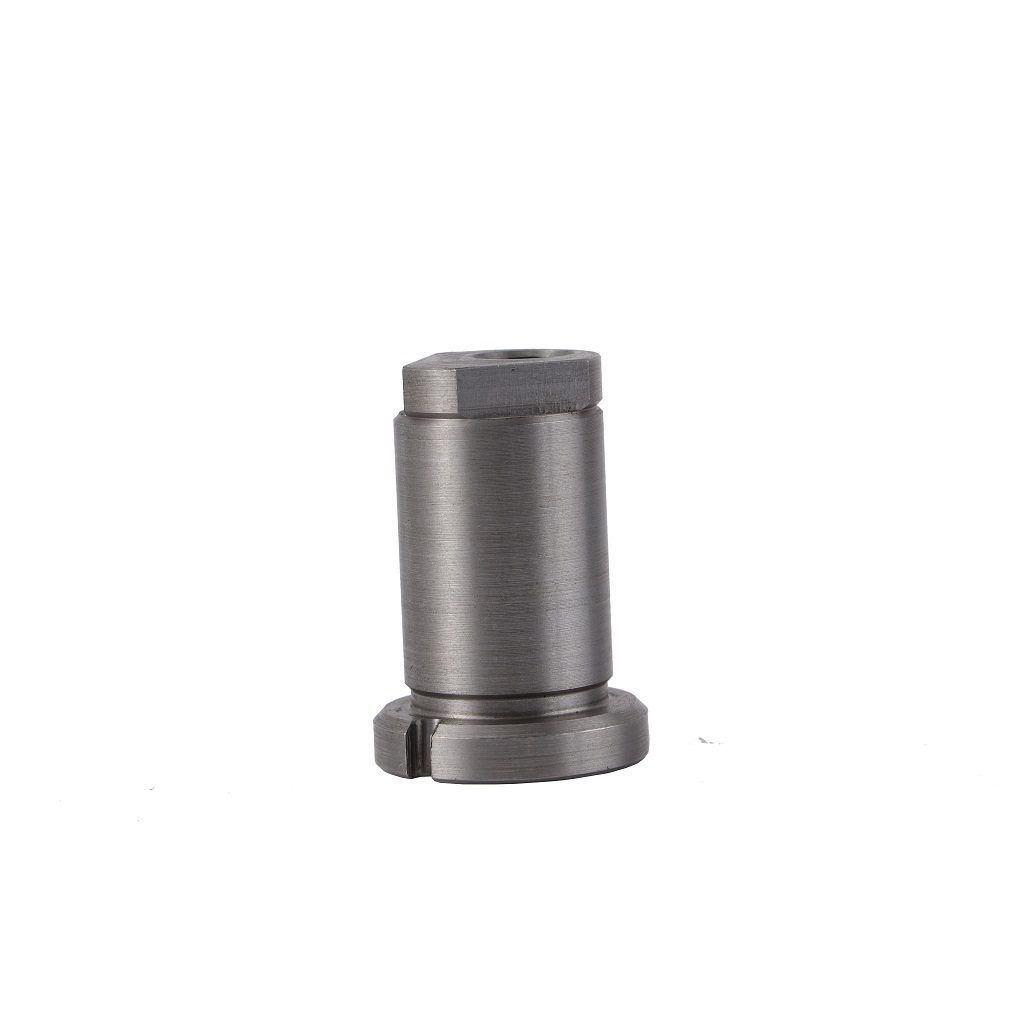
(1) Mechanical properties of machinable structural steel (see Table 3-1-13)
Table 3-1-13 Mechanical properties of machinable structural steel
| the name of a shop | Hot rolled bar and wire rod | Cold rolled strip steel | |||||||
| Tensile strength σb/Mpa | Extension rate δ5 (%) | contraction percentage ψ(%) | Brinell hardness HBS ≤ | Tensile strength σbMpa | Extension rate δ5 (%) ≥ | Brinell hardness HBS ≤ | |||
| ≥ | Steel bar size (mm) | ||||||||
| 8 ~ 20 | > 20 ~ 30 | > 30 | |||||||
| Y12 Y12pb Y15 Y15pb | 390 ~ 540 | 22 | 36 | 170 | 530 ~ 755 | 510 ~ 735 | 490 ~ 685 | 7 .0 | 152 ~ 217 |
| Y20 | 450 ~ 600 | 20 | 30 | 175 | 570 ~ 785 | 530 ~ 745 | 510 ~ 705 | 167 ~ 217 | |
| Y30 | 510 ~ 655 | 15 | 25 | 187 | 600 ~ 825 | 560 ~ 765 | 540 ~ 735 | 6 .0 | 174 ~ 223 |
| Y35 | 14 | 22 | 625 ~ 845 | 590 ~ 785 | 570 ~ 765 | 176 ~ 229 | |||
| Y40Mn | 590 ~ 735 | 20 | 207 | 590 ~ 785 | 590 ~ 785 | 17 | 179 ~ 229 | ||
| Y45ca | 600 ~ 745 | 12 | 26 | 241 | 695 ~ 920 | 655 ~ 855 | 635 ~ 835 | 6 .0 | 196 ~ 255 |
(2) Characteristics and applications of machinable structural steel (see Table 3-1-14)
Table 3-1-14 Characteristics and applications of machinable structural steels
| the name of a shop | Features and Examples |
| Y12 Y15 | Used in the manufacture of mechanical screws, rods, nuts, bolts for connecting parts, steering tie rod ball bolts, oil pump drive gears, etc. |
| Y12pb Y15pb | Fasteners and standard parts for automatic machining, such as nuts, pipe fittings, pins, and small shafts. |
| Y20 | Used to make parts with complex cross-sections that are difficult to process on small machines such as sewing machines, typewriters, and computers, as well as pins for internal combustion engine camshaft, clutch switch, and spherical chuck head. |
| Y30 Y35 | Components requiring higher tensile strength are typically used in cold-drawn condition |
| Y40Mn Y45ca | Used to manufacture heat-treated gears, shafts, etc |
(六)Non-quenched and tempered mechanical structural steel(GB/T 15712-1995)
Non-quenched and tempered mechanical structural steelis a new energy-saving steel type obtained by adding trace alloy elements to medium carbon steel and controlling temperature rolling (forging) and cooling, so that the mechanical properties of carbon structural steel or alloy structural steel can be achieved after tempered treatment without tempered treatment after rolling (forging).
Non-quenched and tempered mechanical structural steel, widely used in automobile, machine tool and agricultural machinery.
The mechanical properties of Non-quenched and tempered mechanical structural steel grades are shown in Table 3-1-15.
Table 3-1-15Non-quenched and tempered mechanical structural steel grades and mechanical properties
| Steel type | the name of a shop | Tensile strength σb/Mpa | yield point σ5 Mpa | Extension rate δ5 (%) | contraction percentage ψ(%) | Impact absorption power Ak/J | Brinell hardness HBS ≤ |
| ≥ | |||||||
| Easy to cut and non-adjustable, with a diameter or side length ≤ 40mm steel | YF35v | 590 | 390 | 18 | 40 | 47 | 229 |
| YF40v | 640 | 420 | 16 | 35 | 37 | 255 | |
| YF45v | 685 | 440 | 15 | 30 | 35 | 257 | |
| YF35Mnv | 735 | 460 | 17 | 35 | 37 | 257 | |
| YF40Mnv | 785 | 490 | 15 | 33 | 32 | 275 | |
| YF45Mnv | 835 | 510 | 13 | 28 | 28 | 285 | |
| Steel with a diameter or side length of 40-60mm is easy to cut and non-toughened. | YF35Mnv | 710 | 440 | 15 | 33 | 35 | 257 |
| YF40Mnv | 760 | 470 | 13 | 30 | 28 | 265 | |
| YF45Mnv | 810 | 490 | 12 | 28 | 25 | 275 | |
| Hot-dip galvanizing with non-machined steel | F45v | 685 | 440 | 15 | 40 | 32 | 257 |
| F35MnvN | 785 | 490 | 15 | 40 | 39 | 269 | |
| F40Mnv | 785 | 490 | 15 | 40 | 36 | 275 | |
2. The mechanical properties of F steel are determined by testing specimens with a diameter of 25mm, which are normalized at (950±20)℃ for 30 minutes and have a diameter or side length not exceeding 80mm.
(七) Spring steel (GB/T 1222-1984)
(1) Mechanical properties of spring steel (see Table 3-1-16) Table 3-1-16 Mechanical properties of spring steel
| the name of a shop | heat treating regime | mechanical property ≥ | ||||||
| hardening temperature /℃ | quenching agent | temperature /℃ | yield point σs | tensile strength σb | elongation (%) | section Shrinkage rate ψ (%) | ||
| Mpa | δ5 | δ10 | ||||||
| 65 | 840 | oil | 500 | 784 | 980 | 9 | 35 | |
| 70 | 830 | oil | 480 | 833 | 1029 | 8 | 30 | |
| 85 | 820 | oil | 480 | 980 | 1127 | 6 | 30 | |
| 65Mn | 830 | oil | 540 | 784 | 980 | 8 | 30 | |
| 555i2Mn | 870 | oil | 480 | 1176 | 1274 | 6 | 30 | |
| 555i2MnB | 870 | oil | 480 | 1176 | 1274 | 6 | 30 | |
| 555iMnvB | 860 | oil | 460 | 1225 | 1372 | 5 | 30 | |
| 605i2Mn | 870 | oil | 480 | 1176 | 1274 | 5 | 25 | |
| 605i2MnA | 870 | oil | 440 | 1372 | 1568 | 5 | 20 | |
| 605i2crA | 870 | oil | 420 | 1568 | 1764 | 6 | 20 | |
| 605i2crvA | 850 | oil | 410 | 1666 | 1862 | 6 | 20 | |
| 55crMnA | 830 ~ 860 | oil | 460 ~ 510 | 1078 (σ0 .2) | 1225 | 9 | 20 | |
| 60crMnA | 830 ~ 860 | oil | 460 ~ 520 | 1078 (σ0 .2) | 1225 | 9 | 20 | |
| 60crMnMOA | - | - | - | - | - | - | - | |
| 50crvA | 850 | oil | 500 | 1127 | 1274 | 10 | 40 | |
| 60crMnBA | 830 ~ 860 | oil | 460 ~ 520 | 1078 (σ0 .2) | 1225 | 9 | 20 | |
| 30W4cr2vA | 1050 ~ 1100 | oil | 600 | 1323 | 1470 | 7 | 40 | |
2. The listed values apply to steel with a cross-section not exceeding 80mm. For steel exceeding 80mm, the allowable elongation and cross-sectional shrinkage rates are reduced by 1% and 5%, respectively.
3. 30W4cr2vA. All performance specifications are for reference purposes, except for tensile strength.
(2) Characteristics and applications of spring steel (see Table 3-1-17)
Table 3-1-17 Characteristics and applications of spring steel
| the name of a shop | Main Features | Use examples |
| 65 70 85 | It can obtain high strength, hardness and flexural strength ratio, but the hardenability is small, the heat resistance is not good, and the ability to withstand dynamic load and fatigue load is low | It is widely used, but mostly for small springs with low working temperature or large springs that are not important. For example, springs used in automobiles, tractors, railway vehicles and general machinery. |
| 65Mn | The composition is simple, and the quenching and hardening properties, comprehensive mechanical properties, decarburization and other process properties are better than carbon steel, but it is sensitive to overheating, has temper brittleness, and is prone to crack after quenching | Low cost and high volume. It can be used to manufacture various small cross-section flat springs, round springs, springs, etc., as well as valve springs, spring rings, shock absorbers, clutch spring blades, brake springs, etc. |
| 55S,2Mn 60S,2Mn 60S,2MnA | The silicon content (wS) is high (up to 2.00%), with high strength and good elasticity. It exhibits excellent resistance to tempering. However, it is prone to decarburization and graphitization, and has limited hardenability. | The main types of spring steel are widely used in the manufacture of various springs, such as plate springs for automobiles, locomotives and tractors, helical springs, cylinder safety valve springs and some important springs working under high stress, and severely worn springs. |
| 55S,2MnB | Because of boron, its hardenability is significantly improved | Front and rear suspension springs and auxiliary springs for light and medium vehicles |
| 55S,MnvB | The steel grade independently developed in China outperforms 60S and 2Mn steel in hardenability, comprehensive mechanical properties, and fatigue resistance. | It mainly produces plate springs for medium and small cars with good performance, and can also produce other plate springs and helical springs with medium cross section size |
| 60S,2crA 60S,2crvA | High-strength spring steel with excellent hardenability and superior heat treatment performance. Due to its high strength, the spring should be promptly treated after coiling to relieve internal stresses. | Manufacturing high-capacity spring components for critical applications. The 60S,2crA grade steel is used to produce steam turbine sealing springs, adjustment springs, condenser support springs, and high-pressure pump disc springs. Additionally, this grade is employed in manufacturing critical components such as conventional weapon ammunition retrieval hooks and crusher springs. |
| 55crMnA 60crMnA | The outstanding advantages are good hardenability, good hot workability, good comprehensive mechanical properties and good decarburization resistance | Various important springs with large cross-sections, such as large plate springs and helical springs for automobiles and locomotives |
| 60crMnMOA | Among the various spring steels available, this one exhibits the highest degree of hardenability, along with superior mechanical properties and excellent temper stability. | Ultra-large springs for heavy-duty construction equipment, vehicles, and machinery. The steel plates can be over 35mm thick, and the round steel bars can exceed 60mm in diameter. |
| 50crvA | A small amount of vanadium improves the spring's elasticity, strength, yield strength ratio, and elastic deformation resistance, refines the grain size, and reduces the tendency to decarburize. With a low carbon content, it exhibits better plasticity and toughness than other spring steels. It also has high hardenability and good fatigue performance. | Various important helical springs are especially suitable for spring with high working stress amplitude and strict fatigue performance requirements, such as valve spring, injector spring, cylinder expansion ring, safety valve spring, etc |
| 60crMnBA | The permeability is higher than 60crMnA, and other properties are similar | Larger plate springs, helical springs, torsion springs, etc |
| 30W4Cr2VA | High strength heat-resistant spring steel with excellent hardenability and good high temperature creep resistance and hot working properties. | Heat-resistant springs for applications below 500°C, including turbine main steam valve springs, steam seal spring sheets, boiler safety valve springs, and 400-ton boiler disc valve springs. |
(二)Tool steel
(一) Carbon Tool Steel (GB/T 1298-1986)
(1) Carbon tool steel grade, chemical composition, and hardened steel hardness (see Table 3-1-18)
Table 3-1-18: Carbon Tool Steel Grades, Chemical Composition, and Hardness of the Steel After Quenching
| the name of a shop | Chemical composition (mass fraction)% | Annealed steel hardness HBS ≤ | Hardness of steel after quenching | |||||
| C | Mn | Si ≤ | S ≤ | P ≤ | Hardening temperature /℃ and coolant | HRC ≥ | ||
| T7 | 0 .65 ~ 0 .74 | ≤0 .40 | 0 . 35 | 0 .030 | 0 .035 | 187 | 800 to 820 water | 62 |
| T8 | 0 .75 ~ 0 . 84 | 780 to 800 water | ||||||
| T8Mn | 0 . 80 ~ 0 .90 | 0 .40 ~ 0 .60 | ||||||
| T9 | 0 . 85 ~ 0 .94 | ≤0 .40 | 192 | 760 to 780 water | ||||
| T10 | 0 .95 ~ 1 .04 | 197 | ||||||
| T11 | 1 .05 ~ 1 . 14 | 207 | ||||||
| T12 | 1 . 15 ~ 1 .24 | |||||||
| T13 | 1 .25 ~ 1 . 35 | 217 | ||||||
1. Sulfur content of steel smelted in open hearth furnace: high grade steel (with symbol "A" after steel number) is not more than 0.025%, high grade steel is not more than 0.035%.
2. The sulfur content of high grade steel is not more than 0.020%, and the phosphorus content is not more than 0.030%.
3. The allowable content of residual elements in steel is not more than 0.25% for chromium, 0.20% for nickel and 0.30% for copper.
(2) Characteristics and Applications of Carbon Tool Steel (see Table 3-1-19)
Table 3-1-19 Characteristics and applications of carbon tool steel
| the name of a shop | key property | Example |
| T7 T7A | Steel with eutectoid composition. Its strength increases with the increase of carbon content, and it has a good combination of strength and plasticity, but the cutting ability is poor | Designed for tools requiring high plasticity and hardness with moderate cutting performance. Common applications include chisels, punches, small pneumatic tools, woodworking tools (saws, chisels, forging dies, press dies), hand tools (pliers, hammers, rivet punches), mallets, lathe centers, sheet metal shears, and drill bits. |
| T8 T8A | Steel belonging to the eutectoid composition is prone to overheating during quenching, exhibits significant deformation, and has low strength and plasticity, making it unsuitable for tools subjected to heavy impact. However, after heat treatment, it achieves high hardness and wear resistance. | Tools designed to operate without overheating during use, such as milling cutters for wood processing, countersunk drills, axes, chisels, simple mold punches, hand saws, circular saw blades, rollers, lead-tin alloy die-cast plates and cores, fitting tools, and pneumatic tools. |
| T8Mn T8MnA | The performance is comparable to T8 and TSA, but it has higher hardenability and can achieve a deeper hardened layer. It can be used for tools with larger cross-sections. | In addition to manufacturing tools compatible with T8 and T8A standards, it can also produce crosshair files, hand saw blades, coal mining tools, and stone chisels. |
| T9 T9A | Performance comparable to T8 and T8A | It is used to make tools with toughness and hardness, such as punch and woodwork tools. T9 can also be used to make cutting parts for agricultural machinery, such as blades. |
| T10 T10A | It is a hypereutectoid steel that can maintain fine grains at 700 ~ 800℃ without overheating. After quenching, the steel contains insoluble excess carbides, which increase the wear resistance of the steel. It is suitable for manufacturing tools that do not change heat during work. | Manufacture hand saw, machine fine saw, twist drill, wire drawing fine film, small punch die, tap, turning and planing tool, hole expanding tool, thread plate, milling cutter, drill bit for hard rock, thread tool, drill tool for tight rock, chisel for engraving and filing, etc. |
| T11 T11A | In addition to the characteristics of T10 and T10A, it also has good comprehensive mechanical properties, such as hardness, wear resistance and toughness. It is less sensitive to grain growth and the formation of carbide network. | Tools that are not easily heated during manufacturing, such as taps, files, scrapers, small-sized cold stamping dies with no abrupt changes in cross-section, and woodworking tools. |
| T12 T12A | High in carbon content, there is more excess carbide after quenching, so the wear resistance and hardness are high, but the toughness is low, suitable for the manufacture of impact-free, but need very high hardness of tools | Suitable for manufacturing tools with low speed and easy to avoid heat, such as turning tools, milling tools, drills, reamers, hole expanders, taps, plate cutters, scrapers, gauges, and small cross-section cold cutting edge molds, punching molds, metal saw blades, copper tools, etc. |
| T13 T13A | It is the steel with the highest carbon content in carbon tool steel. It has extremely high hardness, increased carbide and uneven distribution, and low mechanical properties. It can not withstand impact and can only be used as a tool for cutting high hardness materials. | Used for manufacturing razors, cutting tools, turning tools, engraving tools, scrapers, wire drawing tools, drill bits, tools for hard stone processing, and carving tools. |
(二) Alloy tool steel (GB/T 1299-2000)
(1) Alloy tool steel grade and quenching hardness value (see Table 3-1-20)
Table 3-1-20 Alloy Tool Steel Grades and Quenching Hardness Values
| order number | the name of a shop | Delivery Status | Sample Test | |||||
| Brinell hardness HBS | impression diameter /mm | Hardening temperature/℃ and coolant | Rockwell hardness HRC ≥ | |||||
| 1 - 1 | 9SiCr | 241 ~ 197 | 3 .9 ~ 4 . 3 | 820 to 860, oil | 62 | |||
| 1 - 2 | 8MnSi | ≤229 | ≥4 .0 | 800 to 820, oil | 60 | |||
| 1 - 3 | cr06 | 241 ~ 187 | 3 .9 ~ 4 .4 | 780 ~ 810, water | 64 | |||
| 1 - 4 | cr2 | 229 ~ 179 | 4 .0 ~ 4 .5 | 830 ~ 860, oil | 62 | |||
| 1 - 5 | 9cr2 | 217 ~ 179 | 4 . 1 ~ 4 .5 | 820 to 850, oil | 62 | |||
| 1 - 6 | W | 229 ~ 187 | 4 .0 ~ 4 .4 | 800 to 830, water | 62 | |||
| 2 - 1 | 4crW2si | 217 ~ 179 | 4 . 1 ~ 4 .5 | 860 ~ 900, oil | 53 | |||
| 2 - 2 | 5crW2si | 255 ~ 207 | 3 . 8 ~ 4 .2 | 860 ~ 900, oil | 55 | |||
| 2 - 3 | 6crW2si | 285 ~ 229 | 3 .6 ~ 4 .0 | 860 ~ 900, oil | 57 | |||
| 3 - 1 | cr12 | 269 ~ 217 | 3 .7 ~ 4 . 1 | 950 to 1000, oil | 60 | |||
| 3 - 2 | cr12Mo1V1 | ≤255 | ≥3 . 8 | ① | 59 | |||
| 3 - 3 | cr12MoV | 255 ~ 207 | 3 . 8 ~ 4 .2 | 950 to 1000, oil | 58 | |||
| 3 - 4 | crsMo1V | ≤255 | ≥3 .95 | ② | 60 | |||
| 3 - 5 | 9Mn2V | ≤229 | ≥4 .0 | 780 ~ 810, oil | 62 | |||
| 3 - 6 | crWMn | 255 ~ 207 | 3 . 8 ~ 4 .2 | 800 to 830, oil | 62 | |||
| 3 - 7 | 9crWMn | 241 ~ 197 | 3 .9 ~ 4 . 3 | 800 to 830, oil | 62 | |||
| 3 - 8 | crW2MoV | ≤269 | ≥3 .7 | 960 ~ 980、 1020 to 1040, oil | 60 | |||
| 3 - 9 | 6cr4W3 - - Mo2VNb | ≤255 | ≥3 . 8 | 1100 to 1160, oil | 60 | |||
| 3 - 10 | 6W6Mo5cr4V | ≤269 | ≥3 .7 | 1180 to 1160, oil | 60 | |||
| 4 - 1 | 5crMnMo | 241 ~ 197 | 3 .9 ~ 4 . 3 | 820 to 850, oil | 60 | |||
| 4 - 2 | 5crMiMo | 830 ~ 860, oil | ||||||
| 4 - 3 | 3cr2W8V | 255 ~ 207 | 3 . 8 ~ 4 .2 | 1075 ~ 1125, oil | 60 | |||
| 4 - 4 | 5c r4Mo3 - siMnVAI | 255 | ≥3 . 8 | 1090 ~ 1120, oil | 60 | |||
| 4 - 5 | 3cr3Mo3W2V | 1060 ~ 1130, oil | ||||||
| 4 - 6 | 5cr4W5Mo2V | ≤269 | ≥3 .7 | 1100 to 1150, oil | 60 | |||
| 4 - 7 | 8cr3 | 255 ~ 207 | 3 . 8 ~ 4 .2 | 850 ~ 880, oil | 60 | |||
| 4 - 8 | 4crMnsiMoV | 241 ~ 197 | 3 .9 ~ 4 . 3 | 870 ~ 930, oil | 60 | |||
| 4 - 9 | 4cr3Mo3siV | ≤229 | ≥4 .0 | ③ | 60 | |||
| 4 - 10 | 4cr5MosiV | ≤235 | ≥3 .95 | ④ | 60 | |||
| 4 - 11 | 4cr5Mosiv1 | ≤235 | ≥3 .95 | ⑤ | 60 |
| 4 - 12 | 4cr5W2vsi | ≤229 | ≥4 .0 | 1030 ~ 1050, oil or air | 60 |
| 5 - 1 | 7Mn15cr - 2Al3v2WMo | - | - | 1170 ~ 1190, solid solution water 650 ~ 700, time-out | 45 |
| 6 - 1 | 3cr2Mo | - | - | - |
② Preheat at 790℃, then heat at 940℃ (salt bath) or 950℃ (furnace-controlled atmosphere) for 5-15 minutes, air cool, and temper at 200℃.
③ Preheat at 790℃, then heat at 1010℃ (salt bath) or 1020℃ (furnace-controlled atmosphere) for 5-15 minutes, air cool, and temper at 550℃.
④ Preheat at 790℃, then heat at 1000℃ (salt bath) or 1010℃ (furnace-controlled atmosphere) for 5-15 minutes, air cool, and temper at 550℃.
⑤ Preheat at 790℃ ± 15℃, then heat to 1000% (salt bath) or 1010℃ (furnace-controlled atmosphere) ± 6℃, hold at this temperature for 5-15 minutes, air cool, and temper at 550℃ ± 6℃.
(2) Properties and applications of alloy tool steel (see Table 3-1-21)
Table 3-1-21 Properties and applications of alloy tool steel
| the name of a shop | Main Features | Use examples |
| 9sicr | The hardenability is better than chromium steel. The workpiece of φ45mm ~ φ50mm can be hardened in oil, with high wear resistance and good temper stability. The cutting ability is poor, and the deformation is small during heat treatment, but the tendency of decarburization is large. | Suitable for cutting tools with high wear resistance, low cutting force and small deformation, such as plate cutters, taps, drills, reamers, gear milling cutters, draw tools, etc. It can also be used as cold stamping dies and cold rolling rolls |
| 8Mnsi | Resilience, hardenability and wear resistance are better than carbon tool steel | It is widely used as a wood chisel, saw blade, and other tools. It is also used to manufacture perforating and enlarging tools, small-sized hot forging dies and punches, hot pressing dies, bolts, track nail punches, wire drawing dies, cold stamping dies, and cutting tools. |
| cr06 | After quenching, the hardness and wear resistance are very high, but the hardenability is not good and the toughness is relatively brittle | After being cold rolled into thin steel strip, it is used to make razors, blades and surgical tools, and can also be used as scrapers, engraving knives, files and so on. |
| cr2 | After quenching, the hardness and wear resistance are very high, the deformation of quenching is not large, but the high temperature plasticity is poor | It is mainly used for low speed, small feed, and machining materials not very hard cutting tools, such as turning tools, cutting tools, milling tools, reamers, etc. It can also be used as measuring tools, templates, gauges, eccentric wheels, cold rolling rollers, drill sleeves and wire drawing dies, and can also be used as large size cold stamping dies |
| 9cr2 | Performance is similar to that of CR2 | Primarily used for cold rolling mills, steel stamp punch tools, cold stamping dies and punches, and woodworking tools. |
| w | The hardness and wear resistance after quenching are better than carbon steel, the deformation after heat treatment is small, and the water quenching is not easy to crack | It is mainly used for tools with low working temperature and low cutting speed, such as small twist drills, taps, plate teeth, reamers, saw blades, roller tools, etc. |
| 4crw2si | It has good strength and hardness at high temperature, and high toughness | Suitable for shear blade, pneumatic tools with high impact vibration, medium stress hot forging die, and low heat cast die |
| 5crw2si | It shares the same properties as 4crw2si, but exhibits slightly higher hardness at 650°C, reaching approximately 41-43 HRc. During heat treatment, it demonstrates minimal sensitivity to decarburization, deformation, and cracking. | Suitable for manual and pneumatic chisels, air hammer tools, riveting tools, cold stamping dies, and heavy vibration cutting tools. When used for hot work steel, it can also be applied to punching and piercing tools, shearing dies, hot forging dies, and die-casting dies for fusible alloys. |
| 6crw2si | It shares the same properties as 5crw2si, yet achieves a hardness of 43 to 45 HRc at 650°C. | Suitable for stamping dies, pressing dies, casting finishing tools, pneumatic chisels, etc. under heavy loads. As a hot working steel, it can be used to produce screw and hot rivet punch, high temperature die casting light alloy top head, hot forging die, etc. |
| cr12 | High carbon and high chromium steel has high strength, wear resistance and hardenability, small deformation after quenching, brittle, poor thermal conductivity and poor plasticity at high temperature | It is mainly used in the manufacture of molds with high wear resistance and no impact, and cutting tools with non-hard processing materials, such as turning tools, reamers, cold stamping dies, punches, gauges, templates, measuring tools, cam pins, eccentric wheels, cold rolling rolls, drill sleeves and wire drawing dies. |
| cr12MoV | The workpiece has higher hardenability, hardness, strength and toughness after quenching and tempering than CR12. The workpiece with a cross section of less than 300 ~ 400mm can be fully hardened, and the wear resistance and plasticity are better, with small deformation, but the high temperature plasticity is poor. | Suitable for various casting, forging, and mold applications, including punching dies, trimming dies, edge rolling dies, seam dies, wire drawing dies, steel plate drawing dies, thread forming plates, standard tools, and measuring instruments. |
| cr5Mo1V | This steel grade, imported from the United States, exhibits excellent air quenchability with minimal deformation during quenching. Its toughness surpasses both 9Mn2V and Cr12, featuring uniformly distributed fine carbides and superior wear resistance. | Suitable for manufacturing cold working dies, forming dies, cutting dies, punches, cold blanking dies, etc. with good toughness and wear resistance |
| 9Mn2V | Hardness and wear resistance are higher than carbon steel, and deformation is small after quenching | Suitable for making various small deformation, high wear resistance precision screw, grinding machine spindle, template, cam, gauge block, gauge tool and tap, plate, reamer and die casting light metal and alloy push-in device |
| crwMn | The material exhibits superior hardenability and wear resistance, with higher hardness than chromium steel and chromium-silicon steel, along with better toughness. It also demonstrates less deformation after quenching compared to CRMn steel. However, its drawback lies in the severe formation of carbide networks. | It is mainly used to manufacture cutting tools with small deformation, long and complex shape, such as reamers, long taps, long reamers, special milling tools, gauges and cold stamping dies with complex shape and high precision |
| 9crwMn | Similar to crwMn, it exhibits superior carbide segregation due to its slightly lower carbon content, resulting in better mechanical properties, though its hardness remains relatively low after heat treatment. | same crwMn |
| cr4w2MoV | This is a new type of medium alloy cold working die steel independently developed in China. It has fine and uniform distribution of eutectic compound particles, high hardenability and hardenability, and good mechanical properties, wear resistance and dimensional stability. | Suitable for manufacturing cold stamping dies, cold extrusion dies, and threading dies, and can also perform punching on spring steel plates with thicknesses ranging from 1.5 to 6.0 mm. |
| 6cr4w - 3Mo2VNb | High toughness cold working die steel, with high strength, high hardness, good toughness, and high fatigue strength | For manufacturing cold working dies, cold extrusion dies, cold heading dies, and screw punches with complex shapes under impact loads. |
| 6w6Mo - 5cr4V | It is a mold steel developed by China for extrusion of ferrous metals, with high strength, high hardness, wear resistance and stability against tempering, and good comprehensive properties. | Suitable for punches and molds |
| 5crMnMo | Hammer forging die steel without nickel has good toughness, strength and high wear resistance, and is not sensitive to temper brittleness and has good hardenability | Suitable for medium and small hot forging with side lengths of 300 to 400 mm or less. |
| 5crNiMo | Similar to 5crMnMo, it exhibits superior high-temperature strength, toughness, and resistance to thermal fatigue. | Suitable for medium and large hammer forging dies with complex shapes and strong impact loads |
| 3cr2w8V | Commonly used die-casting mold steels feature low carbon content to ensure high toughness and excellent thermal conductivity. These steels contain abundant chromium and tungsten, which readily form carbides. They exhibit high hardness and strength at elevated temperatures, possess a high phase transformation temperature, demonstrate superior heat fatigue resistance, and exhibit good hardenability. When the cross-sectional thickness is ≤100mm, they can achieve full hardenability, though their toughness and plasticity remain relatively limited. | Suitable for high temperature and high stress but not impact pressing dies, such as convex and concave dies, inlay blocks, copper alloy extrusion dies on flat forging machines, etc., can also be used as hot shear knives |
| 5cr4Mo - 3siMnVAl | It has high toughness, good heat resistance and cold and hot fatigue, and good hardenability and hardening. It is a hot working die steel and can also be used as a cold working die steel. | Ideal for manufacturing cold heading dies, punching dies, hot forging dies for groove bolts, and hot extrusion punches, it can replace 3cr2W8V and cr12MoV. |
| 3cr3Mo 3W2V | It has good cold and hot working properties, high thermal strength, good cold and hot fatigue resistance, good wear resistance, good hardening properties, and certain impact resistance | Hot working dies can be produced, such as forging dies, precision forging dies, rolling dies, and press dies. |
| 5cr4W 5Mo2V | It is a kind of hot extrusion and precision forging die steel developed by China, which has high heat hardness, high wear resistance, high temperature strength, anti-tempering stability and certain impact toughness. It can be subjected to general heat treatment or isothermal heat treatment and chemical heat treatment. | Primarily used for manufacturing hot extrusion dies, often replacing 3cr2W8V. |
| 8cr3 | It has good hardenability, both room temperature strength and high temperature strength, fine and evenly distributed carbides, and good wear resistance | It is commonly used in molds with low impact and vibration, working temperature below 500℃, and wear resistance, such as hot cutting edge mold, forming punch mold, bolt hot top forging mold, etc. |
| 4crMnsiMoV | It exhibits superior high-temperature mechanical properties and excellent thermal fatigue resistance, making it a viable replacement for 5crNiMo. | Used for manufacturing hammer forging dies, press forging dies, correction dies, bending dies, and other types of dies. |
| 4cr3Mo3siV | With high hardenability, high temperature hardness, and excellent toughness, it can replace 3cr2WBV. | Can make hot rolling die, plastic die, hot forging die, hot stamping die, etc |
| 4cr5MosiV | It has high hardenability, good comprehensive properties below medium temperature, small deformation of heat treatment, and good cold and hot fatigue resistance | Ideal for manufacturing hot extrusion dies, bolt dies, hot cutting dies, hammer forging dies, and aluminum alloy die-casting dies. |
| 4cr5MosiV1 | It demonstrates excellent comprehensive performance at medium temperatures (≈600°C), featuring high hardenability (achieving hardness in air), minimal deformation during heat treatment, and superior performance with extended service life compared to 3cr2W8V. | Suitable for forging hammer dies, aluminum alloy die casting molds, hot extrusion dies, high-speed precision forging dies, and forging press dies. |
| 4cr5W2Vsi | At medium temperature, it has high hardness and thermal strength, good toughness and wear resistance, and good cold and hot fatigue resistance | Suitable for forging dies, punches, hot extrusion dies, and die casting molds for non-ferrous metals. |
| 7Mn15cr2 Al3V2WMo | The austenite can be maintained in various states, and has very low permeability, high strength, hardness, wear resistance, but poor cutting performance | Used to manufacture non-magnetic molds, non-magnetic bearings and structural parts that do not produce magnetic induction in strong magnetic fields |
| 3cr2Mo | It has good cutting performance and mirror grinding performance. After mechanical processing, the cavity deformation and dimensional change are small. After heat treatment, the surface hardness can be improved and the service life can be improved. | Suitable for manufacturing plastic molds and low-melting metal die-casting molds |
(三)High-speed tool steel (GB/T 9943-1988)
(1)High-speed tool steel grades and quenching hardness (see Table 3-1-22)
Table 3-1-22 High-speed tool steel grades and quenching hardness
| the name of a shop | Hardness at delivery HBS ≤ | Test sample heat treatment system and quenching and tempering hardness | ||||||
| Other processing methods | anneal | preheat temperature /℃ | hardening temperature /℃ | quenching agent | temperature /℃ | HRc ≥ | ||
| salt bath furn | box furnace | |||||||
| W18cr4V | 269 | 255 | 820 ~ 870 | 1270 ~ 1285 | 1270 ~ 1285 | oil | 550 ~ 570 | 63 |
| W18cr4Vco5 | 285 | 269 | 820 ~ 870 | 1270 ~ 1290 | 1280 ~ 1300 | oil | 540 ~ 560 | 63 |
| W18cr4V2co8 | 302 | 285 | 820 ~ 870 | 1270 ~ 1290 | 1280 ~ 1300 | oil | 540 ~ 560 | 63 |
| W12cr4V5co5 | 293 | 277 | 820 ~ 870 | 1220 ~ 1240 | 1230 ~ 1250 | oil | 530 ~ 550 | 65 |
| W6Mo5cr4V2 | 262 | 255 | 730 ~ 840 | 1210 ~ 1230 | 1210 ~ 1230 | oil | 540 ~ 560 | 63 ( box furnace ) |
| 64 ( salt bath furn ) | ||||||||
| cW6Mo5cr4V2 | 269 | 255 | 730 ~ 840 | 1190 ~ 1210 | 1200 ~ 1220 | oil | 540 ~ 560 | 65 |
| W6Mo5cr4V3 | 269 | 255 | 730 ~ 840 | 1190 ~ 1210 | 1200 ~ 1220 | oil | 540 ~ 560 | 64 |
| cW6Mo5cr4V3 | 269 | 255 | 730 ~ 840 | 1190 ~ 1210 | 1200 ~ 1220 | oil | 540 ~ 560 | 64 |
| W2Mo9cr4V2 | 269 | 255 | 730 ~ 840 | 1190 ~ 1210 | 1200 ~ 1220 | oil | 540 ~ 560 | 65 |
| W6Mo5cr 4V2co5 | 285 | 269 | 730 ~ 840 | 1190 ~ 1216 | 1200 ~ 1220 | oil | 540 ~ 560 | 64 |
| W7Mo4cr 4V2co5 | 285 | 269 | 730 ~ 840 | 1180 ~ 1200 | 1190 ~ 1210 | oil | 530 ~ 550 | 66 |
| W2Mo9cr 4Vco8 | 285 | 269 | 730 ~ 840 | 1170 ~ 1190 | 1180 ~ 1200 | oil | 530 ~ 550 | 66 |
| W9Mo3cr4V | 269 | 255 | 820 ~ 870 | 1210 ~ 1230 | 1220 ~ 1240 | oil | 540 ~ 560 | 63 ( box furnace ) |
| 64 (Salt furnace) | ||||||||
| W6Mo5cr 4V2A1 | 285 | 269 | 820 ~ 870 | 1230 ~ 1240 | 1230 ~ 1240 | oil | 540 ~ 560 | 65 |
(2) Characteristics and applications of high-speed tool steel (see Table 3-1-23)
Table 3-1-23 Characteristics and applications of high-speed tool steel
| the name of a shop | Main Features | Use examples |
| W18cr4V | This material exhibits excellent high-temperature hardness, maintaining superior hardness and cutting performance even at 600°C. It demonstrates good machinability, low overheating sensitivity during quenching, and superior heat resistance compared to alloy tool steels. However, its coarse carbide structure leads to reduced strength and toughness as material dimensions increase. Therefore, it is only suitable for manufacturing general-purpose tools, not thin-edge or large-scale cutting tools. | It is widely used in the manufacturing of various tools for medium or soft materials, such as turning tools, milling tools, drawing tools, gear tools, taps, etc.; it can also be used to make cold working molds, and can also be used to manufacture bearings, springs and other wear-resistant and high-temperature parts that work under high temperature. |
| W18cr4 Vco5 | Cobalt-containing high-speed steel exhibits excellent high-temperature hardness and heat hardenability, along with superior wear resistance. It achieves high quenching hardness, with surface hardness reaching 64 to 66 HRc. | It can manufacture and process various tools for high-speed cutting with high hardness, such as hobbing tools, turning tools and milling tools, as well as machining tools for automated machine tools |
| W18cr 4V2co8 | Cobalt-containing high-speed steel outperforms W18cr4VcO5 in high-temperature hardness and wear resistance, though with reduced toughness. Its quenched hardness reaches 64-66 HRc (surface hardness). | It can be used to manufacture and process various tools with high hardness and high cutting force, such as milling cutter, roller cutter and turning cutter |
| W12cr 4V5co5 | High carbon, high vanadium and cobalt high speed steel has good wear resistance, high hardness, good stability against tempering and high hardness at high temperature. Therefore, the working temperature is high and the working life is several times higher than other high speed steel. | Suitable for machining difficult materials, such as high strength steel, medium strength steel, cold rolled steel, cast alloy steel, etc., suitable for making turning tools, milling tools, gear tools, forming tools, thread machining tools and cold working molds, but not suitable for manufacturing high precision complex tools |
| W6Mo5 cr4V2 | This high-speed tool steel exhibits excellent high-temperature hardness and toughness, with surface hardness reaching 64-66 HRc after quenching. Containing molybdenum and low tungsten, it is cost-effective and widely used, second only to W18cr4V in popularity. | Suitable for manufacturing drills, taps, broaches, milling cutters, gear tools, cold working dies, etc. |
| cW6Mo5 cr4V2 | After quenching, the surface hardness, high-temperature hardness, heat resistance, and wear resistance are all improved compared to W6Mo5cr4V2, but its strength and impact toughness are reduced. | Used to manufacture tools with high cutting performance and low impact, such as reamers, hedges, lathes, and hole expanders |
| W6Mo5 cr4V3 | It features fine and uniform carbides, high toughness, and good plasticity. Its wear resistance surpasses W6Mo5cr4V2, but it has poor grindability and is prone to oxidation and decarburization. | It can be used to make various types of general tools, such as turning tools, planers, taps, drills, forming milling tools, drawing tools, rolling tools, thread combs, etc., which are suitable for machining medium and high strength steel, high temperature alloys and other difficult to process materials. Because of the poor grinding properties, it is not suitable for making high precision and complex tools. |
| cW6Mo - 5cr4V3 | High-carbon molybdenum high-speed steel is a steel grade developed from W6Mo5cr4V3 by increasing the average carbon content (wc) from 1.05% to 1.20% and correspondingly raising the vanadium content, thereby enhancing its wear resistance. | Same as W6Mo5cr4V3 |
| W2Mo9 cr4V2 | It has high temperature hardness, toughness and wear resistance, low density and good grindability, and has good effect when cutting general materials | For manufacturing milling cutters, forming tools, taps, saw blades, turning tools, broaches, cold stamping dies, and other specialized tools. |
| W6Mo5cr - 4V2co5 | Cobalt-containing high-speed steel has good high-temperature hardness, good cutting performance and wear resistance, but low strength and impact toughness | A variety of tools can be used to manufacture and process hard materials, such as gear tools, milling tools, punches, etc |
| W7Mo4cr 4V2co5 | The W6Mo5cr4v2 steel has been enhanced with 5% cobalt (wco), increased carbon content, and optimized tungsten and molybdenum levels. This upgrade improves high-temperature hardness and wear resistance, while maintaining good machinability. However, the steel's strength and impact toughness remain relatively low. | Generally used in the manufacture of gear tools, milling tools, punches, tool heads and other tools for cutting hard materials |
| W2Mo9 cr4Vco8 | High carbon cobalt superhard high speed steel, with high room temperature hardness and high temperature hardness, good grinding properties, sharp blade | It is suitable for making various high-precision and complex tools, such as forming milling tools, precision drawing tools, special drills, turning tools, tool heads and blades. For processing difficult-to-process materials such as casting high-temperature alloys, titanium alloys and ultra-high strength steel, it can get good results. |
| W9Mo3 cr4V | A tungsten-molybdenum alloy general-purpose high-speed steel with strong versatility, outperforming W6Mo5cr4V2 in comprehensive performance while maintaining lower costs. | Manufacture a variety of high speed cutting tools and cold and hot molds |
| W6Mo5 - cr4V2Al | Aluminum-containing superhard high-speed steel, with high high-temperature hardness, high wear resistance, good thermal plasticity, long working life | Suitable for machining various difficult materials, such as high temperature alloy, ultra-high strength steel, stainless steel, etc., can be made of turning tools, boring tools, milling tools, drill bits, gear tools, drawing tools, etc |
(三) Bearing steel
The characteristics and applications of common bearing steel grades are shown in Table 3-1-24.
Table 3-1-24 Characteristics and applications of commonly used bearing steel grades
(1) High-carbon chromium stainless bearing steel (GB/T 3086-1982)
| the name of a shop | Main Features | Use examples |
| 9cr18 9cr18Mo | It has high hardness and high temper stability, good cutting performance and cold stamping properties, and poor thermal conductivity. It has higher mechanical properties after quenching, cold treatment and low temperature tempering. | This material is used to manufacture corrosion-resistant bearing rings and rolling elements for applications in seawater, river water, nitric acid, chemical and petroleum industries, as well as nuclear reactor applications. It can also be used to produce high-temperature resistant bearing steel with a maximum operating temperature of 250°C. Additionally, it is suitable for manufacturing high-quality tools, medical surgical knives, and mechanical components that require wear and corrosion resistance while handling relatively low dynamic loads. |
(2) High carbon chromium bearing steel
| the name of a shop | Main Features | Use examples |
| Gcr9 | It has high wear resistance and hardenability, medium cutting performance and strain plasticity, sensitive to white spot formation, poor weldability, and tendency to temper brittleness. It is mainly used in quenched and low-temperature tempered state. | This bearing steel is widely used to manufacture small steel balls and rollers for rotating shafts, large bushings and rolling elements for general working conditions. It is commonly applied in micro bearings and general bearings for machine tools, locomotives, motors, and aviation. Additionally, it can be used to produce critical mechanical components that require high elasticity, wear resistance, and contact fatigue strength. |
| Gcr15 | It has good hardenability, high wear resistance, high fatigue life, medium plastic deformation in cold working, certain cutting properties, and poor weldability. It is generally used after quenching and low-temperature tempering. | Steel balls, rollers and rings are used to manufacture large mechanical bearings. They can also be used to manufacture machine parts with large load, such as toothed wheel drill bit rotating shaft, blade, pump stator, mold, sleeve, spindle, machine tool screw rod, cold stamping mold, etc. |
| Gcr9 | The performance is comparable to Gcr15, but the hardenability and processing | Designed for manufacturing larger bearing sleeves, it can replace Gcr15. |
| siMn | Higher performance | make use of |
| Gcr15 siMn | It has higher wear resistance and hardenability than Gcr15, moderate cold workability, poor weldability, sensitivity to white spot formation, and temper brittleness during heat treatment. | Designed for manufacturing large bearing components such as rings, steel balls, and rollers, it also produces high-wear-resistant, high-hardness parts including rolls and gauges, with properties and applications comparable to Gcr15. |
(3) Carburized bearing steel (GB/T3203-1982)
| the name of a shop | Example |
| G20crMo | Used in bearings for automobiles, tractors, and other equipment subjected to impact loads, including raceways and rolling elements. |
| G20crNiMo | Used in bearings for automobiles, tractors, and other equipment subjected to impact loads, including raceways and rolling elements. |
| G20crNi2Mo | Used for bearings subjected to high impact loads, such as engine main bearings |
| G20cr2Ni4 | Large bearings with high impact loads, such as those used in rolling mills and mining machinery, are also used to manufacture small and medium-sized bearings that are subjected to high impact loads and high safety requirements. |
| G10crNi3Mo | Used for large and medium bearings subjected to high impact loads |
| G20cr2Mn2Mo | Large bearings with high impact loads, such as those used in rolling mills and mining machinery, are also used to manufacture small and medium-sized bearings that can withstand high impact loads and have high safety requirements. This is a new type of steel that is adapted to the characteristics of China's resources. |
(四) Special steel
(一) Stainless steel (GB/T 1220-1992)
The characteristics and applications of common stainless steel grades are shown in Table 3-1-25.
Table 3-1-25 Characteristics and applications of commonly used stainless steel grades
| type | the name of a shop | Features and Applications |
| Austenitic Stainless Steel | 1cr17Mn6Ni5N | A new grade of stainless steel, replacing grade 1cr17Ni7, exhibits magnetic properties after cold working. Used in railway vehicles. |
| 1cr18Mn3Ni5N | Nickel steel grade, replacing grade 1 Cr18Ni9 | |
| 1cr18Mn10Ni5Mo3N | It has good corrosion resistance to urea and can be used to manufacture urea corrosion equipment | |
| 1cr17Ni7 | Cold-worked for high strength, used in railway vehicles and conveyor belt bolts and nuts | |
| 1cr18Ni9 | Cold-worked parts exhibit high strength, though their elongation is slightly inferior to that of 1cr17Ni7. These components are used in architectural decoration. | |
| Y1cr18Ni9 | Enhances machinability and ablation resistance, ideal for producing bolts and nuts in automatic lathes | |
| Y1crl8Ni9se | Enhances machinability and ablation resistance. Ideal for manufacturing rivets and screws on automatic lathes. | |
| 0cr18Ni9 | As the most widely used stainless steel, it is used in food equipment, general chemical equipment and nuclear energy industrial equipment | |
| 00cr19Ni10 | Steel with lower carbon content than 0cr19Ni9 exhibits superior resistance to intergranular corrosion, making it suitable for welded components without subsequent heat treatment. | |
| 0cr19Ni9N | Adding the letter N to the grade 0cr19Ni9 enhances strength without compromising plasticity, while reducing material thickness. This makes it suitable for structural high-strength components. | |
| 0cr19Ni10NbN | Adding N and Nb to the grade 0cr19Ni9 results in the same properties and applications as 0cr19Ni9. | |
| 00cr18Ni10N | The addition of nitrogen to grade 00cr19Ni10 retains the same properties as the aforementioned grade, with identical applications to 0cr19Ni9N, but exhibits superior resistance to intergranular corrosion. | |
| 1cr18Ni12 | Compared with 0cr19Ni9, it exhibits lower work hardenability and is suitable for spinning, special drawing, and cold heading processes. | |
| 0cr23Ni13 | Both corrosion resistance and heat resistance are better than ocr19Ni9 | |
| 0cr25Ni20 | It has better oxidation resistance than 0cr23Ni13 and is actually used as heat resistant steel | |
| ocr17Ni12Mo2 | It exhibits superior corrosion resistance to OCV19Ni9 in seawater and other corrosive environments, making it the preferred material for applications requiring pitting resistance. | |
| 1cr18Ni12Mo2Ti | Equipment resistant to sulfuric acid, phosphoric acid, formic acid and acetic acid, with good resistance to intergranular corrosion |
| Austenitic Stainless Steel | ocr18Ni12Mo2Ti | Equipment resistant to sulfuric acid, phosphoric acid, formic acid and acetic acid, with good resistance to intergranular corrosion |
| oocr17Ni14Mo2 | This ultra-low carbon steel, designated as ocr17Ni12Mo2, exhibits superior intergranular corrosion resistance compared to its counterpart ocr17Ni12Mo2. | |
| ocr17Ni12Mo2N | By adding nitrogen (N) to the alloy OCr17Ni12Mo2, the material's strength is enhanced without compromising ductility, enabling thinner profiles for components with superior corrosion resistance and high strength. | |
| oocr17Ni13Mo2N | The addition of nitrogen (N) to the grade oocr17Ni14Mo2 retains the same characteristics as the aforementioned grade and shares identical applications with oct17Ni12Mo2N, while offering superior intergranular corrosion resistance. | |
| ocr18Ni12Mo2cu2 | Outperforms OCr17Ni12Mo2 in corrosion resistance and pitting corrosion resistance, making it suitable for sulfuric acid-resistant applications. | |
| oocr18Ni14Mo2cu2 | The ultra-low carbon steel ocr18Ni12Mo2cu2 exhibits superior intergranular corrosion resistance compared to its counterpart ocr18Ni12Mo2cu2. | |
| ocr19Ni13Mo3 | It exhibits superior corrosion resistance to OCr17Ni12Mo2, making it suitable for applications such as dyeing equipment materials. | |
| oocr19Ni13Mo3 | The ultra-low carbon steel ocr19Nil3Mo3 exhibits superior resistance to intergranular corrosion compared to ocr19Ni13Mo3. | |
| 1cr18Ni12Mo3Ti | Equipment resistant to sulfuric acid, phosphoric acid, formic acid and acetic acid, with good resistance to intergranular corrosion | |
| ocr18Ni12Mo3Ti | Equipment resistant to sulfuric acid, phosphoric acid, formic acid and acetic acid, with good resistance to intergranular corrosion | |
| ocr18Ni6Mo5 | Designed for heat exchangers, acetic acid equipment, phosphoric acid systems, and bleaching units that require chlorine-containing solutions, this material is suitable for environments where oocr17Ni14Mo2 and oocr19Ni13Mo3 are not applicable. | |
| 1cr18Ni9Ti | Used as welding core, anti-magnetic instruments, medical devices, acid-resistant containers, equipment lining, and pipeline transportation equipment and parts | |
| ocr18Ni1oTi | Add titanium to improve intergranular corrosion resistance. It is not recommended for decorative parts. | |
| ocr18Ni11Nb | Contains Nb to improve intergranular corrosion resistance | |
| ocr18Ni9cu3 | A steel grade with improved cold workability by adding copper to the composition ocr19Ni9, suitable for cold heading. | |
| ocr18Ni13si4 | Add Ni to the grade OCR19Ni9. Add Si to improve stress corrosion resistance. Suitable for environments with chloride ions. | |
| Austenite | ferrite Austenite | ferrite | ocr26Ni5Mo2 | It has a dual-phase structure, good oxidation resistance and good resistance to pitting corrosion. It has high strength and is used as a corrosion resistant material. |
| 1cr18Ni11si4AlTi | Manufacture parts and equipment for high temperature concentrated nitric acid medium | |
| oocr18Ni5Mo3si2 | Featuring a duplex structure of ferrite and austenite, it exhibits excellent resistance to stress corrosion cracking and comparable pitting corrosion resistance to OOCR17Ni13Mo2. With high strength, it is suitable for chlorinated environments and widely used in industrial heat exchangers and condensers across sectors including petroleum refining, fertilizer production, paper manufacturing, and petrochemical industries. | |
| type | the name of a shop | Features and Applications |
| Ferritic | ocr13Al | Materials for steam turbines, quenching components, and composite steels that cool at high temperatures without significant hardening |
| oocr12 | Compared to OCR13, it has lower carbon content, better bending performance, processing properties, and high-temperature oxidation resistance. It is used in automotive exhaust treatment devices, boiler combustion chambers, and nozzles. | |
| 1cr17 | A corrosion-resistant general steel type, used for interior decoration, heavy oil burner parts, household appliances, and household utensils | |
| Y1cr17 | Enhances cutting performance compared to 1cr17. Used in automatic lathes for manufacturing bolts, nuts, and similar components. | |
| 1cr17Mo | An improved version of 1cr17 steel, it exhibits superior resistance to salt solutions compared to standard 1cr17 and is used as an exterior automotive material. | |
| oocr3oMo2 | The high Cr-Mo series features extremely low carbon and nitrogen content, offering excellent corrosion resistance. It is suitable for manufacturing equipment related to organic acids such as acetic and lactic acid, as well as caustic soda equipment. It resists halide ion stress corrosion cracking and pitting corrosion. | |
| oocr27Mo | It requires performance, application, corrosion resistance, and soft magnetic properties similar to oocr3oMo2 | |
| Ma's body type | 1cr12 | As a good stainless heat resistant steel for steam turbine blades and high stress components |
| 1cr13 | Good corrosion resistance and cutting properties for general purpose cutting tools | |
| ocr13 | Highly durable and impact-resistant components, such as steam turbine blades, structural elements, stainless steel equipment linings, bolts, and nuts. | |
| Y1cr13 | The stainless steel grade with the best machinability for automatic lathes | |
| 1cr13Mo | A high-strength steel with superior corrosion resistance to 1cr13, used for manufacturing steam turbine blades and high-temperature components. | |
| 2cr13 | High hardness and good corrosion resistance in quenched state, used for steam turbine blades | |
| 3cr13 | Higher hardness than 2cr13 after quenching, suitable for cutting tools, nozzles, valve seats, and valves. | |
| Y3cr13 | Steel to improve 3cr13 cutting performance | |
| 3cr13Mo | High-hardness and high-wear-resistant components such as thermal oil pump shafts, valve discs, valve bearings, medical devices, and springs | |
| 4cr13 | High-hardness and high-wear-resistant components such as thermal oil pump shafts, valve discs, valve bearings, medical devices, and springs | |
| 1cr17Ni2 | Parts, containers and equipment with high strength and corrosion resistance to nitric acid and organic acids | |
| 7cr17 | Hard in hardened state, but more ductile than 8cr17 and 11cr17. Suitable for making cutting tools, measuring tools, and bearings. | |
| 8cr17 | Harder than 7cr17 and more ductile than 11cr17, suitable for making cutting tools and valves. | |
| 9cr18 | Stainless steel cutting blade tools and shearing tools, surgical blades, high wear-resistant equipment parts, etc. | |
| 11cr17 | It has the highest hardness among all stainless steel and heat-resistant steel. It is used for nozzles and bearings. | |
| Y11 cr17 | A steel grade with improved machinability compared to 11cr17, suitable for automatic lathes. | |
| 9cr18Mo | High carbon chromium stainless steel for bearing rings and rolling bodies | |
| 9cr18MoV | Stainless steel cutting blade tools and shearing tools, surgical blades, high-wear-resistant equipment parts, etc. | |
| type | the name of a shop | Features and Applications |
| Precipitation hardening | 0cr17Ni4cu4Nb | Copper precipitation-hardened steel grades for shafts and steam turbine components. |
| ocr17Ni7Al | Precipitation-hardened steel grades with aluminum are used for springs, heat rings, and meter components. | |
| 0cr15Ni7M02Al | For high-strength containers, parts, and structural components with certain corrosion resistance requirements |
(二) Heat resistant steel (GB/T 1221-1992)
The characteristics and applications of commonly used heat-resistant steel grades are shown in Table 3-1-26.
Table 3-1-26 Characteristics and applications of commonly used heat-resistant steel grades
| the name of a shop | Features and Applications |
| 5cr21Mn9Ni4N | Exhaust valve for gasoline and diesel engines mainly subjected to high temperature |
| 2cr21Ni12N | An exhaust valve for gasoline and diesel engines with antioxidant as the main component |
| 2cr23Ni13 | An oxidation-resistant steel designed for repeated heating below 980°C. Suitable for use in heating furnace components and heavy oil burners. |
| 2cr25Ni20 | Antioxidant steel for repeated heating below 1035℃, used in furnace components, nozzles, and combustion chambers |
| 1cr16Ni35 | Steel with high carburizing and nitriding resistance, reheated below 1035°C. Furnace steel and petroleum cracking equipment. |
| 0cr15Ni25Ti2M0AlvB | Turbine rotor, bolts, blades, and shafts withstanding temperatures up to 700°C |
| 0cr18Ni9 | General oxidation-resistant steel, capable of repeated heating below 870℃ |
| 0cr23Ni13 | Outperforms 0cr18Ni9 in oxidation resistance and can withstand repeated heating cycles below 980% for furnace materials. |
| 0cr25Ni20 | Outperforms 0cr23Ni13 in oxidation resistance and can withstand heating up to 1035°C. Suitable for furnace materials and automotive purification systems. |
| 0cr17Ni12M02 | High-temperature components with excellent creep strength, such as heat exchanger parts and high-temperature corrosion-resistant bolts |
| 4cr14Ni14W2M0 | High thermal strength, used for heavy duty exhaust valve in internal combustion engine |
| 3cr18Mn12si2N | It exhibits high high-temperature strength and oxidation resistance, along with excellent sulfur and carbon deposition resistance. It is used for suspended supports, carburizing furnace components, heating furnace conveyor belts, material trays, and furnace claws. |
| 2cr20Mn9Ni2N | With properties and applications identical to 3cr18Mn12si2N, it can also be used as a salt bath crucible and heating furnace pipe. |
| 0cr19Ni13M03 | High temperature has good creep strength, used as heat exchange components |
| 1cr18Ni9Ti | With excellent heat resistance and corrosion resistance, it is used as heating furnace tube, combustion chamber cylinder, annealing furnace cover |
| 0cr18Ni10Ti | Welded structural components for components operating under corrosive conditions at 400 to 900°C |
| 0cr18Ni11Nb | Welded structural components for components operating under corrosive conditions at 400 to 900°C |
| 0cr18Ni13si4 | A material with oxidation resistance equivalent to 0cr25Ni20, used in automotive exhaust purification systems |
| 1cr20Ni14si2 1cr25Ni20si2 | It has high high-temperature strength and oxidation resistance, but is sensitive to sulfur-containing atmosphere. It has a tendency to fracture in precipitated phase at 600 ~ 800℃, and is suitable for making various furnace components under stress. |
| 2cr25N | High-temperature resistant and highly corrosion-resistant, does not produce flaking oxide scale below 1082℃, used in combustion chamber |
| 0cr13Al | Due to minimal cooling hardening, it is suitable for manufacturing gas turbine blades, annealing chambers, and quenching stands. |
| 00cr12 | Resistant to high-temperature oxidation, suitable for welded components, automotive exhaust valve purification devices, boiler combustion chambers, and nozzles. |
| 1cr17 | Manufacturing components resistant to oxidation below 900°C, including radiators, furnace components, and oil nozzles |
| 1cr5M0 | Resistant to corrosion from petroleum cracking processes. Suitable for use as reheating steam pipes, petroleum cracking pipes, boiler supports, steam turbine cylinder liners, pump components, valves, piston rods, high-pressure hydrogenation equipment parts, and fasteners. |
| 4cr9si2 | It has high thermal strength and is used as intake valve for internal combustion engine and exhaust valve for light load engine |
| 4cr10si2Mo | It has high thermal strength and is used as intake valve for internal combustion engine and exhaust valve for light load engine |
| 8cr20si2Ni | Wear-resistant suction and exhaust valves with valve seats |
| 1cr11MoV | It has high thermal strength, good vibration damping and structural stability. It is used in turbine blades and guide vanes. |
| 1cr12Mo | Create turbine blades |
| 2cr12MoVNbN | Manufacturing steam turbine blades, disks, impeller shafts, and bolts |
| 1cr12WMoV | It has high thermal strength, good vibration damping and structural stability. It is used in turbine blades, fasteners, rotors and wheels. |
| 2cr12NiMoWV | High-temperature structural components, steam turbine blades, disc impeller shafts, and bolts |
| 1cr13 | For components resistant to oxidation at temperatures below 800°C |
| 1cr13Mo | Manufacturing turbine blades and mechanical components for high-temperature and high-pressure steam |
| 2cr13 | High hardness and good corrosion resistance in quenched state. Steam turbine blade |
| 1cr17Ni2 | Parts, containers and equipment with high degree of resistance to nitric acid and organic acid corrosion |
| 1cr11Ni2W2MoV | Good toughness and oxidation resistance, good corrosion resistance in fresh water and wet air |
| 0cr17Ni4cu4Nb | Gas turbine compressor blade insulation material for gas turbine engines |
| 0cr17Ni7Al | as high-temperature spring, diaphragm, fastener, bellows |
In essence, selecting the ideal steel—be it for structure, tooling, or special applications—is fundamental to your part's success. At Worthy Hardware, our expertise goes beyond just precision machining; we help you navigate material choices. Partner with us to ensure your components are perfectly engineered from the start.