
What Are The 7 Best Tool Steel Grades for Precision Machining in 2025?
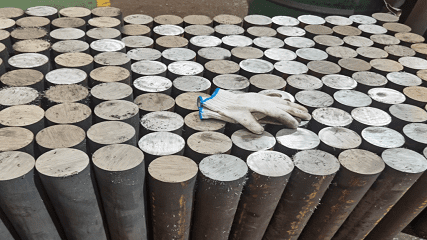
Choosing the right tool steel for your project can be very confusing. A wrong choice leads to wasted money and parts that fail. We have made the process simple for you.
Based on our machining experience at Worthy Hardware, the 7 best tool steels for 2025 are D2, A2, O1, H13, S7, M2, and CPM-3V. These options give the best balance of performance, cost, and availability, ensuring we deliver high-quality, reliable precision parts every time.
You might be wondering why we chose these specific seven steels. This choice comes from many years of hands-on experience and understanding what works best for our clients like Mark Chen, who needs both quality and value. It all comes down to finding a material that performs well and has a stable supply chain, especially here in China. Let's break down what makes a steel 'good' and why these materials stand out. Keep reading to find the perfect match for your next project.
What is the best steel for machining?
Do you struggle to find a steel that machines well? Poor machinability can ruin your timelines and budgets. Here is how to pick a winner that machines smoothly and holds tolerances.
The "best" steel for machining always depends on your specific application and needs. For general-purpose work where ease of machining is key, O1 tool steel is a top choice. For a great balance of wear resistance and machinability, A2 is an excellent, versatile option.
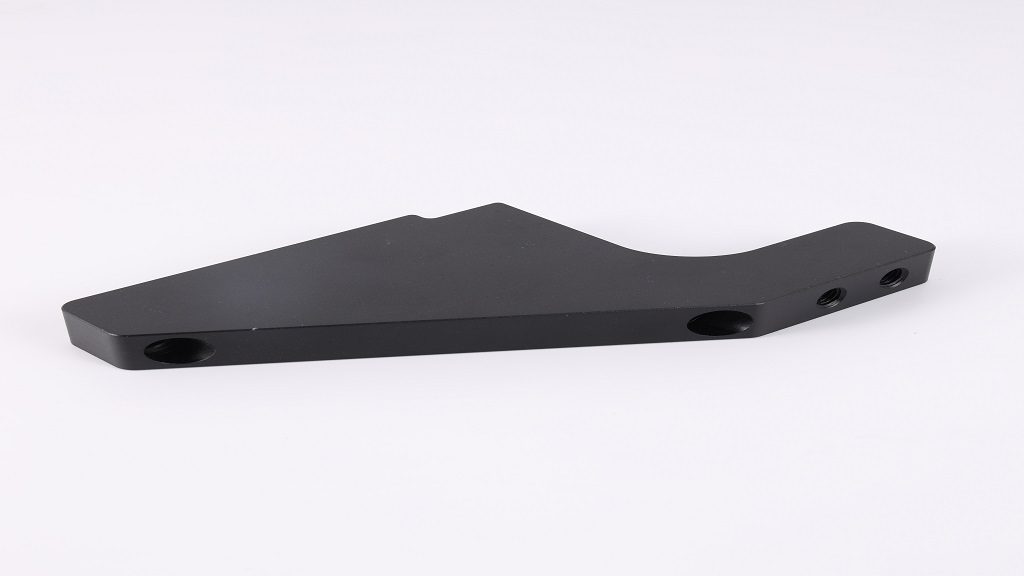
When we say a steel is "best" for machining, we are really talking about finding the right balance for your goals. The perfect steel for one job might be a poor choice for another. We have to consider several factors to make the right decision for our customers. At Worthy Hardware, we help you think through these details to get the best result. It's about matching the material's properties to the part's final use and your budget.
Key Factors in Choosing a Machinable Steel
The three most important things to look at are how easy it is to cut, how much it costs, and how it performs after heat treatment. O1 tool steel is one of our favorites because it is very easy to machine and heat treat, which saves time and money. A2 is a step up in performance. It's a bit harder to machine than O1 but offers much better wear resistance, making it a great all-around choice.
Here is a simple comparison:
| Feature | O1 Tool Steel | A2 Tool Steel |
|---|---|---|
| Machinability | Excellent | Good |
| Wear Resistance | Good | Excellent |
| Cost | Lower | Moderate |
| Best For | General tools, easy work | Dies, punches, all-around use |
What's the best steel for tools?
Are you making a tool that breaks or wears out too quickly? This costs you valuable time and money. Here are the steels that we use to create durable, long-lasting tools.
The best steel for a tool depends entirely on the tool's job. For cutting tools like drills, M2 high-speed steel is excellent. For dies and punches that need very high wear resistance, D2 is a classic choice. For tools that take a lot of impact, S7's toughness is unmatched.
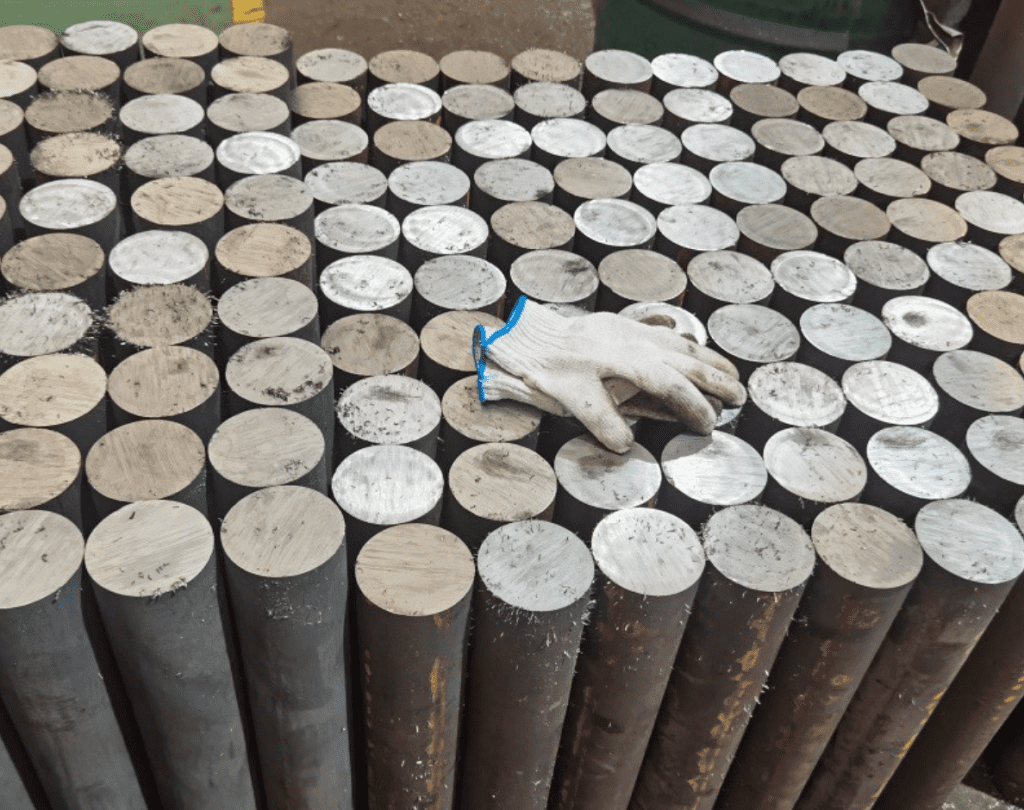
Choosing the right material is the most critical step in making a good tool. A knife needs to hold an edge, while a hammer needs to resist shock. Tool steels are specifically designed for these different jobs. Our job at Worthy Hardware is to understand exactly how your part will be used. Then, we can recommend a material from our trusted list that will perform perfectly. We have seen firsthand how matching the steel to the application prevents failures and creates a reliable product for our customers.
Matching Steel to Tool Type
Tool steels are grouped into categories based on what they do best. Understanding these groups helps you choose the right one.
- Cold-Work Steels: These are for shaping materials at room temperature. We often recommend D2 for its high wear resistance, making it great for cutting dies. A2 is another great cold-work steel that offers a good balance of toughness and wear resistance.
- Hot-Work Steels: These steels keep their strength at high temperatures. H13 is our go-to choice for applications like extrusion dies and forging molds.
- Shock-Resisting Steels: When a tool needs to handle impact and shock, these are the best. We use S7 for things like jackhammer bits and punches because it is extremely tough and resists chipping.
- High-Speed Steels: These are made for cutting tools. M2 is a popular choice for drill bits and milling cutters because it stays hard even when it gets very hot from cutting friction.
What is the toughest tool steel?
Are you worried your parts will chip or break under sudden impact? A component failure can be disastrous and costly. Discover the tool steel specifically designed to withstand extreme shock and abuse.
When it comes to pure toughness and resistance to chipping or breaking, S7 tool steel is one of the best choices available. For even more demanding applications that need both toughness and high wear resistance, we often recommend CPM-3V, a high-performance powder metallurgy steel.
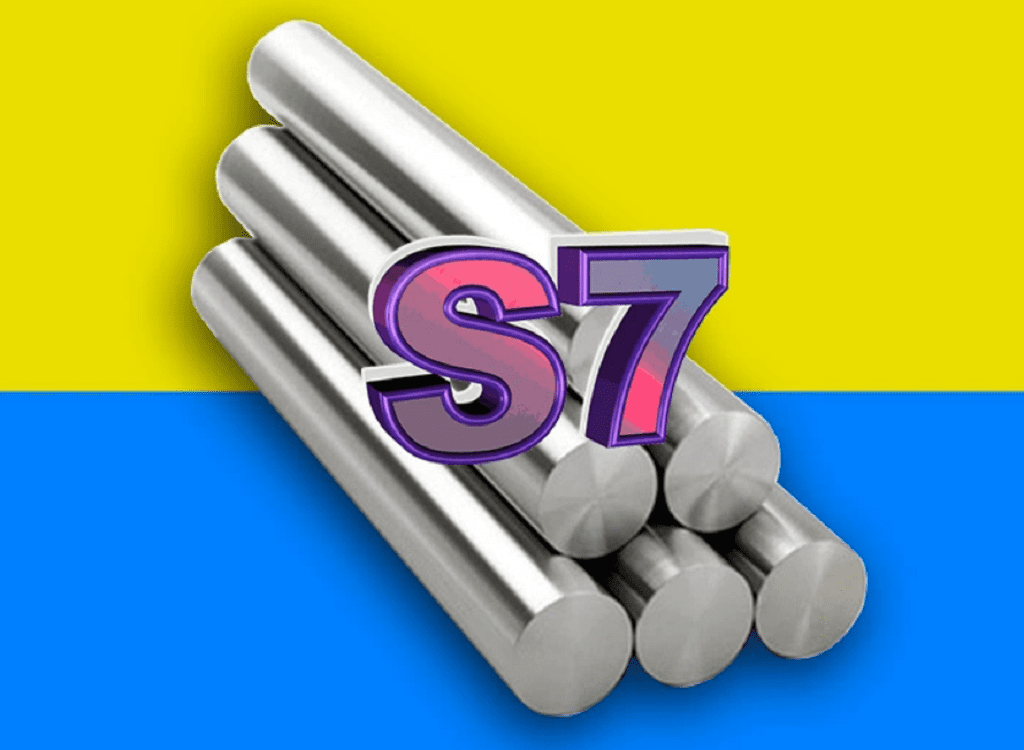
Toughness in steel means its ability to absorb energy and deform without fracturing. This is different from hardness, which is the ability to resist scratches and wear. For many applications, toughness is more important. Think about a punch or a chisel—it needs to handle repeated impact without shattering. This is where S7 shines. We have made many parts from S7 for customers in industrial settings, and they always perform exceptionally well. For parts that need to be tough but also last a very long time against wear, CPM-3V is a modern solution that offers the best of both worlds.
Understanding Steel Toughness
Toughness is critical for tools that experience sudden loads. A very hard steel can be brittle, like glass. A tough steel might be a little softer but will bend before it breaks.
-
S7 (Shock-Resisting Steel): S7 is famous for its outstanding impact strength. It has a lower carbon content, which contributes to its toughness, and it can be hardened to a good level for decent wear resistance. We use it for tools that strike or are struck with great force.
-
CPM-3V (Powder Metallurgy Steel): This is a more advanced steel. It's made using a special process that creates a very fine and uniform internal structure. The result is a steel that is almost as tough as S7 but has much higher wear resistance, closer to D2. When a customer needs a tool to last an extremely long time in a high-impact, high-wear environment, CPM-3V is our top recommendation. It costs more, but its performance is unmatched.
What is the easiest tool steel to machine?
Frustrated with materials that are difficult to machine, slow down production, and increase costs? Machining tough metals can wear out your tools and hurt your bottom line. We have a solution.
The easiest tool steel to machine is O1 tool steel. Its composition allows for smooth cutting, good surface finish, and predictable behavior during machining operations. This makes it a cost-effective choice for many general-purpose tools and dies, especially for prototypes and small production runs.
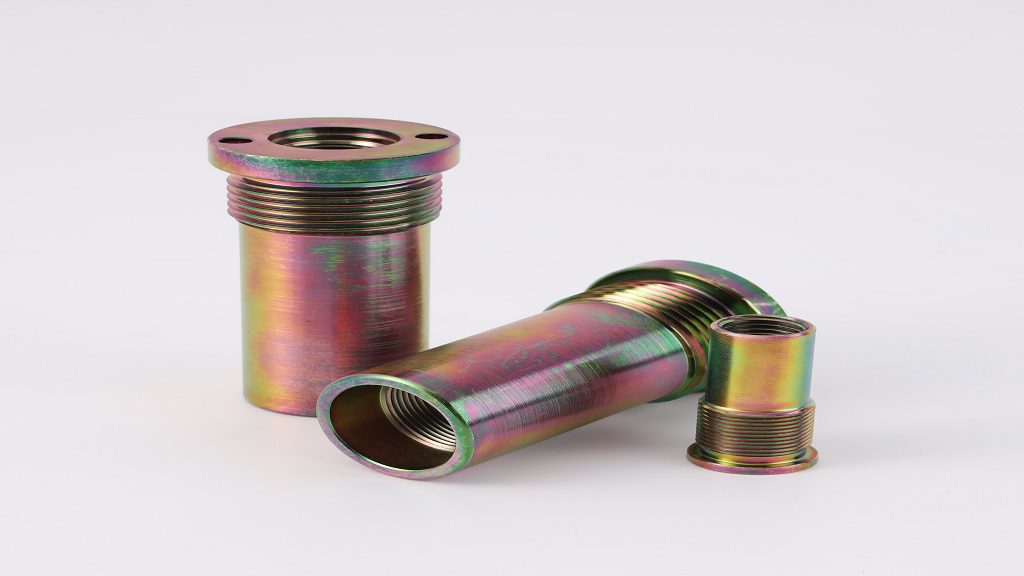
When we get a new project, one of the first things we consider is the "machinability" of the material. A steel that is easy to machine saves us time, reduces wear on our cutting tools, and ultimately lowers the cost for our customers. O1has been a reliable choice for us for many years. It lets our engineers and machinists work efficiently to produce accurate parts without problems. While it might not have the extreme wear resistance of other tool steels, its fantastic machinability and simple heat treatment process make it a valuable material in our shop.
Why Machinability Matters
Machinability isn't just about speed; it's about the overall ease of manufacturing a part.
- What Makes O1 Easy to Machine? O1 is an oil-hardening steel with a balanced alloy content. It is delivered in an annealed (softened) state that is perfect for cutting. It doesn't create hard spots and produces chips that break away cleanly, which is ideal for CNC machines.
- Benefits for You: Because we can machine O1 faster and with less tool wear, the final part cost is lower. The process is also more predictable, which means we can hold tight tolerances like +/- 0.001" more reliably. This is great for parts that need precision but don't face extreme wear. A customer like Mark Chen appreciates this because it gives him a high-quality part at a competitive price, which is good for his business model.
What is equivalent to L6 tool steel?
Need a steel as tough as L6 but can't find it? Sourcing specialty steels can delay your project. Here is a common, reliable alternative that delivers similar toughness and strength.
A common and effective equivalent to L6 tool steel is S7 tool steel. Both are known for their exceptional toughness and shock resistance. S7 is often more readily available in the supply chain, especially in China, making it a practical substitute for many applications.
L6 is an excellent tool steel, well-known for being very tough. However, in our experience, it can sometimes be difficult to source consistently. When a customer in North America specifies L6, we often suggest S7 as a great alternative. S7 provides a very similar level of high shock resistance and toughness, so the final part still performs as needed. The key difference is that S7 has a reliable supply chain here in China, which means we can get the material quickly and avoid production delays. This helps our customers like Mark stay on schedule and avoid the pain of long lead times.
Comparing L6 and S7
While they serve a similar purpose, there are slight differences. Understanding them helps confirm that S7 is the right choice for your project.
| Property | L6 Tool Steel | S7 Tool Steel |
|---|---|---|
| Primary Trait | High Toughness | High Toughness, Shock Resistance |
| Hardening Method | Oil-Hardening | Air-Hardening |
| Availability (China) | Less Common | Very Common |
| Our Recommendation | Good, but availability is a risk. | Excellent, reliable substitute. |
What is S5 tool steel?
Do your tools need to handle repeated high-impact shocks without failing? Using the wrong steel leads to chipping and breakage. S5 is a specialized steel designed exactly for this purpose.
S5 tool steel is a shock-resisting tool steel known for its very high impact toughness. It's designed for applications like pneumatic tools, chisels, and shear blades where the ability to withstand repeated, heavy blows without fracturing is the most critical property.
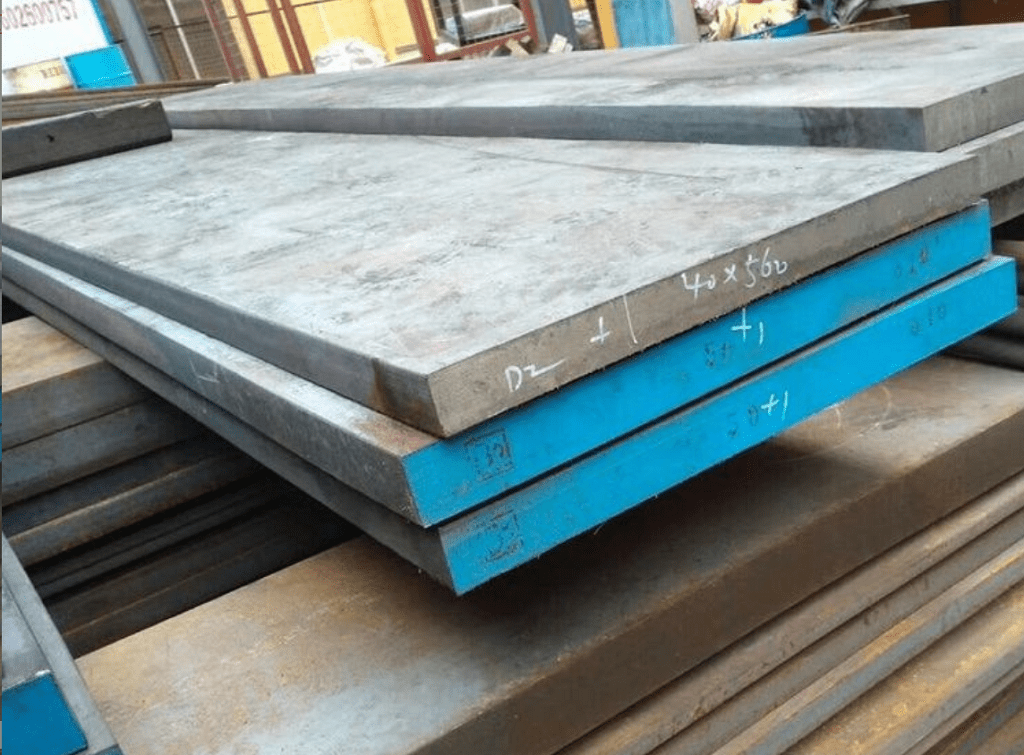
Think of S5 as the specialist for extreme impact. It belongs to the "S" series of shock-resisting steels, just like S7. However, its chemical composition is optimized for maximum toughness, sometimes even more so than S7. The trade-off for this incredible toughness is that S5 has lower wear resistance. It will absorb a powerful blow without shattering, but it might wear down faster from abrasion than a harder steel. At Worthy Hardware, we machine parts from S5 when the customer tells us the number one priority is preventing breakage from sudden, intense force, such as for a jackhammer bit.
S5's Place in the S-Series
All shock-resisting steels balance toughness and wear resistance. S5 sits at one end of that balance.
- Key Alloys: S5 contains silicon and manganese, which give it its very high toughness and strength.
- Toughness vs. Wear: It is one of the toughest conventional tool steels available. It is an excellent choice when you expect the part to take a severe beating.
- Typical Applications: We see it used most often for pneumatic tools, concrete breakers, and heavy-duty punches. These tools have to endure constant, high-energy impacts. If your part's main job is to hit something hard without breaking, S5 is a material you should consider. For a more balanced performance, S7 is often the better all-around choice.
Is S7 harder than 4140?
Confused about steel hardness? Choosing incorrectly can cause your parts to wear out or deform. Let's compare S7 tool steel and 4140 alloy steel to see which one is harder.
Yes, S7 tool steel is generally harder than 4140 alloy steel after both are properly heat-treated. S7 can be hardened to around 54-56 HRC (Rockwell Hardness), while 4140 typically reaches a working hardness of about 30-35 HRC for most applications.
It's important to understand that S7 and 4140 are in different classes of steel. S7 is a tool steel, specifically designed for making tools that need high hardness and toughness. 4140 is a chromium-molybdenum alloy steel, prized for its good strength and toughness but not intended to reach the hardness levels of tool steels. When a customer needs a part that must resist wear and deformation under heavy load, S7 is the superior choice. If the part needs good all-around strength for a structural component like a shaft or a gear, 4140 is a more economical and suitable option.
Tool Steel vs. Alloy Steel
Understanding this basic difference is key to selecting the right material.
| Feature | S7 Tool Steel | 4140 Alloy Steel |
|---|---|---|
| Steel Type | Tool Steel | Alloy Steel |
| Primary Use | Tools, dies, high-impact parts | Shafts, gears, structural parts |
| Typical Hardness | 54-56 HRC | 30-35 HRC |
| Main Advantage | High hardness, excellent toughness | Good strength, affordable |
Is 4140 steel good for machining?
Worried that a strong steel will be difficult and expensive to machine? Some high-strength materials can be a nightmare to work with. But 4140 offers a great balance of properties.
Yes, 4140 steel is considered to have good machinability for an alloy steel, especially in its pre-hardened or annealed state. Its predictable behavior and ability to produce a good surface finish make it a popular choice for a wide variety of machined parts.
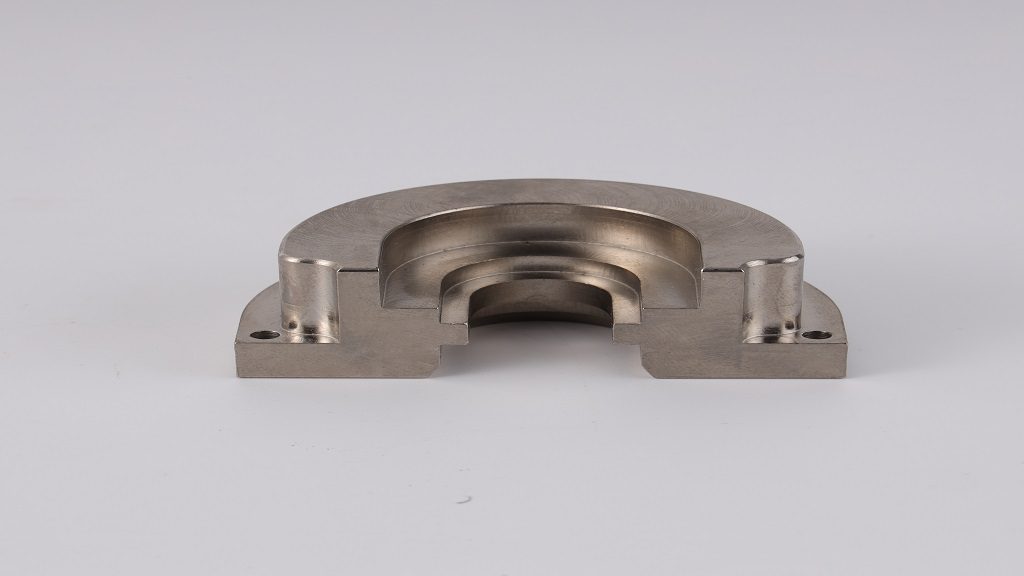
Getting the Best Results with 4140
The condition of the steel makes a big difference in how it machines.
- Machining Conditions: We typically source 4140 in either the annealed (soft) state for maximum machinability or the pre-hardened state (around 30 HRC). Machining in the pre-hardened state is very common because it eliminates the need for heat treatment after machining, which can cause warping.
- Benefits: This "pre-hard" condition is strong enough for many applications right away. It saves our customers time and money by simplifying the production process.
- Applications: Because of this balance, we use 4140 for everything from automotive axles and hydraulic shafts to custom tooling fixtures and machine frames. It is a true workhorse material in the world of CNC machining.
What is the best steel to make a blade out of?
Trying to make a blade that holds its edge and doesn't chip? A poor steel choice will result in a dull, useless knife. Here is what we recommend for high-performance blades.
The "best" steel for a blade depends on the blade's intended use. For an excellent balance of edge retention, toughness, and corrosion resistance, D2 tool steel is a fantastic and popular choice. For high-end custom knives, powder steels like CPM-3V are often preferred.
Matching Steel to Blade Type
Different knives need different steels. A pocketknife has different requirements than a large outdoor chopper.
| Blade Type | Recommended Steel | Why? |
|---|---|---|
| Everyday Carry (EDC) | D2 Tool Steel | Great edge retention for daily cutting tasks. |
| Heavy-Use/Outdoor | CPM-3V Powder Steel | Exceptional toughness to prevent chipping during hard use. |
| Kitchen/Corrosive Env. | Stainless Steels (e.g., 440C) | High chromium content to prevent rust. |
Conclusion
In summary, choosing the right tool steel means matching the material to your needs. Our top 7—D2, A2, O1, H13, S7, M2, and CPM-3V—provide reliable, high-performance solutions for nearly any precision machining project.