
Traditional vs. Swiss Machining: 5 Key Differences?
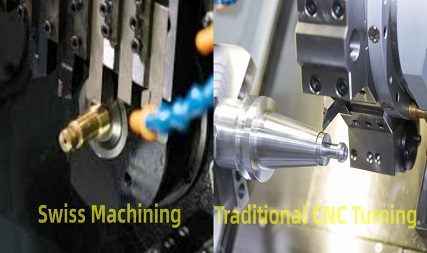
Struggling to choose the right machining process for your parts? Picking the wrong one can lead to higher costs and parts that fail. Understanding these two methods is key.
The main difference is how the material is handled. In Swiss machining, the workpiece moves through a guide bushing past the tool. In traditional turning, the workpiece rotates while the tool moves along it. This makes Swiss machining ideal for long, slender, high-precision parts.
For me, deciding between traditional and Swiss machining is like being a tailor for a client's parts. I don't just look at the drawing. I always ask about the part's final use to match it with the most cost-effective and highest-quality process. These core differences have a big impact on cost, precision, and lead times. Let's look at exactly what this means for your project.
What Makes Swiss Machining Different from Traditional CNC?
Wondering how two CNC machines can be so different? Choosing incorrectly can be a costly mistake. The answer lies in how the material and tool interact during the cut.
Swiss-style machines feed the stock through a guide bushing, supporting it right next to the cutting tool. In contrast, a traditional CNC lathe clamps the workpiece at one or both ends, rotating it as the tool travels along its length. This fundamental difference is key.
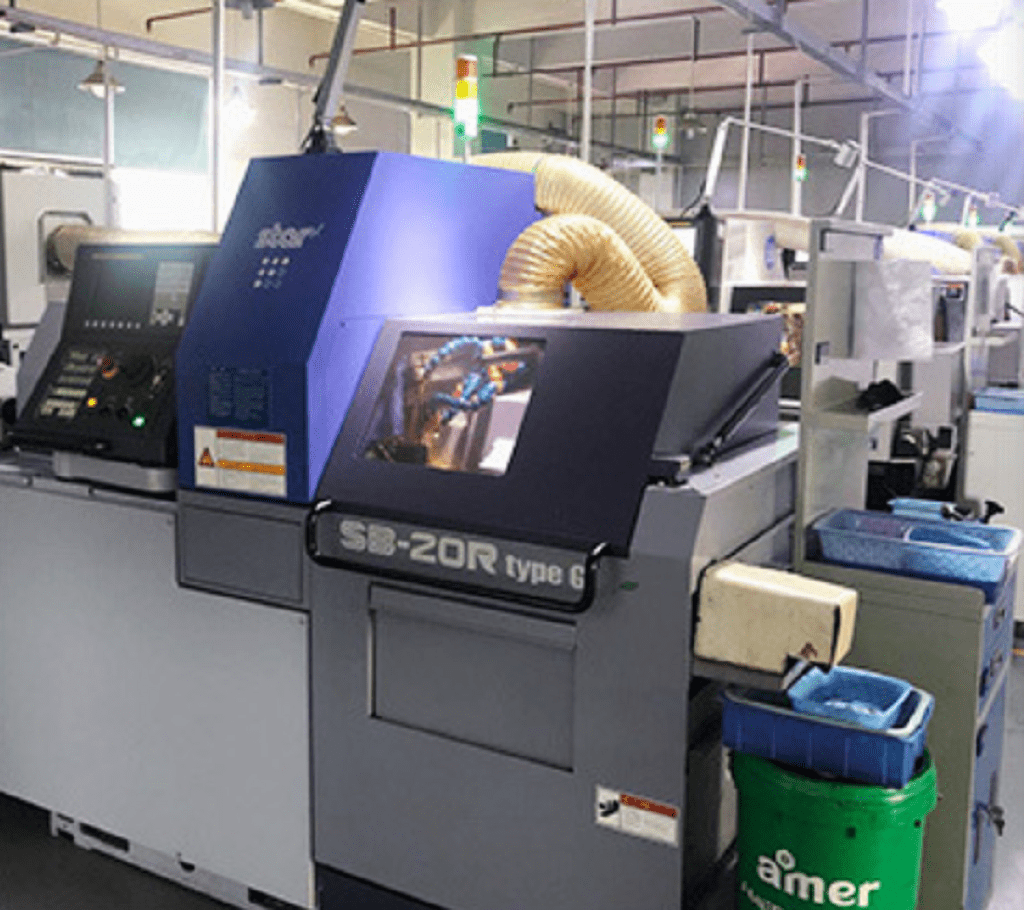
The biggest difference I explain to my clients is the movement. In Swiss machining, the workpiece itself moves back and forth on the Z-axis, while the tool makes the cut. On a traditional lathe, the workpiece is fixed in place and spins, while the cutting tool moves along it. This unique setup in Swiss machining is what makes it so special. The guide bushing supports the material at the exact point where the tool is applying force. This almost completely eliminates deflection and vibration, which are major enemies of precision, especially on parts with a high length-to-diameter ratio. For short, thick parts, a traditional lathe does a great job. But for long, thin parts, that lack of support means the material can bend, ruining the final dimensions.
Key Mechanical Differences
| Feature | Traditional CNC Turning | Swiss Machining |
|---|---|---|
| Workpiece Movement | Rotates, but is stationary on Z-axis | Rotates and moves on Z-axis |
| Tool Movement | Moves on X and Z axes | Mostly stationary; some live tools |
| Material Support | Clamped at chuck/tailstock | Supported by a guide bushing |
How Do Production Costs Compare Between Traditional and Swiss Machining?
Worried about your budget? The cost difference between these two processes can be huge. Choosing the right one is essential for keeping your production costs under control.
Swiss machining often has higher setup costs but can be cheaper for high-volume runs of small, complex parts. Traditional CNC machining is usually more cost-effective for simpler parts, prototypes, and low-volume orders due to its quicker setup.
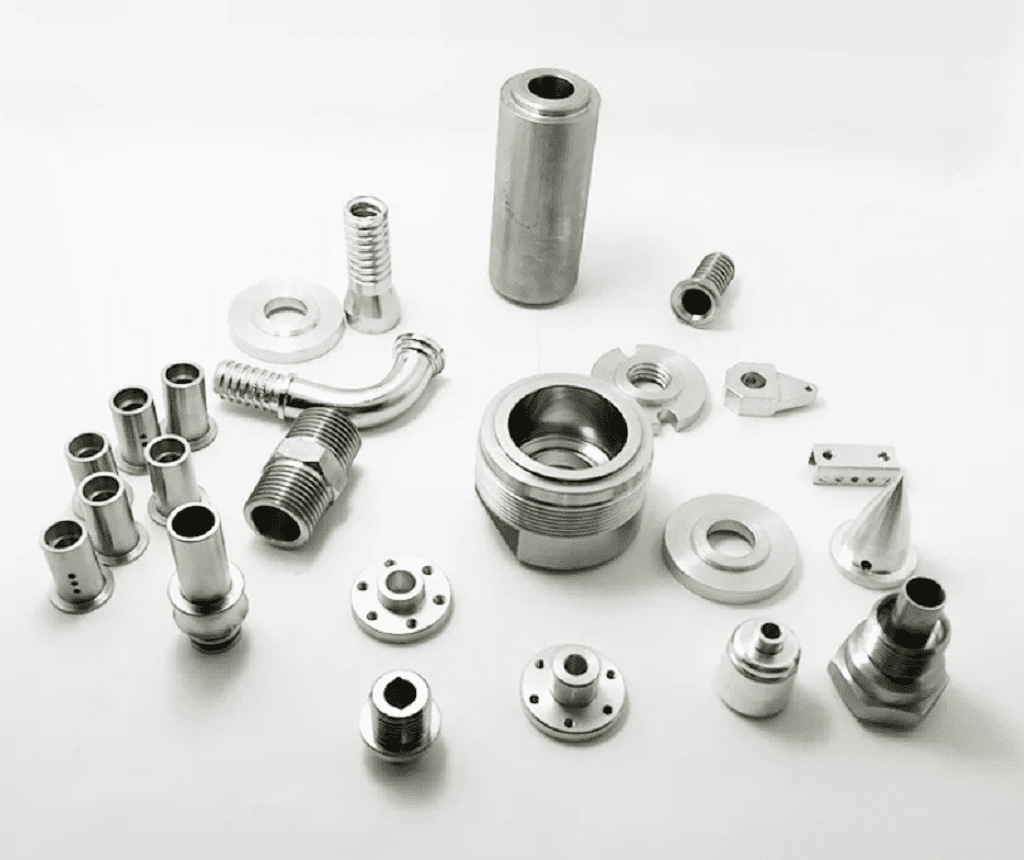
When a client like Mark from Canada asks me about cost, I break it down for him. Swiss machines are complex and take longer to set up. An engineer might spend several hours preparing the machine for a run. This makes them less economical for a handful of parts. However, once they're running, they are incredibly fast and efficient. They often have multiple tools cutting at once and can complete a part in a single operation, which we call "done-in-one." This eliminates the need for secondary operations like milling or drilling, saving a lot of time and money on large orders. Traditional lathes have a much faster setup time, so they are my go-to choice for prototyping and smaller production runs where the initial setup cost is a major factor.
Cost Breakdown Analysis
| Cost Factor | Traditional CNC Turning | Swiss Machining |
|---|---|---|
| Setup Time/Cost | Lower | Higher |
| Cycle Time (per part) | Slower for complex parts | Faster for complex parts |
| Ideal Volume | Low to Medium | Medium to High |
| Secondary Operations | Often Required | Often Eliminated |
Which Machining Method Delivers Higher Precision Parts?
Need parts with extremely tight tolerances? The wrong machining method will leave you with scrap. One of these processes is specifically designed for superior accuracy in certain situations.
Swiss machining consistently delivers higher precision, especially for parts that are long and thin. The guide bushing supports the material right where it is being cut, minimizing deflection and vibration. This allows for much tighter and more consistent tolerances.
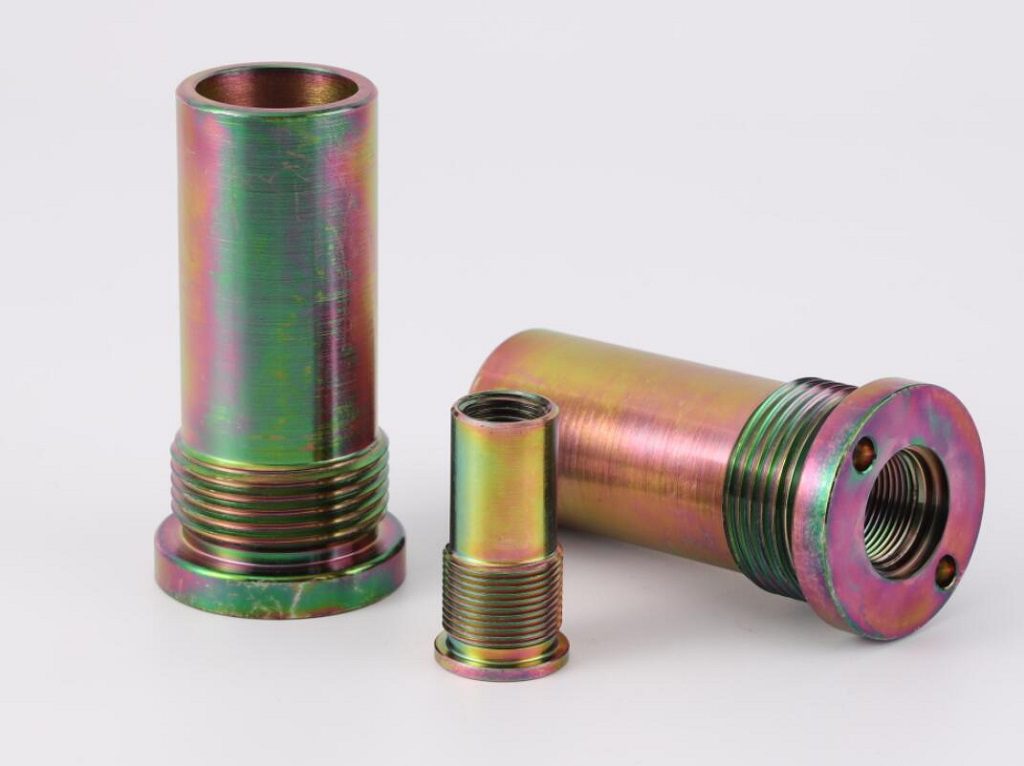
This is the point I stress the most with clients who work in industries like medical or aerospace. When a part has a high length-to-diameter ratio, say 10:1 or more, a traditional lathe struggles. As the tool moves away from the chuck, the part can bend under the cutting force. Imagine trying to write with a very long, flimsy pencil – the tip would wobble everywhere. That's what happens to the part. A Swiss machine solves this. Since the support is always right at the cut, the part is rigid. At Worthy, we can hold tolerances down to +/- 0.001" and even tighter on our Swiss machines. For short, sturdy parts, a traditional lathe can be just as precise. But for those challenging long and slender geometries, Swiss machining is the clear winner for precision.
When Should You Choose Swiss Machining Over Traditional Methods?
Feeling uncertain about which process fits your part? Making the right choice is critical. You should select Swiss machining for a specific category of parts where it truly excels.
Choose Swiss machining for small, complex parts with a length-to-diameter ratio greater than 4:1. It is also the best choice for high-volume production runs where speed and eliminating secondary operations can significantly reduce the cost per part.
When I review a new RFQ, the first thing I look at is the part's geometry. My internal checklist is pretty simple. Is the part's diameter small, typically under 1.5 inches? Is it long and thin? Does it have complex features like off-center holes, milled flats, or intricate profiles? Does the client need tens of thousands of these parts? If the answer is "yes" to most of these questions, I immediately think of Swiss machining. It's the perfect storm. For example, a bone screw for a medical device or a complex connector pin for electronics is a perfect candidate. A traditional lathe would struggle with these. It would require multiple setups, increasing the risk of errors and driving up the cost. For simpler, larger parts or prototypes, a traditional CNC lathe is often the more sensible and economical solution.
Can Swiss Machining Reduce Your Production Lead Times?
Facing tight deadlines and missed market opportunities? Production delays can be frustrating. Swiss machining offers a clear advantage in speed, but only under the right circumstances.
Yes, for high-volume production of complex parts, Swiss machining can dramatically reduce lead times. Its fast cycle times and ability to complete parts in one operation mean that thousands of parts can be produced very quickly once the machine is set up.
I remember a client who was behind schedule for a major product launch. They needed 50,000 small, complex shafts and were worried about missing their deadline. Their previous supplier was using a traditional lathe and mill, and the process was painfully slow. We moved their project to one of our Swiss machines. While the setup took a day, we were producing a finished part every 45 seconds after that. We finished the entire run in under two weeks, well ahead of their deadline. This is the power of Swiss machining for lead times. The "done-in-one" capability is the key. You avoid the logistical delays of moving parts from a lathe to a mill, then to a drill press. For prototypes or a small run of 100 parts, the longer setup time of a Swiss machine might actually increase the lead time compared to a traditional lathe.
Which Industries Benefit Most from Swiss Machining?
Does your industry demand the highest level of precision and complexity? Certain sectors rely heavily on the unique capabilities that only Swiss machining can provide for their critical components.
The medical, aerospace, electronics, and automotive industries benefit most from Swiss machining. These fields require vast quantities of small, complex, and high-precision components like bone screws, connector pins, fuel injection nozzles, and sensor housings, which are perfect for this method.
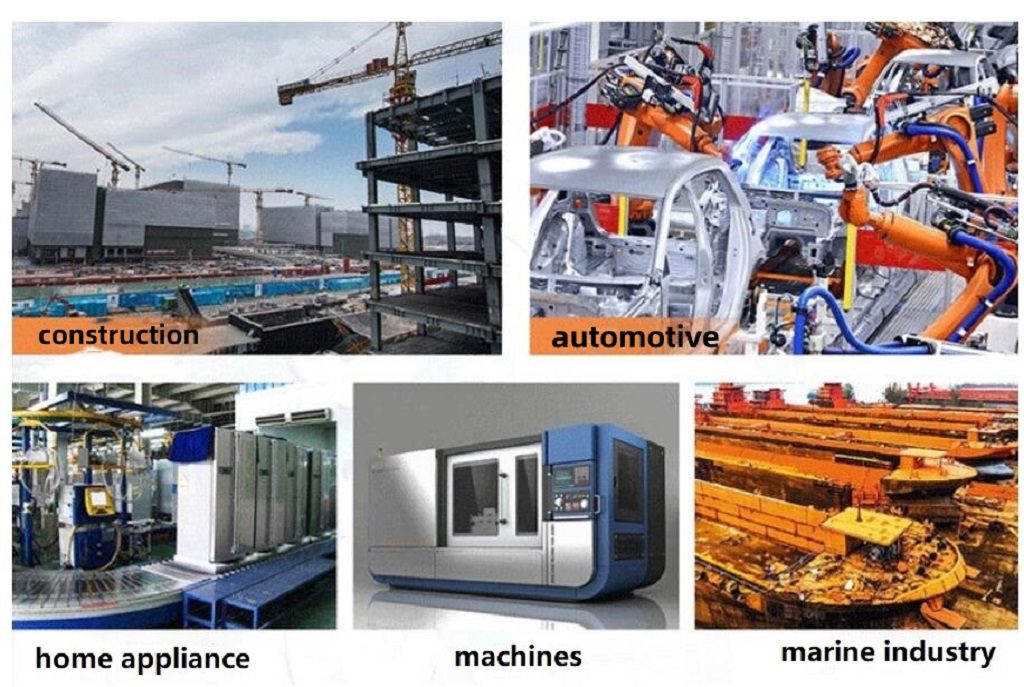
Over the years, I've seen a clear pattern in the types of clients who specifically request Swiss machining. Medical device companies come to us for intricate surgical tools and implants. These parts are often made from titanium or stainless steel and have features that are incredibly small and must be perfect. In the electronics industry, we make millions of tiny connector pins and sockets where even a slight deviation can cause a failure. Aerospace clients need reliable, lightweight components for sensors and flight control systems. The common thread is the need for incredibly tight tolerances on small, complex parts, often produced in very large volumes. While we serve all industries, these are the ones where the precision and efficiency of Swiss machining aren't just a benefit—they're a necessity.
What Setup Requirements Differ Between These Machining Methods?
Trying to understand the production process? The setup is a critical step that impacts cost and time. The preparation for Swiss and traditional machining is fundamentally different.
Swiss machining requires a more complex and time-consuming setup. This involves carefully aligning the guide bushing to the bar stock and programming multiple tools for simultaneous operations. Traditional lathes have a much simpler and faster setup, typically just involving chucking the part and setting tool offsets.
When we quote a job, the setup process is a major part of our calculation. Setting up a traditional CNC lathe might take an hour or less. An operator secures the workpiece in the chuck, touches off the tools, and loads the program. It's straightforward. Setting up a Swiss machine is more of an art form. Our engineers need to select the correct guide bushing and collets for the specific diameter of bar stock.
The bar feeder must be loaded and synchronized. Because multiple tools often cut at the same time, the programming is far more complex to avoid collisions and optimize the toolpaths. This detailed setup can take several hours, which is why it's not cost-effective for just one or two pieces. This initial time investment, however, is what enables the machine to run "lights-out" for hours, producing perfect parts.
How Do Tolerance Capabilities Compare in Real-World Applications?
Are you designing parts that push the limits of manufacturing? Knowing the realistic tolerance capabilities of each process is vital. Swiss machining has a clear edge in specific scenarios.
In real-world applications on long, slender parts, Swiss machining can reliably hold tolerances of +/- 0.0002" (0.005 mm) or better. Traditional lathes struggle to hold such tight tolerances on long parts due to material deflection, but can be equally precise on short, rigid parts.
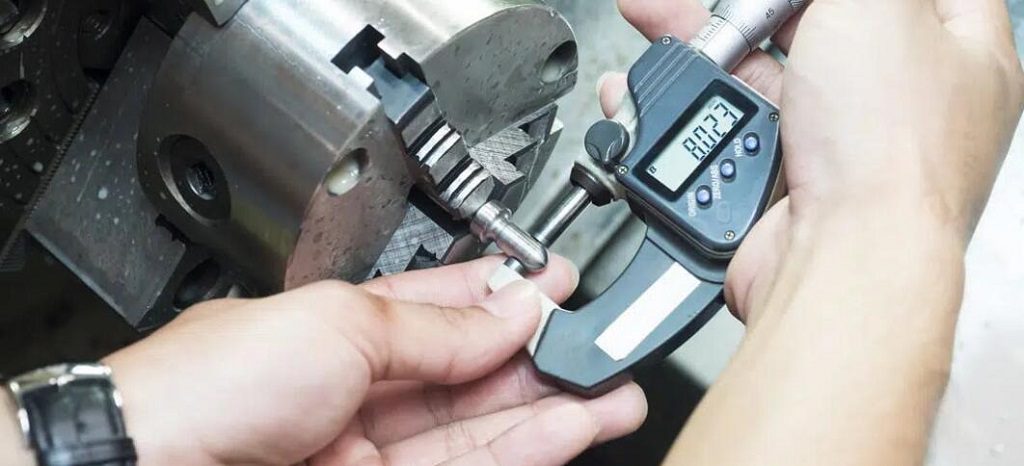
I always tell my customers that the tolerances on a drawing are just numbers until you apply them to a real-world process. At Worthy, our standard tolerance is +/- 0.005", but many jobs require much more. When I see a drawing for a 6-inch-long shaft with a diameter of 0.125 inches and a tolerance callout of +/- 0.0005", I know it's a job for a Swiss machine. A traditional lathe simply cannot hold that tolerance over that length; the part will bend. The Swiss machine's guide bushing guarantees that the tolerance is held consistently from one end of the part to the other. We have experience holding even tighter tolerances, down to sub +/- 0.001", but this requires careful process control. The key takeaway is that for length-to-diameter ratios over 4:1, Swiss machining is the only reliable way to achieve and maintain top-tier precision.
Is Your Part Too Large for Swiss Machining?
Do you have a large-diameter part that needs machining? Part size is a critical limiting factor. Swiss machining is incredibly capable, but it has very specific size constraints.
Yes, a part can be too large for Swiss machining, which is designed for small-diameter work. Most Swiss machines can only handle bar stock up to about 1.5 inches (38mm) in diameter. For parts larger than this, traditional CNC turning is the necessary choice.
Part size is one of the first sorting criteria I use. The technology behind Swiss machining, with the bar stock sliding through a guide bushing, inherently limits the diameter it can handle. While some very large and specialized Swiss machines exist, the vast majority in workshops like mine are for parts under 1.5 inches or 2 inches at the absolute maximum.
If a client sends me a drawing for a 5-inch diameter flange, Swiss machining is not an option. That is a classic job for one of our traditional CNC lathes, which can handle parts up to 32 inches in diameter. So when you're designing your component, keep this limitation in mind. If it's small and complex, think Swiss. If it's larger, traditional turning is the way to go. It's a simple, hard limit that often makes the decision for you.
What Hidden Costs Should You Consider When Choosing Machining Methods?
Think you have the full cost picture? Watch out for unexpected expenses. Beyond the price per part, hidden costs can inflate your budget if you choose the wrong process.
The biggest hidden costs come from choosing the less optimal method. Using traditional turning for complex parts may lead to high costs from secondary operations and quality failures. Using Swiss machining for simple, large parts leads to unnecessarily high setup costs.
I always try to help my clients see the total cost of ownership, not just the initial quote. A common pitfall is opting for a traditional lathe because the per-part price seems lower, but failing to account for the cost and time of necessary secondary operations. For example, if your part needs a milled flat and a cross-drilled hole, a traditional lathe quote won't include that. Those extra steps add labor, time, and another layer of quality risk.
A Swiss machine would do it all in one go. On the other hand, a hidden cost of using a Swiss machine for a simple prototype is the huge, non-recurring setup fee that makes the project far more expensive than it needs to be. The real hidden cost is the inefficiency from a process mismatch. That's why an honest discussion about the part's use and volume is the best way to save money.
Conclusion
In short, choosing between traditional and Swiss machining means matching the process to your part's specific geometry and volume to ensure the best combination of quality, cost, and speed.
If you have any questions or want me to review your part design, please send your drawings to my email at [email protected]. I'm Sandra Gao, and at Worthy, we are committed to finding the perfect manufacturing solution for you.