
What Are the Top 10 Materials Used in High-Precision CNC Machining?

Choosing CNC materials feels overwhelming? Picking wrong costs time and money, affecting your final part. Understanding the best options makes your decision easier and more effective.
The top materials for high-precision CNC machining often include Aluminum alloys, Stainless Steel, Titanium alloys, Copper, Brass, and various Steel grades. These offer diverse properties like strength, weight, and corrosion resistance, fitting many demanding applications.
Selecting the right material is critical for success. But this is just the start. Let's explore these materials and related questions in more detail. Read on to learn more.
What materials are used in CNC machining?
Wondering about the vast options for CNC materials? It's easy to feel lost, maybe missing the best fit. Let’s look at the main types commonly machined.
CNC machines work with a wide variety of materials. Common choices include metals like Aluminum and Steel, plastics such as ABS and PEEK, composites like Carbon Fiber, and even wood. The best choice depends entirely on the application's specific needs.
In my experience at Worthy Hardware, we handle an incredibly diverse range of materials – over 100 types! This broad capability is essential because different projects have very different needs. We group materials to understand them better. Metals are very common, think Aluminum for lightness or Steel for strength. Plastics offer benefits like insulation and lower weight; examples are ABS or high-performance PEEK.
We also machine composites like Carbon Fiber, known for its amazing strength-to-weight ratio, and even different types of wood for specific applications. Each category has unique properties. Metals conduct heat and electricity well. Plastics are typically insulators.
The final choice always comes down to what the part needs to do. Does it need to be strong? Lightweight? Resist chemicals? With our wide material scope, we can almost always find the right fit for our customers' designs.
Here's a simple breakdown:
| Material Type | Key Characteristics | Common Examples at Worthy Hardware |
|---|---|---|
| Metals | Strong, durable, conductive | Aluminum, Steel, Stainless Steel, Titanium, Copper, Brass, Zinc |
| Plastics | Lightweight, insulating, cost-effective | ABS, Acrylic, Nylon, PC, PEEK, PTFE, PVC |
| Composites | High strength-to-weight ratio | Carbon Fiber, Garolite |
| Wood | Natural, workable | Hardwood, Softwood, Engineering Wood |
Understanding these basic groups helps start the selection process.
What is the most widely used workpiece material used by the machining industry?
Curious about the most popular material in CNC machining? Focusing elsewhere might be inefficient if a common choice fits perfectly. Let's pinpoint the most frequently used materials.
Aluminum alloys (especially 6061) and various Steel grades (like Stainless Steel 304/316) are extremely popular. They offer a great balance of machinability, strength, corrosion resistance, and cost, making them suitable for countless applications across industries.
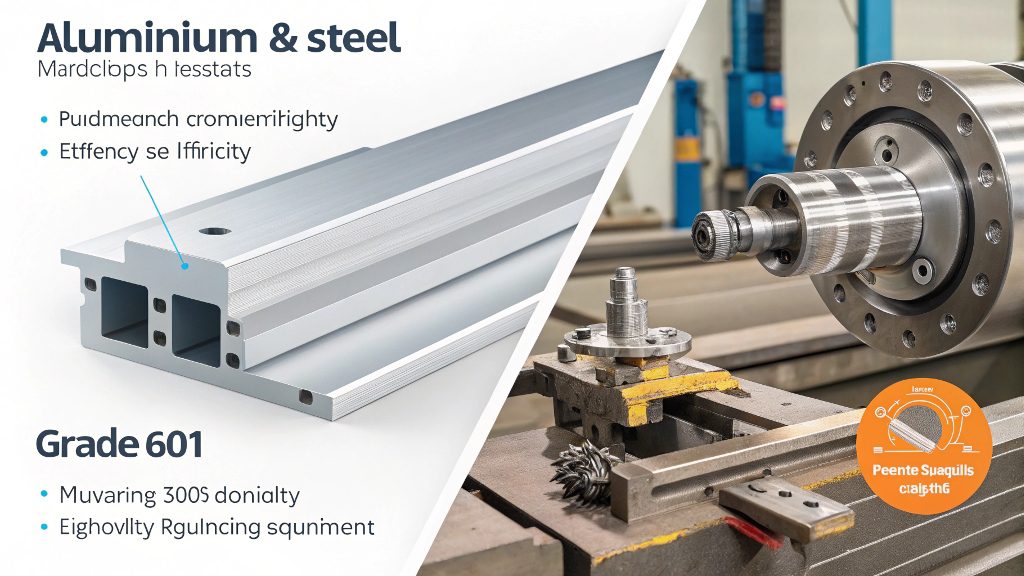
Aluminum and Steel are definitely the workhorses I see most often in our shop. Why? They hit a sweet spot for many projects. Aluminum, particularly grades like 6061, is fantastic because it's lightweight yet strong enough for many uses. It's also relatively easy to machine, which helps keep costs down and speeds up production.
Plus, it naturally resists corrosion, and we can enhance this further with finishes like anodizing. We machine a lot of aluminum parts for automotive, aerospace, and consumer products.
Steel, on the other hand, is chosen when strength and durability are the top priorities. Stainless steel grades like 304 and 316 are very common because they also offer excellent corrosion resistance, crucial for medical devices or food processing equipment. While generally harder to machine than aluminum, steel's robustness is often non-negotiable.
We handle various steel alloys, each suited for different levels of hardness, toughness, or wear resistance. Both materials are readily available and offer good value, making them go-to choices for prototypes and full production runs.
| Feature | Aluminum Alloys (e.g., 6061) | Steel (e.g., Stainless 304/316) |
|---|---|---|
| Weight | Lightweight | Heavier |
| Strength | Good strength-to-weight | Very Strong |
| Machinability | Excellent | Good (can vary by grade) |
| Corrosion Resistance | Good (Excellent if anodized) | Excellent |
| Cost | Moderate | Moderate to High |
| Common Uses | Aerospace, Automotive, Electronics | Industrial, Medical, Food |
What is the hardest material to CNC?
Concerned about machining extremely hard materials? They pose real challenges, potentially raising costs and delaying your project. Knowing the toughest ones helps you prepare effectively.
Materials like hardened tool steels, Titanium alloys, superalloys (e.g., Inconel), and Tungsten alloys are notoriously difficult to machine. Their hardness, toughness, and heat resistance demand specialized tools, techniques, and slower cutting speeds, increasing complexity and cost.
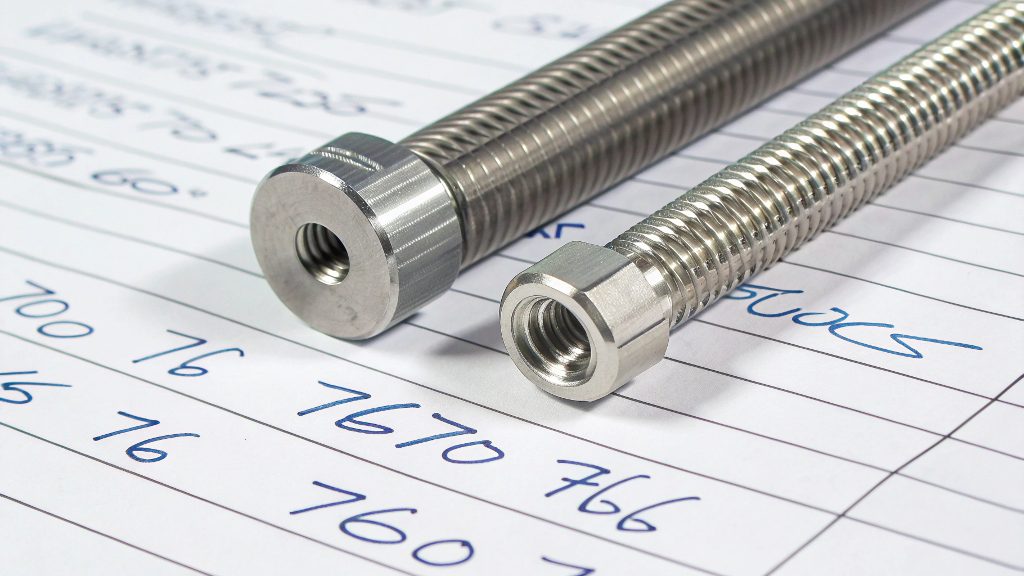
Machining hard materials is a real test of skill and equipment. It's not just about brute force; it requires careful planning and the right approach. Materials like Titanium, Nickel-based superalloys (like Inconel), hardened steels, and Tungsten alloys present several challenges. Their high hardness means cutting tools wear out much faster. You need specialized, often expensive, tool materials like carbide or CBN, sometimes with specific coatings.
Heat is another major issue. Many hard materials don't conduct heat well. The heat generated during cutting builds up in the tool and workpiece, which can damage both and affect the final part's accuracy. Effective cooling strategies are essential.
Furthermore, some materials, like Titanium and certain stainless steels, tend to 'work harden' – they actually become harder as you cut them, making subsequent passes even more difficult. This forces us to use lower cutting speeds and specific feed rates, which slows down the overall process and increases machining time.
At Worthy Hardware, we have the robust machines and experienced engineers needed to tackle these tough materials, achieving the tight tolerances required, like +/- 0.001 inches or even less, but it definitely requires more effort and planning compared to machining aluminum.
What is the most commonly a CNC machine is used for?
Not sure what CNC machines are primarily used for? Misunderstanding their main purpose could mean you miss out on key benefits. Let's look at their core applications.
CNC machines are most commonly used for creating precise custom parts from various materials. This includes rapid prototyping, low-to-high volume production runs, making complex geometries, and manufacturing tooling for other processes across industries like aerospace, medical, automotive, and consumer electronics.

CNC machining is incredibly versatile, which is why it's used across so many industries. At its heart, it's about taking a digital design (a CAD file) and turning it into a physical part with high precision and repeatability. One major use is prototyping. Companies need to test designs quickly, and CNC allows us to make one or a few functional prototypes from the actual production material. This helps catch design flaws early.
Another core use is production, ranging from small batches to high-volume manufacturing. Once a design is finalized, CNC machines can produce hundreds or thousands of identical parts efficiently. Because the process is computer-controlled, the consistency from part to part is excellent. We handle orders with no MOQ limitation, supporting clients from prototype to mass production.
Furthermore, CNC excels at creating complex shapes that would be difficult or impossible to make manually. Technologies like 5-axis machining allow cutting from multiple angles simultaneously. Finally, CNC is used to make tooling, like molds or fixtures, for other manufacturing processes.
Our clients come from aerospace, automotive, medical, electronics, and many other sectors, all relying on CNC for precision parts made from the right materials. Our ability to hold tight tolerances, even below +/- 0.001", is critical for many of these demanding applications.
Conclusion
Choosing the right CNC material is key. From common Aluminum and Steel to challenging Titanium, understanding options ensures project success. We machine them all precisely.