
How To Successfully Machine Carbon Fiber Parts With CNC Technology?

Struggling with carbon fiber machining? Costly errors and material waste can be frustrating. Learn the secrets to successful CNC machiningof this advanced material.
Yes, you can successfully machine carbon fiber parts with CNC technology. It requires specific tools, careful parameter control, and understanding the material's unique properties to avoid delamination, burning, or excessive tool wear.
Carbon fiber is an amazing material. It is both strong and light. But machining it can be tricky. If you want to master this, or just understand how we get such great results at Worthy Hardware, keep reading. I will share what I have learned over the years, helping customers like Mark Chen from Canada get the quality parts they need.
Can you CNC machine carbon fiber?
Wondering if CNC machining even works for carbon fiber? It seems so different from metals. Let me clear that up for you right now.
Absolutely, CNC machining is a very effective method for carbon fiber. Specialized tooling, like PCD or diamond-coated cutters, and appropriate speeds and feeds are crucial for achieving clean cuts without damaging this unique material.
Carbon fiber is not like machining aluminum or steel. It is a composite material. This means it is made of layers of carbon fibers. These fibers are bonded together with a resin, usually an epoxy. This layered structure gives carbon fiber its incredible strength. However, this structure also makes it prone to issues like delamination if we do not machine it correctly. I have seen this happen. Delamination is when the layers start to separate.
Metals behave differently when machined. They deform in a plastic way. Carbon fiber, on the other hand, tends to fracture. Metals also conduct heat well. Carbon fiber does not. This means heat can build up at the cutting edge. This is a very important point from my experience. As I mentioned in my insights, there is a risk of burning the material if the temperature gets too high. I have seen parts get scorched because the heat was not managed properly.
We also need to think about the dust. Carbon fiber dust is conductive. It is also very abrasive. So, good dust extraction is essential. This protects the CNC machine and, more importantly, the operator. Its high hardness and tensile strength also mean we must select tools and cutting parameters very carefully. At Worthy Hardware, we have learned how to manage these factors to produce top-quality parts
How do you machine carbon fiber?
Ready to learn the "how-to" of carbon fiber machining? It is not just about loading a program and hitting 'start'. There are specific steps.
Machining carbon fiber involves using very sharp, wear-resistant tools like PCD or diamond-coated ones. You must optimize cutting speeds and feeds, use effective dust extraction, and ensure a rigid machine setup to prevent vibration.
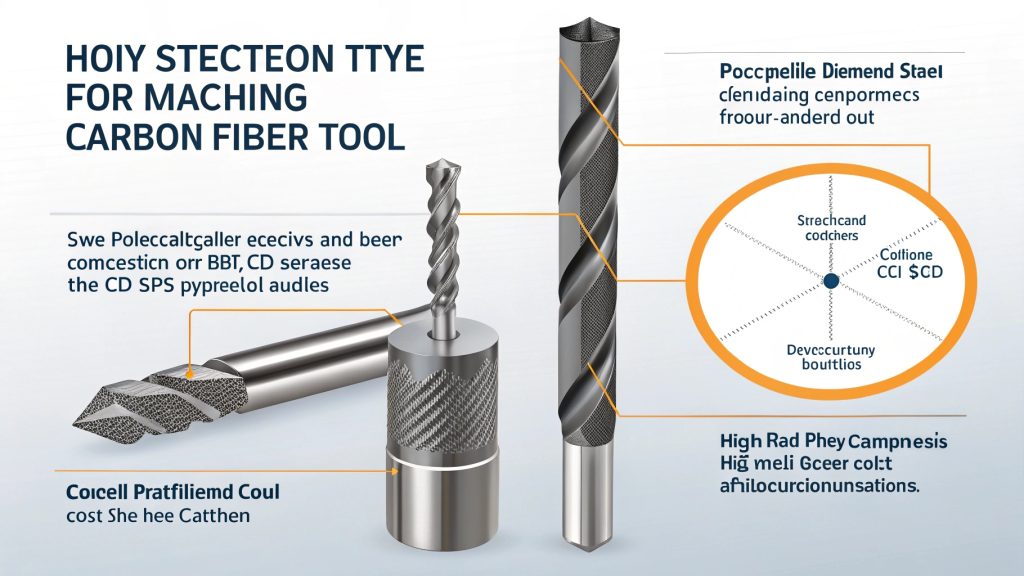
Tool selection is really critical when machining carbon fiber. Standard High-Speed Steel (HSS) tools will not last long at all. The carbon fibers are very abrasive. They will wear out HSS tools very quickly. That is why Polycrystalline Diamond (PCD) toolsare the go-to choice. Diamond-coated carbide tools can also work for some applications, but PCD is generally better for longevity and finish. The geometry of the cutting tool also matters a lot. We use up-cut, down-cut, or compression spiral routers. The choice depends on whether we are trying to avoid fraying on the top surface or the bottom surface of the part, or both.
Speeds, feeds, and cooling are also key. This relates directly to my insight about the risk of burning and shearing the material. We usually machine carbon fiber "dry." This means we do not use liquid coolant. Coolant can sometimes be absorbed by the material or the resin, which can cause other issues later. So, we manage heat mainly through appropriate speeds and feeds. If the cutting speed is too slow, the tool rubs more than it cuts. This generates a lot of heat. If the speed or feed is too fast, you risk tool breakage or delaminating the material. It is a delicate balance.
We usually aim for high spindle speeds and moderate feed rates. The high hardness of carbon fiber means we need very sharp tools and sufficient cutting force. But, as I noted, if the force is too great, we can shear the material fibers instead of cutting them cleanly. This is where careful programming and operator experience at Worthy Hardware really shine. We ensure secure workholding to prevent vibration. And, as mentioned, robust dust extraction is non-negotiable to handle the fine, abrasive dust.
How do you manufacture a product by using CNC machines?
Are you curious about the general CNC manufacturing process? It is a fascinating journey. It takes a part from a digital design to a physical object.
Manufacturing a product with CNC machines starts with a CAD model. This model is converted to CAM instructions (G-code). The G-code then directs the CNC machine's tools to cut or shape raw material into the final product.
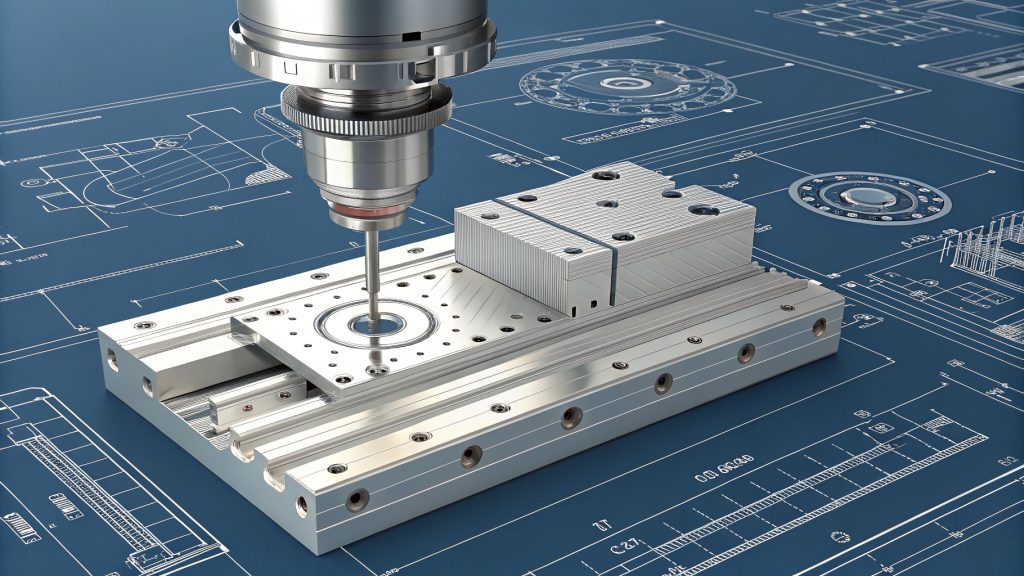
The whole CNC manufacturing process starts with a digital blueprint. This is a Computer-Aided Design (CAD) model. The CAD model is a 3D digital representation of the part we want to make. My customers, like Mark Chen, often provide these CAD files. If they do not have one, we can help create it. Accuracy in the CAD model is extremely important. Any error here will be replicated in the final part.
Next, we use Computer-Aided Manufacturing (CAM) software. This software takes the CAD model. It helps us define the machining strategy. This includes deciding which tools to use, the cutting paths the tools will follow, the speeds, the feeds, and other parameters. The output from the CAM software is G-code. G-code is the programming language that CNC machines understand. This stage is where our skilled engineers at Worthy Hardware use their extensive experience. They optimize the process for both quality and efficiency. This is especially true for challenging materials like carbon fiber.
As I mentioned in my insights, we must carefully manage the cutting forces and potential deformation with such materials. The G-code is then loaded onto the CNC machine. The raw material, whether it is a block of carbon fiber, aluminum, or plastic, is securely fixed in the machine. The CNC machine then automatically follows the G-code instructions. It moves the cutting tool or the workpiece precisely. This removes material layer by layer to create the final part.
We always monitor this process closely. After machining, quality control is essential. We use various precision measuring tools to ensure the part meets all the specifications from the drawing. At Worthy Hardware, we perform a 100% inspection on all parts.
How are carbon fiber parts manufactured?
Carbon fiber parts are quite unique. Have you ever wondered about their creation beyond just the machining stage? There is often more to it than that.
Carbon fiber parts are typically made by layering carbon fiber fabric with a resin (like epoxy) in a mold. This is then cured under heat and pressure. CNC machining is often a secondary process for adding features.
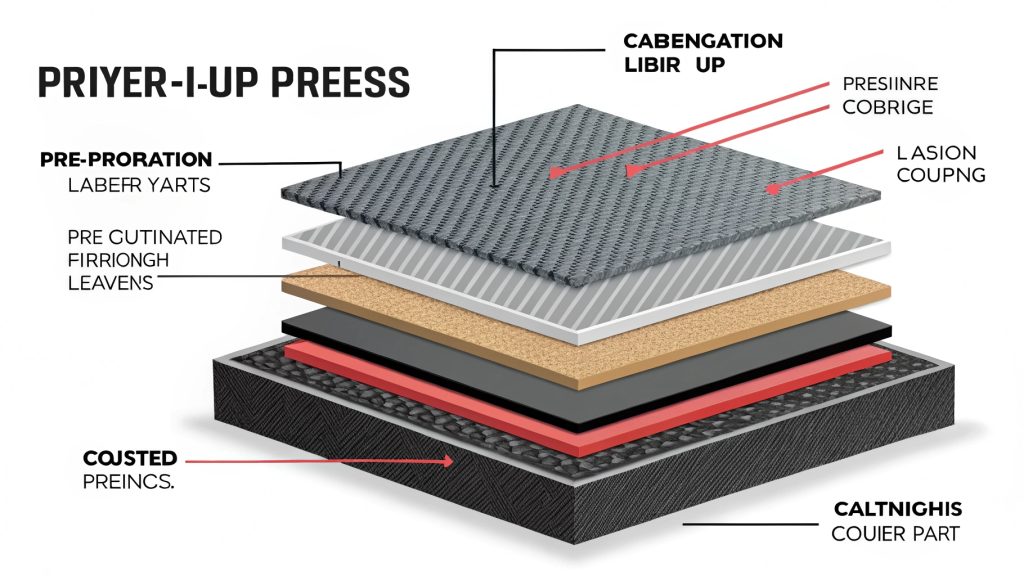
The core of making a carbon fiber part is the layup process. This involves placing layers of carbon fiber fabric into a mold. Often, this fabric is pre-impregnated with resin. We call this "pre-preg." The orientation of the fibers in each layer is very critical. It determines the strength and stiffness of the final part in specific directions. There are several common layup methods. Hand layup involves manually placing the fabric layers into the mold. This is good for prototypes or very complex shapes.
Resin Transfer Molding (RTM) is another method. Here, dry fabric is placed in a closed mold, and then resin is injected under pressure. For the highest quality parts, we often use autoclave curing. Parts, usually made with pre-preg, are cured under high heat and high pressure inside a machine called an autoclave. This process produces very strong, lightweight, and high-density parts.
Once the layers are in place, the resin needs to cure, which means it hardens. This usually involves applying heat and sometimes pressure, as in an autoclave. The curing cycle, which is the specific profile of time and temperature, is critical. It ensures the material achieves its full mechanical properties.
After curing, the part is a "near-net shape." This means it is close to its final form but may need further refinement. This is where CNC machining comes in. We use CNC machines to add features like holes, slots, or precise trimming of edges. We can also create complex surfaces that could not be easily formed in the molding process. My insights about carbon fiber's properties – its low density, high tensile strength, high hardness, and the risk of burning or shearing – become very important during this machining stage.
For example, we often machine mounting holes, create precise interfaces for other components to attach to, or trim parts to their final, exact dimensions. My team at Worthy Hardware is very skilled in handling these post-curing machining operations for carbon fiber, ensuring the integrity of the material is maintained.
Conclusion
Successfully CNC machining carbon fiber is achievable with the right knowledge, tools, and careful approach. Worthy Hardware can help you with your carbon fiber parts.