
How Does Laser Welding Solve the Assembly Problems in Metal Fabrication?

Facing tricky metal assembly? Warping and weak joints can halt your project. Laser welding offers a precise, strong solution for complex fabrications, which we at Worthy Hardware often recommend.
Laser welding solves metal fabrication assembly problems by providing highly precise, strong, and clean welds with minimal heat distortion. This results in better fit-up, reduced post-processing, and improved structural integrity for assembled parts, ensuring your projects meet the highest standards.
When we talk about putting metal parts together, the goal is always a perfect fit and a lasting bond. However, traditional methods can sometimes fall short, leading to headaches down the line. That's why exploring advanced techniques is crucial. I believe understanding these options can make a huge difference in the quality and efficiency of your metal fabrication projects. Let's look deeper into how laser welding specifically tackles common assembly challenges.
How Does Laser Welding Work?
Curious about laser welding's magic? Traditional methods often cause heat-related issues. Laser welding offers a focused, efficient way to join metals, creating superior bonds quickly and cleanly.
Laser welding works by focusing a high-intensity light beam onto the metal joint. This melts and fuses the materials together with great precision, creating a strong, narrow weld rapidly, often without needing filler material.
At its core, laser welding is a fascinating process. Imagine a highly concentrated beam of light, so powerful it can melt metal in an instant. This beam is directed precisely at the seam where two metal pieces need to join. The energy from the laser is absorbed by the material, causing it to heat up, melt, and flow together.
As it cools, it forms a weld. One of the key aspects I find impressive is the small heat-affected zone (HAZ). Because the heat is so localized and applied so quickly, the surrounding material doesn't get overly heated. This means less distortion and warping, which are common problems in sheet metal assembly.
We often see parts that need to maintain very tight tolerances, and laser welding helps achieve that. The process can be used for various joint types, like butt joints, lap joints, and fillet welds. Sometimes, a filler wire is used, similar to traditional welding, to add material to the joint, especially for thicker sections or to bridge slight gaps. But often, for thin materials, an autogenous weld (without filler) is perfectly strong. The speed and precision are truly game-changers.
Key Aspects of the Laser Welding Process:
-
High Power Density: The laser beam concentrates a lot of energy into a tiny spot.
-
Rapid Melting and Solidification: This leads to fast welding speeds.
-
Minimal Heat Input: Reduces distortion and changes to material properties.
-
Precision: Allows for welding of intricate parts and close to heat-sensitive components.
At Worthy, when we assist customers with designs that require delicate assembly or where distortion is a major concern, we often discuss the benefits of laser welding.
What is the Effect of Laser Beam Wobbling Mode in Welding Process for Structural Steels?
Welding structural steel brings its own challenges? Gaps and imperfections can compromise strength. Wobbling laser beams offer a smarter way to ensure robust welds for these demanding applications.
Laser beam wobbling in welding structural steels helps bridge larger gaps, improves weld pool dynamics, reduces porosity, and refines grain structure. This results in stronger, more consistent, and defect-free welds.
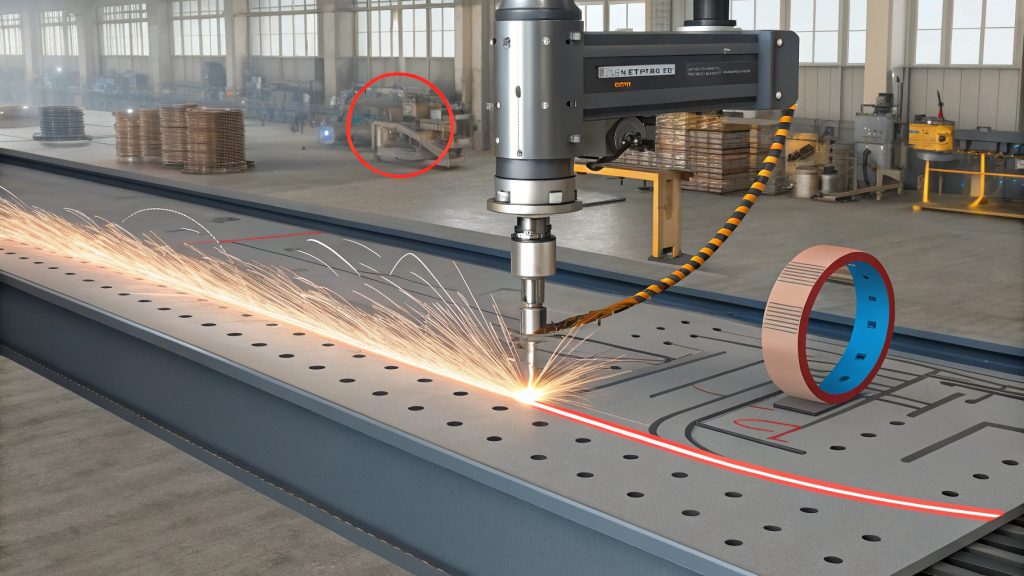
Laser beam wobbling, sometimes called beam oscillation, is a clever enhancement to the laser welding process, particularly beneficial for structural steels or when dealing with less-than-perfect fit-ups. Instead of the laser beam just moving in a straight line along the weld seam, it's made to "wobble" or oscillate in a defined pattern—like a circle, an ellipse, or a figure-eight—as it travels. This wobbling motion effectively increases the width of the weld pool and stirs the molten metal. From my experience, this stirring action is key. It helps to release any trapped gases, which significantly reduces porosity in the weld. This is a big deal because porosity can be a major weak point.
Furthermore, when assembling sheet metal parts, we sometimes encounter situations where the weld seam isn't as full as desired, or there's a risk of welding cracks, especially with certain alloys or thicker materials. The wobbling motion helps address this by distributing the laser energy more effectively across a slightly wider area.
This can improve penetration, ensure a more robust weld bead, and help bridge small gaps between parts that might otherwise lead to an incomplete weld or a stress concentration point prone to cracking. For structural steels, where strength and integrity are paramount, this enhanced weld quality and consistency provided by beam wobbling are invaluable. It allows for more tolerance in part fit-up and produces a smoother, more uniform weld surface, often reducing the need for extensive post-weld grinding or finishing.
Benefits of Laser Wobbling:
| Feature | Benefit | Impact on Assembly |
|---|---|---|
| Wider Weld Pool | Better gap bridging ability | Accommodates slight assembly misalignments |
| Molten Pool Stirring | Reduced porosity, improved degassing | Stronger, more reliable welds |
| Heat Distribution | More uniform heat input, refined grain structure, better wetting | Reduced cracking risk, fuller weld seams |
| Process Stability | Greater tolerance to variations in joint preparation and material surface | More consistent quality across assembled parts |
This technique really helps us at Worthy deliver assemblies that are not just precise but also incredibly strong.
What is the Advantage of Laser Welding Machine?
Tired of slow, messy welding? Traditional methods can be inefficient and cause distortion. Laser welding machines bring speed, precision, and superior quality to your fabrication assembly process.
Laser welding machines offer advantages like high welding speed, deep penetration with a narrow profile, minimal heat distortion, and precise control. They produce high-quality, clean welds, often reducing post-weld finishing.
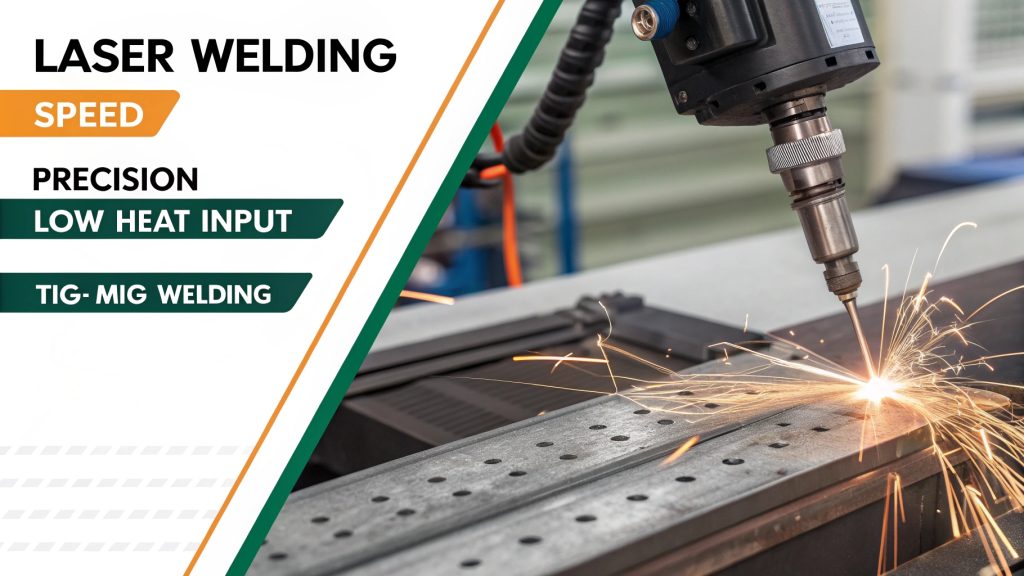
When I think about the advantages of laser welding machines, several key benefits immediately come to mind, especially when we're focused on solving assembly problems.
First is the speed. Laser welding can be significantly faster than traditional methods like TIG or MIG welding, especially for long, continuous seams or when dealing with thinner materials. This increased speed directly translates to higher productivity and shorter lead times for our customers.
Second, the precision is exceptional. The laser beam can be focused to a very small spot, allowing for incredibly accurate weld placement. This is critical when assembling complex parts or welding near heat-sensitive components.
Another huge plus is the low heat input. Because the energy is so concentrated and the process is so fast, the overall heat introduced into the part is much lower than with conventional welding. This means minimal thermal distortion and a very small heat-affected zone (HAZ). For assemblies that require tight tolerances or are made from materials prone to warping, this is a game-changer.
We've seen many projects at Worthy where laser welding was the only way to maintain the required dimensional accuracy after assembly. The resulting welds are also very clean and aesthetically pleasing, often requiring little to no post-weld grinding or finishing. This not only saves time and labor but also preserves the integrity of the material.
In cases of incomplete weld seams or potential cracks, the deep penetration and consistent energy delivery of laser welding, especially when combined with techniques like beam wobbling, ensure a more robust and reliable joint. The ability to automate laser welding systems also contributes to consistency and efficiency in mass production scenarios.
Key Advantages Summary:
-
High Speed: Faster than many traditional methods.
-
Precision & Control: Excellent for intricate work.
-
Low Heat Input: Minimizes distortion and HAZ.
-
High-Quality Welds: Strong, clean, and often require no post-processing.
-
Versatility: Can weld a wide range of metals and dissimilar materials.
-
Automation: Easily integrated into automated production lines.
These advantages directly address common assembly frustrations, leading to better products and smoother manufacturing.
What is the Problem with Laser Welding?
Thinking laser welding is flawless? While incredibly powerful, it does have considerations. Understanding its limitations helps you make informed decisions for your metal fabrication projects and assemblies.
Problems with laser welding can include high initial equipment cost, the need for very precise joint fit-up, and challenges with highly reflective materials. Operator skill and safety precautions are also crucial considerations.
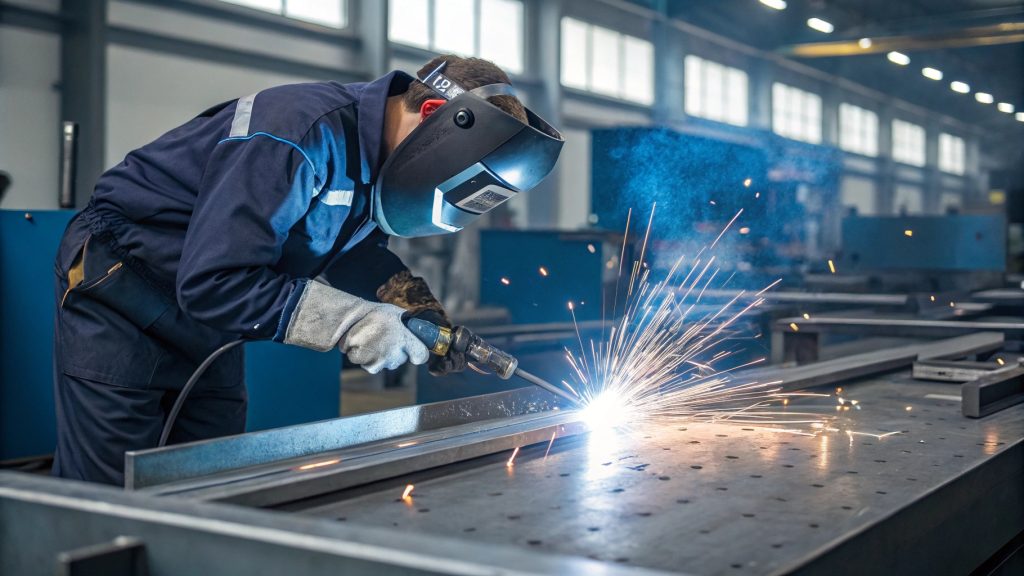
While laser welding offers many solutions to assembly problems, it's important to acknowledge its potential downsides or challenges. One of the most significant hurdles for some businesses is the initial investment cost. Laser welding systems, especially high-power ones, can be quite expensive compared to traditional welding equipment. This means it might not be the most economical choice for every single application or for shops with low volume needs.
Another critical factor is the joint fit-up. Laser welding typically requires very precise alignment and minimal gaps between the parts being joined. The focused nature of the beam means it's less forgiving of poor fit-up than, say, MIG welding, which can more easily fill larger gaps with filler material. While techniques like beam wobbling can help, meticulous preparation is still key.
Highly reflective materials[^1], such as aluminum or copper, can also pose a challenge. These materials can reflect a significant portion of the laser beam's energy, making it harder to achieve an effective weld or potentially damaging the laser optics if not managed correctly. Specialised laser types or techniques are often needed for these materials.
Safety is another paramount concern. The high-intensity laser beam can cause serious eye and skin damage, so strict safety protocols, including proper enclosures and personal protective equipment (PPE), are absolutely essential. Finally, while many systems are automated, skilled operators and technicians are still needed for setup, programming, and maintenance, which requires specific training. At Worthy, we weigh these factors carefully when advising clients, ensuring the chosen welding method truly matches the project's technical requirements and budget.
Potential Challenges:
-
High initial equipment cost.
-
Requires precise joint fit-up.
-
Reflectivity issues with certain materials (e.g., aluminum, copper).
-
Strict safety measures are mandatory.
-
Requires skilled personnel for operation and maintenance.
Understanding these points helps in making an informed choice for your assembly needs.
Conclusion
Laser welding effectively solves many metal assembly problems by offering precision, speed, and minimal distortion, leading to higher quality and more efficient production for your projects.