
How to Overcome the Challenges of CNC Machining Tungsten Components?
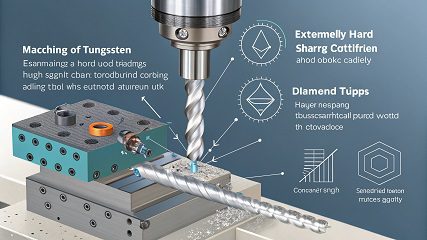
Machining tungsten is incredibly tough, leading to worn tools and project delays. But with the right strategy, you can machine this challenging material successfully and get great results.
To machine tungsten successfully, you must use extremely hard and sharp cutting tools, like carbide or diamond-tipped ones. Also, you need slow speeds, high torque, and plenty of coolant to manage heat and prevent tool breakage. This ensures precise, high-quality components.
It sounds simple on the surface, but there's a lot more to it. Tungsten isn't just one material; its alloys behave differently. Getting the best results means understanding exactly why it's so difficult to work with and what specific steps you can take to manage each challenge. I've seen many projects struggle because these details were overlooked. But once you understand the core issues, the solutions become much clearer.
Why is tungsten difficult to machine?
Confused why your tools keep breaking on tungsten parts? Its unique properties can be a nightmare, causing high costs and delays. Let's look at why it's so challenging.
Tungsten is difficult to machine because of its extreme hardness, high density, and very high melting point. It’s also brittle at room temperature. This combination quickly wears down cutting tools, generates immense heat, and can cause the material to chip or fracture unexpectedly during machining.
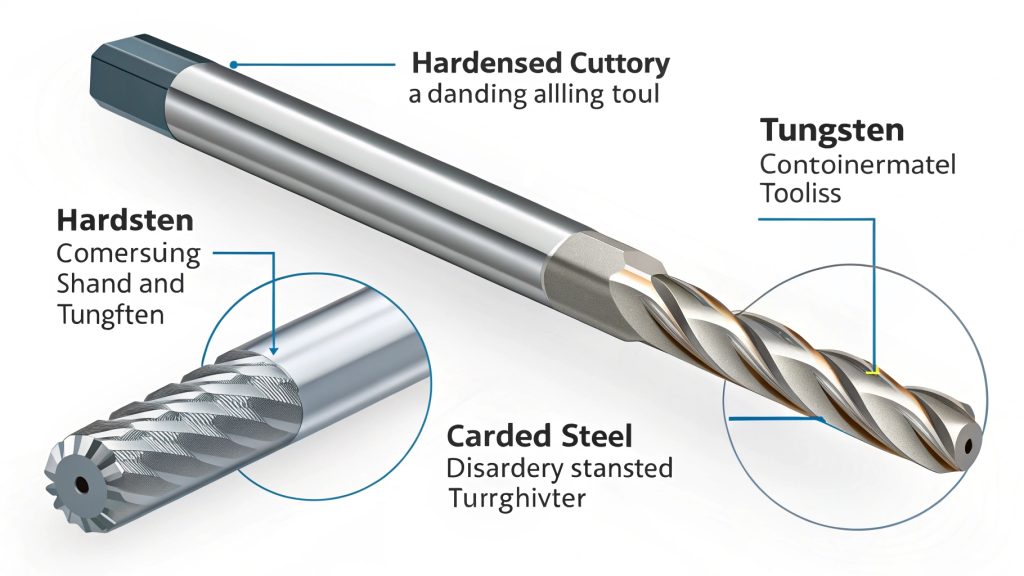
Let's look closer at these challenges. From my experience at Worthy Hardware, many issues come from not respecting the material's unique nature.
The Hardness Factor
Tungsten and its alloys are incredibly hard. This hardness means standard cutting tools just won't work; they dull almost instantly. We have to use specialized tools, usually made from carbide or coated with diamond, just to make a dent. I remember a customer who tried to use standard steel tools on a tungsten alloy. The tools were destroyed in minutes. It was a costly lesson.
Brittleness and Abrasiveness
At room temperature, pure tungsten is brittle. This means it can easily crack or chip under the stress of machining. This is a huge risk for parts with complex features. The material is also very abrasive, which acts like sandpaper on your cutting tools, wearing them down very quickly.
Managing High Temperatures
Tungsten’s high melting point means it creates a lot of heat during cutting. If you don’t manage this heat with a good coolant system, it can damage both the tool and the workpiece.
| Property | Tungsten | Steel | Aluminum |
|---|---|---|---|
| Hardness (Mohs) | 7.5 | ~4.5 | 2.75 |
| Melting Point (°C) | 3422 | ~1450 | 660 |
Can tungsten be CNC machined?
Wondering if CNC machining tungsten is even possible? Its tough reputation might make you hesitant. But with the right technology and expertise, it can definitely be done effectively.
Yes, tungsten and its alloys can be CNC machined. Success requires specialized equipment, like rigid CNC machines with high torque. It also demands the use of carbide or PCD tools, slow cutting speeds, and an effective cooling strategy to manage heat and prevent material fracture.

Machining tungsten is a game of control and precision. In my factory, we've found that success comes down to three key areas that determine the final quality of the part.
The Right Machine and Tools
You can't use a standard, lightweight machine. You need a very rigid, powerful CNC machine[^1] that can handle the high cutting forces without vibrating. As for tools, we only use sharp, high-grade carbide or diamond-tipped (PCD) inserts. The complexity of the part’s structure dictates how we coordinate these tools and processes for the best outcome.
Controlling the Machining Parameters
This is where operator skill really shines. We use very slow cutting speeds but maintain a consistent feed rate. This reduces heat and prevents the brittle material from cracking. For dimensional accuracy, a tolerance above 0.05mm is achievable with good equipment. But for very tight tolerances, like 0.02mm, the machine's own precision must be far superior to the part's requirements.
Achieving High Quality Finishes
Getting a smooth surface on tungsten is an art. For a standard finish, careful planning is enough. But for a very fine surface roughness, like Ra 0.05 or even Ra 0.01, it all comes down to the experience of the machinist. They know how to adjust the final passes to get that mirror-like quality without stressing the material.
How do you solve problems during tungsten CNC machining?
Facing unexpected issues while machining tungsten? A sudden tool failure or cracked part can stop your whole project. Let's explore a simple method for troubleshooting these tough problems.
To solve a CNC machining problem with tungsten, first stop the machine safely. Then, carefully inspect the tool, the workpiece, and the machine setup. Analyze the issue—is it excessive tool wear, chipping, or poor finish? Finally, adjust one parameter at a time, like speed or coolant flow.
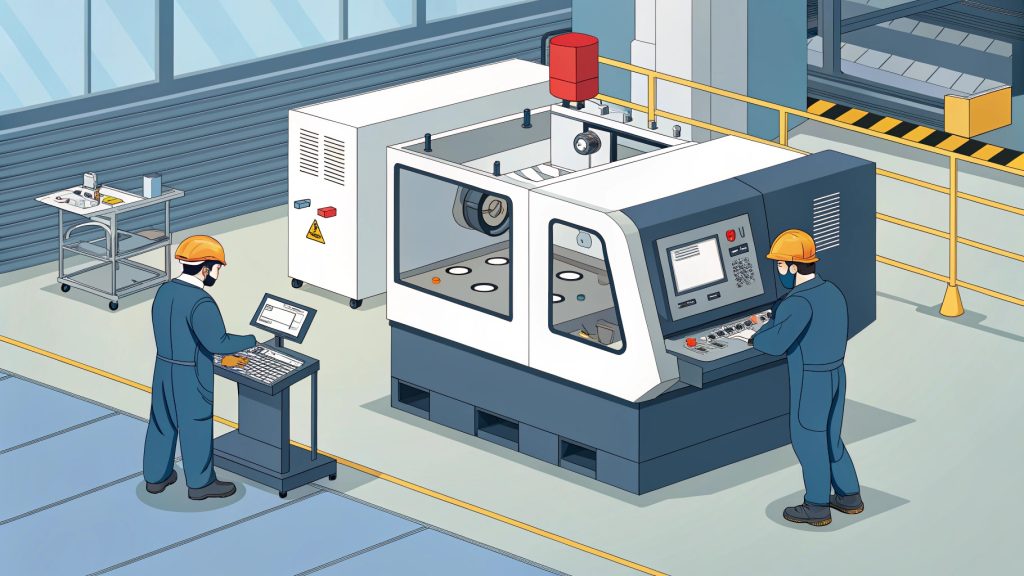
When a problem happens with a material as unforgiving as tungsten, a calm, methodical approach is best. I often tell my team, especially when working on a complex part for a client like Mark in Canada, to treat every problem like a detective.
Step 1: Stop and Assess
The moment you hear a strange noise or see a bad finish, stop the machine. The first priority is safety and preventing further damage. Carefully remove the tool and inspect it. Look closely at the workpiece for signs of stress, cracks, or discoloration from heat.
Step 2: Identify the Root Cause
This is the most critical step. Don't just assume the tool was bad. We use a simple troubleshooting chart to guide our thinking. By looking at the specific problem, we can narrow down the likely causes.
| Problem | Possible Cause | Potential Solution |
|---|---|---|
| Rapid Tool Wear | Cutting speed too high; Insufficient coolant | Reduce RPM; Increase coolant flow/pressure |
| Material Chipping | Feed rate too aggressive; Dull tool | Decrease feed rate; Use a new, sharp insert |
| Bad Surface Finish | Machine vibration; Incorrect tool geometry | Check tool holder and workholding; Try a different tool |
Step 3: Make Small Adjustments
Once you have a likely cause, change only one thing at a time. If you think the speed is too high, reduce it by 10% and run a short test. If you change speed, feed, and coolant all at once, you’ll never know what the real solution was.
Is tungsten the hardest material to CNC machine?
We know tungsten is tough, but is it the absolute hardest material for CNC? This question matters, as it puts your project's challenges into perspective against other super-hard materials.
Tungsten is one of the most difficult materials to machine, but some might argue that certain ceramics (like alumina or zirconia) or nickel-based superalloys (like Inconel 718) are even harder. These materials often require specialized grinding or ultrasonic machining methods, not just conventional CNC.


While tungsten is a top contender for the "hardest to machine" title, the answer isn't that simple. In my business, "hard" can mean different things depending on the material.
Tungsten vs. Superalloys
Tungsten's main challenges are its hardness, density, and brittleness. But compare it to a superalloy like Inconel. Inconel is not as dense, but it has a terrible property called work-hardening. The heat from the cutting action hardens the surface you're trying to cut, making the next pass even more difficult. It's a constant battle that requires very specific strategies.
The Challenge of Ceramics
Then you have technical ceramics like silicon carbide. These materials are so hard and brittle that traditional CNC milling is often impossible. They don't form chips; they fracture and break. For these materials, we have to use completely different processes, like diamond grindingor ultrasonic machining, which slowly abrade the material away instead of cutting it.
Where Tungsten Stands
So, is tungsten the hardest? For conventional CNC milling and turning, it’s absolutely in the top tier, alongside hardened tool steels and superalloys. Each one presents its own unique set of problems. The "hardest" material often depends on the specific part geometry and the quality you need to achieve.
Conclusion
In summary, machining tungsten is challenging due to its hardness and brittleness. Success depends on using the right tools, slow speeds, proper cooling, and having skilled operators to troubleshoot issues.