
How Does Corrosion Resistance Differ Between Premium Alloys?
Choosing the wrong alloy can lead to rust and failure. This costs you money and time. Understanding which premium alloy offers the best protection is the key to durable parts.
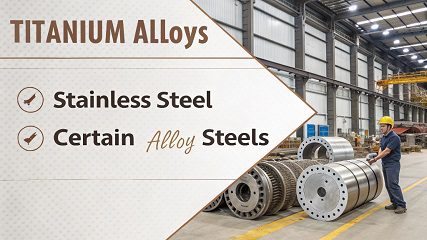
Titanium alloys offer the best corrosion resistance, followed by stainless steel, and then certain alloy steels. This is because titanium forms an extremely stable and protective oxide layer on its surface, which is more robust than the chromium oxide layer found on stainless steel.
When I talk to clients like Mark from Canada, quality and durability are always top of mind. He needs parts that last, even in tough conditions. The choice of material is the first and most important step to guarantee that quality. Many factors go into this choice, but for parts exposed to the elements, corrosion resistance is at the top of the list. But not all "premium" alloys are created equal in this regard. So let's look closer at why these differences exist and what they mean for your specific projects.
Why do alloys have better corrosion resistance?
Pure metals can corrode very easily. This limits their use in many jobs. We add other elements to create alloys, which greatly improves their ability to resist corrosion.
Alloys have better corrosion resistance because we add specific elements, like chromium, nickel, or titanium. These elements create a very thin, stable, and non-reactive film on the metal's surface. This barrier, called a passive layer, protects the underlying metal from corrosive environments.
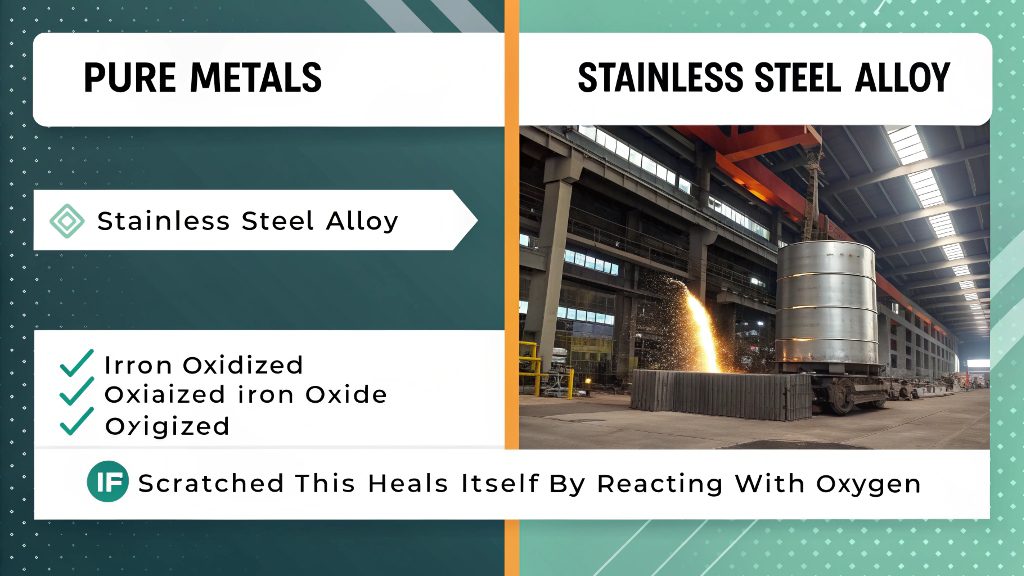
This passive layer is the secret to an alloy's strength against rust. Let's think about pure iron. When iron is exposed to oxygen and moisture, it forms iron oxide, which we all know as rust. Rust is a problem because it's flaky and porous. It doesn't protect the iron underneath. Instead, it flakes away and exposes fresh metal to corrode, and the process continues until the part fails. Adding an element like chromium to iron changes everything. The chromium reacts with oxygen first, forming a tough, stable chromium oxide layer. This layer is very thin, invisible, and sticks tightly to the surface. Best of all, if it gets scratched, it instantly "heals" itself by reacting with oxygen again. This is why we can make parts for medical devices or aerospace that perform for years without failing.
How Pure Metals vs. Alloys Handle Corrosion
| Feature | Pure Iron | Stainless Steel Alloy |
|---|---|---|
| Reaction with Oxygen | Forms flaky iron oxide (rust). | Forms a stable chromium oxide layer. |
| Protective Layer | No, rust accelerates corrosion. | Yes, the passive layer is self-healing. |
| Result | Structural weakness over time. | Long-term durability and resistance. |
What is the best alloy for corrosion resistance?
You need the absolute best protection against corrosion for a critical part. Choosing something that is just "good enough" could lead to failure, especially in harsh environments. One alloy stands above all others.
For the highest level of corrosion resistance, titanium alloys are the best choice. They are almost immune to attack from saltwater, chlorides, and many industrial acids. This is because titanium forms a tough, self-healing titanium dioxide layer that is extremely stable and protective.
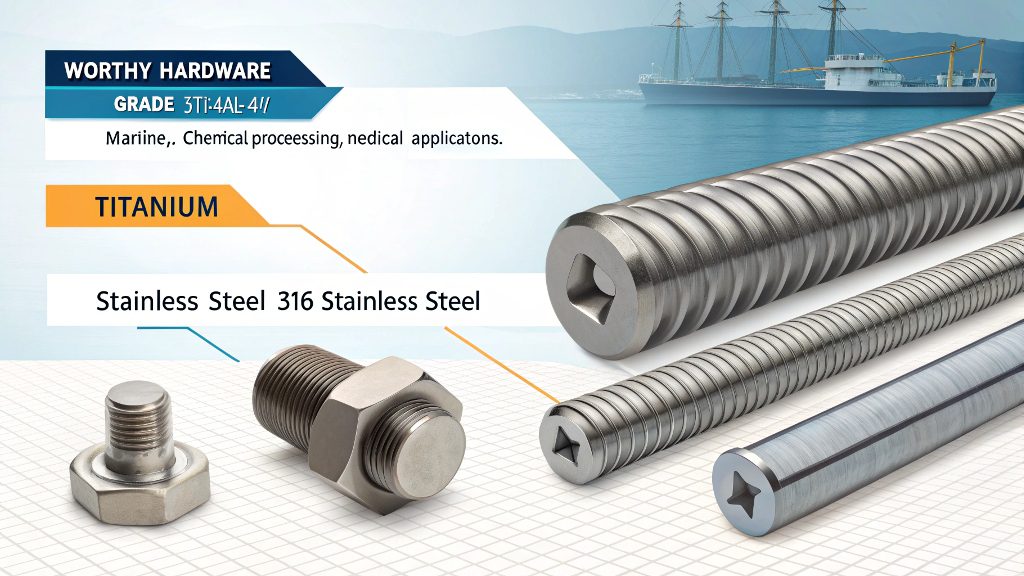
In my experience at Worthy Hardware, when a customer needs parts for a marine, chemical processing, or medical application, I almost always recommend a titanium alloy like Grade 5 (Ti-6Al-4V). The reason is simple: it just doesn't fail due to corrosion in these settings. While stainless steel, especially marine-grade 316, is very good, it can still suffer from pitting or crevice corrosion in low-oxygen, high-chloride environments like seawater. Titanium does not have this weakness. Its passive oxide layer is more robust and reforms more readily than stainless steel's. This makes it the ultimate choice when performance cannot be compromised. The upfront cost is higher, but for critical applications, the lifetime value and reliability are worth it. It prevents costly replacements and ensures safety.
Which has better resistance to corrosion, carbon steel alloy or stainless steel alloy?
Your budget is tight, but the part will be exposed to some moisture. You wonder if a treated carbon steel could work. This choice impacts the part's lifespan directly.
Stainless steel has significantly better corrosion resistance than any carbon steel alloy. The key difference is the addition of at least 10.5% chromium in stainless steel. This chromium forms a passive oxide layer that protects the steel, while carbon steel has no such protection and rusts easily.
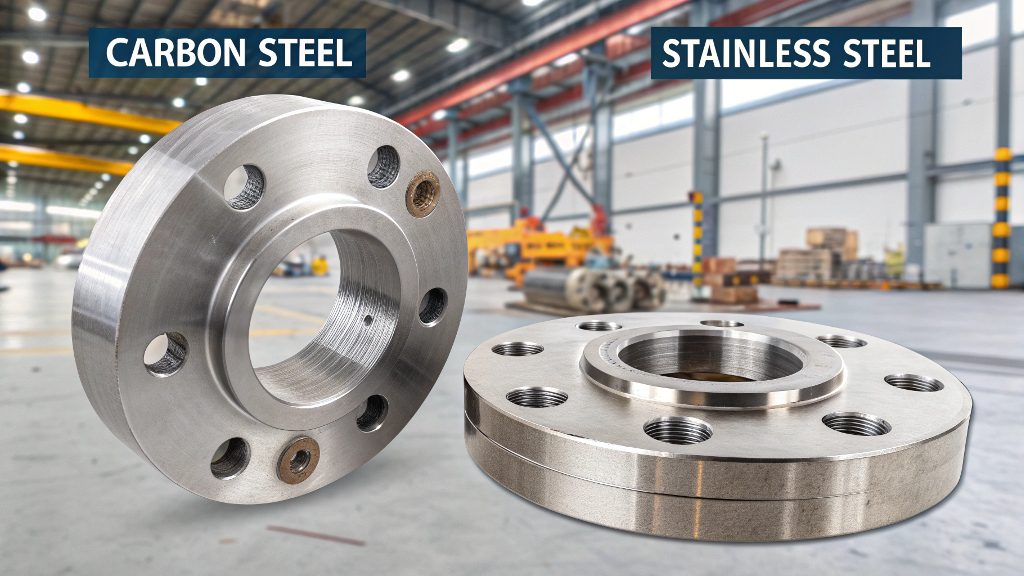
At our facility in China, we machine thousands of parts from both materials. A client once tried to save costs by using a coated carbon steel for an outdoor enclosure. After a year, despite the coating, rust began to form at the corners and around the fasteners. We replaced it with a part made from 304 stainless steel, and even after several years, it looks as good as new. Carbon steel's main element is iron, which naturally wants to revert to its oxide state (rust). While you can add coatings like zinc plating or paint, these are just temporary surface barriers. Once that barrier is scratched or damaged, the steel underneath will start to rust immediately. Stainless steel has its protection built right into the metal itself. The chromium is part of the alloy's chemistry, so the resistance isn't just on the surface; it's through the entire part. For any application with moisture, stainless steel is the more reliable long-term choice.
Are all alloys corrosion resistant?
You hear the word "alloy" and might think it means strong and rust-proof. But assuming this can lead to big problems. Not all alloys are designed to fight corrosion.
No, not all alloys are corrosion resistant. An alloy is simply a mixture of a metal with at least one other element. Many alloys, like tool steel or certain aluminum alloys, are created to improve properties like hardness or strength, not corrosion resistance, and will rust or corrode easily.
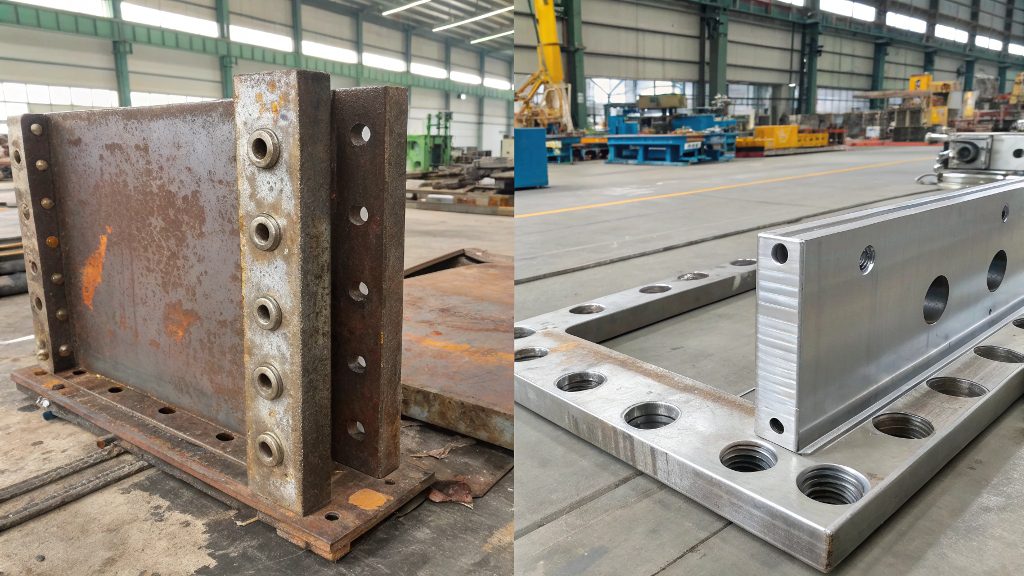
We must remember why an alloy was created in the first place. The goal is to enhance specific properties. For example, we make tool steels by adding elements like tungsten or molybdenum to carbon steel. This makes the alloy incredibly hard and able to hold a sharp edge, which is perfect for cutting tools and dies. However, these alloys will rust very quickly if you don't keep them properly oiled and dry. On the other hand, we create bronze by alloying copper with tin. This creates an alloy that is well-known for its corrosion resistance in marine environments. The key is to know what job the alloy needs to do. Never assume "alloy" means it's automatically protected from the environment. Always check the material specifications for its intended purpose and its resistance to the specific conditions your part will face.
Common Alloy Goals
| Alloy Type | Primary Goal | Corrosion Resistance | Example Application |
|---|---|---|---|
| Stainless Steel | Corrosion Resistance | Excellent | Food processing equipment |
| Tool Steel | Hardness, Wear Resistance | Poor | Drills, cutting tools |
| Titanium Alloy | High Strength-to-Weight, Corrosion Resistance | Exceptional | Aerospace frames, medical implants |
| Structural Steel | Strength, Low Cost | Poor | Building beams, bridges |
Conclusion
Titanium alloys offer superior corrosion resistance, followed by stainless steel. The right choice depends on your specific environment, budget, and performance needs for long-lasting, reliable parts.