
How Does Copper Material Enhance EMI Shielding In Electronic Devices?
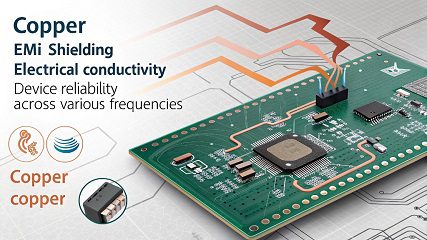
Struggling with electronic interference causing your devices to fail? This can lead to costly redesigns and product recalls. Using copper for EMI shieldingis a reliable way to solve this.
Copper is a top choice for EMI shielding because of its excellent electrical conductivity. It effectively absorbs and redirects electromagnetic waves, protecting sensitive components from interference and ensuring device reliability across a wide range of frequencies.
Choosing the right material for your project is a big decision. I've worked on many projects where the material choice made all the difference between success and failure. The wrong material can compromise the entire device's performance. Knowing the specifics of why certain materials work better than others can save you time and money. It's not just about picking a good conductor; it's about understanding how that material behaves in your specific application. So, let’s explore the details to help you make an informed choice.
Is copper good for EMI shielding?
Choosing the wrong shielding material can be a costly mistake. You might waste your budget on materials that don't perform, leading to project delays and embarrassing product failures after launch.
Yes, copper is an excellent material for EMI shielding. Its high electrical conductivity allows it to efficiently absorb and reflect electromagnetic waves. It performs consistently well across a wide range of frequencies, making it a versatile and reliable choice for protecting sensitive electronics.
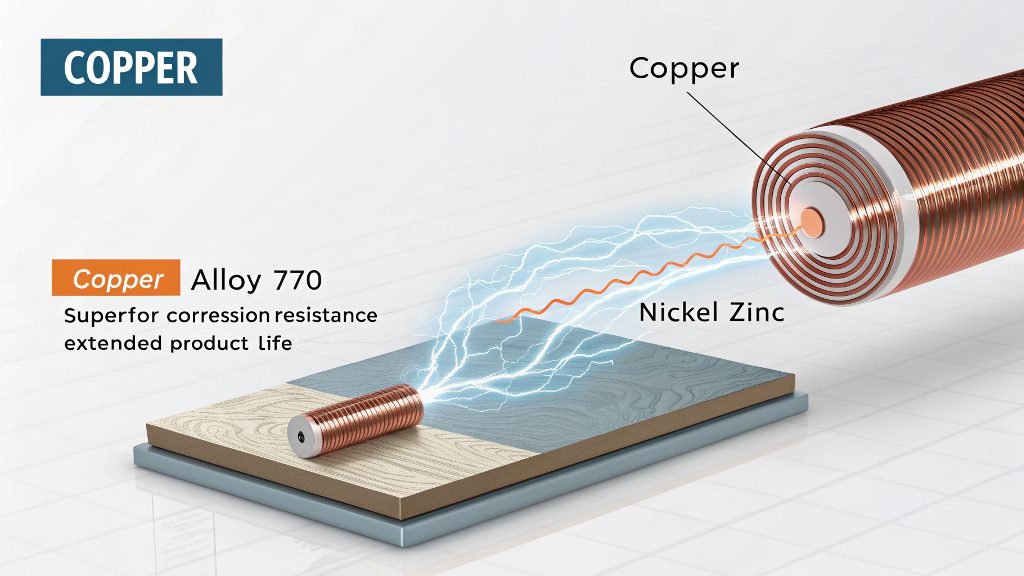
Copper's effectiveness comes down to its core physical properties. The primary mechanism for EMI shielding is a material's ability to conduct electricity. When an electromagnetic wave hits a conductive surface like copper, it induces a current. This current creates an opposing electromagnetic field that cancels out a large portion of the incoming wave. This is why conductivity is so important.
From my experience manufacturing custom parts, I've seen how different copper alloys can be tailored for specific needs. For example, Copper Alloy 770, which is made of copper, nickel, and zinc, is a great choice. We often recommend it for applications where the part is exposed to harsh environments. The nickel and zinc content gives it superior corrosion resistance, ensuring the shield remains effective over the long term, even with exposure to moisture or chemicals. This prevents performance degradation and extends the product's life.
Does copper protect from an EMP?
An electromagnetic pulse (EMP) can instantly disable critical electronics. For businesses relying on technology, the threat of such a widespread outage is a serious concern, potentially leading to catastrophic data loss.
Yes, copper can provide significant protection against an EMP. A properly constructed copper enclosure, known as a Faraday cage, will block the intense electromagnetic fields of an EMP. The copper absorbs and redirects the energy, safeguarding the electronics housed inside the enclosure.


The principle behind EMP protection is the same as for standard EMI shielding, but on a much larger scale. An EMP is a massive burst of electromagnetic energy. To stop it, you need a highly conductive barrier with no gaps. A continuous enclosure made of copper effectively creates a Faraday cage. When the EMP wave hits the copper cage, its high conductivity allows the massive energy to flow around the exterior of the enclosure and safely dissipate into the ground, if grounded. The key here is the continuous H-field (magnetic) and E-field (electric) shielding.
I remember a project for a client in the aerospace and defense industry. They needed enclosures for critical backup systems. The design had to be perfect because any small gap or hole could allow the damaging EMP energy to leak through. We had to ensure every seam was perfectly sealed. This shows that the material (copper) is only part of the solution; the design and manufacturing of the enclosure are just as critical for effective EMP protection. It's a system where both material and construction must be flawless.
What material is used for EMI shielding?
You need to shield your device, but the list of potential materials seems endless. Choosing an unsuitable material can lead to poor performance and force you to go back to the drawing board.
A variety of conductive materials are used for EMI shielding, including copper, aluminum, steel, and conductive polymers. The choice depends on factors like the required shielding effectiveness, frequency range, weight limitations, cost, and environmental conditions the device will face.
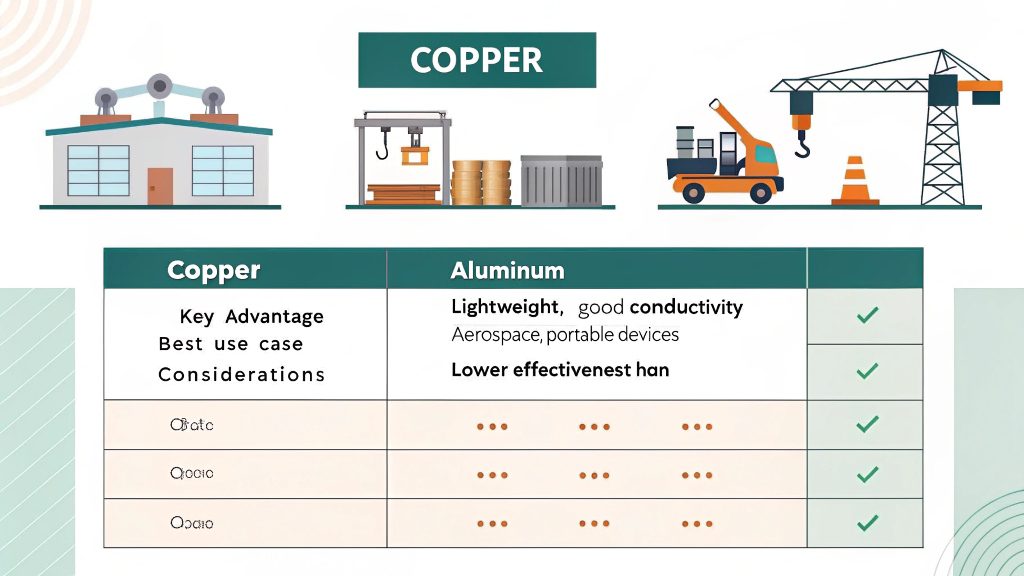
There is no single "best" material for every situation. You have to consider the specific requirements of your product. I often guide my clients through this selection process. For example, if weight is the top priority, like in an aerospace application, aluminum is often a better choice than copper, even though its conductivity is lower. If cost is the main driver and the application is for lower frequencies, pre-tin-plated steel can be a very effective and economical option.
Here’s a simple table to break down the common choices. This is the kind of comparison I share with clients like Mark from Canada, who need to balance quality and cost.
| Material | Key Advantage | Best Use Case | Considerations |
|---|---|---|---|
| Copper | Excellent conductivity | High-performance, wide-frequency shielding | Higher cost and weight |
| Aluminum | Lightweight, good conductivity | Aerospace, portable devices | Lower effectiveness than copper |
| Steel | Low cost, strong magnetic shielding | Low-frequency applications, structural parts | Heavy, prone to corrosion |
| Conductive Polymers | Flexible, lightweight | Gaskets, seals, irregularly shaped parts | Lower shielding effectiveness |
Making the right choice means looking at the whole picture. It's about finding the material that hits the sweet spot for your specific performance needs and budget.
What is the best material for shielding?
The pressure to find the absolute best shielding material can be overwhelming. Making the wrong choice means your product might fail compliance testing, leading to expensive delays and a loss of market trust.
The "best" material depends entirely on your application’s specific needs. However, for general-purpose, high-effectiveness EMI shielding across a broad frequency range, copper is often considered the top-performing and most reliable material due to its superior electrical conductivity.

Declaring one material as the absolute "best" is not practical because every project has different priorities. At my company, Worthy, we handle requests for everything from consumer electronics to medical devices. The needs are completely different. A medical device might prioritize the absolute highest shielding effectiveness from copper, with cost being a secondary concern. In contrast, a consumer product might need to use aluminum to keep the weight and cost down.
Before starting production, we always ask our clients these three questions to find their "best" material:
- What frequency range are you trying to block? Steel is great for low-frequency magnetic fields, while copper and aluminum excel at higher-frequency plane waves.
- What are your environmental conditions? If the part will be exposed to moisture, a corrosion-resistant alloy like Copper 770 or a plated material is necessary.
- What are your physical constraints? This includes weight, size, and whether the shield also needs to provide structural support.
By analyzing these factors, we can pinpoint the most suitable material. The best material is the one that meets your technical requirements without over-engineering the solution and driving up costs unnecessarily.
Conclusion
In short, copper is a superior material for EMI shielding due to its high conductivity. The best material choice, however, always depends on your specific application's cost, weight, and environmental requirements.