
How Does A36 Carbon Steel Compare to Other Materials for CNC Machining?
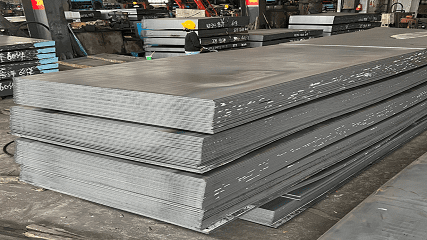
Struggling to pick the right steel for your CNC project? The options can be overwhelming, and a wrong choice can lead to costly mistakes and production delays.
A36 carbon steel is a general-purpose structural steel known for good strength, formability, and excellent weldability. It offers a great balance of performance and cost-effectiveness for many CNC machining applications, especially compared to more specialized and expensive alloys.
I've seen many customers, like Mark from Canada, weigh their options carefully. They need a material that is reliable, machinable, and doesn't break the bank. A36 steel often comes up in these conversations. But to really understand its value, we need to compare it directly with other common materials. Let's break down how it stacks up against the competition.
What is A36 carbon steel equivalent to?
Need to substitute A36 steel but don't know the equivalent grades? Choosing the wrong alternative can compromise your project's integrity and lead to component failure.
A36 steel is an American standard (ASTM A36). Its equivalents include S275JR in Europe (EN 10025) and SS400 in Japan (JIS G3101). These grades have similar properties, making them suitable substitutes.
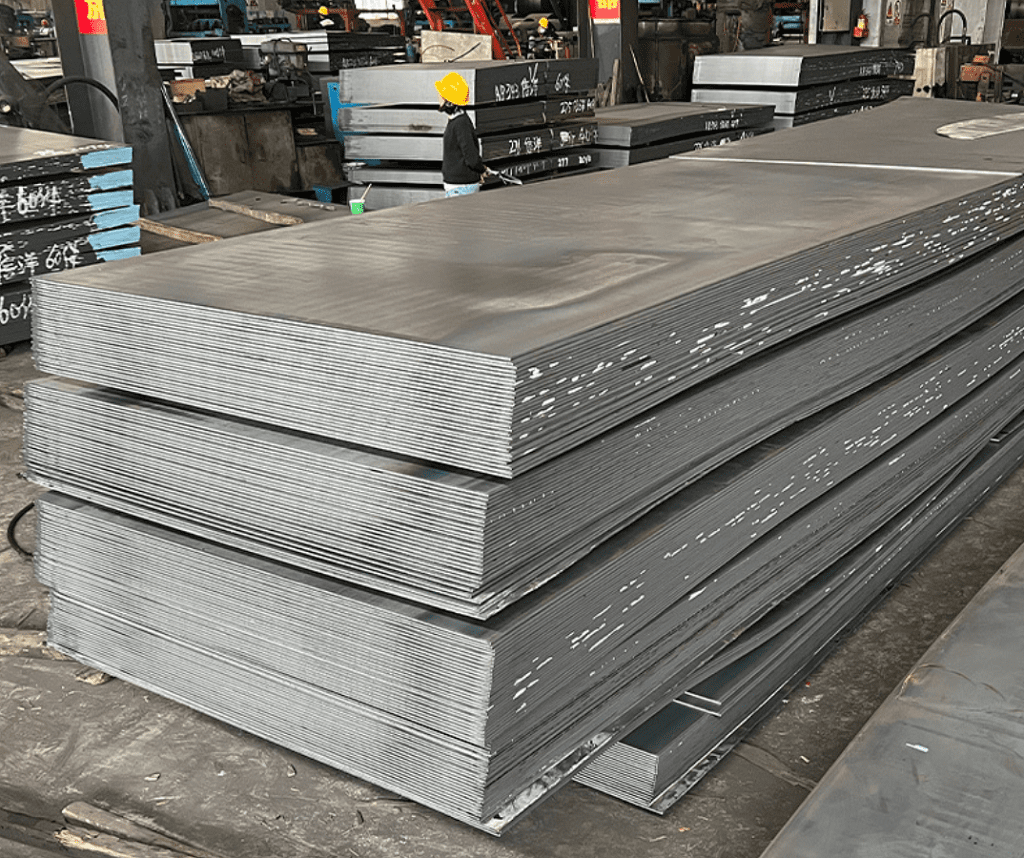
When a customer specifies a material, we must understand its international equivalents. This is crucial for global sourcing and ensuring part consistency. The term "equivalent" means the materials have very similar chemical compositions and mechanical properties. However, they are not always identical. Small differences exist due to varying regional standards.
Key Property Comparison
Let's look at the most important properties for these common structural steels. The numbers show how closely they match.
| Property | ASTM A36 | EN S275JR | JIS SS400 |
|---|---|---|---|
| Yield Strength | 250 MPa (min) | 275 MPa (min) | 245 MPa (min) |
| Tensile Strength | 400–550 MPa | 410–560 MPa | 400–510 MPa |
| Carbon Content | ≤0.26% | ≤0.21% | Not specified |
Why These Differences Matter
As you can see, the yield and tensile strengths are very close. For most structural uses like frames, brackets, and base plates, these steels are interchangeable. A customer from Germany once needed A36 parts, but sourcing S275JR locally was much faster for them. We confirmed the properties were suitable for their application, and they were able to continue their project without delay. For highly stressed components or parts requiring specific welding procedures, it's always smart to review the material certificate and consult an engineer. We always provide full material traceability for this exact reason.
What is the best steel for CNC machining?
Picking the "best" steel seems impossible. The wrong choice can lead to difficult machining, broken tools, and parts that don't perform as expected.
There is no single "best" steel. The ideal choice depends on your needs: cost, strength, hardness, and corrosion resistance. For general-purpose, easy machining, 1018 steel is great. A36 is best for low-cost structural parts.
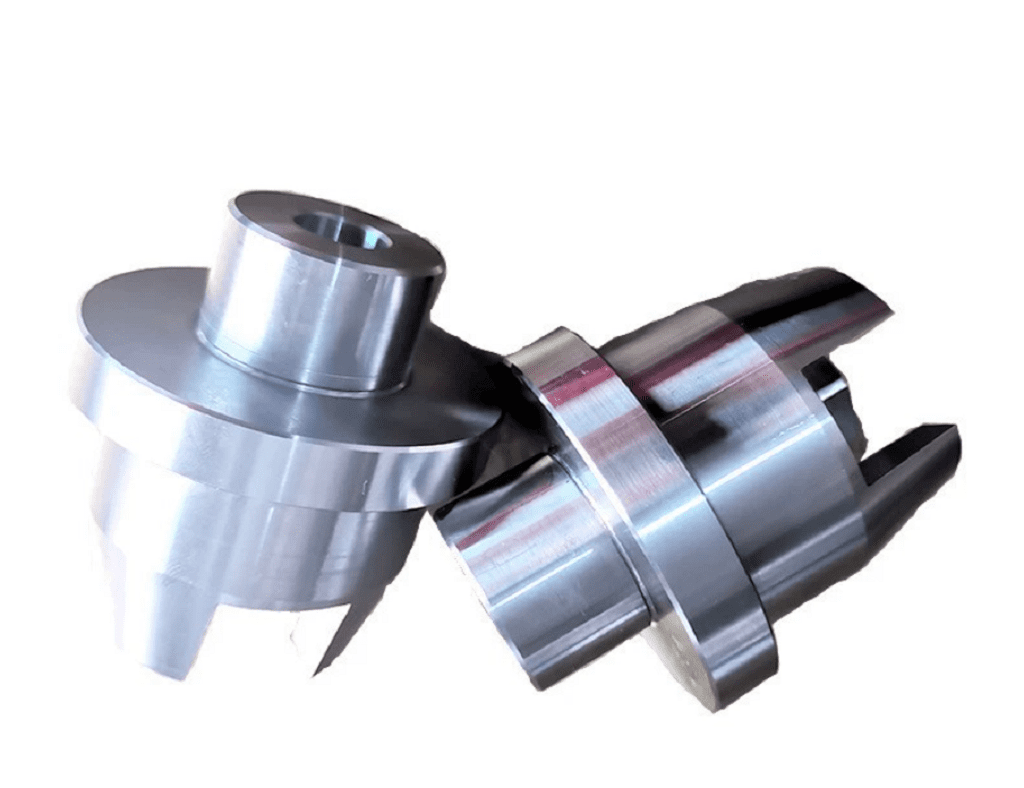
Choosing the right steel is about matching the material to the job. I often guide clients through this decision by asking about their application's specific requirements. There isn't a one-size-fits-all answer. The goal is to find the material with the right properties at the best possible price.
Common Steels for Machining
Here's a quick look at a few popular steels and where they shine. We work with all of these materials and can help you decide.
| Steel Grade | Best For | Key Feature |
|---|---|---|
| A36 Steel | Structural parts, frames, brackets, base plates | Excellent value, great weldability, good strength |
| 1018 Steel | General purpose parts, pins, rods, shafts | Excellent machinability, good for case hardening |
| 4140 Steel | Gears, bolts, crankshafts, high-stress parts | High toughness, strength, and wear resistance |
| 304 SS | Food-grade, medical, and corrosive environments | Excellent corrosion resistance, good formability |
Making the Right Choice
For a hardware startup client making a new type of gym equipment, cost was a major factor. They needed strong frames but did not require the high performance of an alloy steel like 4140. We recommended A36 steel. It provided the necessary strength and was very easy to weld, which was a key part of their assembly process. This choice saved them a significant amount on their material costs, helping them launch their product within budget. The "best" steel for them was the one that met all their functional needs without unnecessary expense.
What makes A36 steel so popular?
You see A36 steel specified everywhere. But if you don't understand why, you might be overlooking it for your own projects or choosing it for the wrong reasons.
A36 steel is popular because it offers a fantastic combination of good strength, great weldability, and low cost. Its reliability and versatility make it a "go-to" material for countless construction and industrial applications.
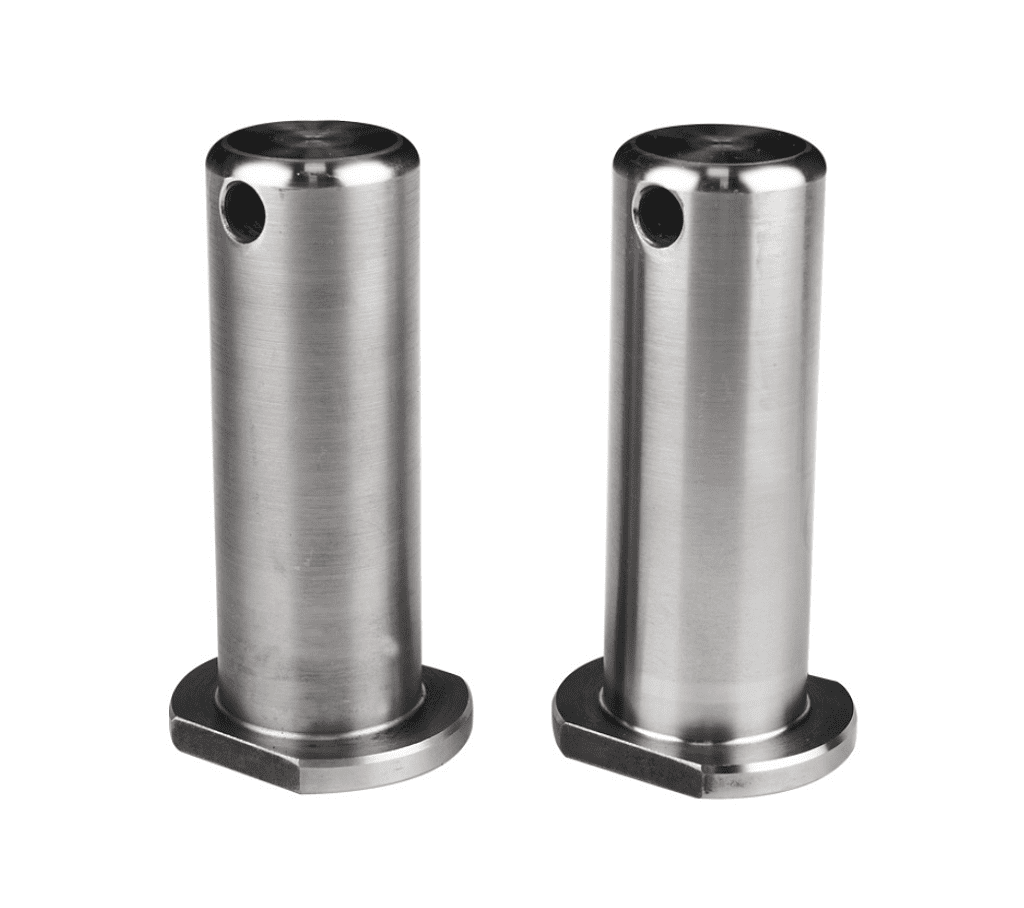
The popularity of A36 steel comes down to three simple factors: it works well, it's easy to work with, and it's affordable. I have machined thousands of parts from A36 for customers in industries from aerospace to consumer products. Its reliable performance and predictable behavior make it a favorite for both engineers and machinists. This balance is what drives its widespread use across the globe.
Breaking Down the Benefits
Let's look at the core reasons why so many designers and procurement managers, like Mark in Canada, choose A36.
- Cost-Effectiveness: A36 is one of the most affordable steel grades available. For projects where high strength or special properties are not required, it delivers solid performance without a high price tag. This is perfect for high-volume production or large structural projects.
- Excellent Weldability: The low carbon content (under 0.26%) makes A36 very easy to weld using any standard method. This is a huge advantage for creating complex fabrications and assemblies. The welds are strong and reliable, which is critical for structural integrity.
- Good Strength and Ductility: A36 has a minimum yield strength of 36,000 psi (250 MPa). This is more than enough for a wide range of structural applications. It is also ductile, meaning it can bend without breaking, which is an important safety feature.
Is A36 machinable?
Wondering if A36 is a good choice for your machined parts? Choosing a material that is difficult to machine can drive up costs and lead to poor surface finishes.
Yes, A36 steel is highly machinable. Its softness and low carbon content allow for easy cutting, drilling, and milling. It produces predictable results and allows for good machining speeds, making it efficient for production.
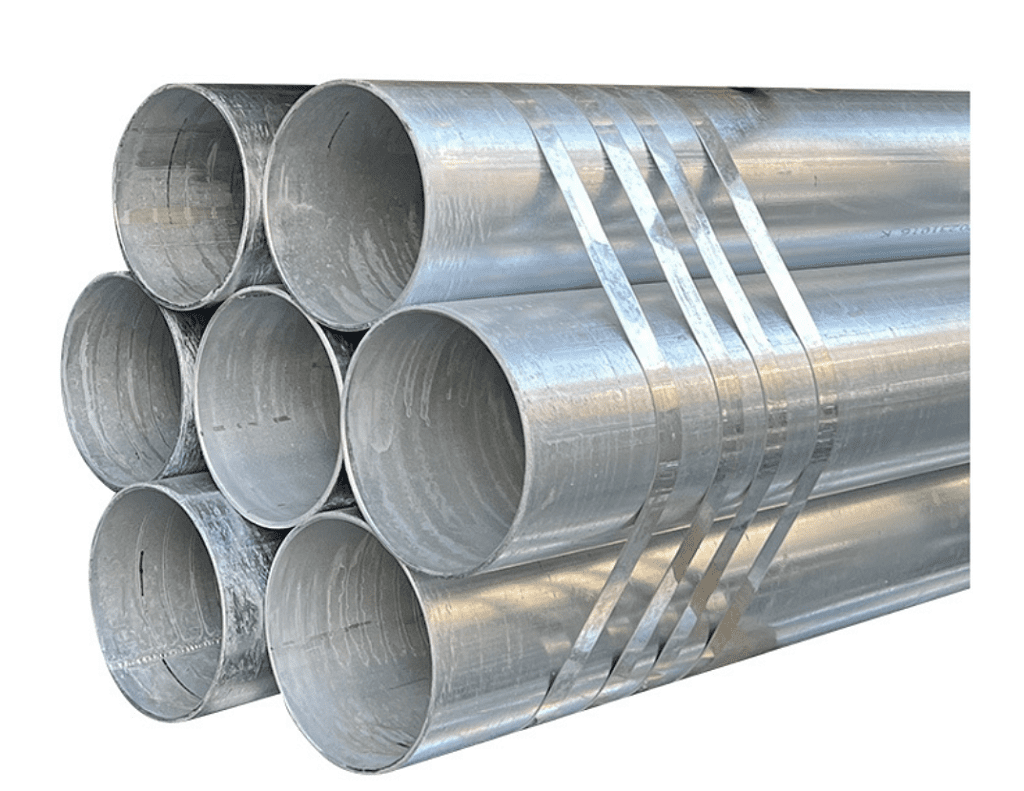
Machinability is a critical factor in any CNC project because it directly impacts both time and cost. I can tell you from our experience at Worthy Hardware that A36 is a very friendly material to work with in the shop. Our machinists appreciate it because it doesn’t cause excessive tool wear, and we can achieve good surface finishes without special effort. This efficiency allows us to offer competitive pricing and fast lead times for A36 parts.
Factors Affecting Machinability
While A36 is generally easy to machine, certain factors can influence the outcome.
- Softness: A36 is a relatively soft steel. This makes it easy to cut, but it can sometimes lead to a "gummy" chip that doesn't break cleanly. To manage this, we adjust our cutting speeds and feeds and use sharp tooling to ensure a clean cut and a good surface finish. The standard finish we provide is 125 Ra or better.
- Tooling: Standard high-speed steel (HSS) or carbide tools work perfectly well with A36. There's no need for expensive, specialized tooling, which helps keep production costs down for our customers.
- Coolant: Using a proper coolant is important. It helps clear chips, reduces heat buildup at the cutting edge, and improves the overall surface finish of the part. This is standard practice in our shop for all materials.
Conclusion
In summary, A36 carbon steel provides a great mix of strength, weldability, machinability, and low cost. It is a very versatile choice for many CNC machining projects.