
How Does 420 Stainless Steel Compare To 410 For Precision Parts?
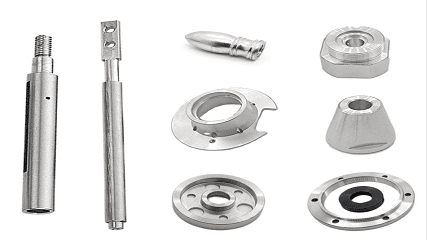
Choosing the wrong steel can ruin your project. You need the right properties. Understanding the difference between 410 and 420 stainless steel is the key to getting it right.
420 stainless steel offers higher hardness, strength, and better corrosion resistance than 410. This is because it has a higher carbon content. For precision parts, this means 420 is better for applications needing wear resistance, while 410 is a more general-purpose, cost-effective choice.
I often get questions from customers like Mark in Canada about material selection. He needs quality parts at a good price, and the right material is a big part of that. A small difference in a number, like 410 versus 420, can make a huge difference in how the final part performs. Let's break down these two common materials so you can see why one might be perfect for your project and the other might not be. Making the right choice from the start saves time and money.
What is the difference between 410 and 420 stainless steel?
It's easy to get confused by stainless steel grades. The numbers seem so similar. But choosing the wrong one can cause part failure. Understanding the core difference is simple.
The main difference is the carbon content. 420 stainless steel has more carbon than 410. Because of this, heat-treated 420 is much harder and stronger, but 410 is a bit more ductile. This simple chemical difference creates two very distinct materials for different jobs.
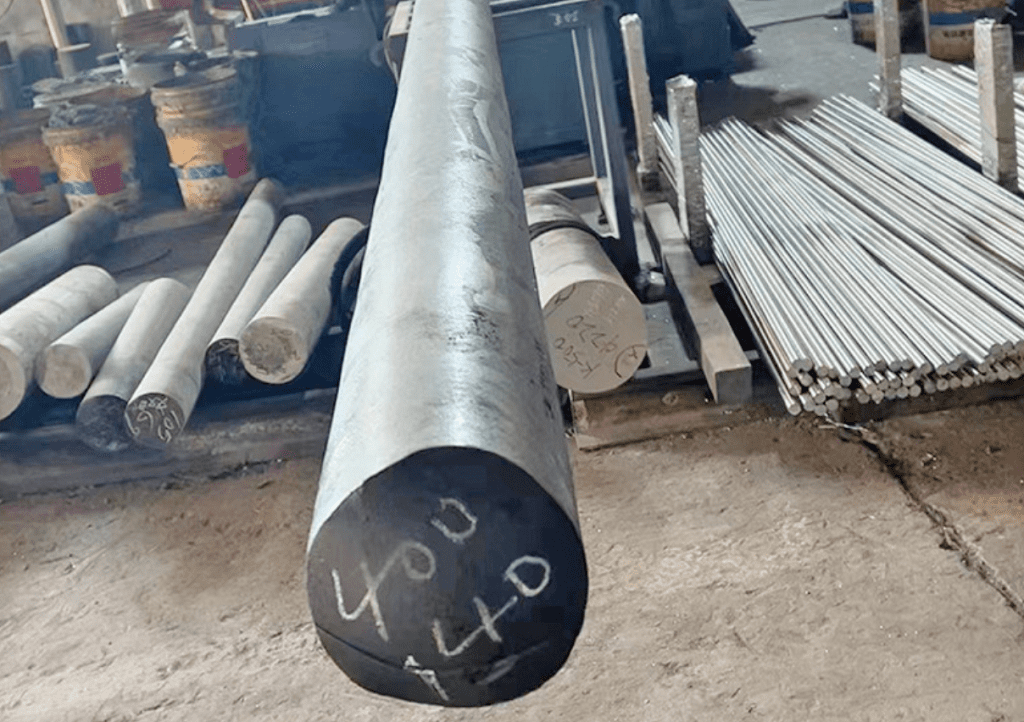
Both 410 and 420 are part of the martensitic stainless steel family. This means they can be hardened through heat treatment, unlike the more common 304 or 316 grades. The key to their difference lies in one element: carbon. I always explain to my clients that you should think of carbon as the key ingredient for hardness. 420 stainless steel has a higher carbon content (typically 0.15% minimum) compared to 410 (typically 0.08% to 0.15%). After heat treatment, this extra carbon allows 420 to reach a much higher hardness level. This makes it more resistant to wear and abrasion. On the other hand, 410, with its lower carbon content, doesn't get quite as hard but retains more ductility, making it tougher and less brittle.
Here is a simple table to show the main differences:
| Property | 410 Stainless Steel | 420 Stainless Steel |
|---|---|---|
| Carbon Content | Lower (0.08% - 0.15%) | Higher ( > 0.15%) |
| Hardness | Good | Excellent (after heat treatment) |
| Corrosion Resistance | Fair | Good (better than 410) |
| Cost | Generally Lower | Generally Higher |
| Common Use | Bolts, pump parts, turbine blades | Cutlery, surgical tools, needle valves |
What is 420 stainless steel good for?
Do you need a part that is very hard and holds up to wear? Finding the right steel can be tough. 420 stainless steel is perfect for specific, demanding jobs.
420 stainless steel is great for parts that need high hardness and good corrosion resistance. Think of things like knives, surgical instruments, needle valves, and shear blades. Its ability to be hardened and hold a sharp edge makes it extremely useful in these applications.
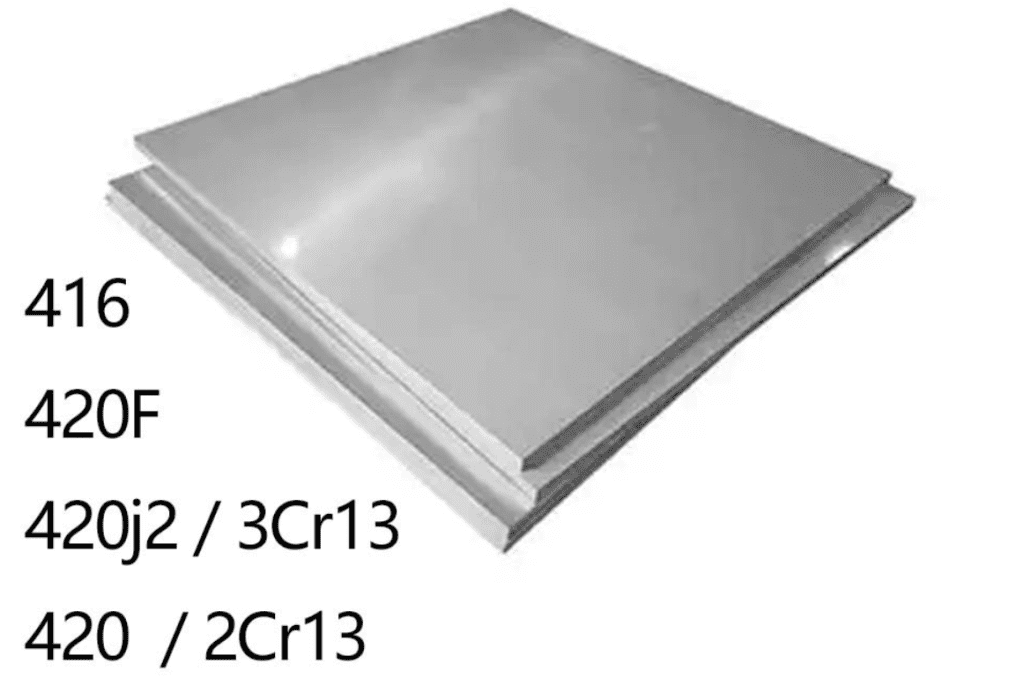
The best feature of 420 stainless steel is its hardenability. At Worthy, we often machine parts from 420 and then send them for heat treatment to bring out this property. This process makes the material extremely hard and wear-resistant. I remember a project for a medical device company. They needed small, custom surgical cutters. The parts had to be very sharp, stay sharp after many uses, and be easily sterilized. 420 stainless steel was the perfect choice. Its high hardness after treatment meant it could hold a fine, sharp edge, and its good corrosion resistance was essential for medical use. We couldn't have achieved that performance with 410. Beyond medical tools, 420 is also used for plastic injection molds and dies, where high hardness is needed to withstand the pressure and wear of shaping other materials over and over again.
Will a magnet stick to 410 stainless steel?
Are you worried about magnetic properties in your parts? This can be a critical design factor. The answer for 410 stainless steel is straightforward and very important to know.
Yes, a magnet will definitely stick to 410 stainless steel. As a martensitic stainless steel, it is ferromagnetic in all conditions, both annealed (soft) and hardened. This property separates it from many common austenitic stainless steels like 304 or 316, which are non-magnetic.
This magnetic property is due to its crystal structure. I've had clients, especially in the electronics and sensor industries, where this is a make-or-break detail. A client once needed a bracket for an industrial sensor. They assumed all stainless steel was non-magnetic like the 304 grade they usually used. They sent us a design and we quoted for 410 because it met their strength and cost needs. I made sure to ask if magnetism was a factor. It turned out the magnetic field would interfere with the sensor. We caught this potential problem early and switched the material to 316 stainless steel. It’s a simple detail, but overlooking it can lead to complete failure of the final product. So, if your design needs to be non-magnetic, you must avoid 410, 420, and other martensitic or ferritic stainless steels.
Does 420 stainless steel hold an edge?
If your part needs a sharp edge, you need to know if it will last. A dull edge can make a tool useless. You need a material that stays sharp.
Yes, 420 stainless steel is excellent at holding an edge, which is one of its most famous qualities. After it is properly heat-treated, its high carbon content allows it to achieve high hardness. This hardness directly translates into superior edge retention and wear resistance.
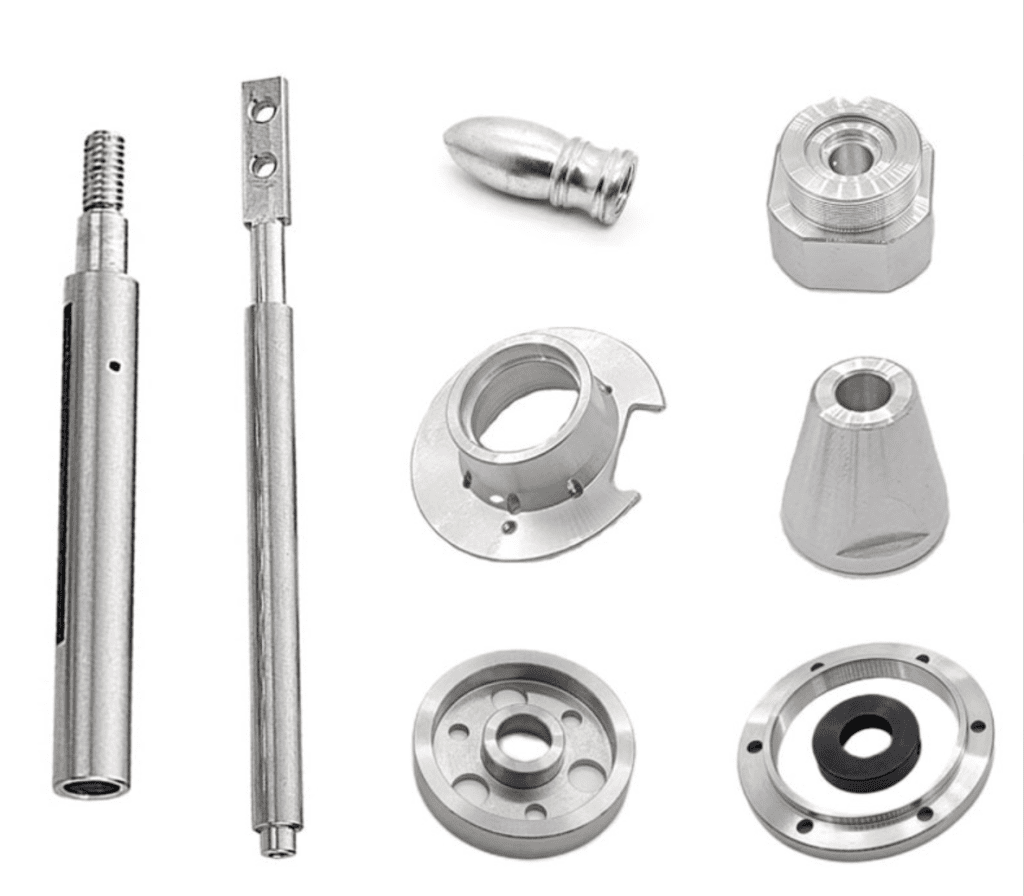
This is exactly why 420 is the go-to material for the cutlery industry, from affordable kitchen knives to pocket knives. When we get a drawing for a part that has a sharp point or a cutting edge, 420 stainless is often one of the first materials we consider. The high hardness, often reaching 50 HRC or higher, means the material resists deforming or dulling when it cuts or contacts other surfaces. In contrast, while 410 can be sharpened, its lower potential hardness means it will dull much faster under the same conditions. For any precision component that functions as a blade, cutter, or shear, the ability of 420 stainless steel to hold a durable edge makes it a much better choice than 410. This ensures a longer service life and more reliable performance for the part.
Conclusion
In short, 420 stainless steel is harder, stronger, and more corrosion-resistant than 410 due to more carbon. Choose 420 for wear resistance and 410 for general use.