
HDPE vs. Delrin: Which Plastic is Right for Your CNC Parts?
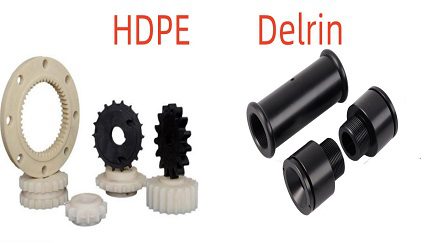
Struggling to pick the right plastic for your project? Choosing incorrectly can lead to part failure and wasted budget. Understanding HDPE versus Delrin is the key to getting it right.
For cost-effective, low-stress applications where chemical resistance is key, choose HDPE. For parts needing high strength, excellent machinability for tight tolerances, and long-term dimensional stability, Delrin (Acetal) is the superior, though more expensive, choice. The final application always determines the best material.
Choosing between materials is a constant conversation I have with my clients. People often see two white plastics and assume they are similar, but their performance couldn't be more different. I always start by asking, "What will this part actually do?" The answer to that question quickly tells us which path to take. To help you make a confident decision for your next project, let's look closer at the details of both HDPEand Delrin.
What Exactly is HDPE Plastic?
HDPE stands for High-Density Polyethylene. It's a very common thermoplastic known for its great strength-to-density ratio. Think of milk jugs, cutting boards, and chemical tanks. It's tough, lightweight, and very resistant to many chemicals, which makes it incredibly versatile for a lot of applications.
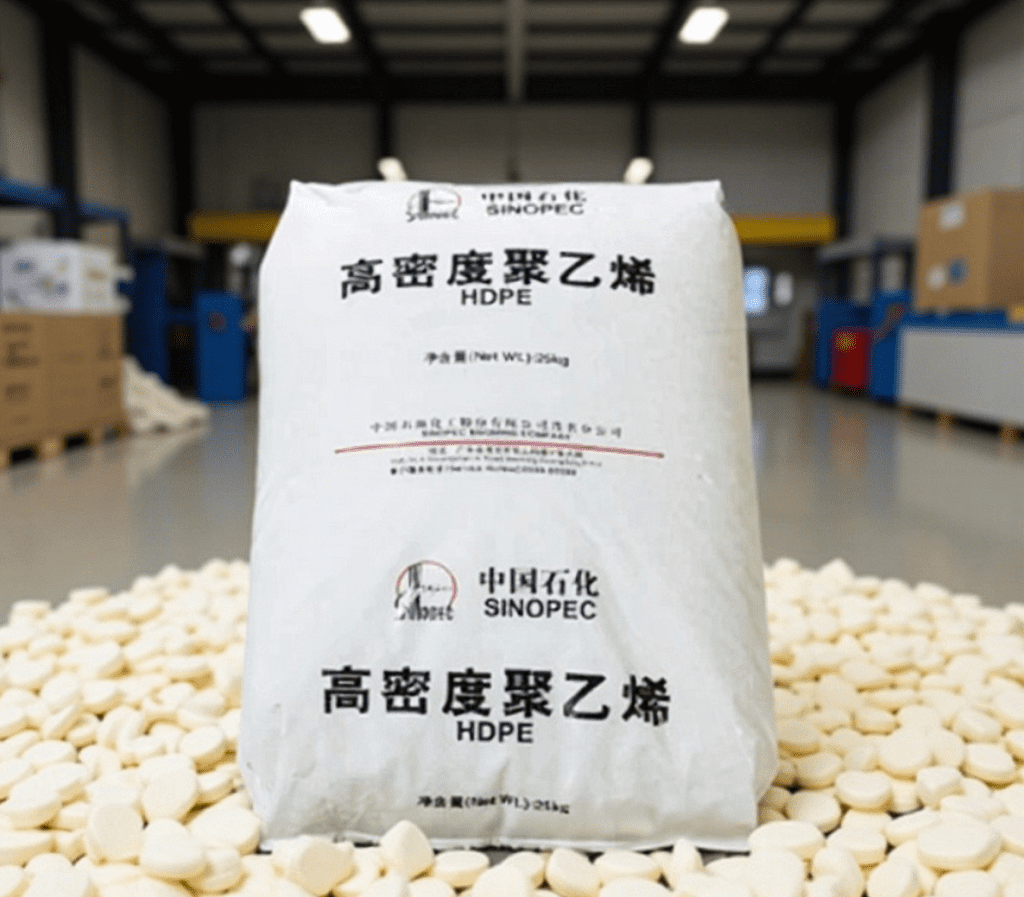
HDPE is part of the polyethylene family, one of the most widely used plastics in the world. Its high density gives it more rigidity and hardness compared to its low-density (LDPE) cousin. At my shop, we see it used for parts that don't need to bear heavy loads but must resist moisture and corrosive substances. It's also FDA compliant, which makes it a safe choice for food-grade applications like kitchen equipment or components in food processing machinery. Its low cost makes it a go-to option for prototypes and high-volume production runs where budget is a primary concern.
However, its properties also have limits. It is not very strong under tension and can be difficult to machine to very tight tolerances because it can be a bit "gummy" and flexible. It's an excellent material, but you have to use it for the right job.
And What is Delrin, or Acetal?
Delrin is a brand name for a type of acetal homopolymer, also known as POM. It’s an engineered thermoplastic created for high-performance applications. It is strong, stiff, and holds its shape exceptionally well over time, even under stress or in changing temperatures.
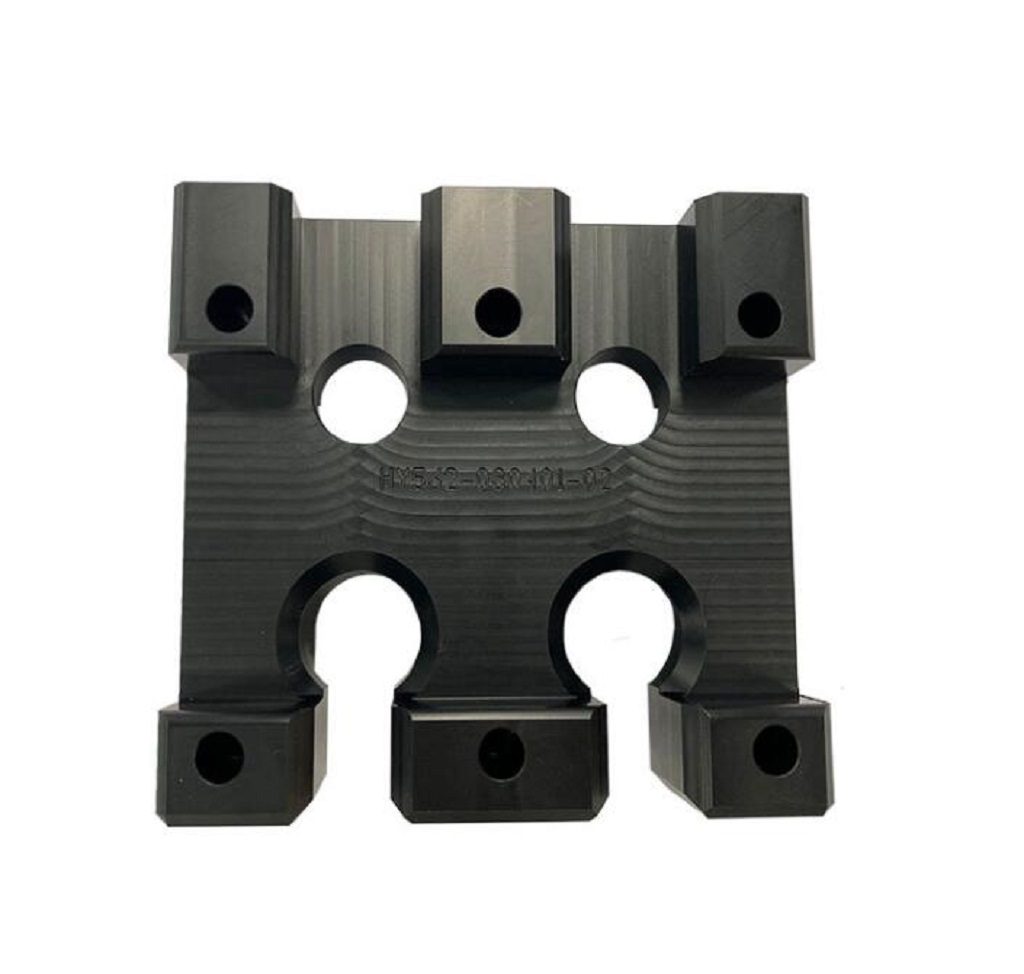
When a client brings me a design for a part that needs to act like metal but be lighter, I often recommend Delrin. It's known for its low friction and excellent wear resistance, so it’s perfect for gears, bearings, bushings, and other moving components. Unlike HDPE, Delrin is incredibly easy to machine. We can achieve very fine details and tight tolerances, which is why I recommend it for any part that requires precision, like those with threaded holes or complex mating surfaces.
Its stiffness and strength mean it won't easily deform under load. This dimensional stability is critical for parts that need to function reliably for a long time without failing. It does cost more than HDPE, but for demanding applications, the extra cost is a wise investment in performance and longevity.
How Do Their Mechanical Properties Compare?
Delrin is significantly stronger, stiffer, and harder than HDPE. This makes it the clear winner for any mechanical or load-bearing application where the part must resist bending, pulling, or surface pressure without deforming or failing. HDPE is much more flexible.
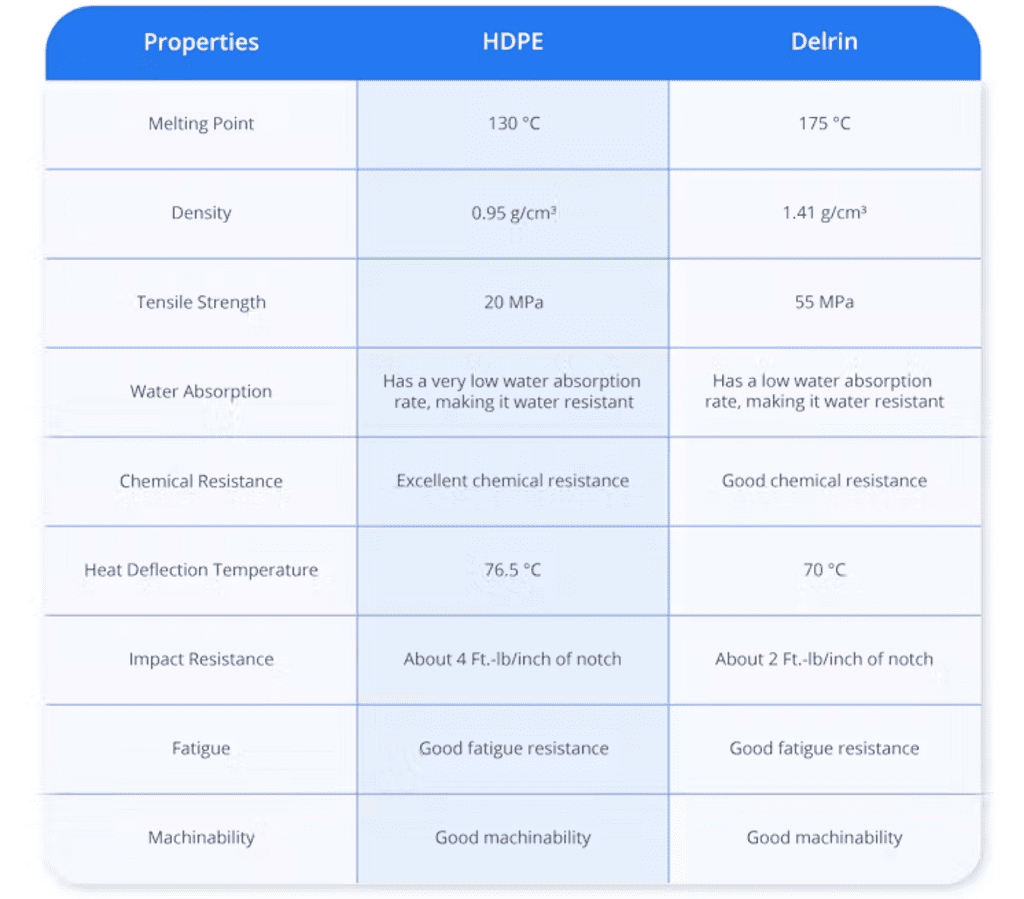
Think of it this way: if you need a part to act as a gear, a structural bracket, or a high-pressure fitting, Delrin's high tensile strength and rigidity are essential. It behaves much more like a soft metal. When we machine Delrin, it holds its shape perfectly, allowing for precision features. In contrast, HDPE has high impact resistance, meaning it can absorb shocks well without cracking, but it will bend or stretch under a constant load. This flexibility is useful for things like living hinges or containers, but not for precision mechanical parts.
So, when a customer asks me which one to use, I go back to my main question: "What is this part's job?" If it needs to support weight or transfer force, the budget must make room for Delrin. If it's a cover, a spacer, or a chemical tank, HDPE is a fantastic and cost-effective choice.
Which Material Costs Less: HDPE or Delrin?
HDPE is significantly cheaper than Delrin. If your project's primary driver is keeping material costs low, HDPE is almost always the more budget-friendly option. This cost difference applies to both the raw material and sometimes the final part price.
The price difference comes from how each plastic is made and its performance level. HDPE is a commodity plastic, produced in huge volumes for countless everyday products. Its manufacturing process is very efficient. Delrin, on the other hand, is a high-performance engineering thermoplastic. Its complex chemical structure provides superior mechanical properties, and that advanced engineering comes at a higher price point. When I quote projects for my clients, the material cost is a big part of the final price. A part made from HDPE can be half the price, or even less, than the exact same part made from Delrin.
However, price shouldn't be the only factor. If an inexpensive HDPE part fails in a high-stress application, the cost of replacement, downtime, and potential damage to other components will be much higher than the initial savings. It's about choosing the most cost-effective material for the application's entire lifespan, not just the cheapest one upfront.
How Do HDPE and Delrin Compare in Machinability?
Delrin has excellent machinability, while HDPE can be challenging. Delrin cuts cleanly, produces predictable chips, and allows us to hold very tight tolerances easily. HDPE tends to be soft and 'gummy', producing stringy chips that can wrap around tooling.
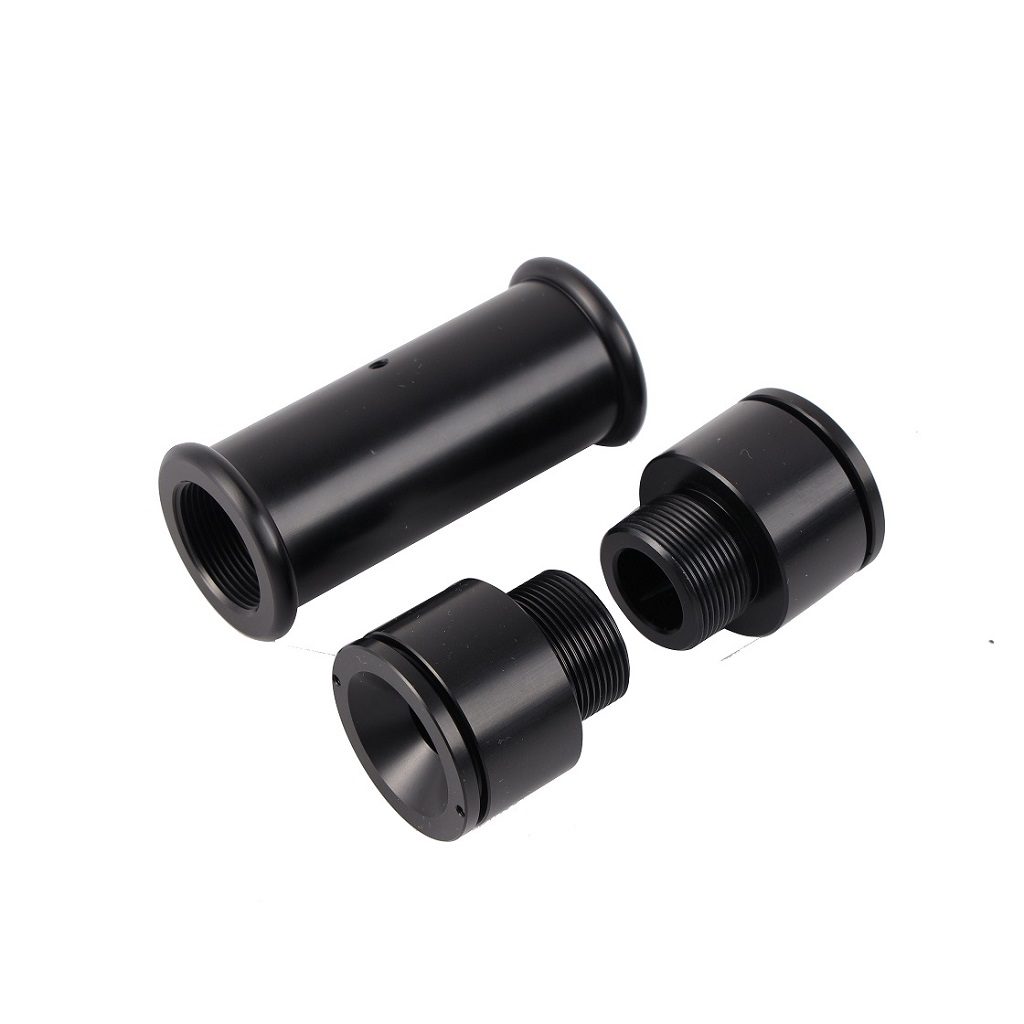
From a machinist's perspective, working with Delrin is a pleasure. It feels very stable and predictable under the cutting tool. This is why I always tell my clients that if their design has fine threads, sharp corners, or tolerances under +/- 0.1mm, Delrin is the safer bet. Its stiffness prevents it from deflecting away from the cutter, ensuring the final part matches the CAD model perfectly. This predictable behavior also leads to beautiful, smooth surface finishes right off the machine.
Machining HDPE requires a different approach. We have to use very sharp tools and adjust our cutting speeds and feeds to prevent the material from melting or building up on the tool. Because it's more flexible, holding tight tolerances is harder. It's not impossible, but it requires more care and expertise. For parts with simple geometries and more generous tolerances, HDPE machines just fine. But for precision, Delrin's superior machinability makes it the clear winner and often justifies its higher cost.
What Are Their Temperature Resistance Differences?
Delrin has a higher continuous service temperature than HDPE. Delrin can operate comfortably up to around 90°C (194°F), while HDPE starts to lose its structural integrity at around 65°C (150°F), although it remains stable at very low temperatures.
This is a critical factor for parts that will be used in engines, electronic enclosures, or any environment where heat is generated. Delrin's ability to remain stiff and stable at higher temperatures is one of its key engineering advantages. A part made from Delrin will maintain its dimensions and strength, ensuring reliable performance. If you were to use an HDPE part in the same environment, it would likely soften, deform, and fail under load.
On the other end of the spectrum, HDPE performs very well in cold conditions. It retains its impact strength and doesn't become brittle even at temperatures far below freezing, which is why it's used for things like snowboards or outdoor containers. Delrin can become more brittle at very low temperatures. So, for a sub-zero application that needs to withstand impacts, HDPE might actually be the better choice. It all depends on the specific temperature range and loads the part will experience.
Which Material Has Better Chemical Resistance?
HDPE generally has broader chemical resistance than Delrin, especially against strong acids and bases. HDPE is famous for its inability to be affected by a wide range of chemicals, which is why it's used for chemical drums and tank liners.
At our facility, when a customer from an industrial or chemical processing industry needs a part, HDPE is often the first material we discuss. It is resistant to many solvents, acids, and caustic solutions that would damage other materials. Delrin's chemical resistance is good, particularly against solvents, fuels, and oils, which is why it's common in automotive applications. However, it can be degraded by strong acids and bases, like chlorine.
This is a situation where you must know the exact environmental conditions. If a part will be frequently exposed to harsh cleaning agents or industrial chemicals, checking a chemical compatibility chart is essential. While Delrin is a mechanical powerhouse, HDPE is the king of chemical inertness. A simple mistake here could cause a part to dissolve or crack over time, leading to a critical failure in the system.
Which Industries Prefer HDPE vs. Delrin?
HDPE is favored in the food processing, chemical storage, and marine industries due to its chemical resistance and moisture rejection. Delrin is dominant in automotive, industrial machinery, and consumer electronics for its mechanical strength, precision, and low-friction properties.
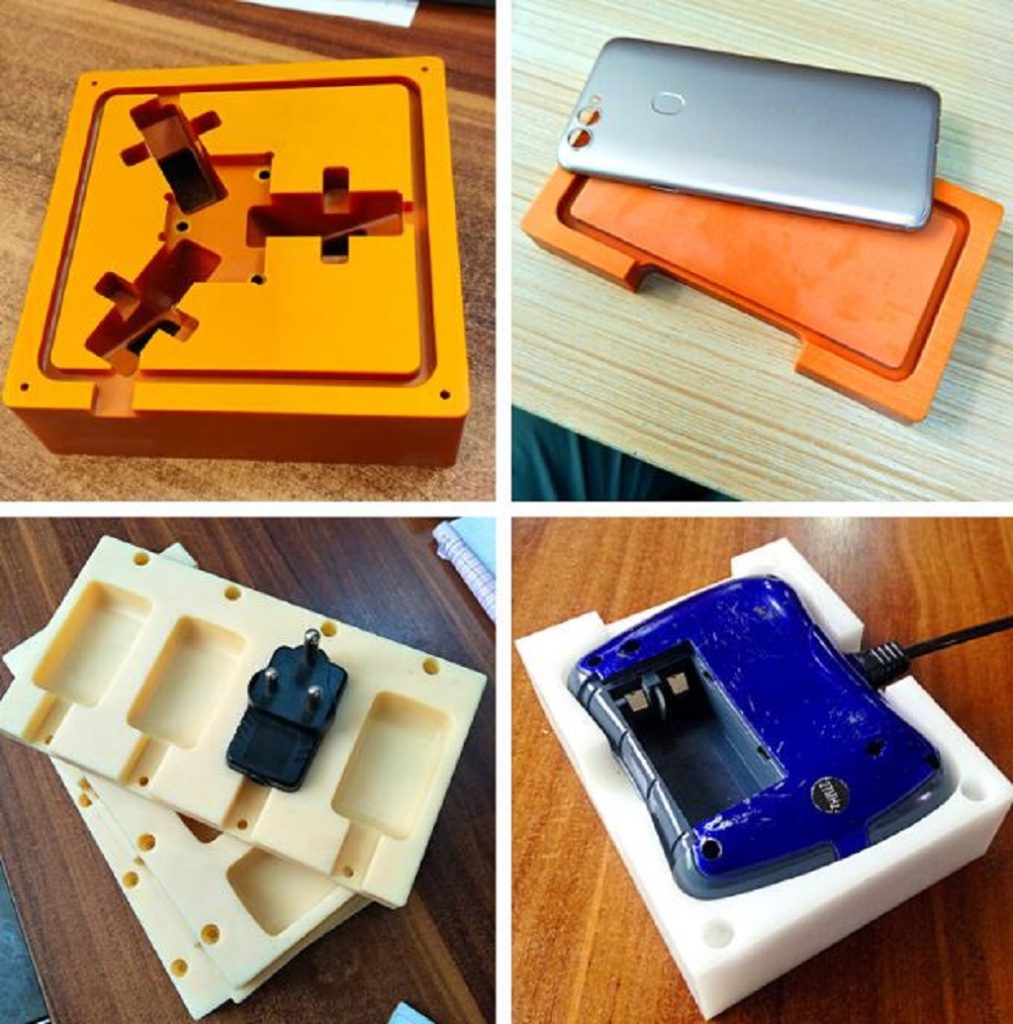
When I get an order from an automotive engineer for a fuel system component or a robotics company for a small gear, Delrin is almost always the specified material. These industries need reliability, precision, and parts that can withstand repeated motion and stress. Delrin's properties are a perfect match for creating durable, high-performance mechanical parts like bearings, cams, and electrical connectors. We machine thousands of such parts every year.
Conversely, clients in the food and beverage industry often request HDPE for parts like cutting boards, food molds, or guides on conveyor systems. Its FDA compliance, resistance to cleaning chemicals, and the fact that it doesn't absorb moisture make it ideal. We also see it in marine applications because it doesn't rot or corrode in saltwater. It's a clear example of how the application's environment dictates the best material choice.
What Are the Differences in Wear Resistance?
Delrin has far superior wear resistance and a much lower coefficient of friction than HDPE. This makes Delrin the ideal material for parts that slide, rotate, or rub against other surfaces, such as gears, bearings, and bushings.
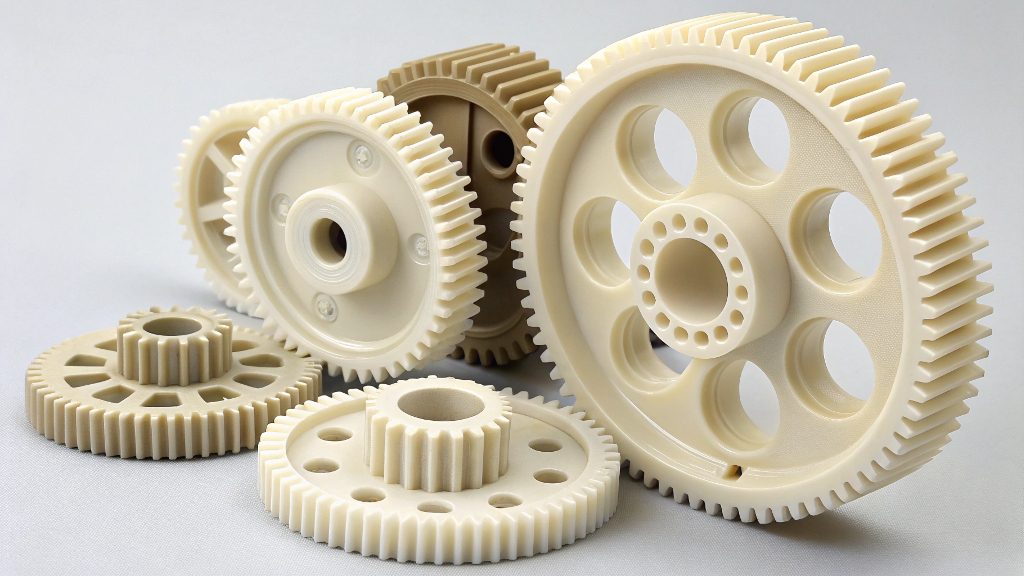
When I talk to clients about parts that need to move, I always highlight Delrin's natural lubricity. It's so slippery that it can often be used without any external lubricants like grease or oil. This is a huge advantage for creating clean, low-maintenance mechanical assemblies, especially in consumer products or medical devices. Its hard, smooth surface resists abrasion very well, so parts made from Delrin last a very long time even with constant motion.
HDPE, while tough, is much softer. If you rub an HDPE part against another surface, especially a rough one, it will wear down much more quickly. It doesn't have that self-lubricating property. So while HDPE is great for static applications or those with very low-speed, low-load contact, it is not suitable for dynamic, high-wear components. For any part that needs to slide or spin, investing in Delrin is investing in durability and a longer service life.
Which Material Offers Better Dimensional Stability?
Delrin offers far better dimensional stability than HDPE. It resists changes in size and shape due to temperature fluctuations, humidity, and mechanical stress. This stability is crucial for creating high-precision parts that must fit and function together perfectly.
This is one of the most important points I make to my clients, especially those like Mark who are sensitive to quality. Dimensional stability means that the part we machine for you today will have the same dimensions a year from now, even after being used. Delrin has very low moisture absorption, so it won't swell in humid environments. It also has a low coefficient of thermal expansion, so it doesn't grow or shrink much with temperature changes. This is why we can confidently machine Delrin to very tight tolerances.
HDPE, on the other hand, is more susceptible to thermal expansion. It will change size more significantly as it gets hotter or colder. It is also more prone to "creep," which is when a material slowly deforms over time under a constant load. For a non-critical spacer or cover, this might not matter. But for a precision housing or a bearing block, this lack of stability would cause the entire assembly to fail.
What Are the Key Considerations When Choosing Between HDPE and Delrin?
The most important considerations are the part's function, mechanical load, operating environment, and budget. Ask yourself: Does it need strength and stiffness, or is cost the top priority? Will it be exposed to chemicals or high temperatures?
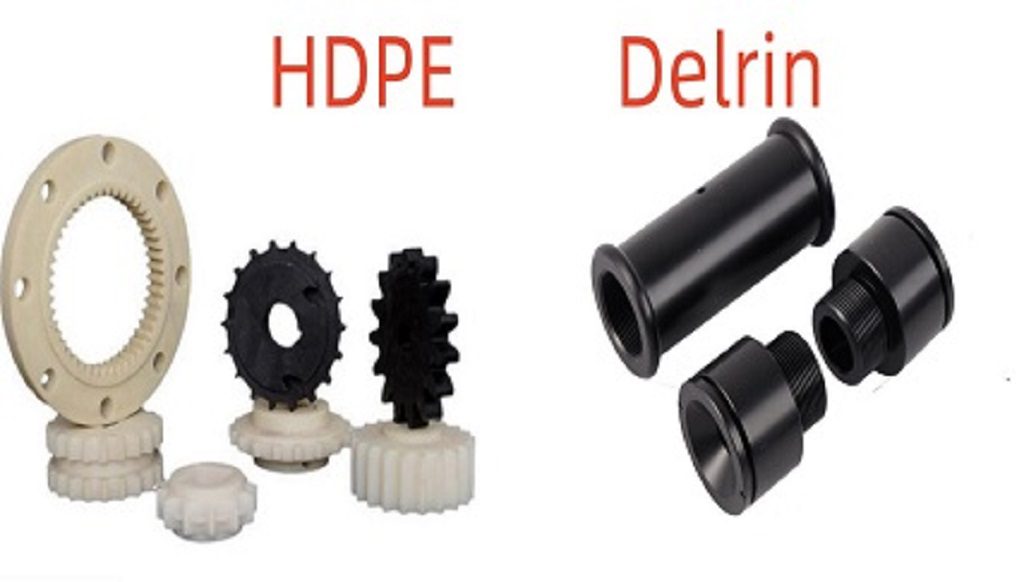
This brings us back to my very first question: What does the part do? If you need a low-cost, chemically resistant part for a static, low-load application, HDPE is your best choice. It’s perfect for prototypes, covers, tanks, and guides. However, if the part is a functional mechanical component—like a gear, bushing, or structural insulator—then Delrin is the right material. It needs to be strong, stable, and precise.
As a manufacturer, I want to deliver parts that succeed. Choosing Delrin for a demanding job is worth the extra budget because its superior machinability allows us to achieve the precision you need, and its stability ensures long-term performance. Cheaping out with HDPE on a high-stress part will only lead to failure and higher costs down the road. The best choice is always the one that fits the application perfectly.
How Do Their Surface Finish Options Differ?
Delrin can achieve a much smoother, more polished surface finish directly from machining compared to HDPE. Because Delrin is hard and cuts very cleanly, we can produce a part that looks and feels almost like polished stone, with a very attractive satin or glossy look.
When appearance matters, Delrin has a clear advantage. We can use specific tooling and cutting strategies to create a beautiful, high-quality finish right on the CNC machine. This is great for visible components in consumer electronics or high-end equipment. Post-processing options like vapor polishing can make Delrin parts even glossier. Both black and white Delrin provide a very clean and professional appearance.
HDPE's surface finish is more functional than aesthetic. Because it is a softer material, it's harder to get a perfectly smooth, glossy finish. A standard machined finish for HDPE is clean and matte, but it won't have the same premium feel as Delrin. It can also be more prone to showing scratches. For most typical HDPE applications, like industrial liners or cutting boards, this matte finish is perfectly acceptable. But if you need a part with a high-end cosmetic appearance, Delrin is the far better option.
Conclusion
In short, choose HDPE for low-cost, general-purpose parts where chemical resistance is key. Select Delrin for high-performance applications that demand strength, precision, and long-term stability. Your application dictates the best choice.