
Detailed Aluminum and aluminum alloys Grades,Properties and Applications in CNC Machining
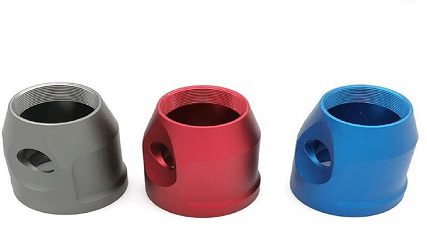
Ever had a project stall due to a simple misunderstanding over aluminum grades? Specifying an alloy like 'LD30' in your design might cause confusion with a supplier who knows it as '6061'. At Worthy Hardware, we know that these small discrepancies can lead to costly delays and material errors. To ensure seamless communication and absolute precision in your CNC machining projects, we've created this essential guide to bridge the gap between old and new aluminum grade standards.
I. Comparison of new and old grades of aluminum and aluminum alloy
Table 3-4-11 Comparison of new and old grades of aluminum and aluminum alloys
| New brand | Old license plate | =New brand | Old license plate = | =New brand | Old license plate = | =New brand | Old license plate |
|---|---|---|---|---|---|---|---|
| 1A99 | Former LG5 | 2A20 | Used LY20 | 4043A | 6B02 | Original LD2-1 | |
| 1A97 | Original LC4 | 2A21 | Used 214 | 4047 | 6A51 | Used 651 | |
| 1A95 | 2A25 | Used 225 | 4047A | 6101 |
| 1A93 | Former LG3 | 2A49 | Used 149 | 5A01 | Used 2101, LF15 | 6101A | |
| 1A90 | Original LG2 | 2A50 | Original LD5 | 5A02 | Original LF2 | 6005 | |
| 1A85 | Original LG1 | 2B50 | Original LD6 | 5A03 | Original LF3 | 6005A | |
| 1080 | 2A70 | Original LD7 | 5A05 | Original LF5 | 6351 | ||
| 1080A | 2B70 | Used LD7-1 | 5B05 | Original LF10 | 6060 | ||
| 1070 | 2A80 | Original LD8 | 5A06 | Original LF6 | 6061 | Original LD30 | |
| 1070A | L1 generation | 2A90 | Original LD9 | 5B06 | Original LF14 | 6063 | Original LD31 |
| 1370 | 2004 | 5A12 | Original LF12 | 6063A | |||
| 1060 | L2 | 2011 | 5A13 | Original LF13 | 6070 | Original LD2-2 | |
| 1050 | 2014 | 5A30 | Used 2103, LF16 | 6181 | |||
| 1050A | L3 | 2014A | 5A33 | Original LF33 | 6082 | ||
| 1A50 | Original LB2 | 2214 | 5A41 | Original LT41 | 7A01 | Original LB1 | |
| 1350 | 2017 | 5A43 | Original LF43 | 7A03 | Original LC3 | ||
| 1145 | 2017A | 5A66 | Original LT66 | 7A04 | Original LC4 | ||
| 1035 | L4 generation | 2117 | 5005 | 7A05 | Used 705 | ||
| 1A30 | Original L4-1 | 2218 | 5019 | 7A09 | Original LC9 | ||
| 1100 | Original L5-1 | 2618 | 5050 | 7A10 | Original LC10 | ||
| 1200 | L5 generation | 2219 | Former LY19,147 | 5251 | 7A15 | Used LC15,157 | |
| 1235 | 2024 | 5052 | 7A19 | Used 919, LC19 | |||
| 2A01 | Original LY1 | 2124 | 5154 | 7A31 | Used 183-1 | ||
| 2A02 | Original LY2 | 3A21 | Original LF21 | 5154A | 7A33 | Used LB733 | |
| 2A04 | Original LY4 | 3003 | 5454 | 7A52 | Used LC52,5210 | ||
| 2A06 | Original LY6 | 3103 | 5554 | 7003 | Original LC12 |
| 2A10 | Original LY10 | 3004 | 5754 | 7005 | ||||||
| 2A11 | Original LY11 | 3005 | 5056 | Original LF5-1 | ||||||
| 7020 | ||||||||||
| 2B11 | Original LY8 | 3105 | 5356 | |||||||
| 7022 | ||||||||||
| 2A12 | Original LY12 | 4A01 | Original LT1 | 5456 | ||||||
| 7050 | ||||||||||
| 2B12 | Original LY9 | 4A11 | Original LD11 | 5082 | ||||||
| 7075 | ||||||||||
| 2A13 | Original LY13 | 4A13 | Original LT13 | 5182 | ||||||
| 7475 | ||||||||||
| 2A14 | Original LD10 | 4A17 | Original LT17 | 5083 | Original LF4 | |||||
| 8A06 | Original L6 | |||||||||
| 2A16 | Original LY16 | 4004 | 5183 | |||||||
| 2B16 | Former LY16-1 | 4032 | 5086 | 8011 | Used LT98 | |||||
| 2A17 | Original LY17 | 4043 | 6A20 | Original LD2 | ||||||
| 8090 |
1. The term 'original' refers to the chemical composition being equivalent to the new grade, and both comply with the requirements of the old grade specified in GB/T3190.
2. "Substitute" refers to an old grade that has a chemical composition similar to the new grade and complies with GB/T3190.
3. "Previously used" refers to grades that have been identified and used in industrial production, but are not included in GB/T3190.
II. What Are the Common Aluminum & Aluminum alloy Grade, Characteristics & Application?
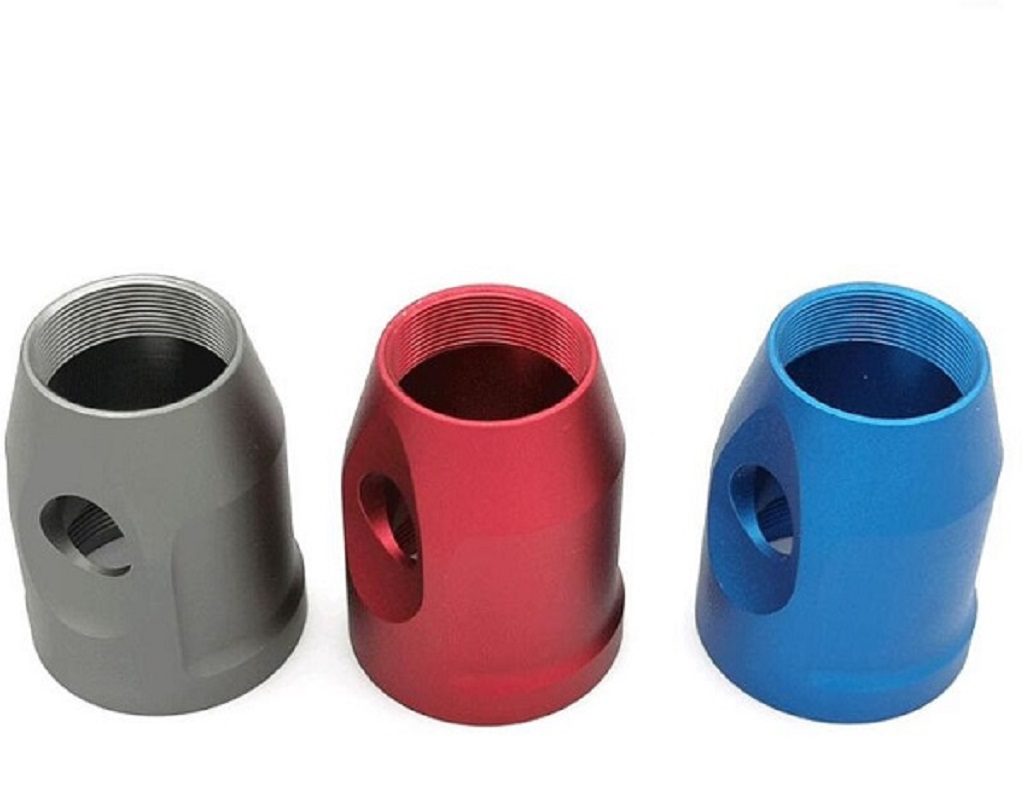
Now that you can navigate between old and new aluminum grades, the next crucial step is choosing the perfect alloy for your application. When does your project need the high plasticity of 1060 versus the superior strength of 7A04? Making the right material choice is as critical as the design itself. This guide breaks down common aluminum alloys, their unique properties, and their ideal applications to ensure your project's success.
Table 3-4-12 Common aluminum and aluminum alloy processed products grade and main characteristics and application examples
| the name of a shop | type of production | key property | |
| New brand | Old license plate | ||
| 10601050A | L2L3 | Plate, foil, tube, wire | This is a group of industrial pure aluminum, which have the following characteristics:It has high plasticity, corrosion resistance, electrical and thermal conductivity, but low strength, can not be strengthened by heat treatment, poor cutting performance; can be gas welded, atomic hydrogen welded and resistance welded, easy to withstand various pressure processing and extension, bending |
10358A06 | L4L6 | Bar, Sheet, Tube, Wire, and Profile | |
3A21 | LF21 | plate, foil,tube, bar, profile, wire | As an Al-Mn system alloy, it is the most widely used corrosion-resistant aluminum. This alloy has relatively low strength (slightly higher than industrial pure aluminum) and cannot be strengthened through heat treatment, so cold working methods are commonly employed to improve its mechanical properties. It exhibits high plasticity in the annealed state, good plasticity during semi-cold working hardening, and low plasticity during cold working hardening. The alloy demonstrates excellent corrosion resistance, good weldability, but poor machinability. |
5A02 | LF2 | plate, foil,pipe, rod,Type, Wire, Forged | Compared to 3A21, the Al-Mg series corrosion-resistant aluminum 5A02 exhibits higher strength, particularly superior fatigue strength. It demonstrates high plasticity and corrosion resistance, similar to 3A21. While heat treatment cannot enhance its properties, it shows good weldability through resistance welding and atomic hydrogen welding, though prone to crystalline cracking during TIG welding. The alloy maintains excellent machinability in cold-work hardened and semi-cold-work hardened states, but its machinability deteriorates under annealing conditions. Polishing is feasible. |
5A03 | LF3 | plates, bars, profiles, tubes | Al-Mg series corrosion-resistant aluminum alloys exhibit properties similar to 5A02, but with slightly higher magnesium content and a small amount of silicon addition, they demonstrate superior weldability. These alloys perform excellently in gas welding, TIG welding, spot welding, and roll welding, with no significant differences in other properties between the two alloys. |
| group | the name of a shop | type of production | key property | Example | |||||
| New brand | Old license plate | ||||||||
commercially pure aluminium | 10601050A | L2L3 | Plate, foil, tube, wire | This is a group of industrial pure aluminum, which have the following characteristics:It has high plasticity, corrosion resistance, electrical and thermal conductivity, but low strength, can not be strengthened by heat treatment, poor cutting performance; can be gas welded, atomic hydrogen welded and resistance welded, easy to withstand various pressure processing and extension, bending | Aluminum foil is used for structural components that do not bear loads but require specific properties such as high plasticity, good weldability, high corrosion resistance, or high electrical and thermal conductivity. Examples include aluminum foil for making gaskets and capacitors, while other semi-finished products are used to produce vacuum tube isolation covers, wire protective sleeves, cable and wire cores, and aircraft ventilation system parts. | ||||
10358A06 | L4L6 | Bar, Sheet, Tube, Wire, and Profile | |||||||
Rust-proof aluminum | 3A21 | LF21 | plate, foil,tube, bar, profile, wire | As an Al-Mn system alloy, it is the most widely used corrosion-resistant aluminum. This alloy has relatively low strength (slightly higher than industrial pure aluminum) and cannot be strengthened through heat treatment, so cold working methods are commonly employed to improve its mechanical properties. It exhibits high plasticity in the annealed state, good plasticity during semi-cold working hardening, and low plasticity during cold working hardening. The alloy demonstrates excellent corrosion resistance, good weldability, but poor machinability. | For parts requiring high plasticity and good weldability, such as oil tanks, gasoline or lubricating oil conduits, various liquid containers and other small load parts made by deep drawing, and wire is used as rivets | ||||
5A02 | LF2 | plate, foil,pipe, rod,Type, Wire, Forged | Compared to 3A21, the Al-Mg series corrosion-resistant aluminum 5A02 exhibits higher strength, particularly superior fatigue strength. It demonstrates high plasticity and corrosion resistance, similar to 3A21. While heat treatment cannot enhance its properties, it shows good weldability through resistance welding and atomic hydrogen welding, though prone to crystalline cracking during TIG welding. The alloy maintains excellent machinability in cold-work hardened and semi-cold-work hardened states, but its machinability deteriorates under annealing conditions. Polishing is feasible. | Used for welding containers and components that operate in liquid environments (such as oil tanks, gasoline and lubricant conduits) and other parts with medium loads, as well as interior trim components for vehicles and ships. Wire is used as welding rods and for making rivets. | |||||
5A03 | LF3 | plates, bars, profiles, tubes | Al-Mg series corrosion-resistant aluminum alloys exhibit properties similar to 5A02, but with slightly higher magnesium content and a small amount of silicon addition, they demonstrate superior weldability. These alloys perform excellently in gas welding, TIG welding, spot welding, and roll welding, with no significant differences in other properties between the two alloys. | Used for medium-strength welded parts, cold-stamped parts, and frames that operate in liquid environments. | |||||
Rust-proof aluminum | 5A05 | LF5 | Plate, bar, tube | This aluminum-magnesium alloy (5B05, with slightly higher magnesium content than 5A05) exhibits strength comparable to 5A03 but cannot be strengthened through heat treatment. It demonstrates high plasticity in annealed condition and moderate plasticity during semi-cold working hardening. The material shows good weldability for hydrogen atom welding, spot welding, gas welding, and TIG welding. While it offers excellent corrosion resistance, its machinability is poor in annealed state and improves during semi-cold working hardening. For rivet manufacturing, anodizing treatment is required. | 5A05 is used to manufacture welded parts, pipes, and containers for use in liquid environments, as well as other components.5B05 is used as structural rivets for aluminum alloy and magnesium alloy structures, which are riveted into the structure in an annealed state. | ||||
| 5B05 | LF10 | wire stock | |||||||
5A06 | LF6 | Sheet,bar,tube,Forged parts and moldsforging | As a rust-resistant aluminum-magnesium alloy, it exhibits high strength and corrosion resistance. The alloy maintains good plasticity during annealing and extrusion processes. Argon arc welding produces joints with adequate airtightness and plasticity, while spot welding and gas welding result in joint strength equivalent to 90% to 95% of the base material's strength. The material also demonstrates excellent machinability. | For welding containers, stressed parts, aircraft skins, and structural components | |||||
duralumin | 2A01 | LY1 | wire stock | This low-alloy, low-strength hard aluminum serves as the primary rivet material for aluminum alloy structures. The alloy features a low degree of α solid solution supersaturation and minimal non-dissolvable second phases, resulting in relatively low strength after quenching and natural aging. However, it exhibits excellent plasticity and good workability (high plasticity in hot state, satisfactory plasticity in cold state), with weldability comparable to 2A11. While possessing acceptable machinability, its corrosion resistance remains limited. Riveting operations are performed after quenching and aging, with no time constraints imposed by heat treatment requirements during the process. | This alloy is widely used as a rivet material for structural rivets with medium strength and operating temperatures not exceeding 100℃. Due to its low corrosion resistance, the rivets should undergo anodic oxidation treatment in sulfuric acid before being riveted into structures, followed by filling the oxide film with potassium dichromate. | ||||
duralumin | 2A02 | LY2 | Bar, strip, stamped blade | This is a high-strength alloy of hard aluminum, characterized by high strength at room temperature and excellent thermal strength, making it a heat-resistant hard aluminum. The alloy exhibits high plasticity during hot deformation and tends to form coarse-grained rings in extruded semi-finished products. It can be strengthened through heat treatment and is suitable for quenching and artificial aging. Compared to 2A70 and 2A80 heat-resistant forged aluminum, it demonstrates better corrosion stability but shows a tendency to develop stress corrosion cracking. Its weldability is slightly superior to 2A70, while maintaining good machinability. | It is used for axial compressor blades of turbojet engines and other forging parts working at 200 ~ 300℃ and whose alloy properties can meet the structural requirements. It is generally used as the main load-bearing structural material. | ||||
2A04 | LY4 | wire stock | The rivet is made of an alloy that matches 2A12 in shear strength, heat resistance, pressure workability, machinability, and corrosion resistance. However, it shows less tendency to intergranular corrosion at 150-250°C compared to 2A12. The alloy can be heat-treated for strengthening, and maintains good plasticity in both annealed and quenched states. Riveting should be performed within 2-6 hours after quenching, depending on the rivet diameter. | Rivets for structural applications operating at temperatures of 125 to 250°C | |||||
2B11 | LY8 | wire stock | The rivet is made of alloy with medium shear strength and good plasticity under annealing, hardening and hot state. It can be strengthened by heat treatment. The rivet must be riveted within 2h after hardening. | For medium-strength rivets | |||||
2B12 | LY9 | wire stock | The rivet is made of alloy with shear strength equivalent to 2A04 and similar properties to 2B11. However, riveting must be completed within 20 minutes after quenching, making the process technically challenging and limiting its application scope. | For rivets with high strength requirements | |||||
duralumin | 2A10 | LY10 | wire stock | The alloy rivets exhibit high shear strength and maintain sufficient plasticity for riveting under annealing, quenching, aging, and hot working conditions. Unlike 2B12,2A11, and 2A12 alloys, these quenched and aged rivets eliminate time constraints in the riveting process. Their weldability matches 2A11, while corrosion resistance is comparable to 2A01 and 2A11. However, due to limited corrosion resistance, the rivets must undergo anodic oxidation in sulfuric acid before being inserted into structures, followed by potassium dichromate filling of the oxide film. | This alloy is designed for manufacturing rivets requiring high strength. However, it is prone to intergranular corrosion when heated above 100°C, so the operating temperature should not exceed 100°C. It can replace alloy grades such as 2A11,2A12,2B12, and 2A01 for rivet production. | ||||
2A11 | LY11 | Board, stick,pipes, fittings, and forgings | This is one of the earliest application types of hard aluminum, commonly known as standard hard aluminum. It has medium strength and good plasticity under annealing, quenching, and hot working conditions. It can be strengthened through heat treatment and is suitable for use in quenched and naturally aged states. It exhibits good spot welding properties, though there is a tendency for cracking when using 2A11 as filler metal in gas or TIG welding. Aluminum-clad sheets demonstrate excellent corrosion resistance, while non-clad versions show lower corrosion resistance and a tendency to develop intergranular corrosion when heated above 100°C. Surface anodizing and painting can reliably protect extruded and forged parts from corrosion. Machinability remains good in quenched and aged states but deteriorates in annealed conditions. | Suitable for medium-strength components, stamped connectors, air propeller blades, and locally swaged parts such as screws and rivets. Rivets must be installed within 2 hours after quenching. | |||||
duralumin | 2A12 | LY12 | Board, stick,pipes, profiles, foils, wires | This high-strength hard aluminum alloy undergoes heat treatment for enhanced performance. It exhibits moderate plasticity in annealed and quenched states, with good spot welding characteristics. However, it shows a tendency to develop intergranular cracks during gas or TIG welding. The alloy maintains relatively good machinability after quenching and cold working hardening, though its machinability decreases after annealing. Due to its limited corrosion resistance, the material is typically treated through anodizing, painting, or surface aluminum cladding to improve its corrosion resistance. | This material is used to manufacture various high-load components (excluding stamped and forged parts), such as aircraft skeleton parts, skins, spacers, wing ribs, wing beams, and rivets, etc., for applications requiring service temperatures below 150℃. There is a growing trend to replace 7A04 with other alloys when producing ultra-high-load components. | ||||
2A06 | LY6 | panel | This high-strength aluminum alloy matches 2A12 in pressure forming and machinability, with good plasticity in both annealed and quenched states. It can undergo quenching and aging treatment, maintaining comparable corrosion resistance to 2A12. When heated to 150-250°C, it shows less tendency to intergranular corrosion than 2A12. Its spot welding performance is comparable to 2A12 and 2A16, while argon arc welding outperforms 2A12 but underperforms 2A16. | It can be used as structural sheet metal for applications requiring operation at 150 to 250°C. However, for sheet metal that has undergone natural aging and subsequent cold hardening through quenching, prolonged heating at 200°C for over 100 hours is not recommended. | |||||
2A16 | LY16 | plates, bars, profiles, and forgings | This heat-resistant hard aluminum alloy exhibits the following characteristics: While its strength remains relatively low at room temperature, it demonstrates high creep strength comparable to 2A02 at elevated temperatures. The alloy maintains excellent plasticity in hot conditions without extrusion effects, and can be strengthened through heat treatment. It shows favorable weldability for spot welding, roll welding, and TIG welding, with minimal tendency to form cracks and good weld airtightness. However, its corrosion resistance is relatively poor. Aluminum-clad sheets exhibit better corrosion stability, while extruded semi-finished products show limited corrosion resistance. To prevent corrosion, protective measures such as anodizing or painting should be applied. The material also maintains good machinability. | Suitable for components operating at 250-350°C, such as axial compressor blades and discs, and for welded parts used in both normal and high-temperature environments, including containers and airtight chambers. | |||||
wrought aluminium | 6A02 | LD2 | Board, stick,pipes, fittings, and forgings | This is a widely used industrial forged aluminum alloy, characterized by moderate strength (though lower than other forged aluminum alloys). It exhibits high plasticity in annealed state, with satisfactory plasticity after quenching and natural aging, and exceptionally high plasticity in hot state, making it easy to forge and stamp. In quenched and naturally aged states, its corrosion resistance matches that of 3A21 and 5A02. However, the alloy shows intergranular corrosion tendency under artificial aging. Alloys with wcu <0.1% demonstrate superior corrosion resistance during artificial aging. The alloy is easy to spot weld and atomic hydrogen weld, while gas welding performs satisfactorily. Its machinability is poor in annealed state but improves after quenching and aging. | For the manufacture of parts requiring high plasticity and high corrosion resistance, and subjected to medium loads, complex shaped forgings and die forgings, such as air-cooled engine crankcase, helicopter blade | ||
2A50 | LD5 | Bar, Forged | High-strength forged aluminum exhibits excellent workability in hot condition, being easily forgeable and stampable. It can be strengthened through heat treatment, achieving strength comparable to hard aluminum after quenching and artificial aging. While demonstrating good machinability, it shows extrusion effects resulting in differential performance between longitudinal and transverse directions. The material demonstrates superior corrosion resistance but has a tendency to intergranular corrosion. It possesses favorable machinability and performs well in resistance welding, spot welding, and seam welding, though its arc welding and gas welding performance is subpar. | For the manufacture of complex shaped and medium strength forgings and stamped parts | |||
2B50 | LD6 | forging | High-strength aluminum alloy. Its composition and properties are similar to 2A50, and it can be used interchangeably. However, it has higher plasticity in hot state than 2A50. | Forging and die forging of complex shapes, such as compressor impellers and fan impellers | |||
| New brand | Old license plate | ||||||
wrought aluminium | 2A70 | LD7 | Bar, board,Forged parts and moldsforging | Heat-resistant forged aluminum shares similar composition to 2A80 but contains trace titanium, resulting in a finer microstructure. With lower silicon content, it exhibits superior thermal strength compared to 2A80. The alloy can be strengthened through heat treatment, demonstrating slightly better workability and high plasticity at elevated temperatures. As it contains no manganese or chromium, it avoids the extrusion effect. It performs well in resistance welding, spot welding, and seam welding, though arc welding and gas welding show poor results. The alloy offers decent corrosion resistance and good machinability. | The sheet can be used as a structural material for manufacturing piston and complex forgings such as compressor impeller and blower impeller which work at high temperature. The application is more extensive than 2A80. | ||
2A80 | LD8 | Bars, forgings, and die forgings | Heat-resistant forged aluminum. It has slightly lower plasticity in hot state, but can be strengthened by heat treatment. It has high strength at high temperature and no extrusion effect. Its weldability is the same as 2A70. It has good corrosion resistance, but has a tendency to stress corrosion. Its machinability is acceptable. | Used to manufacture piston, compressor blades, impellers, discs and other high-temperature engine components for internal combustion engines | |||
2A90 | LD9 | Bars, forgings, and die forgings | This is an early application of heat-resistant forged aluminum, with good thermal strength, good plasticity in hot state, can be heat-treated for strengthening, corrosion resistance, welding and cutting properties close to 2A70 | Its application is identical to that of 2A70 and 2A80. It has now been replaced by 2A70 and 2A80, which exhibit superior thermal strength and excellent plasticity in the hot state. | |||
2A14 | LD10 | Bars, forgings, and die forgings | From the composition and properties of 2A14, it can be classified as either a hard aluminum alloy or a 2A50 forged aluminum alloy. The key difference between 2A14 and 2A50 lies in its higher copper content, which results in greater strength and better thermal strength. However, its hot workability is inferior to 2A50's. The alloy exhibits excellent machinability and performs well in resistance welding, spot welding, and seam welding, but shows poor performance in arc welding and gas welding. It can be strengthened through heat treatment and demonstrates extrusion effects, leading to variations in longitudinal and transverse properties. Its corrosion resistance is relatively low, and in artificially aged conditions, it tends to exhibit intergranular corrosion and stress corrosion cracking. | Designed for high-load applications and simple-shaped forgings and die-forged parts. The alloy's use is limited due to difficulties in hot-pressing. | |||
superduralumin | 7A03 | LC3 | wire stock | This super-hard aluminum rivet alloy features excellent plasticity from quenching and artificial aging, ensuring secure riveting. It undergoes heat treatment for enhanced strength, delivering high shear resistance at room temperature, good corrosion resistance, and acceptable machinability. Riveted components are not limited by heat treatment duration. | Rivets used as load-bearing structures. When the operating temperature is below 125℃, they can be used as a substitute for 2A10 rivet alloy. | ||
7A04 | LC4 | Board, stick,pipes, fittings, and forgings | This ultra-hard aluminum alloy, a high-strength material, exhibits moderate plasticity in both annealed and quenched states. It can be strengthened through heat treatment and is typically used in quenched artificial aging conditions, yielding significantly higher strength than conventional hard aluminum while maintaining lower plasticity. Extruded semi-finished products with moderate thickness and aluminum-clad plates demonstrate excellent corrosion resistance. The alloy tends to concentrate stresses, requiring smooth transitions in all joints to minimize eccentricity. While it shows good spot-welding performance, gas welding proves challenging. Post-heat-treated machinability remains favorable, though it becomes less effective in the annealed state. | Manufacture load-bearing components and high-load partsComponents such as aircraft beams, struts, stiffeners, skins, wing ribs, joints, and landing gear parts are typically used to replace 2A12. | |||
2A09 | LC9 | Bars, Slabs, Pipes, Shapes | High-strength aluminum alloy exhibits slightly lower plasticity than 2A12 in both annealed and quenched states, yet slightly better than 7A04. Its plasticity drops significantly after quenching and artificial aging. The alloy sheet demonstrates slightly superior static fatigue resistance, notch sensitivity, and stress corrosion resistance compared to 7A04, while its bar stock matches 7A04 in these properties. | Manufacture aircraft skin and other structural parts and main force parts | |||
Special aluminum | 4A01 | LT1 | wire stock | This is a binary aluminum-silicon alloy with 5% silicon content, which has low strength but high corrosion resistance and good pressure processing. | Make welding rods and rods for welding aluminum alloy parts | ||
III. How About Aluminum and Aluminum Alloy Heat Treatment Process Parameters?
You've selected the right aluminum alloy – but your job isn't done. The true strength and performance of your parts are unlocked through heat treatment. Specifying '6061' is one thing, but achieving the robust properties of '6061-T6' requires a precise, controlled process. This table provides the essential heat treatment parameters, turning raw material into finished components with the exact temper and durability your project demands.
Table 3-4-13 Heat treatment process parameters of aluminum and its alloys
| the name of a shop | anneal ① | hardening temperature /℃ | effectiveness for a given period of time | ||
| temperature /℃ | time /h | temperature /℃ | time /h | ||
| 1060、1050A、1035、8A063A215A02、5A035A05、5A06 | 350 ~ 500350 ~ 500350 ~ 420310 ~ 335 | For walls thinner than 6mm, thermal insulation is sufficient; for walls thicker than 6mm, 30 minutes of thermal insulation is required. | ———— | ———— | ———— |
| 2A012A022A062A102A112A122A162A17 | 370 ~ 450 380 ~ 430370 ~ 450390 ~ 450390 ~ 450390 ~ 450390 ~ 450 | 2~3 | 495 ~ 505495 ~ 505500 ~ 510515 ~ 520500 ~ 510495 ~ 503530 ~ 540520 ~ 530 | room temperature165 ~ 175Room temperature or 125 to 13570 ~ 80room temperatureRoom temperature or 185 to 195160 ~ 170180 ~ 190 | 9616120 or 12 to 14249696 or 6 to 121616 |
7A03 7A04 7A05 | 350 ~ 370 390 ~ 430 390 ~ 430 | 2~3 | 460 ~ 470 465 ~ 480 465 ~ 475 | Level 1 validity period: 115~125Level 2160 to 170120 to 140 grade aging 1 grade 115 to 125Level 2155 to 165135 to 145 grade aging 1 grade 95 to 105Level 2155 to 165 | 3~43~512 ~ 2433164 ~ 58~9 |
| 6A202A50、2B502A702A802A902A14 | 380 ~ 430350 ~ 400350 ~ 480350 ~ 480350 ~ 480390 ~ 410 | 2~3 | 515 ~ 530505 ~ 520525 ~ 540525 ~ 535510 ~ 520495 ~ 505 | 150 to 165 or room temperature150 to 165 or room temperature185 to 195 or stabilized at 240 165 to 180 or stabilized at 240 165 to 175 or stabilized at 225 150 to 165 or room temperature | 6 to 15 or 966 to 15 or 96 8 to 12 or 1 to 38 to 14 or 1 to 36 to 16 or 3 to 105 to 15 or 96 |
The heat-treated aluminum alloy is cooled to below 250℃ at a rate of 30℃ /h and then cooled in air.
IV. What Are The Casting aluminum alloy grade and Mechanical Properties?
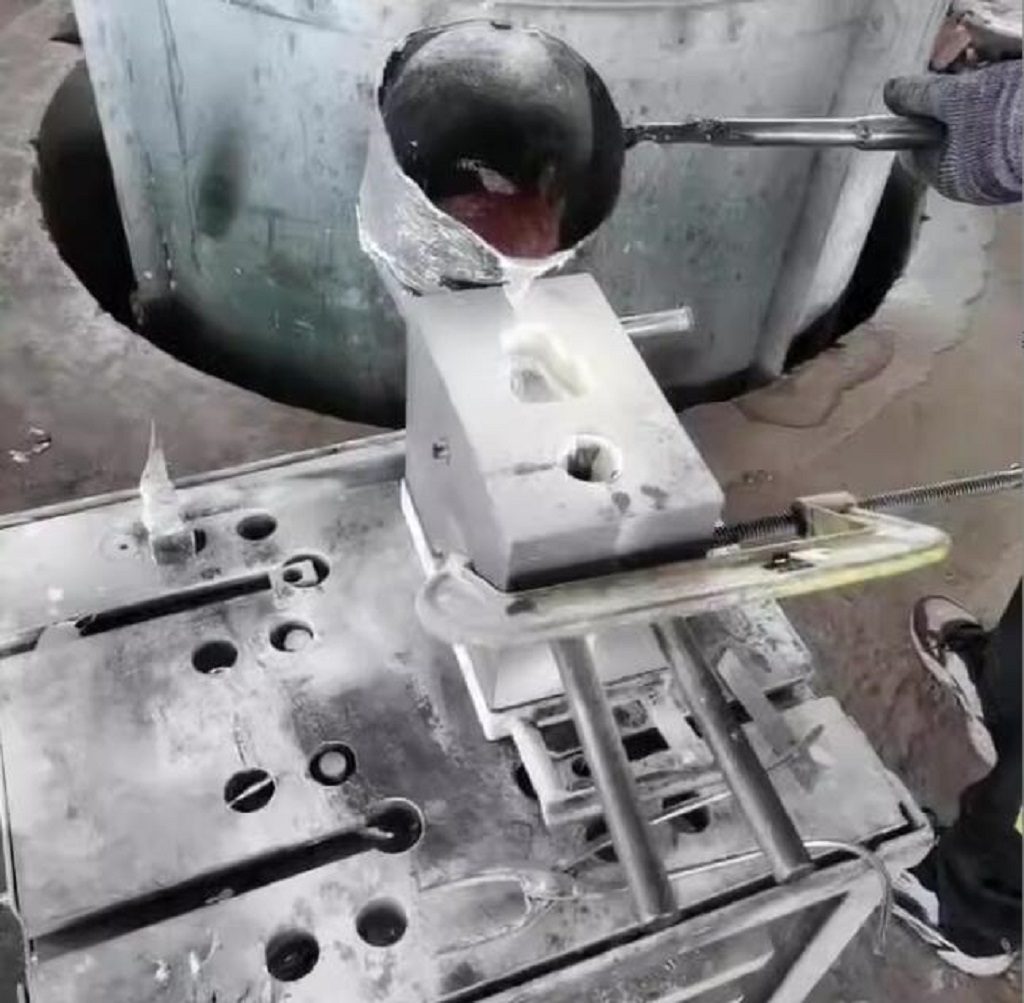
While CNC machining from a solid block is ideal for many parts, some complex geometries are best produced through casting. But a cast part isn't a "one-size-fits-all" solution. The final strength, hardness, and ductility of a cast aluminum alloy like ZL101 can vary dramatically based on the casting method and heat treatment. This guide provides the critical data you need to specify and verify the mechanical properties of cast aluminum components.
Table 3-4-14 Alloy castings: Grades, designations and mechanical properties
Alloy grade | Alloy code | casting method | Alloy status | mechanical property ≥ | ||||
| Tensile strength σb/Mpa | elongationδ5 (%) | |||||||
ZAlSi7Mg | ZL101 | S、R、J、KS、R、J、KJBS、R、KJ、JBS、R、KSB、RB、KBSB、RB、KBSB、RB、KBSB、RB、KB | FT2T4T4T5T5T5T6T7T8 | 155135185175205195195225195155 | 2244222123 | |||
ZAlSi7MgA | ZL101A | S、R、KJ、JBS、R、KSB、RB、KBJB、JSB、RB、KBJB、J | T4T4T5T5T5T6T6 | 195225235235265275295 | 5544423 | |||
ZAlSi12 | ZL102 | SB、JB、RB、KBJSB、JB、RB、KBJ | FFT2T2 | 145155135145 | 4243 | |||
ZAlSi9Mg | ZL104 | S、J、R、KJSB、RB、KBJ、JB | FT1T6T6 | 145195225235 | 21 .522 | |||
ZAlSi5CU1Mg | ZL105 | S、J、R、KS、R、KJS、R、KS、J、R、K | T1T5T5T6T7 | 155195235225175 | 0.510.50.51 | |||
ZAlSi5CU1MgA | ZL105A | SB、R、KJ、JB | T5T5 | 275295 | 12 | |||
ZAlSi8CU1Mg | ZL106 | SBJBSBJBSBJBSBJ | FT1T5T5T6T6T7T7 | 175195235255245265225245 | 11 .5221222 | |||
ZAlSi7CU4 | ZL107 | SBSBJJ | FT6FT6 | 165245195275 | 2222.5 | |||
ZAlSi12CU2Mg1 | ZL108 | JJ | T1T6 | 195255 | —— | |||
ZAlSi12CU1Mg1Ni1 | ZL109 | JJ | T1T6 | 195245 | 0.5 | |||
ZAlSi5cu6Mg | ZL110 | SJSJ | FFT1T1 | 125155145165 | ———— | |||
ZAlSi9cu2Mg | 2L111 | JSBJ、JB | FT6T6 | 205255315 | 1 .51 .52 | |||
ZAlSi7MglA | ZL114A | SBJ、JB | T5T5 | 290310 | 23 | |||
ZAlSi5Zn1Mn | ZL115 | SJSJ | T4T4T5T5 | 225275275315 | 463 .53 | |||
ZAlSi8MgBe | ZL116 | SJSJ | T4T4T5T5 | 255275295335 | 4624 | |||
ZAlcu5Mn | ZL201 | S、J、R、KS、J、R、KS | T4T5T7 | 295335315 | 842 | |||
| ZAlcu5MnA | ZL201A | S、J、R、K | T5 | 390 | 8 | |||
ZAlcu4 | ZL203 | S、R、KJS、R、KJ | T4T4T5T5 | 195205215225 | 6633 | |||
| ZAlcu5MncdA | ZL204A | S | T5 | 440 | 4 | |||
ZAlcu5MncdvA | ZL205A | SSS | T5T6T7 | 440470460 | 732 | |||
| ZL207 | SJ | T1T1 | 165175 | —— | 7575 | |||
| ZL301 | S、J、R | T4 | 280 | 10 | 60 | |||
| ZL303 | S、J、R、K | F | 145 | 1 | 55 | |||
| ZL305 | S | T4 | 290 | 8 | 90 | |||
| ZL401 | S、R、KJ | T1T1 | 195245 | 21 .5 | 8090 | |||
| ZL402 | JS | T1T1 | 235215 | 44 | 7065 | |||
1. The alloy casting method and metamorphic treatment symbol represent the meaning
S—sand casting; J—metal mold casting; R—sand-cast molding; K—sand-cast shell molding; B—metallurgical treatment.
2. Alloy state code meaning
F—as cast; T1—artificial aging; T2—annealing; T4—solution treatment with natural aging; T5—solution treatment with incomplete artificial aging; T6—solution treatment with complete artificial aging; T7—solution treatment with stabilization treatment; T8—solution treatment with softening treatment.
V. What Are the Main Characteristics & Application of Cast Aluminum Alloy?
Table 3-4-15 Main characteristics and application examples of cast aluminum alloys
| Grades | key property | Example |
ZL101 | It has good casting properties, no tendency to hot cracking, low shrinkage, high gas tightness, but slightly prone to porosity and shrinkage, high corrosion resistance, similar to ZL102, can be heat treated to strengthen, has natural aging capacity, high strength and plasticity, good weldability, and average cutting performance | Suitable for casting parts with complex shape and medium load, or requiring high air tightness, high corrosion resistance, high weldability, and the ambient temperature does not exceed 200%, such as water pump, transmission device, housing, water pump housing, instrument housing, etc |
| ZL101A | The impurity content is lower than ZL101, and the mechanical properties are better than ZL101 | |
ZL102 | The casting exhibits excellent castability, low density, and high corrosion resistance, capable of withstanding atmospheric, seawater, carbon dioxide, concentrated nitric acid, ammonia, sulfur, and hydrogen peroxide corrosion. As the wall thickness of the casting increases, the strength reduction is minimal. It cannot be heat-treated for strengthening, but demonstrates good weldability. However, its machinability and heat resistance are poor. The finished product should be used under deterioration treatment. | Suitable for casting thin-walled parts with complex shapes and low loads, as well as parts with high corrosion resistance and air tightness, and working temperature ≤200℃, such as ship parts, instrument housing, machine cover, etc. |
ZL104 | Good casting properties, no tendency to hot crack, good air tightness, small linear shrinkage, but easy to form needle holes, good mechanical properties at room temperature, can be heat treated for strengthening, good corrosion resistance, general cutting properties and weldability, castings need to be metamorphosis treatment | Suitable for casting complex shapes, thin walls, corrosion resistance and bearing high static load and impact load, working temperature less than 200% of parts, such as cylinder body cover, water cooling or engine crankcase |
ZL105 | Good casting properties, good air tightness, low tendency to hot crack, can be heat treated for strengthening, high strength, low plasticity and toughness, good cutting properties, good weldability, but corrosion resistance is normal | It is suitable for casting parts with complex shape, high static load, good weldability, high gas tightness and working temperature below 225%. It is also widely used in aviation industry, such as cylinder body, cylinder head, cover and crankcase. |
| ZL105A | Similar to the ZL105, but with superior mechanical performance. | |
ZL106 | Good casting properties, high air tightness, no tendency to hot crack, small shrinkage, small tendency to shrinkage and porosity, can be heat treated to strengthen, good mechanical properties at high and room temperature, good corrosion resistance, good welding and cutting properties | Suitable for casting parts with complex shapes and high static loads, as well as parts requiring high air tightness and working temperature ≤225℃, such as pump body and engine cylinder head. |
ZL107 | The casting fluidity and hot cracking tendency are inferior to those of ZL101,102, and 104. It can be strengthened by heat treatment. The mechanical properties are better than 104, and the cutting properties are good, but the corrosion resistance is not high, so it needs to be treated by metamorphosis. | Used to cast parts with complex shapes and high loads, such as frames, diesel engines, carburetor parts and electrical equipment shells |
ZL108 | This is a commonly used primary aluminum alloy for pistons, featuring low density, low thermal expansion coefficient, excellent heat resistance, and good castability. It has no tendency to thermal cracking, high gas tightness, and minimal linear shrinkage, though it shows a strong tendency to absorb gases. The alloy can be strengthened through heat treatment, maintaining high mechanical properties at both high and room temperatures. However, its machinability is relatively poor, and it requires precipitation treatment. | Mainly used to cast automotive, tractor engine piston and other parts working in high temperature below 250% |
| ZL109 | The performance is comparable to the ZL108, and it also uses commonly available aluminum alloy pistons, though it's less cost-effective than the ZL108. | Compatible with ZL108 |
| ZL110 | Good casting and welding performance, medium corrosion resistance, high strength and good high temperature performance | Suitable for pistons and other parts that operate at high temperatures |
ZL111 | Excellent casting properties, no tendency to hot crack, small linear shrinkage, high gas tightness, excellent mechanical properties in cast state and after heat treatment, high temperature mechanical properties, good machinability and weldability, can be heat treated for strengthening, poor corrosion resistance | Suitable for casting complex shapes, high load and high air tightness of large castings and parts working in high pressure gas and liquid, such as rotor engine cylinder body, cover, large pump impeller and other important castings |
| ZL114A | The composition and properties are similar to those of ZL101A, but its strength is higher than ZL101A | Suitable for casting complex shape and high strength castings, but its heat treatment process requirements are strict, so that the application is limited |
ZL115 | It exhibits excellent casting properties and corrosion resistance, along with good strength and ductility. Unlike ZL111 and ZL114A, it does not require heat treatment and is a high-strength aluminum-silicon alloy. | Mainly used for casting complex high strength and corrosion resistant castings |
ZL116 | It has good casting properties, dense castings, good gas tightness, good mechanical properties of alloy, high corrosion resistance, and is one of the high strength cast aluminum in aluminum-silicon alloy series, and its price is high | Used to manufacture oil pump housings, engine accessories, and parts with complex shapes, high strength, and high corrosion resistance. |
ZL201 | Poor casting properties, large linear shrinkage, low air tightness, easy to form hot crack and shrinkage hole, after heat treatment, the alloy has high strength and heat resistance, its plasticity and toughness are also very good, good welding and cutting properties, but poor corrosion resistance | Suitable for high temperature (175 ~ 300℃) or room temperature under high load, simple shape parts, can also be used for low temperature (0 ~ -70℃) under high load parts, such as brackets, is a wide range of high strength alloy |
| ZL201A | The composition and properties are identical to ZL201, with lower impurities and superior mechanical properties. | |
ZL203 | Poor castability, prone to hot cracking and shrinkage porosity, good air tightness, good strength and plasticity after heat treatment, good machinability and weldability, poor corrosion resistance, poor heat resistance, no need for deterioration treatment | Parts that need to be machined, have simple shapes, and are subjected to moderate or impact loads, such as brackets, crankcase, and flywheel cover |
| ZL204AZL205A | This high-strength heat-resistant alloy exhibits superior thermal stability to ZL204A, with ZL205A demonstrating even better performance. | As a force-bearing structural component, it is widely used in aviation and aerospace industries |
ZL207A | It is an aluminum-rare earth metal alloy, which has excellent heat resistance, good casting performance, high gas tightness, and is not easy to produce hot crack and loose, but the mechanical properties at room temperature are poor, and the composition is complex and needs strict control | Suitable for casting parts with complex shapes, low stress, and high-temperature (≤ 400℃) operation |
ZL301 | This aluminum-magnesium binary alloy casting can be heat-treated for enhanced strength. After quenching, it exhibits high strength with excellent plasticity and toughness. However, prolonged use may lead to natural aging, resulting in reduced plasticity and stress corrosion susceptibility. It demonstrates superior corrosion resistance, ranking among the best in cast aluminum, while maintaining good machinability. The casting process shows poor performance, prone to microstructural porosity, with inadequate heat resistance and weldability. Additionally, its melting and casting techniques are relatively complex. | Designed for castings that must withstand high static and impact loads, with a service temperature ≤200℃ in corrosive environments. It is also suitable for manufacturing components such as radar domes and landing gear. |
ZL303 | This alloy exhibits superior corrosion resistance comparable to ZL301, while demonstrating enhanced casting performance, reduced tendency to form shrinkage cavities and hot cracking, along with a higher shrinkage rate. Its gas tightness is average, and the castings cannot undergo heat treatment for strengthening. However, it outperforms ZL301 in high-temperature performance and machinability, with significantly improved weldability. The production process is notably simpler. | Suitable for manufacturing parts of ships, aviation, internal combustion engines and other parts that work at temperatures below 200℃ and bear medium loads, as well as some decorative parts |
ZL305 | This is an improved ZL301 alloy. To address its shortcomings, elements such as Be, Ti, and Zn were added, which enhanced both the alloy's natural aging stability and stress corrosion resistance, while reducing its oxidation tendency during casting. All other properties remain similar to ZL301. | Designed for environments with operating temperatures below 100°C, with the same specifications as ZL301. |
ZL401 | Commonly known as zinc-silicon-aluminum, it has good casting properties, low tendency to produce shrinkage holes and hot cracks, and low linear shrinkage rate, but has a large tendency to absorb gas. The castings have natural aging ability, good cutting properties and weldability, but need to undergo metamorphic treatment. The corrosion resistance is generally low, and the heat resistance is low. The density is high. | Designed for manufacturing parts with complex geometries and high static loads at temperatures ≤200℃, primarily used in automotive components, medical equipment, instrumentation, and daily-use products. |
ZL402 | Good castability, high mechanical properties after aging treatment, suitable for working in the temperature range of-70℃ to 150℃, good stress corrosion resistance and corrosion resistance, good cutting properties, average weldability, high density | Suitable for parts subjected to high static or impact loads where heat treatment is impractical, as well as applications requiring corrosion resistance and dimensional stability, such as high-speed integral casting impellers, air compressor pistons, precision machinery, instruments, and meters. |
VI.What is the Heat Treatment Process Specification of Cast Aluminum Alloy?
Table 3-4-16 Aluminum alloy casting heat treatment process specification
| Alloy grade | Alloy code | Alloy status | Solid solution treatment | effectiveness for a given period of time | ||
| temperature /℃ | time /h | temperature /℃ | time /h | |||
ZAlsi7MnA | ZL101A | T4 | 535 ± 5 | 6 ~ 12 | — | — |
| T5 | room temperature | Not less than 8 | ||||
| 155 ± 5 | 2 ~ 12 | |||||
| T6 | room temperature | Not less than 8 | ||||
| Another 180 ± 5 | 3~8 | |||||
| ZAlsi5CU1MgA | ZL105A | T5 | 525 ± 5 | 4 ~ 12 | 160 ± 5 | 3~5 |
| ZAlsi7Mg1A | ZL114A | T5 | 535 ± 5 | 10 ~ 14 | room temperature | Not less than 8 |
| 160 ± 5 | 4 ~ 8 | |||||
| ZAlsi5Zn1Mg | ZL115 | T4 | 540 ± 5 | 10 ~ 12 | — | — |
| T5 | 150 ± 5 | 3~5 | ||||
| ZAlsi8MgBe | ZL116 | T4 | 535 ± 5 | 10 ~ 14 | — | — |
| T5 | 175 ± 5 | 6 | ||||
| ZAlCU5MnA | ZL201A | T5 | 535 ± 5 | 7~9 | — | — |
| 545 ± 5 | 160 ± 5 | 6~9 | ||||
| ZAlcu5MncdA | ZL204A | T5 | 530 ± 5 | 9 | — | — |
| 540 ± 5 | 175 ± 5 | 3~5 | ||||
ZAlcu5MncdvA | ZL205A | T5 | 538 ± 5 | 10 ~ 18 | 155 ± 5 | 8 ~ 10 |
| T6 | 175 ± 5 | 4 ~ 5 | ||||
| T7 | 190 ± 5 | 2~4 | ||||
| ZAlRE5cu3si2 | ZL207 | T1 | — | — | 200 ± 5 | 5 ~ 10 |
| ZAlMg8Zn1 | ZL305 | T4 | 435 ± 5 | 8 ~ 10 | — | — |
| 490 ± 5 | 6~8 | |||||
Mastering the world of aluminum—from alloy grades and heat treatments to casting specifications—is crucial for engineering success. At Worthy Hardware, we transform this complexity into tangible quality. Our experts ensure the optimal material and CNC machining process for every custom part, guaranteeing superior performance and durability that you can trust. Contact us to build your project with confidence and precision.