
How To Choose Between Aluminum And Zinc For Your Custom Machined Parts?

Choosing metals for your parts is tricky. Pick the wrong one, and you face high costs or poor results. This guide helps you decide.
To choose between aluminum and zinc, consider your needs. Aluminum is lighter and often cheaper for volume. Zinc is denser, good for intricate die-casting, and offers different strength properties. Your application dictates the best material choice.
Making the right material choice is super important for your project's success. It affects everything from how your part works to how much it costs. Let's look closer at these two popular metals, aluminum and zinc. This way, you can pick the best one for what you need to make.
Which is better, zinc or aluminum?
Are you thinking about zinc or aluminum for your project? Picking the "wrong" one can really affect how your part works. Let's see which one truly fits your needs.
Neither zinc nor aluminum is always "better." Aluminum is lighter and its material cost per volume is generally lower. Zinc is much denser, offers higher hardness, and is excellent for die-casting complex shapes. The best choice depends completely on your part's requirements.
When my customers ask me, "Sandra, which one should I pick, zinc or aluminum?" I always say, "It depends on what you need your part to do." There's no single winner for every situation. For example, zinc alloy is much heavier than aluminum alloy. In fact, zinc is about 2.5 times denser. This means if you have two parts of the exact same size, the zinc one will be much heavier. Also, the raw material for zinc alloys usually costs more than for aluminum alloys. So, if you make the same product, the zinc version will likely be more expensive just because of material weight and cost.
Now, let's talk about strength. Zinc alloys tend to be harder than many common aluminum alloys. This means they resist scratches and wear better. However, when we talk about tensile strength – how much you can pull on it before it breaks – many aluminum alloys are stronger. I remember a client, Mark from Canada. He initially wanted zinc for a protective casing. He thought denser meant tougher. But when we looked at the actual forces the casing would face, a good aluminum alloy was strong enough. Plus, using aluminum saved him a lot on material cost and shipping because it was lighter. We helped him refine the design at Worthy to ensure the aluminum part met all his quality needs. It's all about matching the material's properties to the job.
| Feature | Aluminum Alloy | Zinc Alloy |
|---|---|---|
| Density | Lower (approx. 2.7 g/cm³) | Higher (approx. 6.6 g/cm³) |
| Material Cost | Generally Lower | Generally Higher |
| Hardness | Lower | Higher |
| Tensile Strength | Higher (for many common alloys) | Lower (but good impact strength) |
| Casting Detail | Good | Excellent for intricate details |
When would a manufacturer most likely choose to make a product from aluminum instead of iron?
Iron is very strong, but is it always the best choice? Its heavy weight and tendency to rust can be big problems. Let's find out why aluminum often wins for many parts.
Manufacturers pick aluminum over iron when weight is a big issue, like in airplanes or cars. Aluminum also resists rust better and conducts heat well. This makes it great where iron would be too heavy or rust too easily.
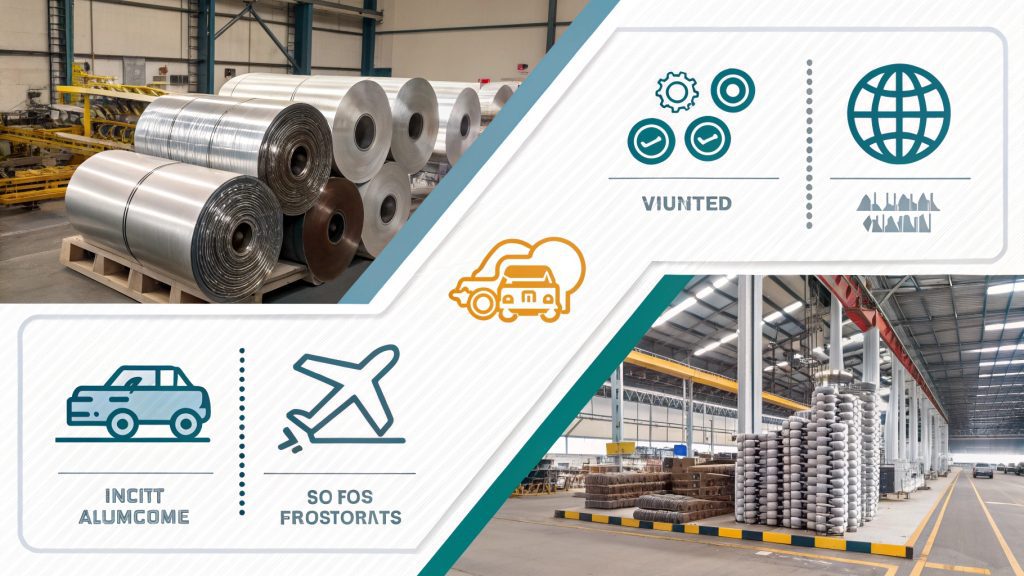
We see manufacturers choose aluminum over iron for many good reasons. The biggest one is usually weight. Aluminum is much lighter than iron or steel, about one-third the density. This is a huge deal in industries like aerospace and automotive. Lighter planes and cars use less fuel. At Worthy, we machine many aluminum parts for automotive clients. They need components that are strong but don't add too much weight. Iron would simply make vehicles too heavy and less efficient.
Another key reason is corrosion resistance. Aluminum naturally forms a protective oxide layer on its surface. This layer stops it from rusting further. Iron, on the other hand, rusts easily if it's not protected with paint or some other coating. Think about parts used outdoors or in damp places. Aluminum often lasts longer without needing special treatment, though we at Worthy can provide many surface finishes like anodizing for even better protection.
Also, aluminum is generally easier to machine than most irons and steels. This means we can cut it faster and our tools last longer. For our customers, this can translate to quicker production times and sometimes lower costs. Aluminum also conducts heat very well, much better than steel. This makes it perfect for things like heat sinks in electronics or engine parts that need to cool down quickly. While iron is very strong and often cheaper for raw material in bulk, aluminum’s mix of lightness, rust resistance, and machinability makes it the better choice for a wide range of products we help create.
How to distinguish between zinc and Aluminium?
Do you have a metal part and you're not sure if it's zinc or aluminum? Telling them apart just by looking can be hard. Here are some simple ways to know which is which.
You can often tell zinc and aluminum apart by weight; zinc is much heavier for the same size. Aluminum usually looks whiter, while zinc can be a bluer-gray. Tapping them might also give a clue, as aluminum can sound duller.
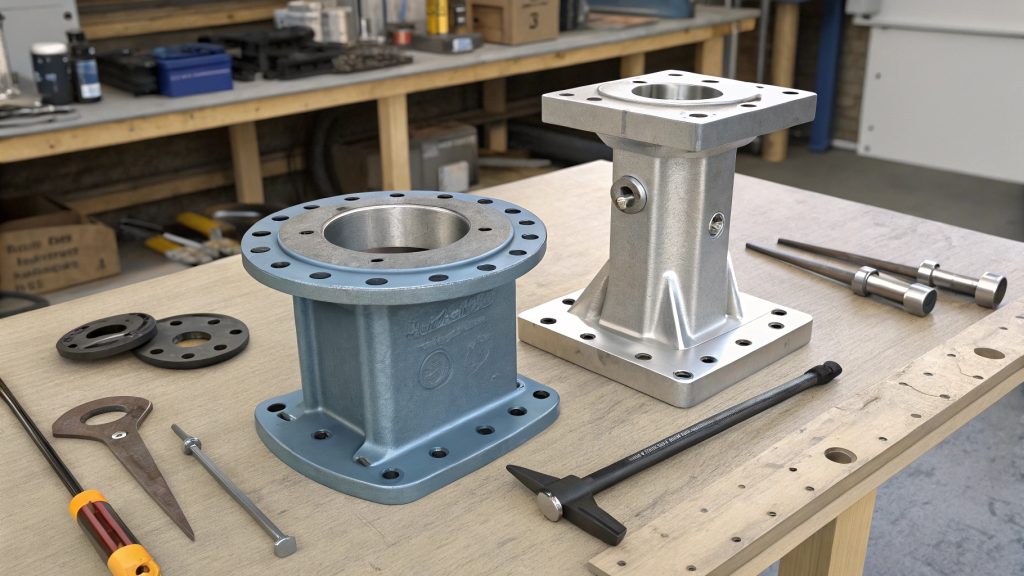
It can be tricky to tell zinc and aluminum apart just by a quick look, especially if they have a similar finish or are painted. But there are a few simple tests you can do. The most straightforward one is the weight test. If you have two parts that are roughly the same size and shape, the zinc one will feel noticeably heavier. As I mentioned, zinc is about 2.5 times denser than aluminum. I often handle different metal parts in my workshop at Worthy, and if I pick up two similar small components, one zinc and one aluminum, the difference in heft is immediate.
Color can be another clue, though it's more subtle. Aluminum generally has a brighter, whiter, more silvery look. Unfinished zinc alloys can sometimes appear a bit duller and may have a slightly bluish-grey tint. However, surface treatments and oxidation can change these colors, so it's not always reliable on its own.
Another old workshop trick is a sound test. If you tap the metal, aluminum often gives a duller thud or clunk. Some zinc alloys might produce a slightly more resonant or brighter sound, but this really depends on the part's thickness and shape. It’s quite subjective. For people with more experience or in a workshop setting, a spark test can be used, but you need to be careful. When ground, aluminum typically gives off very short, straight, white sparks. Zinc generally doesn't spark easily or produces different looking sparks. Of course, for 100% accurate identification of specific alloys, especially for critical parts we manufacture, we use advanced tools like a spectrometer. But for a quick check, weight is usually your best friend.
Why is Aluminium preferred in making parts of?
You see aluminum everywhere, from airplanes to your phone. Ever wonder what makes this metal so popular for so many things? Let's uncover the main reasons for its widespread use.
Aluminum is liked for its great strength for its weight, rust resistance, and good heat and electricity conduction. It's also easy to recycle and shape, making it useful for many industries like aerospace, automotive, and electronics.
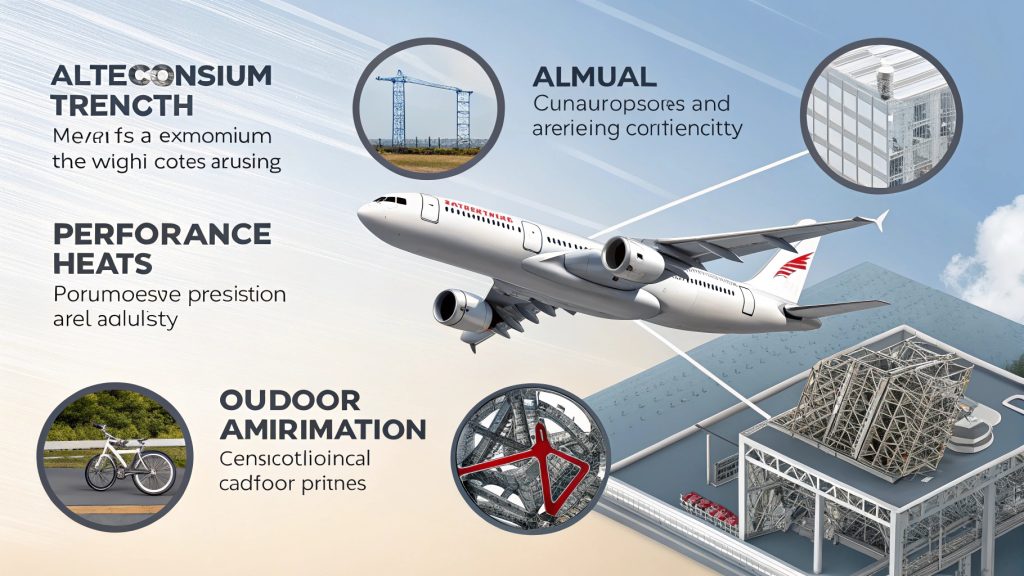
Aluminum is a favorite material in so many industries, and for good reasons. One of its biggest advantages is its excellent strength-to-weight ratio. This means it's strong but also light. This is why you see it in airplanes, high-performance cars, and even bicycle frames. At Worthy, we machine high-strength aluminum alloys like 6061 and 7075 for parts that need to be tough without being heavy.
Then there's its natural corrosion resistance. Aluminum forms a thin, tough layer of oxide on its surface that protects it from further rust or corrosion. This makes it great for products used outdoors or in environments where they might get wet. For even more protection or for a nice color, aluminum can be anodized. We offer many anodizing options for the custom cnc parts we make.
Aluminum is also a fantastic conductor of heat and electricity. That's why it's used for heat sinks in computers and other electronics to draw heat away from sensitive components. It's also used in electrical wiring. Plus, aluminum is relatively easy to work with. We find it machines beautifully. It can be cut, milled, turned, and shaped with precision. This makes it efficient for us to produce custom aluminum machining parts with tight tolerances, often leading to quicker delivery for our customers. And let’s not forget recyclability. Aluminum can be recycled over and over again without losing its quality, which is great for the environment. Its versatility, combined with its ability to take various surface finishes, makes it a top choice for everything from consumer products to industrial equipment.
Conclusion
Choosing between aluminum and zinc depends on your part's needs like weight, strength, and cost. Contact us at Worthy for expert advice on your custom machining project.