
Cast VS Extruded Acrylic: Which One Should You Choose?
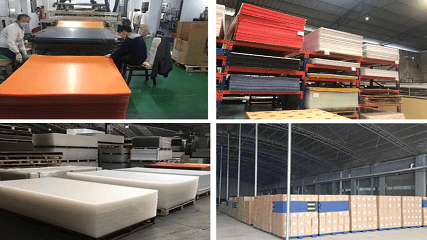
Choosing the wrong acrylic can ruin your project and waste money. You need to know the differences to make the right choice and ensure your final product looks and performs perfectly.
For top-tier projects needing optical clarity and easy machining, choose cast acrylic. It's made by pouring liquid into a mold. For budget-sensitive jobs requiring tight thickness control, extruded acrylic is better. It's made by pushing melted pellets through a machine, making it cheaper and more uniform.
I've been working with both types of acrylic for years at Worthy Hardware. Many of my clients, like Mark from Canada, often ask me about this. He needs top quality for his customers but also has to manage his costs carefully. Making the right choice between cast and extruded acrylic is a common problem for engineers and product designers. Let’s dive into the details so you can pick the best material for your specific needs.
Which is better, cast or extruded acrylic?
It feels confusing to pick between cast and extruded acrylic. The wrong choice can affect your product’s look, durability, and cost. Let's clear this up so you can choose confidently.
Neither is universally "better"; it depends on your application. Cast acrylic excels in optical quality, surface finish, and machining. Extruded acrylic is better for its price, tight thickness tolerance, and suitability for bending and thermoforming.
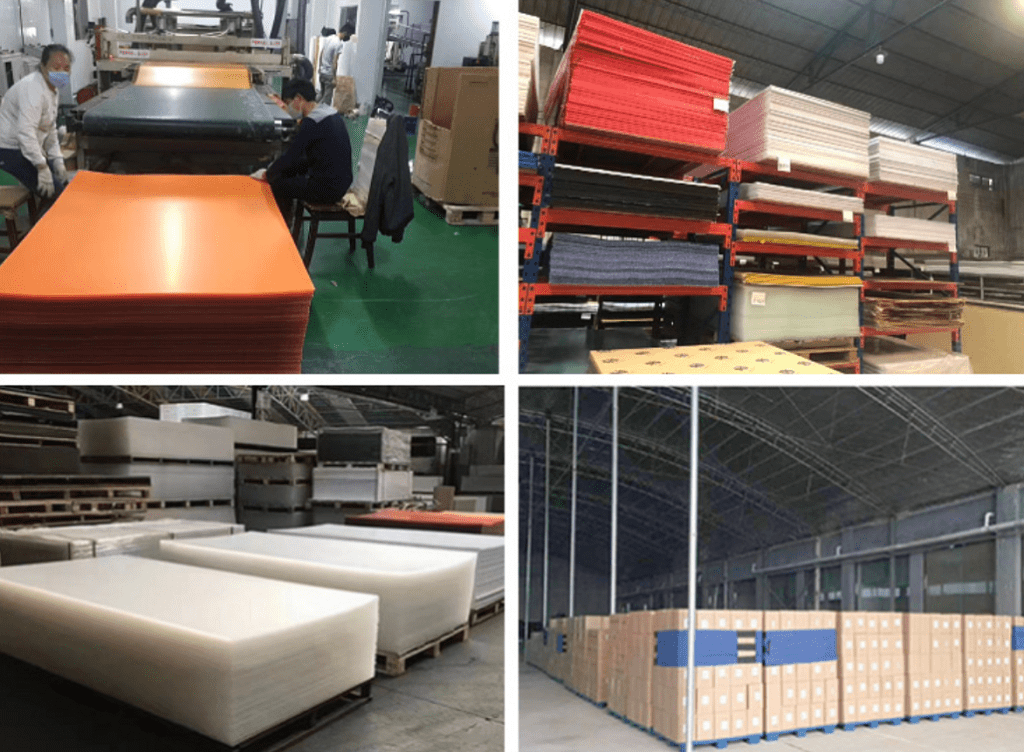 core difference comes from how they are made. This manufacturing process influences almost every property of the final material. Understanding this helps you decide which one is right for you.
How They Are Made
Cast acrylic is made by pouring liquid acrylic monomer between two sheets of glass and letting it cure. This slow process creates a material with very little internal stress, making it strong and clear. Think of it like making a perfect ice cube in a mold.
Extruded acrylic is made by feeding solid acrylic pellets into a machine that melts them down. This melted plastic is then pushed, or "extruded," through rollers to form a continuous sheet. It’s a faster and cheaper process, great for mass production.
Key Differences at a Glance
Let's break down the main points in a simple table. This can help you see which material fits your project best.
| Feature | Cast Acrylic | Extruded Acrylic |
|---|---|---|
| Cost | More Expensive | Less Expensive |
| Optical Clarity | Higher, more light transmission | Slightly lower, can have a slight tint |
| Thickness Tolerance | Less consistent (+/- 10%) | More consistent (+/- 5%) |
| Machining | Excellent, cuts cleanly, great for engraving | Good, but can melt or gum up if not careful |
| Chemical Resistance | Higher resistance to solvents | Lower resistance to solvents |
| Thermoforming | Less predictable | Bends and forms more easily and predictably |
Which acrylic is best for laser engraving?
You want a sharp, clean design when you laser engrave. Using the wrong acrylic can result in a messy, melted look instead of a professional finish. Let's find the best option.
Cast acrylic is much better for laser engraving. It produces a crisp, white, frosted finish that contrasts beautifully with the clear material. Extruded acrylic tends to melt and creates a clear, less visible engraving with raised edges.
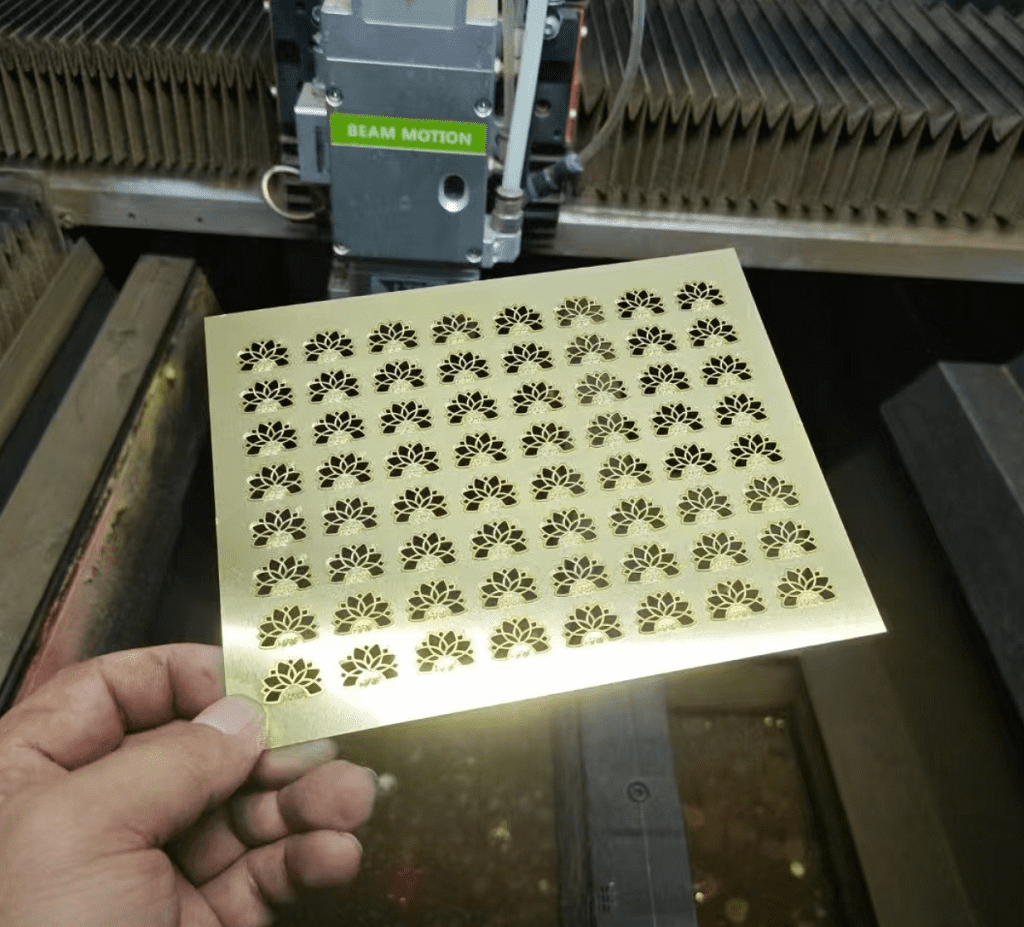
The difference in engraving quality goes back to the material's molecular structure. The manufacturing process directly affects how the acrylic reacts to the intense heat of a laser.
Why Cast Acrylic Engraves Beautifully
Cast acrylic has a higher molecular weight and is created in a stress-free state. When a laser hits its surface, the material vaporizes cleanly, a process called ablation. This creates a fine powder that results in that perfect frosty white look. The mark is clean and sharp without any melting around the edges. This makes it the go-to choice for awards, signs, and detailed artistic pieces where the quality of the engraving is the most important feature. From my experience, every time a customer wants a premium engraved part, we use cast acrylic, no questions asked.
The Challenge of Engraving Extruded Acrylic
Extruded acrylic has a lower molecular weight and contains internal stresses from the manufacturing process. When the laser heats it, the material doesn't vaporize as cleanly. Instead, it tends to melt and flow. The result is an engraving that is clear instead of frosted. It also often leaves a raised edge along the engraved lines, which is not ideal. While you can still cut extruded acrylic very well with a laser—it produces a nice flame-polished edge—it simply doesn't engrave with the same quality and contrast as cast acrylic.
How strong is extruded acrylic?
You need a material that can withstand impacts and stress. Picking something too weak could lead to cracking and product failure. So, how does extruded acrylic measure up in terms of strength?
Extruded acrylic is very strong and impact-resistant, about 10 times more shatter-resistant than glass. However, it is slightly less impact-resistant than cast acrylic because of the internal stresses created during its manufacturing process.
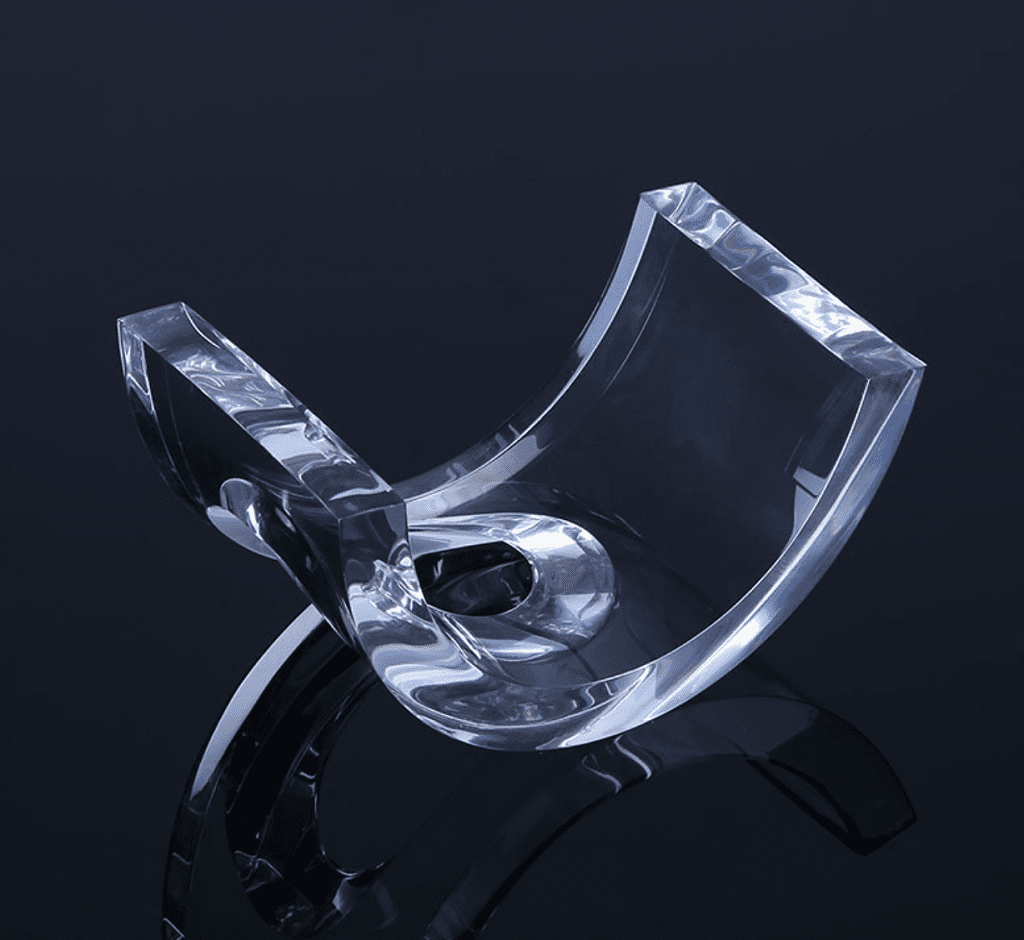
Strength isn't just one single property. It includes impact strength, tensile strength, and flexibility. Extruded acrylic performs well in all these areas, making it a reliable choice for many applications.
Impact and Tensile Strength
Extruded acrylic is a tough material. Its ability to resist shattering makes it a much safer alternative to glass for things like protective guards, windows, and retail displays. While cast acrylic has a slight edge in impact resistance due to its higher molecular weight, extruded acrylic is still more than strong enough for most jobs. Its tensile strength, or its ability to resist being pulled apart, is also excellent. For a client in Australia who needed machine guards, we used extruded acrylic. It offered the necessary protection at a better price point, and the consistent thickness made installation simple.
Flexibility and Stress
The main weakness of extruded acrylic is its reaction to stress. Because it's formed by being pushed through rollers, the molecules are aligned in the direction of extrusion. This creates internal stress. It means extruded acrylic is more likely to crack or craze if it's exposed to certain solvents or put under high stress, especially if it's been bent or formed. This is a key reason why we are very careful about chemical exposure and mechanical loads when designing parts with extruded acrylic. It is also more brittle in one direction compared to the other, a property known as being anisotropic.
Is cast acrylic scratch resistant?
Scratches can ruin the appearance of a final product. You're wondering if acrylic, specifically cast acrylic, will hold up against daily wear and tear without looking worn out.
Cast acrylic is more scratch-resistant than extruded acrylic due to its harder surface. However, no acrylic is truly "scratch-proof." It is still a relatively soft plastic that can be scratched more easily than glass, but minor scratches can often be polished out.
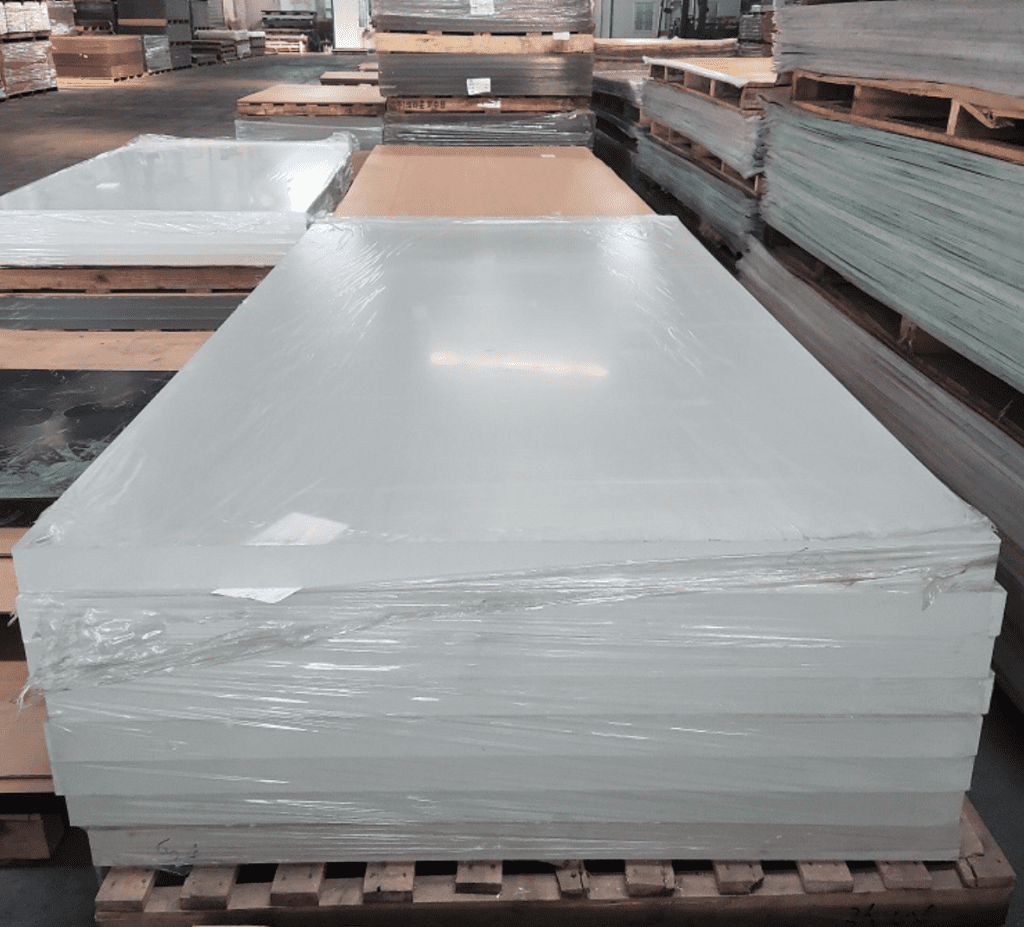
The hardness of a material’s surface is the key factor in its ability to resist scratches. Here again, the manufacturing process makes a big difference in performance.
Surface Hardness and Durability
The casting process creates a material with a higher molecular weight. This results in a harder, more dense surface compared to extruded acrylic. Think of it like a tightly woven fabric versus a loosely woven one; the tighter one is harder to snag. This superior surface hardness means cast acrylic can better withstand minor abrasions and handling. It’s why it's the preferred choice for high-end applications like furniture, aquariums, and museum-quality displays where a perfect finish is essential for a long time. Polishing out fine scratches is also easier and more effective on cast acrylic’s harder surface.
How to Protect Your Acrylic Part
Even though cast acrylic is quite durable, it is not indestructible. It's still a plastic and needs to be cared for properly. To prevent scratches, we always advise our customers to clean acrylic surfaces with a soft cloth, like microfiber, and mild soap and water. You should never use harsh chemical cleaners like ammonia (Windex) or abrasive pads, as these will damage the surface and cause crazing. For applications requiring extreme scratch resistance, special hard-coated acrylic sheets are available. These have a thin, transparent coating applied to the surface that makes them almost as scratch-resistant as glass, giving you the best of both worlds.
Conclusion
The best acrylic depends on your project. Choose cast for premium looks, laser engraving, and durability. Pick extruded for budget projects that need consistent thickness and good formability.