
Bead Blasting vs. Sandblasting: Which is Right for Your Project?
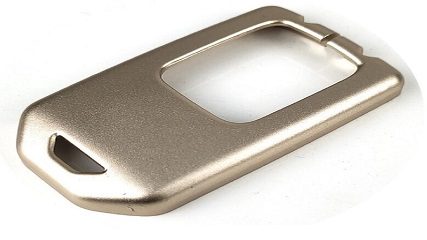
Choosing the right surface finish can be confusing. You want a clean, professional look, but the wrong choice could ruin your parts. Let's make sure that doesn't happen.
Bead blasting is best for a smooth, satin finish on delicate parts, while sandblasting is an aggressive process for heavy cleaning on tough materials. For parts needing tight tolerances, like in aerospace or medical fields, we always recommend bead blasting to protect the part's integrity.
I've seen many projects come through my shop, and the final finish is just as important as the machining itself. A client might send a perfect design, but if they choose a surface preparation that's too harsh, it can warp the part or take it out of tolerance. It's a costly mistake. That's why I want to break down the differences between these two common methods. Understanding how each one works will help you select the perfect finish for your specific needs and avoid any expensive surprises down the line.
Is bead blasting better than sandblasting?
You need the best finish for your part but are unsure which process to choose. Deciding between bead blasting and sandblasting can feel like a gamble if you don't know the specifics.
Neither is universally "better"; the best choice depends entirely on your material and desired outcome. Bead blasting is better for creating a smooth, cosmetic finish without damaging the part, while sandblasting is better for aggressive cleaning and removing heavy contaminants from durable materials.
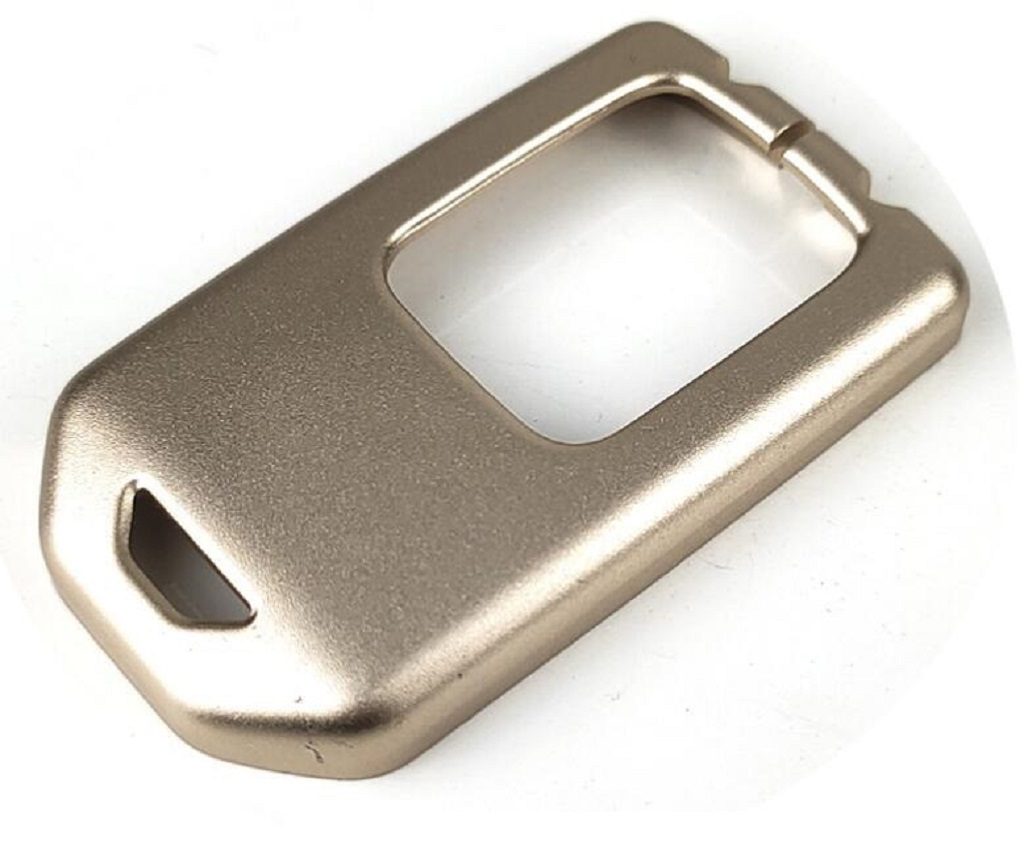
To decide which process is right for you, you need to think about your goals. Are you cleaning a rusty steel frame or finishing a delicate aluminum enclosure? The answer makes all the difference. In our work at Worthy, we often guide customers through this choice. Bead blasting uses fine, spherical glass beads that peen the surface, giving it a uniform satin look without removing metal. This is critical for parts with tight tolerances. Sandblasting, on the other hand, uses sharp sand particles to cut into the surface. It's fantastic for stripping old paint or heavy rust but it will change the dimensions of your part.
Here is a simple table to help you compare:
| Feature | Bead Blasting | Sandblasting |
|---|---|---|
| Media | Glass Beads (smooth, round) | Sand/Silica (sharp, angular) |
| Action | Peens and cleans the surface | Cuts and etches the surface |
| Finish | Smooth, satin, or matte | Rough, textured |
| Material Removal | Very minimal | Significant |
| Best For | Aluminum, delicate parts, cosmetic finishes | Steel, iron, heavy rust/paint removal |
What is bead blasting?
You've heard about bead blasting but might not know what it truly is. Without understanding the process, you can't be sure it's the right choice for getting your desired surface finish.
Bead blasting is a surface finishing process that propels fine glass beads at a surface using high-pressure air. Unlike sandblasting, it doesn't cut the material. Instead, it cleans and peens the surface, creating a smooth, uniform matte or satin finish without removing material.
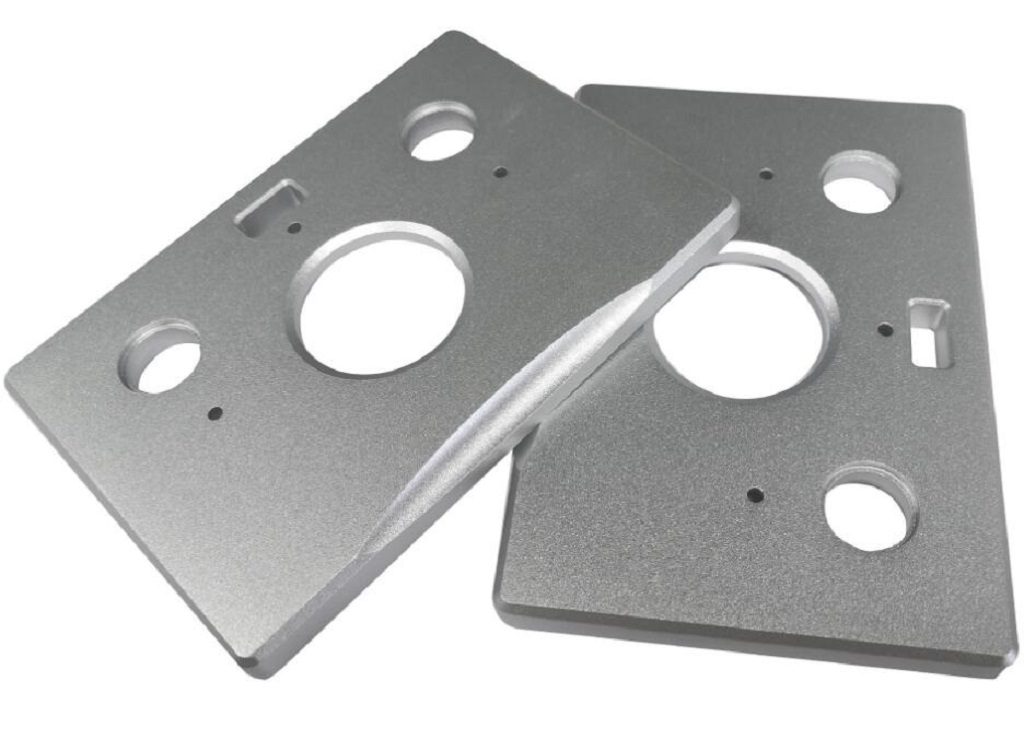
Think of bead blasting as a way to gently clean and condition a metal surface. The tiny, round glass beads act like thousands of tiny hammers hitting the part. This action, called peening, closes the pores of the metal. This not only cleans away contaminants and slight imperfections but also makes the surface stronger and more resistant to stress cracks. We use it frequently for our aluminum parts. It removes the machining marks and gives the part a beautiful, consistent look that our customers in the consumer electronics and automotive industries love. It’s also an excellent pre-treatment for anodizing or powder coating because it creates a perfectly clean and uniform surface for the coating to stick to.
Is bead blasting expensive?
You want a high-quality finish, but you also have a budget to stick to. Worrying about the cost might prevent you from choosing the best process for your parts.
Bead blasting can have a higher initial cost for the media compared to sand, but it is often more cost-effective in the long run. The glass beads can be recycled many times, and the process is typically faster for achieving a fine finish, reducing labor costs.
When my clients ask about cost, I always break it down. The price isn't just about the material you're spraying. Sand is cheap, yes, but it breaks down after one use and creates a lot of dust, which requires expensive disposal procedures. Glass beads, however, are very durable. We can reclaim and reuse them up to 30 times in our shop before they lose their effectiveness. This drastically lowers the cost per project over time. Also, because bead blasting provides a fine finish quickly, it can reduce the time spent on a project. So while the upfront bag of media might look more expensive, the total project cost is often very competitive, especially for high-volume jobs where efficiency is key.
How much material does bead blasting remove?
You have a precision part with very tight tolerances. You're concerned that any finishing process could alter the dimensions and make the part useless, wasting time and money.
Bead blasting removes virtually no material from the base part. Its primary action is to clean and peen the surface, not to abrade it. This makes it the ideal choice for finishing precision-machined parts where maintaining exact dimensions and tolerances is critical.
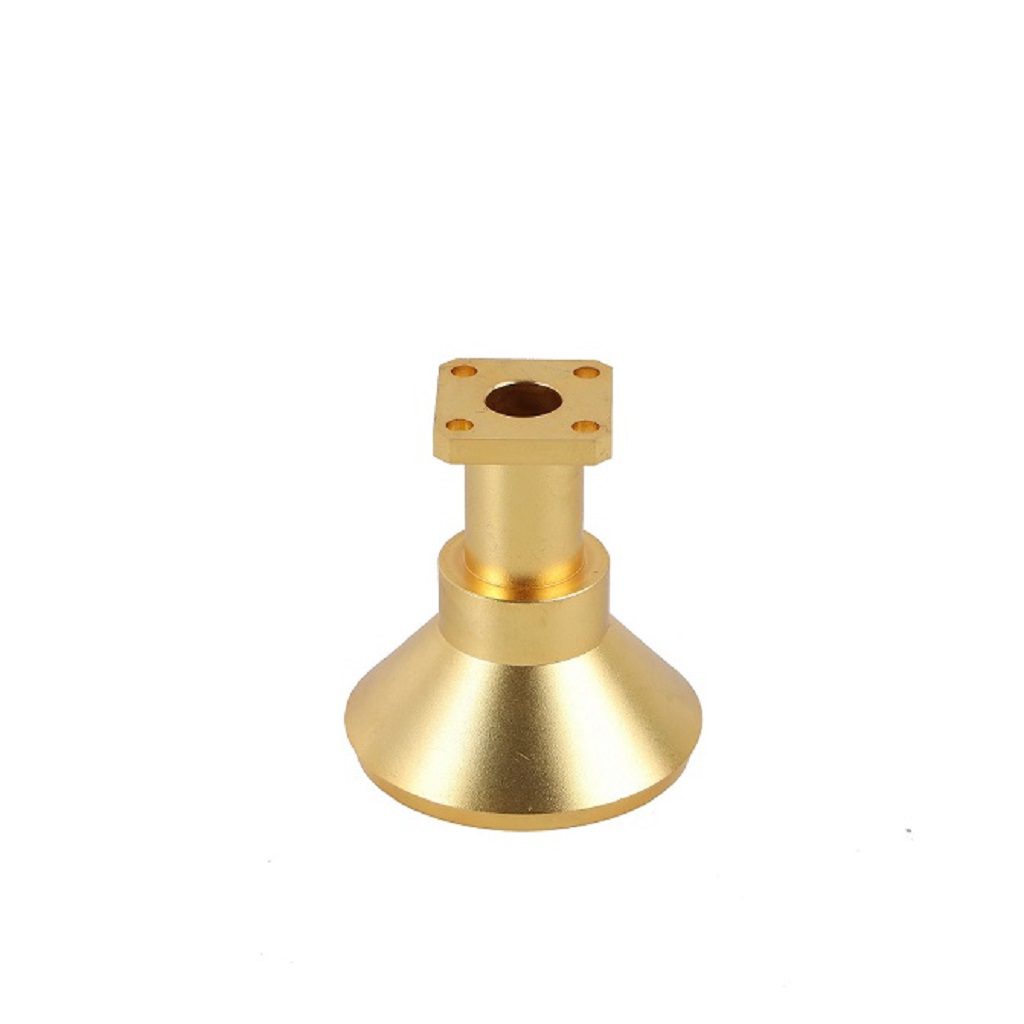
This is one of the biggest reasons our aerospace and medical clients specify bead blasting. I remember a project for a medical device company where a component had a tolerance of +/- 0.001". The customer needed a clean, non-reflective finish but was worried about changing the dimensions. We recommended bead blasting. After the process, we re-inspected the parts 100%, and every single one was still perfectly within tolerance. The process cleaned up faint machining marks and gave it a uniform satin finish without removing any measurable amount of metal. Sandblasting would have been a disaster for that job; it would have completely destroyed the precise features we worked so hard to machine.
Will bead blasting remove rust?
You have a part with rust on it and need to clean it up. You're wondering if bead blasting is strong enough for the job or if you need a more aggressive method.
Yes, bead blasting is very effective at removing light surface rust and contaminants. It leaves a clean, smooth surface ready for coating. For very heavy, pitted rust, a more aggressive method like sandblasting might be necessary as a first step before a final finish.
We've used bead blasting to restore many components. It works wonderfully on surface rust, the kind that forms a light, powdery layer on steel or iron parts. The impact of the glass beads quickly knocks the rust off without damaging the healthy metal underneath. The result is a clean part with a nice, uniform finish. However, if a part has been sitting outside for years and has deep rust pits, bead blasting might struggle to clean out the very bottom of those pits. In those rare cases, sandblasting is the better tool to aggressively cut away the deep corrosion. But for most restoration and surface preparation jobs, bead blasting is more than capable of handling the rust.
What is a cheap alternative to sandblasting?
Sandblasting seems effective but you're looking for other low-cost options. You are concerned about the cost or the aggressive nature of sandblasting and need an alternative solution.
For a cheap, less aggressive alternative, you might consider soda blasting or walnut shell blasting, especially for soft materials like wood or thin metal. However, in industrial settings, bead blasting is often the most cost-effective professional alternative due to its media reusability and efficiency.
While sand is very cheap, the "cost" of sandblasting isn't just the media. You have to consider the potential damage to parts, the extensive cleanup, and the health and safety equipment required. So, a "cheap" alternative depends on your goal. If you're cleaning something fragile, soda blasting is excellent because the media is soft and water-soluble, making cleanup easy. For industrial clients who need a reliable process, I often explain that bead blasting is the smarter "alternative" to sandblasting. The ability to recycle the glass beads and the speed of the process save money in labor and materials over the long run, and you get a much better, more controlled finish without the risk of damaging the part.
What are the advantages of bead blasting?
You're trying to justify choosing bead blasting for your project. You need to be clear on its specific benefits to know if it's the right investment for achieving the perfect finish.
The main advantages of bead blasting are its ability to produce a smooth, consistent finish without removing material, making it safe for delicate parts and tight tolerances. It's also environmentally friendlier as the glass bead media is recyclable and free of harmful silica.
In my experience, the benefits of bead blasting make it a superior choice for many applications. I've compiled a list of the key advantages we see every day at our facility.
- Superior Finish: It creates a non-directional, satin, or matte finish that looks clean and professional. It's great for hiding fingerprints and small defects.
- Preserves Dimensions: This is the most critical advantage for precision parts. It cleans without removing material, so your tolerances are safe.
- Increases Durability: The peening action strengthens the metal's surface, a process known as shot peening, which helps resist fatigue and stress cracks.
- Environmentally Friendly: Glass beads are chemically inert and don't contain silica. Plus, their reusability means far less waste is produced compared to single-use media like sand.
- Versatility: It works beautifully on a wide range of materials, especially softer metals like aluminum, brass, and copper, where sandblasting would be too destructive.
What are the hazards of bead blasting?
Safety is your top priority. You need to know the potential risks associated with bead blasting to ensure you and your team are properly protected during the finishing process.
While much safer than sandblasting, bead blasting is not without hazards. The process can create fine dust from the breakdown of the glass beads and the material being cleaned. Inhaling this dust can cause respiratory irritation, and proper personal protective equipment (PPE) is essential.
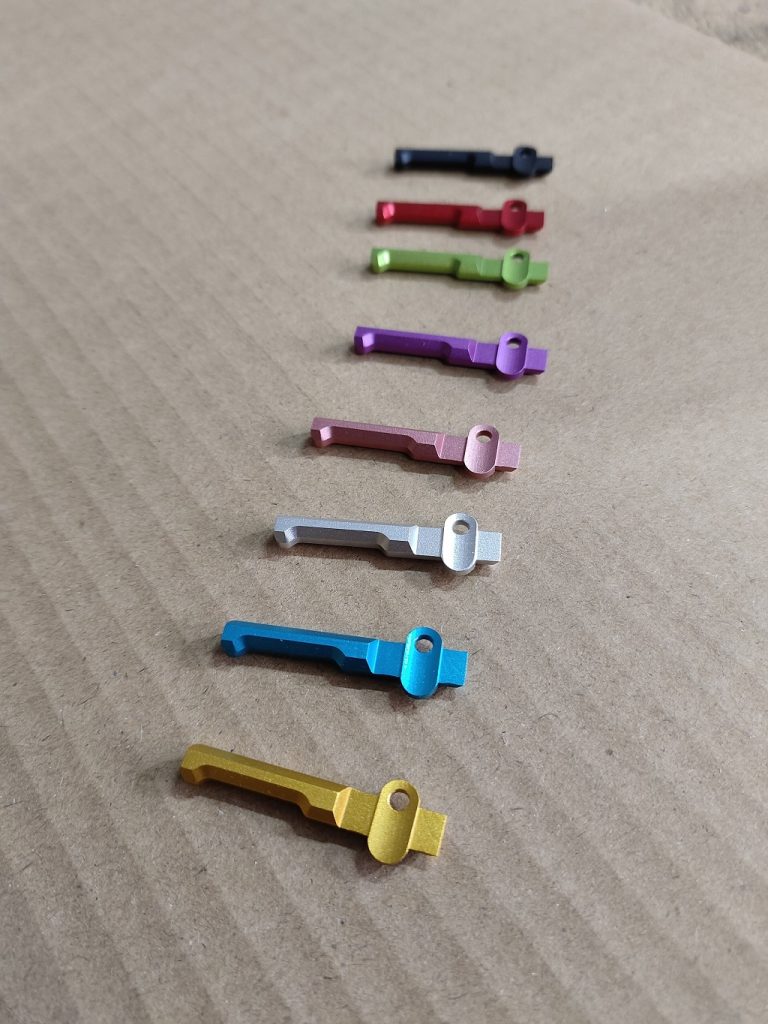
At Worthy, safety is our first rule. Although glass beads do not contain crystalline silica (the cause of silicosis from sandblasting), the dust is still a major concern. The beads are made of soda-lime glass, and breathing in the fine particles can lead to lung issues over time. The dust can also contain particles of the material being blasted, such as metal fragments or old coatings like lead paint, which are toxic. That is why we enforce strict safety protocols. All blasting is done inside a contained blast cabinet with a powerful dust collection system. Our operators are required to wear NIOSH-approved respirators, eye protection, and gloves at all times. Proper ventilation and containment are non-negotiable for keeping everyone safe.
What are the cons of sandblasting?
You're considering sandblasting but have heard it has some downsides. You need to understand the potential problems to avoid making a costly mistake that could damage your parts or create safety issues.
The main disadvantages of sandblasting are its aggressive nature, which removes base material and can damage or warp thin parts. The biggest con is the serious health risk from inhaling silica dust, which can cause the incurable lung disease silicosis.
I generally advise clients to avoid sandblasting unless absolutely necessary, and only for very tough, thick materials. The process is simply too destructive for precision parts. It's like using a sledgehammer when you need a small tack hammer. The sharp sand particles cut deep, leaving a very rough anchor profile that isn't suitable for many cosmetic applications. More importantly, the health risk is a major factor. Because of the danger of silicosis, many countries have banned or heavily restricted the use of silica sand as an abrasive. Using sandblasting requires expensive, specialized breathing apparatus and containment systems. For us, the risk to our workers and the potential damage to parts makes bead blasting a much better choice in almost every situation.
Can you bead blast aluminum?
You have aluminum parts that need a clean, uniform finish. You're trying to figure out if bead blasting is a safe and effective method for such a soft metal.
Yes, bead blasting is one of the best finishing methods for aluminum. It effectively cleans the surface and removes machining marks, leaving a beautiful, uniform satin or matte finish without damaging the soft metal or altering its dimensions. It's our recommended process for aluminum parts.
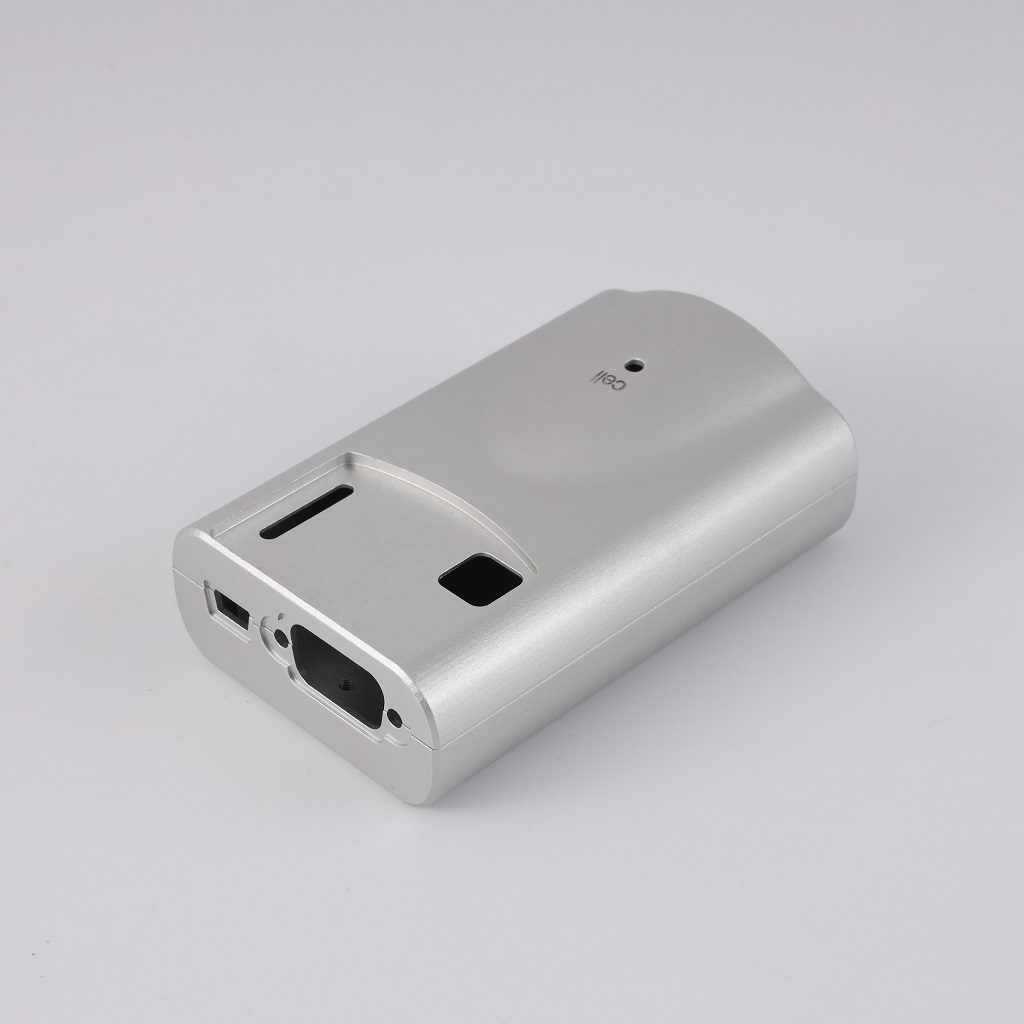
We bead blast aluminum parts every single day at our shop. It’s the perfect match. Aluminum is soft, so an aggressive process like sandblasting would eat away at the surface and could even warp the part from the heat generated by friction. The gentle peening action of glass beads is ideal. It doesn't remove material but instead smooths everything out, hiding the marks left by CNC mills and lathes. The final product is a non-reflective, premium-looking part that is perfect for consumer electronics, automotive components, and medical devices. It also creates a perfect surface for subsequent finishes like anodizing, as it ensures the color will be even and consistent across the entire part.
Does sandblasting remove scratches?
You have a part with noticeable scratches and hope a blasting process can fix it. You are wondering if sandblasting is the right tool to get rid of these imperfections.
Sandblasting does not "remove" scratches in the way polishing does. Instead, it aggressively abrades the entire surface, creating a new, rough texture that can effectively mask or hide light scratches. However, it does this by removing a layer of the material itself.
This is an important distinction to understand. Sandblasting is a subtractive process. When you sandblast a scratched surface, you are essentially eroding the entire surface down to the level of the scratch. This makes the scratch less visible because it blends into the new, rough texture of the entire part. It's a bit like bulldozing a field to get rid of a small hole—it works, but it changes the entire landscape. For light scratches on delicate parts, bead blasting is a much better option as it can blend minor imperfections without aggressive material removal. For deep gouges, neither process is a true fix; machining or filling would be required first.
Conclusion
Choosing the right finish is simple. Use bead blasting for a smooth, precise finish on delicate materials like aluminum. Use sandblasting for aggressive cleaning on tough, durable materials.
If you have any questions about what's best for your CNC machined parts, feel free to reach out to me and my team at Worthy Hardware. We're here to help.