
Which Is Better For Your Project: Aluminum Alloys Or Steel?

Struggling to pick between aluminum and steel? This choice impacts your project's weight, strength, and cost. Making the wrong decision can lead to performance issues or budget overruns.
For your project, steel is generally better for high strength and rigidity needs. Aluminum alloys shine when lightweight properties and corrosion resistance are more important. The best choice truly depends on your specific application.
Choosing the right material for your CNC machining project is a big deal. I’ve seen many clients, much like Mark Chen from Canada, weigh these options carefully. They want quality but also need competitive pricing. It's a common question I get: aluminum or steel? Both are fantastic metals, but they have very different personalities. Let's dig into this a bit more so you can make an informed decision for your next project, just like when I helped a client switch from steel to an aluminum alloy for a drone part, saving them crucial weight without compromising the needed integrity. This kind of decision can make or break a design. So, let's explore this further.
Is aluminum alloy better than steel?
Wondering if aluminum always wins over steel? It's a common question when projects demand specific material traits. You want the best performance without overspending or compromising design.
Aluminum alloy isn't universally "better" than steel; "better" depends entirely on the application. Aluminum offers superior corrosion resistance and is lighter, while steel typically provides greater strength and is often more cost-effective for raw material.
When I talk with clients about whether aluminum alloy is "better" than steel, I always say it’s like asking if a screwdriver is better than a hammer. They are both useful tools, but for different jobs. I remember a project for an automotive client who was focused on reducing vehicle weight. For them, an aluminum alloy was indeed the better choice for several components. However, for another client making heavy-duty industrial equipment, steel was the clear winner due to its raw strength and lower material cost.
Strength-to-Weight Ratio
Steel is generally stronger and harder than aluminum. But, aluminum alloys have a fantastic strength-to-weight ratio. This means for the same weight, some aluminum alloys can be stronger than some steels. This is why you see aluminum in aerospace and high-performance vehicles. If you need sheer, brute strength, steel often wins. But if you need strength combined with lightness, aluminum is a strong contender.
Corrosion Resistance
Aluminum naturally forms a protective oxide layer when exposed to air. This layer makes it very resistant to corrosion. Steel, on the other hand, especially carbon steel, will rust if not protected by coatings like paint, plating, or galvanizing. For outdoor or marine applications, aluminum often has the edge unless you're looking at stainless steel, which is a different category with its own cost implications. We at Worthy often provide various surface finishes like anodizing for aluminum, which further enhances this corrosion resistance.
Cost
Typically, raw steel is cheaper per pound than raw aluminum. This can make a big difference in high-volume production or for very large parts. However, the "cost" isn't just about the raw material. Aluminum is easier to machine than many steels, which can reduce machining time and tool wear, potentially offsetting some of the initial material cost. We've helped customers analyze these trade-offs to find the most economical solution overall.
Why is aluminium preferred over steel?
Are you seeing aluminum used more and wondering why? It seems to pop up in many modern designs. You might be thinking about its benefits for your own parts.
Aluminium is often preferred over steel due to its excellent corrosion resistance, lower density (making it lightweight), good thermal and electrical conductivity, and ease of machining and forming.
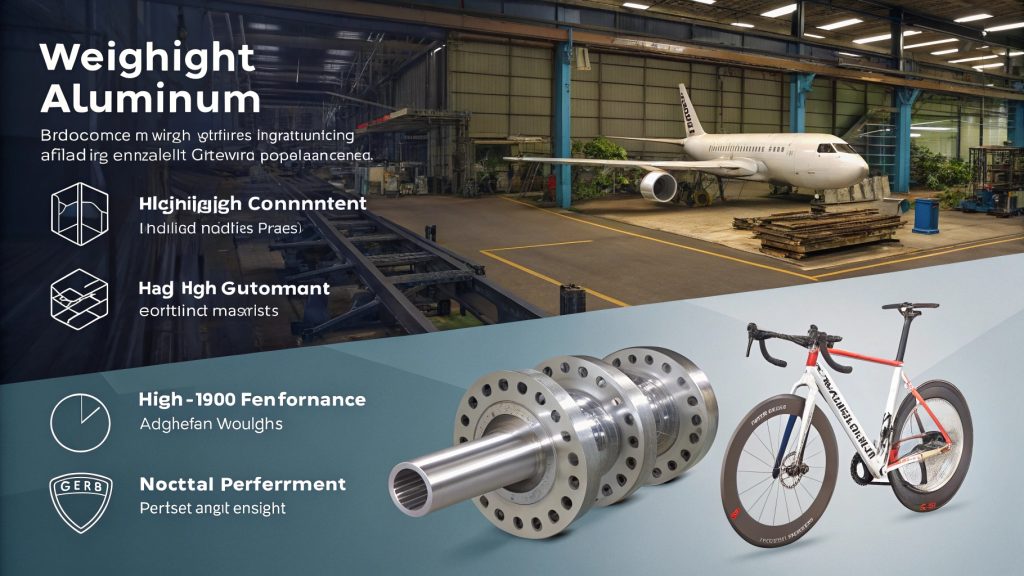
I've noticed a definite trend towards aluminum in many industries, from consumer electronics to automotive. When a client comes to us at Worthy with a new design, especially if it's for something portable or something that needs to dissipate heat, aluminum is often high on their list. I recall a project for a startup creating innovative lighting fixtures; aluminum was the perfect choice for its heat sink properties and the sleek finish we could achieve with anodizing. This preference isn't just about aesthetics; it's about tangible performance benefits.
Lightweight Nature
This is a big one. Aluminum is about one-third the density of steel. This makes a huge difference in applications where weight is critical. Think about aircraft, high-performance cars, or even everyday items like ladders or bicycle frames.
Reducing weight can improve fuel efficiency, make products easier to handle, or allow for more complex designs without becoming too heavy. When we machine large aluminum parts, up to our capacity of 80” x 48” x 24”, the ease of handling compared to a similarly sized steel part is noticeable.
Formability and Machinability
Aluminum is generally more malleable and ductile than steel. This means it can be formed into complex shapes more easily, through processes like extrusion or hydroforming. It’s also typically easier and faster to machine than steel. This can lead to shorter production times and lower machining costs.
At Worthy, our engineers often point out how certain intricate features are more readily achievable in aluminum, especially when quick turnaround is needed, like our standard 3-business-day lead time.
Thermal and Electrical Conductivity
Aluminum is an excellent conductor of both heat and electricity. This makes it ideal for applications like heat sinks, electrical busbars, and cooking utensils. While copper is a better conductor, aluminum is lighter and less expensive, making it a great compromise. For many electronics and semiconductor applications we serve, this conductivity is a key reason for choosing aluminum.
What is best, steel or aluminium?
Facing the steel versus aluminum decision can be tough. You want a material that meets all your project's needs. The choice can impact everything from durability to final cost.
Neither steel nor aluminium is universally "best." The optimal choice depends on balancing factors like required strength, weight limitations, corrosion resistance, thermal properties, machinability, and budget for your specific project.

I often tell my clients, like Mark who values quality and cost-effectiveness, that choosing between steel and aluminum is about matching the material to the specific job. It’s not about which material is "better" in a vacuum, but which is "best for your purpose." I once had a customer who insisted on using steel for a marine component.
While we could do it with proper coatings, I explained how an aluminum alloy would offer better inherent corrosion resistance in that salty environment, potentially saving on long-term maintenance. We eventually went with a marine-grade aluminum, and they were very happy.
Specific Project Requirements
Let's break this down with some common scenarios. If you need a material for a building's structural frame, steel's high strength and stiffness are usually essential. But if you're designing a lightweight drone chassis, aluminum’s strength-to-weight ratio is far more attractive. Here’s a simple table to illustrate:
| Application Category | Often Preferred Material | Key Reasons |
|---|---|---|
| High-Strength Structures | Steel | Maximum strength, stiffness, cost per strength |
| Lightweight Mobile Parts | Aluminum Alloy | Excellent strength-to-weight ratio, formability |
| Corrosive Environments | Aluminum Alloy / Stainless Steel | High corrosion resistance |
| Heat Dissipation | Aluminum Alloy | Good thermal conductivity, lightweight |
| High-Impact/Wear Components | Steel (often Alloy Steel) | Hardness, toughness, wear resistance |
| Budget-Critical, Basic Use | Carbon Steel | Lower material cost |
Environmental Impact
Both steel and aluminum are highly recyclable, which is great. Aluminum recycling requires significantly less energy than producing new aluminum from bauxite ore. Steel is also efficiently recycled. The choice here might depend on the availability of recycled content and the energy intensity of primary production if new material is used.
Long-term Performance
Consider the entire lifecycle of your part. Will it be exposed to harsh conditions? Does it need to withstand repeated stress or impacts? Steel often excels in fatigue resistance for very high-cycle applications, but aluminum alloys are also engineered for impressive durability.
For us at Worthy, ensuring long-term performance starts with understanding these needs so we can recommend not just the material, but also appropriate surface finishes, like anodizing for aluminum or plating for steel, to enhance durability. Our 100% inspection process also ensures that the parts meet all specifications for their intended service life.
Which is better steel or alloy steel?
Thinking about steel but see "alloy steel" mentioned? It can be confusing if you're not sure about the difference. You want the strongest, most suitable steel for your job.
Alloy steel is generally "better" than plain carbon steel when specific enhanced properties like increased hardness, strength, toughness, or corrosion resistance are required. Plain carbon steel is more economical for general-purpose applications.
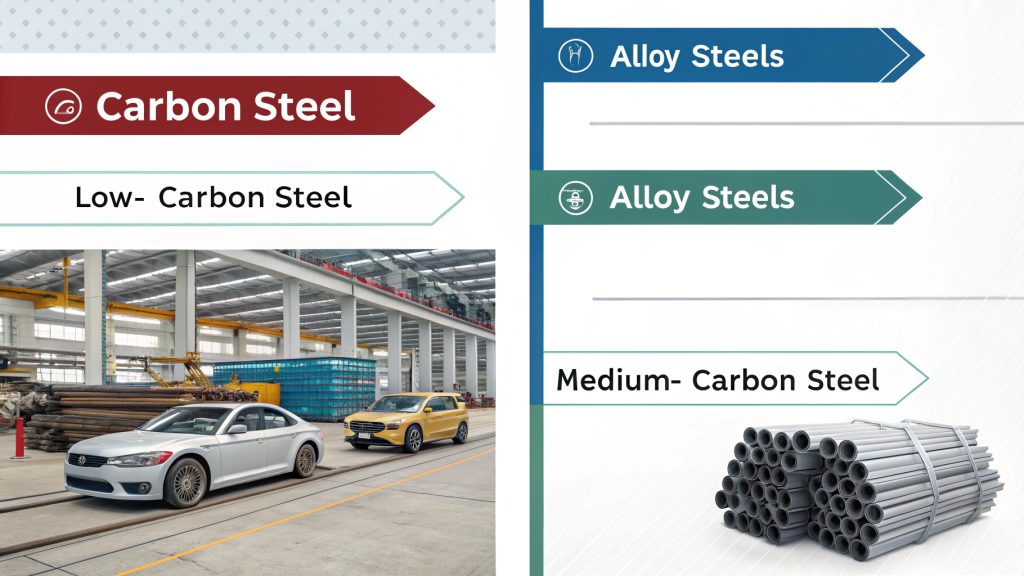
When we talk about "steel," many people think of one single material. But it's a whole family. I've had many discussions, particularly with clients like Mark who are looking for robust parts for their machinery, about the nuances between standard carbon steel and various alloy steels. The "alloy" part makes a big difference.
Think of it like adding spices to a basic dish – the spices (alloying elements) change the flavor and characteristics significantly. For example, we frequently machine parts from alloy steels when a customer needs extreme wear resistance or strength at high temperatures, capabilities that go beyond what standard carbon steel can offer.
Understanding Carbon Steel
Carbon steel is basically iron with a small amount of carbon added (usually less than 2.1% by weight). The amount of carbon dictates its properties:
-
Low-carbon steel (mild steel): Soft, ductile, easily weldable. Used for car bodies, pipes, construction.
-
Medium-carbon steel: Stronger and harder than mild steel, but less ductile. Used for gears, shafts, railway tracks.
-
High-carbon steel: Very hard and strong, but brittle. Used for tools, springs, high-strength wires.
Carbon steel is the workhorse for many applications due to its good properties and relatively low cost.
The Role of Alloying Elements
Alloy steels take carbon steel and add other elements to enhance specific properties. Common alloying elements include:
-
Chromium: Increases hardness, toughness, and crucially, corrosion resistance (think stainless steel, which has high chromium content).
-
Nickel: Improves strength, toughness, and corrosion resistance, especially at low temperatures.
-
Molybdenum: Increases strength, hardness, and resistance to creep at high temperatures.
-
Manganese: Improves strength, hardness, and wear resistance.
-
Vanadium: Increases strength, toughness, and shock resistance.
By carefully selecting and combining these elements, metallurgists can create alloy steels tailored for very specific and demanding applications.
When to Choose Alloy Steel
You’d choose an alloy steel over plain carbon steel when your application demands properties that carbon steel alone can't provide. For example:
-
If you need a part to withstand extreme temperatures, you might choose a chromium-molybdenum alloy steel.
-
For tools that need to be very hard and resist wear, a high-carbon alloy steel with elements like tungsten or vanadium would be suitable.
-
If you need high strength combined with good toughness (resistance to fracture), certain nickel-chromium-molybdenum steels are excellent.
At Worthy, we have experience machining a wide range of alloy steels. Our engineers can help customers select the right grade and ensure the machining process is optimized for these often tougher materials, always aiming for tight tolerances, even sub +/- 0.001" if required.
Conclusion
Choosing between aluminum and steel depends on your project's specific needs. Steel offers strength and value, while aluminum provides lightweight and corrosion resistance. Evaluate your priorities carefully.