
What is Stainless Steel Machining Material Types, Machining Process Types, and others
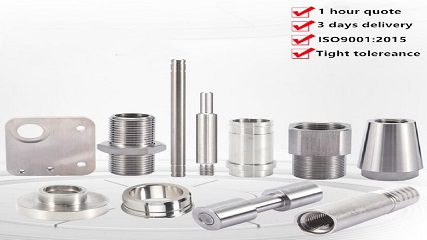
As a precision machining company serving the North American and European markets, we've found that stainless steel is one of the most frequently chosen and also the easiest materials to "run into trouble" with. Stainless steel machining is far more complex than simply cutting metal into shape.
I recall a project for a Canadian client producing a batch of industrial valve parts. Their initial design used 316L stainless steel. After our engineers conducted a Design for Manufacturability (DFM) analysis, they discovered that the environment in which the parts would be used didn't require the high corrosion resistance of 316L. We advised the client to switch to the more easily machinable 303 stainless steel. This simple change saved the client nearly 20% in costs and shortened the delivery time by one week.
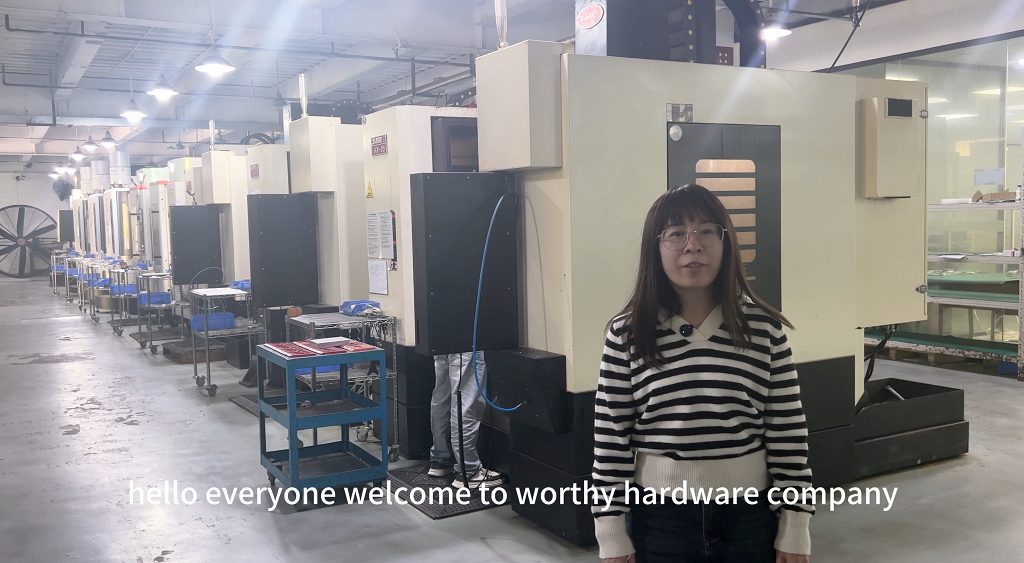
This case perfectly illustrates Worthy's core philosophy: we are not just a machiner, but your manufacturing expert. Our experienced team of engineers is dedicated to helping you avoid these costly mistakes early in your project. This article will share our firsthand experience and expertise in handling various materials, from 303 to super duplex stainless steel, to help you make more informed decisions.
What is stainless steel?
Stainless steel is an alloy of iron. Its main feature is excellent corrosion resistance. This property comes from the addition of chromium, which must make up at least 10.5% of the material's composition. When exposed to oxygen, the chromium forms a thin, passive layer of chromium oxide on the surface. This invisible layer protects the steel from rust and corrosion. Other elements like nickel, molybdenum, and manganese can be added to change its properties for different applications.
These properties include:
- Corrosion Resistance: Its primary advantage, making it suitable for harsh environments.
- Strength and Durability: It maintains its strength at high and low temperatures.
- Hygienic: The non-porous surface is easy to clean and sterilize, which is why it's used in food and medical industries.
- Aesthetic Appeal: It has a clean and modern look that can be finished in many ways.
Is stainless steel suitable for machining?
Yes, stainless steel is suitable for machining, but it is more difficult than machining materials like aluminum or mild steel. The same properties that make it useful, such as its strength and durability, also create challenges during the cutting process.
What is the Detailed Classification of Stainless Steel?
The five main families of stainless steel are:
- Austenitic Stainless Steel
- Challenge: If the tool lingers in one spot or the depth of cut is insufficient, the material surface hardens instantly, sometimes exceeding the tool's own hardness, leading to tool failure and out-of-tolerance part dimensions.
- Worthy's Solution: We do more than just "use sharp tools." Through program settings, we ensure the tool follows a constant "climbing" path and sufficient depth of cut, always cutting below the hardened layer created by the previous cut. This optimized process parameter set, the culmination of years of practice by our four core engineers, can extend tool life by up to 50%, directly reducing your unit cost.
- Recommendation for Customers: If your application environment allows, we proactively suggest you consider using grade 303. Its added sulfur makes its chips more brittle and its machining efficiency far superior to 304. For one customer from Singapore, this material recommendation alone saved them 15% of their budget for a high-volume project. This is how we act as your partner, not just a supplier.
- Ferritic Stainless Steel
- This group includes grades like 430 and 409. They have a similar structure to carbon steel.
- Properties: They are magnetic and have good corrosion resistance, though generally not as good as austenitic grades. They contain chromium but very little nickel, making them less expensive. They cannot be hardened by heat treatment.
- Machining Insight: Ferritic grades are generally easier to machine than austenitic ones. They have a lower tendency to work-harden. Chip control can sometimes be an issue, leading to a build-up on the tool edge, but this is manageable with the right coolant and tool coatings.
- Martensitic Stainless Steel
- This includes the 400 series grades like 410 and 420. Think of them as the hard and strong members of the family.
- Properties: They contain higher levels of carbon and can be hardened significantly through heat treatment, much like carbon or alloy steels. They are magnetic. This high hardness makes them suitable for knives, surgical instruments, and wear-resistant parts.
- Machining Insight: We typically machine martensitic grades in their soft, annealed state. After machining, the parts are then heat-treated to achieve their final hardness. Machining them in their hardened state is possible but very difficult and costly on tooling.
- Duplex (Austenitic-Ferritic) Stainless Steel
- As the name suggests, these steels have a mixed microstructure of both austenite and ferrite. A common grade is 2205.
- Properties: Duplex steels combine the best of both worlds: they have the high strength of ferritic grades and the excellent corrosion resistance of austenitic grades, especially against chloride cracking.
- Machining Insight: These are tough materials. Their high strength means we need to use very rigid machine setups and powerful spindles. Machining requires lower speeds compared to 300-series grades to manage tool wear. We often use them for parts in marine, oil and gas, and chemical processing industries.
- Precipitation-Hardening (PH) Stainless Steel
- These alloys, like the very common 17-4 PH, can be strengthened by a low-temperature aging heat treatment process.
- Properties: They offer a unique combination of high strength and good corrosion resistance, similar to austenitic grades.
- Machining Insight: The major advantage for us as machinists is that PH steels can be machined to final dimensions in a softer, solution-annealed state. Then, they are aged at a low temperature to increase their strength. This process causes minimal distortion, which is a huge benefit for parts with tight tolerances, especially in aerospace applications.
What are the Stainless Steel Machining Processes and Methods?

The primary machining processes for stainless steel include:
- CNC Milling: At Worthy, our approach to stainless steel milling is centered on stability and efficiency
- We prioritize extremely rigid toolholders and climb milling paths, which effectively manage cutting forces and transfer heat to the chips. But what sets us apart is:
- High-Pressure Center-Outlet Cooling: Our machines are equipped with a high-pressure cooling system that sprays coolant directly from the center of the tool to the cutting point. This is far more efficient than traditional external pouring cooling, instantly extinguishing heat and fundamentally preventing workpiece surface hardening and premature tool failure.
- 5-Axis Machining Advantages: For complex parts, our 5-axis machining centers can machine multiple faces in a single setup. This translates to less setup time, greater consistency, and avoidance of accuracy losses from repeated setups. For a complex bracket manufactured for a North American aerospace customer, we reduced the production cycle from 5 days to 3 days using 5-axis machining, which forms the basis of our standard delivery times.
- CNC Turning: In turning, the workpiece rotates while a single-point cutting tool moves along its surface to create cylindrical shapes.
- Application: Used for making shafts, pins, rings, and other parts with rotational symmetry.
- Our Method: Chip control is critical when turning most stainless steel grades. The material can form long, stringy chips that can wrap around the part and tool, causing damage. We use tools with specific "chipbreaker" geometries and carefully programmed cutting depths to ensure chips break into small, manageable pieces. Slower spindle speeds (RPM) and higher feed rates are often necessary to stay ahead of work hardening.
- Drilling: This process creates round holes in a workpiece.
- Application: Making simple through-holes or holes for tapping threads.
- Our Method: Drilling stainless steel generates immense heat and pressure at the tool's tip. We use drills made from cobalt or solid carbide with specialized tip geometries. "Peck drilling," a cycle where the drill enters and retracts repeatedly, is essential. This action breaks chips and allows coolant to reach the bottom of the hole, preventing tool failure. Forcing a dull drill will immediately work-harden the bottom of the hole, making it nearly impossible to continue.
- Tapping and Threading: This creates internal (tapped) or external (threaded) screw threads.
- Application: For parts that need to be assembled with fasteners.
- Our Method: Stainless steel's toughness and tendency to "gall" (stick) make threading difficult. We prefer "thread forming" over "thread cutting" for many stainless grades. Forming taps displace the material to create the thread instead of cutting it, resulting in a stronger thread and no chips. When we must cut threads, we use high-quality taps with special coatings and a rich lubricating fluid to prevent breakage.
- Grinding: An abrasive process used for achieving very high surface finishes and extremely tight tolerances after initial machining.
- Application: For final finishing of bearing surfaces, shafts, and precision components.
- Our Method: Because grinding generates heat, we use specific types of grinding wheels and ample coolant to prevent thermal damage or warping of the stainless steel part. It is a slow, precise process used as a final step to meet demanding specifications.
What are the Main Difficulties in Stainless Steel Processing?
From our daily work at Worthy, we know that successfully machining stainless steel depends entirely on overcoming its inherent challenges. These are not just minor issues; they define the entire manufacturing strategy, from tool selection to machine programming. Ignoring them leads to broken tools, scrapped parts, and higher costs for our clients.
Here are the main difficulties we consistently manage:
- Work Hardening
- Problem: This is perhaps the most significant challenge. When a cutting tool passes over stainless steel, the surface layer it cuts becomes much harder than the material beneath it. If the next cut is not deep enough, the tool tries to cut this newly hardened layer, causing extreme and rapid tool wear.
- Our Solution: We use sharp, positive-rake cutting tools and maintain a constant, aggressive feed rate. This ensures the tool is always cutting below the work-hardened zone created in the previous pass. Dwelling or stopping the tool mid-cut is something we strictly avoid, as it will instantly create a hardened spot that can destroy the tool.
- Low Thermal Conductivity
- Problem: Stainless steel is a very poor conductor of heat. During machining, the intense heat generated at the cutting point does not transfer away into the chips or the workpiece efficiently. Instead, it concentrates on the cutting edge of the tool. This extreme temperature can cause the tool material to soften, deform, or wear out very quickly.
- Our Solution: Our solution is a system, not just a single action; it's integrated into our 100% inspection quality philosophy. We use sharp, coated cutting tools and a constant, powerful feed rate to ensure the tool always cuts below the hardened layer. We strictly prohibit the tool from pausing or hesitating mid-cut—this is a red line in our CAM programming. More importantly, our operators and quality inspectors are specially trained to identify early signs of work hardening. This means problems are detected and corrected in their early stages, rather than being discovered weeks after you receive your goods from Canada. We understand that a single quality issue can destroy long-established trust, so we never compromise.
- High Cutting Forces
- Problem: Stainless steel is a strong, tough material. It resists being cut. This means the machine tool must exert a large amount of force to remove material. If the machine, tool holder, or workpiece setup is not extremely rigid, this force will cause vibration, or "chatter."
- Our Solution: We use powerful, heavy-duty CNC machines with high rigidity. We also use high-quality, robust tool holders and secure work-holding fixtures to minimize any potential for vibration. Short, sturdy cutting tools are preferred over long, slender ones to further increase stiffness and prevent chatter that would ruin the surface finish.
- Difficult Chip Control
- Problem: Many stainless steel grades, especially the common austenitic types like 304 and 316, produce long, stringy, and tough chips. These chips do not break easily. They can form a tangled mass known as a "bird's nest" around the tool and workpiece. This can break the tool, scratch the part's finished surface, and stop production.
- Our Solution: We select cutting inserts with specialized "chipbreaker" geometries designed for stainless steel. These geometries force the chip to curl tightly and break into small, manageable pieces. We also fine-tune the cutting depth and feed rate to promote effective chip breaking.
- Built-Up Edge (BUE)
- Problem: Due to the high heat and pressure, small particles of the stainless steel can weld themselves onto the edge of the cutting tool. This is called a built-up edge. A BUE effectively changes the tool's geometry, leading to a poor surface finish and inaccurate dimensions. When it eventually breaks off, it often takes a piece of the tool's cutting edge with it, causing premature tool failure.
- Our Solution: We combat BUE by using cutting tools with very smooth, specialized coatings (like PVD TiAlN or AlTiN). We also run at appropriate cutting speeds and use effective coolant. The right speed can reduce the material's tendency to stick to the tool.
Which Stainless Steel is the Most Difficult to Machine?
This is a question we get from customers who are designing parts for demanding environments. While "difficulty" can be subjective, based on our engineering team's extensive experience, the most challenging stainless steels to machine are generally the Duplex and Super Duplex grades.
Here’s a breakdown of why these and other grades are so difficult:
- Winner: Super Duplex Stainless Steels (e.g., 2507)
- Why it's the hardest: Super Duplex steels have extremely high tensile and yield strength, often more than double that of standard austenitic grades like 316. Their two-phase microstructure (a mix of austenite and ferrite) gives them incredible strength and corrosion resistance but makes them a nightmare to cut.
- Machining Challenges: They exhibit a very high rate of work hardening, require immense cutting forces, and generate significant heat. We must use very low cutting speeds (often 50-70% lower than for 316L), high feed rates, and the most rigid machine setups possible. Tool life is very short even under optimal conditions, making the process expensive and slow. Any small error in the setup or parameters results in immediate tool failure.
- Runner-up: High-Alloy Austenitic Grades (e.g., 904L)
- Why they're hard: These "super austenitic" steels contain very high amounts of nickel, chromium, and molybdenum. This gives them fantastic corrosion resistance but also makes them much stronger and gummier than standard 304 or 316.
- Machining Challenges: They have an extreme tendency to work-harden and produce tough, difficult-to-break chips. The machining approach is similar to Duplex grades, requiring low speeds and a constant, heavy chip load to stay under the hardened layer.
- Conditional Difficulty: Hardened Martensitic and PH Grades
- Why they're hard: Grades like 440C (martensitic) or 17-4 PH are not overly difficult to machine in their soft, annealed state. However, after they are heat-treated to their full hardness (often >40 HRC), they become extremely difficult to machine.
- Machining Challenges: Machining hardened stainless steel is more like a grinding process. It requires special hard-cutting tools (like CBN - Cubic Boron Nitride), very slow speeds, and light cutting depths. For this reason, we almost always perform 99% of the machining before the final hardening heat treatment.
Which stainless steel is the Easiest to machine?
In our machine shop, when a client needs high-volume production and cost-effective machining is the top priority, we often start by asking if their application can use Grade 303 stainless steel. This is, by far, the easiest grade of stainless steel to machine.
The reason is simple: Grade 303 was specifically designed for better machinability. It is very similar in composition to Grade 304, the most common stainless steel, but with one critical addition: sulfur (or sometimes selenium).
The sulfur forms small manganese sulfide inclusions throughout the material. During cutting, these inclusions act as built-in chip breakers. They create weak points that allow the chips to break off into small, manageable pieces instead of forming the long, stringy tangles typical of other austenitic grades.
The benefits of machining 303 stainless steel are significant:
- Faster Machining Speeds: We can run our machines at higher speeds and feeds, which reduces cycle time and lowers the cost per part.
- Longer Tool Life: Because the chips break away easily and cutting forces are lower, our cutting tools last much longer.
- Improved Surface Finish: Better chip control prevents chips from scratching or damaging the surface of the part, making it easier to achieve a smooth finish.
- Less Machine Downtime: By eliminating the problem of "bird's nests" (tangled chips), we don't have to stop the machines for manual chip removal, leading to more consistent production.
What are the Machining challenges of 316 and 304 stainless steel?
The shared challenges for both 304 and 316 are:
- High Work Hardening: Both grades harden instantly upon contact with a cutting tool. We must use very sharp tools and an unwavering, aggressive feed rate to cut beneath this hardened layer. Any hesitation or light cut will result in the tool rubbing instead of cutting, leading to rapid tool failure.
- Poor Chip Control: They are known for producing tough, gummy, and continuous chips. This requires us to use tools with specific chip-breaking geometries and carefully tuned cutting parameters to force the chips to break. Without this control, the chips will wrap around the tool and part, causing damage.
- Low Thermal Conductivity: Heat does not dissipate quickly, concentrating on the tool's edge. We use high volumes of high-pressure coolant to flood the cutting zone, which is essential to prevent the tool from overheating and failing prematurely.
The Key Difference: 316 is Harder to Machine than 304
While both are difficult, our machinists will always tell you that 316 is tougher than 304. The primary reason for this is the addition of molybdenum (typically 2-3%) to the 316 alloy.
- Effect of Molybdenum: This element is added to give 316 superior corrosion resistance, particularly against chlorides and other harsh chemicals. It's why 316 is often called "marine grade" stainless steel and is used in medical implants.
- Impact on Machining: The molybdenum also increases the material's tensile strength and toughness, especially at the high temperatures generated during cutting. This added toughness means we must be more conservative with our machining parameters for 316.
- Our Practical Approach: As a rule of thumb, when moving from a 304 project to a 316 project, we will reduce our cutting speeds by approximately 15-25%. We also anticipate shorter tool life. The fundamental principles of machining them are the same—manage heat, work hardening, and chips—but 316 requires more power, more rigidity, and a slower, more deliberate approach to achieve good results without breaking tools.
Tips to Improve Stainless Steel Machining Efficiency
- Select the Right Cutting Tool
- Tool Material: Do not use high-speed steel (HSS) unless absolutely necessary. We almost exclusively use solid carbide or carbide insert tools. Carbide maintains its hardness at the high temperatures generated when cutting stainless steel.
- Tool Coatings: A coated tool is always better than an uncoated one. We use modern PVD coatings like Titanium Aluminum Nitride (TiAlN) or Aluminum Titanium Nitride (AlTiN). These coatings act as a thermal barrier, protecting the tool from heat, and they have a very low coefficient of friction, which prevents the material from sticking to the tool (Built-Up Edge).
- Tool Geometry: Always use a sharp, positive-rake tool. A sharp edge reduces cutting forces and minimizes work hardening.
- Optimize Cutting Parameters (Speeds and Feeds)
- Rule of Thumb: "Slow down, feed up." This is the core principle for machining most stainless steels.
- Cutting Speed: Use a lower cutting speed (RPM) compared to what you would use for carbon steel. High speeds generate excessive heat, which is the primary enemy of tool life when machining stainless steel.
- Feed Rate: Use a higher, constant feed rate. This ensures the tool is continuously taking a substantial "bite" out of the material. This action forces the tool to cut beneath the work-hardened layer from the previous pass, rather than rubbing against it.
- Use High-Performance Coolant
- Function: Coolant is non-negotiable. Its primary job is to extract heat from the cutting zone as quickly as possible. It also lubricates the cut and flushes away chips.
- Method: We use a high-pressure, high-volume flood coolant directed precisely at the cutting edge. A light mist or small trickle of coolant is not enough; it can cause thermal shock to the tool, making it fail even faster. The volume of coolant is critical to carry away heat and prevent it from damaging the tool and workpiece.
- Ensure Maximum Rigidity
- The Setup: Stainless steel generates high cutting forces that will exploit any weakness in your setup. We ensure maximum rigidity in four key areas:
- Machine: The CNC machine itself must be heavy and stiff.
- Workholding: The part must be clamped securely in a robust vise or fixture.
- Tool Holder: Use high-quality, high-precision tool holders.
- Tool: Use the shortest, most rigid cutting tool possible for the job. A long, slender tool will vibrate (chatter) under pressure, leading to a poor surface finish and tool breakage.
- The Setup: Stainless steel generates high cutting forces that will exploit any weakness in your setup. We ensure maximum rigidity in four key areas:
- Choose the Right Stainless Steel Grade
- Design for Manufacturability (DFM): The biggest efficiency gain can happen before machining even starts. As part of our service, our engineers often consult with clients on material selection. If the application's corrosion resistance and welding requirements allow, switching from a grade like 304 to a free-machining grade like 303 can reduce machining time and costs significantly. This simple change is one of the most effective ways to improve efficiency.
What are the Advantages and Disadvantages of Stainless Steel?
Advantages of Stainless Steel
- Excellent Corrosion Resistance
- This is the primary reason for choosing stainless steel. The chromium content (a minimum of 10.5%) forms a passive, self-repairing oxide layer on the surface that protects it from rust and corrosion in various environments. Grades like 316 offer enhanced resistance to chlorides, making them ideal for marine or chemical applications.
- High Strength and Durability
- Stainless steel offers a good strength-to-weight ratio. Austenitic grades are tough and ductile, while martensitic and PH grades can be heat-treated to achieve very high strength, making them suitable for structural components and wear-resistant parts.
- Hygienic and Easy to Clean
- The non-porous, corrosion-resistant surface of stainless steel does not harbor bacteria. It is very easy to clean and sanitize, which is why it is the standard material for food processing equipment, medical instruments, and commercial kitchens.
- Aesthetic Appearance
- Stainless steel has a clean, modern, and attractive appearance. It can be finished in many ways—from a brushed, satin look to a mirror polish—and it maintains this look for a long time without needing paint or other protective coatings.
- Temperature Resistance
- Many stainless steel grades can withstand both very high and very low (cryogenic) temperatures without losing their strength or becoming brittle, making them suitable for a wide range of operating conditions.
Disadvantages of Stainless Steel
- High Cost
- Compared to common carbon steels or aluminum, stainless steel is more expensive. This is due to the cost of its alloying elements, such as chromium, nickel, and molybdenum. For projects where corrosion resistance is not a critical factor, a less expensive material may be a better choice.
- Difficult to Machine
- As discussed, stainless steel is a challenging material to work with. Its properties of work hardening, low thermal conductivity, and toughness mean it requires more powerful machines, specialized tools, and slower cycle times. This increases the cost of manufacturing parts from stainless steel.
- Welding Challenges
- While many grades are weldable, it requires specific techniques and expertise. The heat from welding can affect the material's corrosion resistance in the area around the weld (known as the heat-affected zone) if not done correctly. Some grades, like the free-machining 303, are generally not recommended for welding at all.
- High Weight
- Stainless steel is a dense material, heavier than aluminum. In applications where weight is a primary concern, such as in aerospace or performance automotive parts, aluminum or titanium might be a more suitable, though potentially more expensive, alternative.
Which Surface Finishes Work Best for Stainless Steel Machined Components?
Here are the most common and effective surface finishes we apply to stainless steel parts:
- As-Machined Finish
- This is the most basic and cost-effective finish. The part is delivered as it comes off the CNC machine. The surface will have visible but very fine tool marks, and we typically achieve a standard surface roughness of 125 Ra (3.2 µm) or better. It is a functional finish, ideal for internal components or parts where appearance is not a primary concern.
- Bead Blasting
- This process involves propelling fine glass beads at high speed onto the part's surface. Unlike sandblasting, it is a gentler process that does not remove significant material. It creates a uniform, non-directional, matte or satin finish. This is an excellent choice for hiding fingerprints and masking minor imperfections from the machining process.
- Passivation
- This is a critical chemical process, not a coating. Passivation uses a nitric or citric acid bath to remove any free iron and other contaminants from the surface of the stainless steel. This process thickens and strengthens the natural, passive chromium-oxide layer that gives stainless steel its corrosion resistance. It does not significantly change the appearance of the part but is essential for maximizing corrosion resistance, especially for parts used in medical, food-grade, or marine environments.
- Electropolishing
- This is an electrochemical process, often described as "reverse plating." The part is submerged in an electrolyte bath and an electric current is applied. This removes a microscopic layer of material from the surface, smoothing out the microscopic peaks and valleys. The result is an extremely smooth, bright, and highly reflective surface. Electropolishing offers the ultimate in corrosion resistance and hygiene, as the ultra-smooth surface leaves no place for bacteria or contaminants to hide. It is the premium choice for high-purity medical and food-processing applications.
- Brushed Finish
- This is a mechanical, decorative finish. It is created by using an abrasive belt to create fine, parallel lines on the surface of the part. This results in a distinctive satin look with a visible grain. It is very popular for consumer products, architectural elements, and kitchen appliances where a high-end aesthetic is desired.
- Mirror Polish
- This is the highest level of mechanical finishing. It is a multi-step, labor-intensive process that involves polishing the part with progressively finer abrasives until all surface imperfections are removed. The final result is a defect-free, highly reflective surface like a mirror. This finish is chosen purely for its aesthetic appeal and is common on luxury goods, decorative trim, and marine hardware.
Why Does Stainless Steel Work Hardening Matter During Machining?
- Catastrophic Tool Wear: If the next cut is too light or the tool hesitates, it will try to rub against this newly hardened surface instead of cutting it. This generates immense friction and heat, which will rapidly dull, chip, or completely break the cutting tool.
- Prevents Further Machining: A tool that is just rubbing on a work-hardened surface is not removing material. It is just generating heat until the tool fails or the machine alarms out due to excessive force.
- Increased Cutting Forces: To cut through the hardened layer, the machine must exert much more force. This can cause the tool or even the part itself to deflect, leading to dimensional inaccuracies and parts that are out of tolerance.
- Poor Surface Finish: The rubbing and vibration (chatter) that occur when trying to cut a work-hardened surface result in a rough, inconsistent, and unacceptable surface finish.
- Higher Costs: All of these issues—broken tools, machine downtime, scrapped parts, and slower cycle times—directly increase the cost and time required to manufacture the component.
How Can You Reduce Costs When Machining Stainless Steel Components?
At Worthy, helping our clients reduce costs is at the core of our role as a technology partner. The biggest savings often come from informed decisions made before production begins. Here are some free cost optimization services we offer to every client (including you):
1. Optimized Part Design (Our Free DFM Service)
Material Selection (The Most Impactful Choice): Upon receiving your drawings, the first question our engineers will ask is, "Is your part functionally compatible with 303 stainless steel?" If the answer is yes, switching from 304 or 316 to 303 (a free-machining alloy) can directly save you 25-40% on machining costs.
Tolerance Review: We will review your drawings. For non-critical mating dimensions, we recommend using our standard tolerances (+/- 0.127 mm), which is far more economical than pursuing unnecessary precision tolerances (up to 0.001 mm).
Simplified Geometry: We will point out designs that significantly increase costs, such as sharp internal angles or excessively deep narrow slots, and offer more economical alternatives. All of this is done before a quote is provided, completely free of charge.
2. Increase Order Quantity (Cost Advantages from Prototype to Mass Production)
Our "no MOQ" policy gives you the flexibility to start with just one prototype. But we also want to be transparent: as your order moves from prototype to small-batch or large-scale production, the unit cost drops significantly because the initial setup costs are spread out. Consolidating orders is the easiest way to reduce costs if you have future demand.
3. Partner with an Experienced Manufacturer (Investing in Expertise)
Choose Worthy, and you get more than just parts. You gain access to the collective wisdom of our four engineers. We proactively review your designs and identify potential cost pitfalls. This partnership is a value you can't get from other suppliers who simply passively accept orders.
Conclusion
High-efficiency stainless steel processing is the perfect combination of design wisdom, correct processes, and expert experience. From material selection to final surface treatment, every decision impacts the final cost and quality.
At Worthy Hardware, we do more than just execute your drawings. We are your technology partner, ensuring your project is on the right track from the start with the extensive experience of our engineering team and an unwavering commitment to 100% quality. We understand your concerns about cost, quality, and delivery time, because solving these issues is where our value lies.
Ready to experience a collaboration unlike any other?
Send your CAD drawings to [email protected], or visit our website www.worthyhardware.com to submit an inquiry. Let us show you how an experienced partner can bring real value to your project.