
What is Precision Machining and How Does It Transform Industries
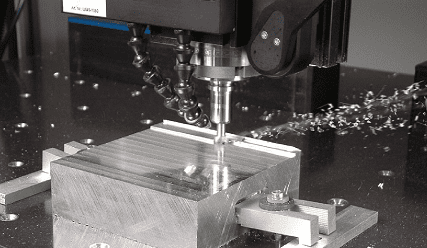
Struggling with parts that don't meet exact specifications? A single tiny flaw can cause catastrophic failures, costing you time and money. Precision machining is the solution for absolute accuracy.
Precision machining is an advanced subtractive manufacturing process that removes material from a workpiece to create a finished part based on a CAD design. It uses computer-controlled (CNC) tools to achieve extremely tight tolerances, high accuracy, and repeatability, which are impossible with conventional methods.
This process is the backbone of modern manufacturing, turning raw materials into the highly specific components that power everything from medical devices to aerospace vehicles. But achieving this level of exactness is more than just programming a machine; it's a meticulous workflow from start to finish. Let's explore the principles that make this incredible accuracy possible and how the entire process operates.
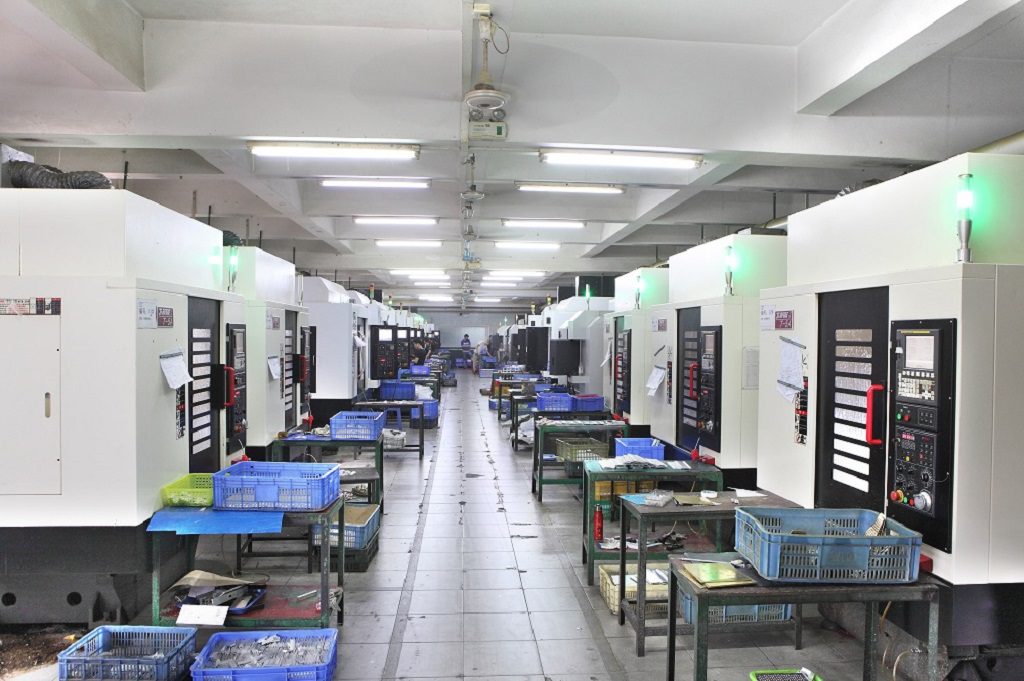
What is Precision Machining?
In my experience, precision machining is far more than just hitting a tolerance number on a drawing. It’s a commitment to ensuring that every single part we produce, whether it’s the first or the ten-thousandth, is identical and flawless. This manufacturing discipline involves using highly controlled processes to shape materials like metal, plastic, and composites with extreme accuracy. The goal is to produce components that adhere to very strict dimensional and geometric tolerances specified by the designer.
Core Principles
To truly understand precision machining, we must look at the principles that define it.
- Accuracy and Precision: While often used interchangeably, these terms have distinct meanings in manufacturing. Accuracy refers to how close a measurement is to the true value. Precision refers to how repeatable or consistent the measurements are. In our work, we need both. The machine must be accurate enough to hit the target dimension and precise enough to do it every single time.
- Tolerances: A tolerance is the permissible limit of variation in a physical dimension. For example, a drawing might specify a dimension of 10 mm ±0.01 mm. This means the final part is acceptable if its dimension falls between 9.99 mm and 10.01 mm. At Worthy, we can hold standard metal tolerances to +/- 0.005" (+/- 0.127 mm), but for critical applications, our advanced equipment and processes allow us to achieve and verify tolerances under +/- 0.001".
- Subtractive Manufacturing: Unlike additive manufacturing (like 3D printing) which builds material up, precision machining is a subtractive process. It starts with a solid block or rod of material (the workpiece) and systematically removes material using cutting tools, drills, and grinding wheels to achieve the final shape.
- Role of CAD/CAM: Modern precision machining is impossible without Computer-Aided Design (CAD) and Computer-Aided Manufacturing (CAM).
- CAD: Engineers create a detailed 2D or 3D digital model of the part. This file contains all the necessary dimensions, tolerances, and geometric features.
- CAM: The CAM software takes the CAD model and generates the toolpaths and G-code, which are the specific instructions that tell the CNC machine how to move, what tool to use, and at what speed and feed rate to cut.
This combination of principles, powered by advanced technology, is what allows for the creation of complex and critical components.
How Does the Precision Machining Workflow Operate?
Step 1: Design Review and DFM Analysis
The process begins the moment we receive a customer's CAD file. Before any metal is cut, our team of engineers conducts a thorough Design for Manufacturability (DFM) analysis. The goal is to identify any potential issues in the design that could make it difficult, expensive, or impossible to machine. We look at factors like:
- Wall thickness
- Hole depths and diameters
- Internal corner radii
- Material selection
- Tolerance stack-up
By providing this feedback early, we can often help customers improve their designs to save costs and shorten lead times without sacrificing performance.
Step 2: CAM Programming and Simulation
Once the design is finalized, our programmers import the CAD model into advanced CAM software. Here, they strategically plan the entire machining operation. This includes:
- Selecting the right machine (e.g., 3-axis mill, 5-axis mill, or lathe).
- Choosing the appropriate cutting tools and materials.
- Defining the toolpaths, which is the exact route the cutting tool will take.
- Setting the optimal speeds and feed rates for the selected material.
Before sending the program to the machine, we run a digital simulation. This allows us to verify the toolpaths, check for any potential collisions between the tool, workpiece, and machine components, and ensure the final part will match the design.
Step 3: Machine Setup
This is a physical and precise step. A skilled machinist sets up the CNC machine by:
- Securing the Workpiece: The raw block of material is firmly clamped onto the machine bed or into a chuck. This must be done with extreme rigidity to prevent any movement during the high-force cutting process.
- Loading the Tools: The required cutting tools are loaded into the machine’s tool magazine in the correct order.
- Setting the Work Offsets: The machinist uses a probe or other tools to tell the machine exactly where the workpiece is located in 3D space. This calibrates the machine to the workpiece, ensuring the first cut starts in the right place.
Step 4: Machining
With the program loaded and the setup complete, the machining begins. The CNC machine autonomously executes the G-code line by line. It automatically changes tools as needed and uses a coolant system to flood the cutting area. This coolant lubricates the tool, prevents overheating, and washes away chips. Depending on the part's complexity, this process can involve multiple operations, such as milling, turning, drilling, and tapping, sometimes on different machines.
Step 5: Quality Inspection and Verification
Precision isn't just about how a part is made; it's about verifying that it was made correctly. This is why, at Worthy, every part undergoes a 100% inspection process. We use a range of calibrated metrology instruments:
- Calipers and Micrometers: For quick and accurate measurements of external and internal dimensions.
- Coordinate Measuring Machines (CMMs): For complex geometries and very tight tolerances, a CMM uses a sensitive probe to measure thousands of points on the part's surface, comparing them directly to the original CAD model.
What Equipment and Methods are Used in Precision Machining?
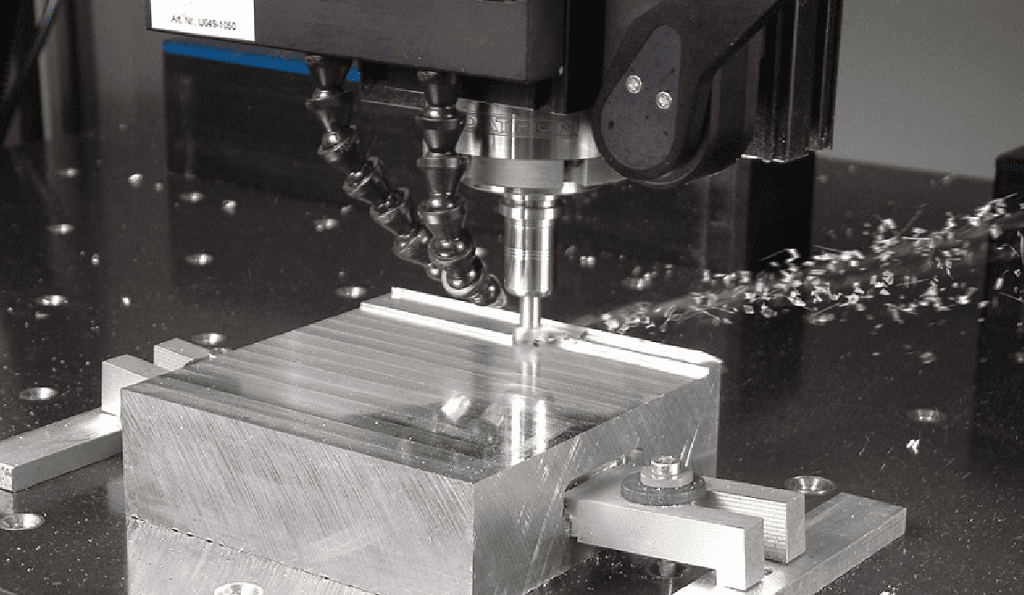
CNC Milling
CNC milling is a cornerstone of precision machining. In this process, the workpiece is held stationary while a rotating multi-bladed cutting tool moves along multiple axes to remove material.
- 3-Axis and 4-Axis Milling: These are the most common types of milling. A 3-axis machine moves the tool along the X, Y, and Z linear axes. A 4-axis machine adds a single rotational axis. They are excellent for producing a wide variety of simpler parts with flat surfaces, pockets, and holes.
- 5-Axis CNC Milling: This is the most advanced form of milling and a key part of our capabilities. In addition to the three linear axes (X, Y, Z), a 5-axis machine can rotate the workpiece or the tool on two additional axes (A and B). This allows us to machine highly complex shapes, contours, and angles in a single setup. By avoiding the need to manually re-fixture the part, we increase accuracy, reduce lead times, and can create geometries that would otherwise be impossible. We can handle milled parts up to 80” x 48” x 24”.
CNC Turning (Lathes)
CNC turning is used to create cylindrical or conical parts. The process involves rotating a workpiece at high speed while a stationary single-point cutting tool moves along its surface to shape it.
- Process: The raw material, typically a round bar, is held in a chuck and spun. The cutting tool then removes material to create features like grooves, tapers, and threads.
- Applications: This method is ideal for producing parts like shafts, pins, bolts, and other components with rotational symmetry. Our lathes can handle parts up to 62” in length and 32” in diameter.
Electrical Discharge Machining (EDM)
EDM is a non-traditional machining method that uses controlled electrical sparks to shape a workpiece. It is also known as spark machining.
- Working Principle: An electrode and the workpiece are submerged in a dielectric fluid. A high-frequency electrical discharge is created between them, which generates intense heat and erodes (melts and vaporizes) the material in a highly precise and controlled manner.
- Use Cases: EDM is essential for machining extremely hard materials (like tool steel) or for creating features that are difficult to produce with traditional cutters, such as sharp internal corners, deep and narrow slots, or complex mold cavities.
Grinding
Grinding is typically used as a finishing process to achieve very fine surface finishes and exceptionally tight tolerances. It uses a rotating abrasive wheel to remove minute amounts of material from a workpiece. This process can smooth out surfaces to a mirror-like finish (our standard is 125 Ra or better) and refine dimensions to within a few micrometers.
What are the Key Advantages of Precision Machining?
Unmatched Accuracy and Repeatability
Because the process is controlled by a computer executing a pre-written program, it virtually eliminates the potential for human error during the cutting phase. This ensures that every part is identical. Whether we are making a single prototype or a high-volume run of 10,000 pieces, the first part and the last part will be produced with the same high level of accuracy.
Ability to Create Complex Geometries
Modern CNC machines, especially our 5-axis centers, can produce incredibly complex and intricate parts. Features like curved surfaces, undercuts, and organic shapes, which are impossible or prohibitively expensive to create with manual methods, can be machined efficiently and accurately in a single operation.
Wide Range of Material Compatibility
Precision machining is not limited to a single type of material. At Worthy, we have experience working with over 100 different materials. This includes:
- Metals: All kinds of aluminum, steel, stainless steel, titanium, brass, and copper.
- Plastics: Performance plastics like PEEK and ULTEM, as well as common polymers like ABS, Nylon, and Delrin.
- Specialized Materials: We can also machine composites like carbon fiber and different types of wood.
This versatility allows us to serve a broad range of industries, from aerospace to medical devices.
Superior Quality and Surface Finish
The controlled nature of precision machining results in parts with excellent dimensional stability and structural integrity. Furthermore, through processes like fine milling and grinding, we can achieve a variety of surface finishes as required by the customer, from a standard as-machined finish to highly polished or textured surfaces. We support over 50 surface finishes, including anodizing, powder coating, and plating.
Scalability and Efficiency
Precision machining is highly scalable. The same process and programming can be used to create a one-off prototype for fit and function testing or be scaled up for mass production runs. Once the machine is set up, it can run continuously with minimal supervision, leading to high efficiency and faster production cycles. This flexibility allows us to offer a standard lead time of just 3 business days for many projects, with no minimum order quantity (MOQ) limitations.
Why Should You Choose Precision Machined Parts?
Guarantees Product Reliability and Performance
This is the most critical benefit. Precision machined parts are manufactured to exact dimensions, ensuring they fit and function perfectly within an assembly every single time. There is no guesswork. This reliability is essential because, as I've seen too many times, a single, minuscule flaw in a non-precision component can cause the failure of an entire system. This can lead to costly recalls, warranty claims, and damage to your brand's reputation. This extreme attention to detail translates directly into the market competitiveness and long-term success of your product.
Reduces Overall Costs
While a precision part might have a higher upfront cost than a conventionally made one, it is almost always more cost-effective in the long run. Here’s why:
- No Rework: Parts arrive ready to use, eliminating the need for costly and time-consuming manual adjustments or finishing on your end.
- Faster Assembly: When every component fits perfectly, your assembly process becomes smoother and faster, reducing labor costs.
- Zero Waste: With our 100% inspection process, you won't receive a batch of parts only to find that half of them are out of tolerance and must be scrapped.
Ensures Consistency at Scale
For businesses that require high-volume production, consistency is non-negotiable. Your assembly lines depend on a predictable and uniform supply of components. Precision machining is a digital process that guarantees repeatability. The thousandth part we produce for you will be identical to the first, ensuring your production can scale smoothly without unexpected interruptions or quality issues.
Enables Innovation
Precision machining, especially with 5-axis capabilities, empowers engineers to design more complex, efficient, and integrated parts. It opens the door to creating innovative solutions that were previously impossible to manufacture. This capability allows you to build lighter, stronger, and better-performing products, giving you a significant edge over the competition.
Which Industries Benefit from Precision Machining?

- Aerospace and Defense: This is perhaps the most demanding industry. Components for aircraft, satellites, and defense systems must withstand extreme temperatures, pressures, and vibrations. There is zero room for error. We machine lightweight, high-strength materials like aluminum and titanium to incredibly tight tolerances for critical structural and flight control components.
- Medical and Dental: Patient safety is paramount. Surgical instruments, orthopedic implants (like hip joints), and components for diagnostic equipment (like MRI and CT scanners) must be flawless. We use biocompatible materials and achieve ultra-fine surface finishes to ensure parts are sterile, durable, and perform their function perfectly.
- Automotive: From high-performance racing engines to the electric motors in modern vehicles, the automotive industry relies on precision machining for key components. Pistons, cylinders, gears, and transmission shafts require exact dimensions and material properties to ensure efficiency, performance, and long-term durability.
- Electronics and Semiconductors: As electronic devices become smaller and more powerful, the components inside them become more intricate. We produce precision parts like custom aluminum heat sinks, complex connectors, and fixtures used in the semiconductor manufacturing process, where microscopic accuracy is essential.
- Robotics and Industrial Automation: Robots and automated machinery are built for repetitive, high-precision tasks. This means their own components, such as gears, actuators, bearings, and structural frames, must be machined with exceptional accuracy to ensure smooth, reliable, and repeatable movement.
- Consumer Products: High-end consumer goods leverage precision machining to achieve a premium look, feel, and performance. This includes everything from the sleek metal bodies of smartphones and laptops to components in high-performance bicycles and professional photography equipment.
What Materials Can Be Used in Precision Machining?
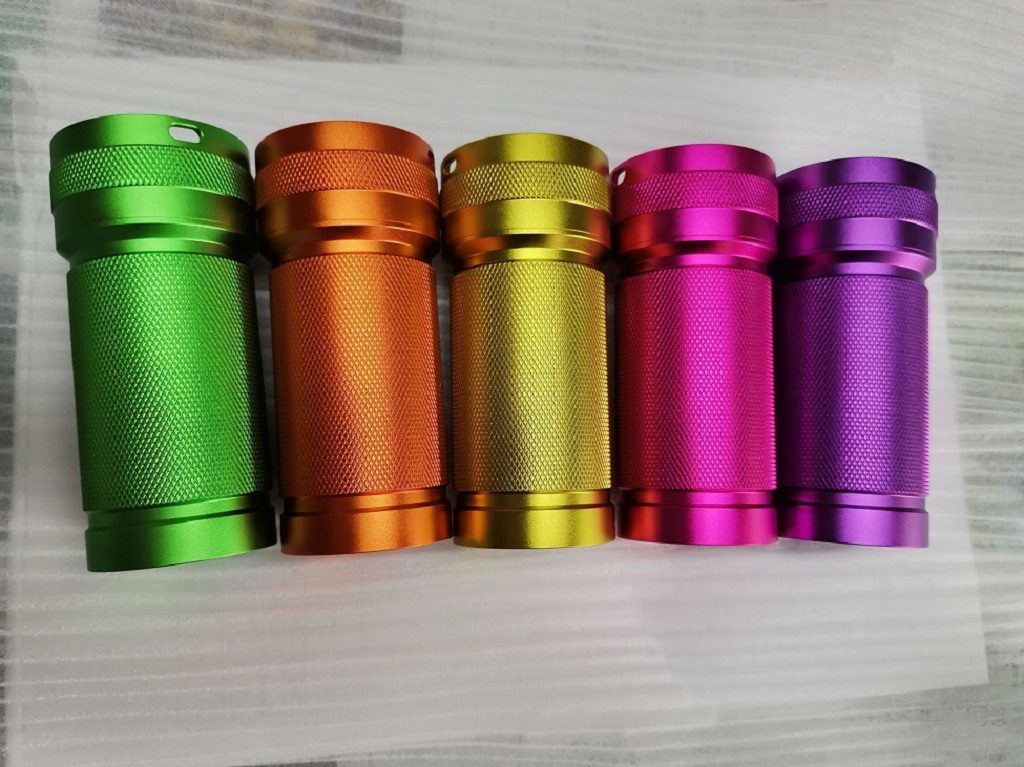
These materials are generally grouped into three main categories:
Metals
Metals are the most commonly used materials in precision machining due to their strength, durability, and conductivity. Our capabilities include:
- Aluminum (e.g., 6061, 7075): Lightweight, corrosion-resistant, and has a great strength-to-weight ratio. It's a popular choice for aerospace, automotive, and consumer electronics.
- Steel (e.g., Alloy Steel, Tool Steel): Known for its strength, hardness, and wear resistance. It's used for industrial components, tools, and high-stress applications.
- Stainless Steel (e.g., 303, 304, 316): Offers excellent corrosion resistance, making it ideal for medical devices, food processing equipment, and marine applications.
- Titanium: Extremely strong, lightweight, and biocompatible. It's a premium choice for aerospace components and medical implants.
- Brass and Copper: Valued for their excellent electrical conductivity and corrosion resistance. They are often used for electrical connectors, fittings, and decorative parts.
- Other Metals: We also work with a variety of other metals including bronze, zinc, magnesium alloys, and lead.
Plastics
Engineering plastics offer a range of benefits, including light weight, chemical resistance, and electrical insulation. They are often a cost-effective alternative to metals.
- ABS: A common thermoplastic with good impact resistance.
- Nylon: Offers excellent wear resistance and is often used for gears and bearings.
- Delrin (Acetal): A low-friction, high-stiffness plastic ideal for precision parts that require dimensional stability.
- Polycarbonate (PC): A transparent, high-impact-strength plastic used for guards and optical components.
- PEEK: A high-performance plastic that can withstand high temperatures and harsh chemicals. It's often used in demanding aerospace and medical applications.
- PTFE (Teflon): Known for its extremely low friction and chemical inertness.
- Other Plastics: We also machine Acrylic, Garolite, HDPE, Polypropylene, UHMW PE, PVC, and ULTEM, among others.
Other Materials
Beyond traditional metals and plastics, precision machining can also be applied to specialized materials for unique applications.
- Carbon Fiber: A composite material with an exceptional strength-to-weight ratio, commonly used in high-performance automotive and aerospace parts.
- Wood: We can machine various types of wood, including hardwoods, softwoods, and engineered woods, for custom fixtures, prototypes, and architectural models.
How Much Does Precision Machining Cost?
This is one of the most common questions we receive, and the answer depends on several interconnected factors. There is no flat-rate price because every custom part is different. However, understanding the key cost drivers can help you optimize your design for better value.
Material Type and Cost
The raw material is a primary cost driver. Common materials like aluminum 6061 are relatively inexpensive. In contrast, high-performance materials like titanium or PEEK can be significantly more expensive, which will be reflected in the final price of the part.
Machining Time and Complexity
The longer a part takes to machine, the more it will cost. Machining time is determined by:
- Part Geometry: A simple rectangular block with a few holes is quick to machine. A part with complex curves, organic shapes, and intricate features requires more advanced programming and longer machine run times, often on a 5-axis machine.
- Tolerances: Standard tolerances (e.g., +/- 0.005") are relatively straightforward to achieve. However, very tight tolerances (e.g., under +/- 0.001") require slower machining speeds, special tooling, and more frequent in-process measurements, all of which increase machining time and cost.
Production Volume (Quantity)
The number of parts you order has a major impact on the per-unit cost.
- Prototypes (Low Volume): A single prototype has a high unit cost because the entire setup cost (programming, machine setup, fixture creation) is applied to just one part. We proudly have no MOQ, so we are happy to produce single parts.
- Mass Production (High Volume): For large production runs, the initial setup costs are amortized, or spread, across thousands of units. This dramatically lowers the per-unit price.
Surface Finishes and Post-Processing
A part with a standard, as-machined finish (125 Ra or better) will cost less than a part that requires additional processing. Each finishing step adds labor and time. We offer over 50 surface finish options, and treatments like anodizing, powder coating, polishing, or heat treatment will add to the overall cost.
How Do You Select the Right Precision Machining Partner?
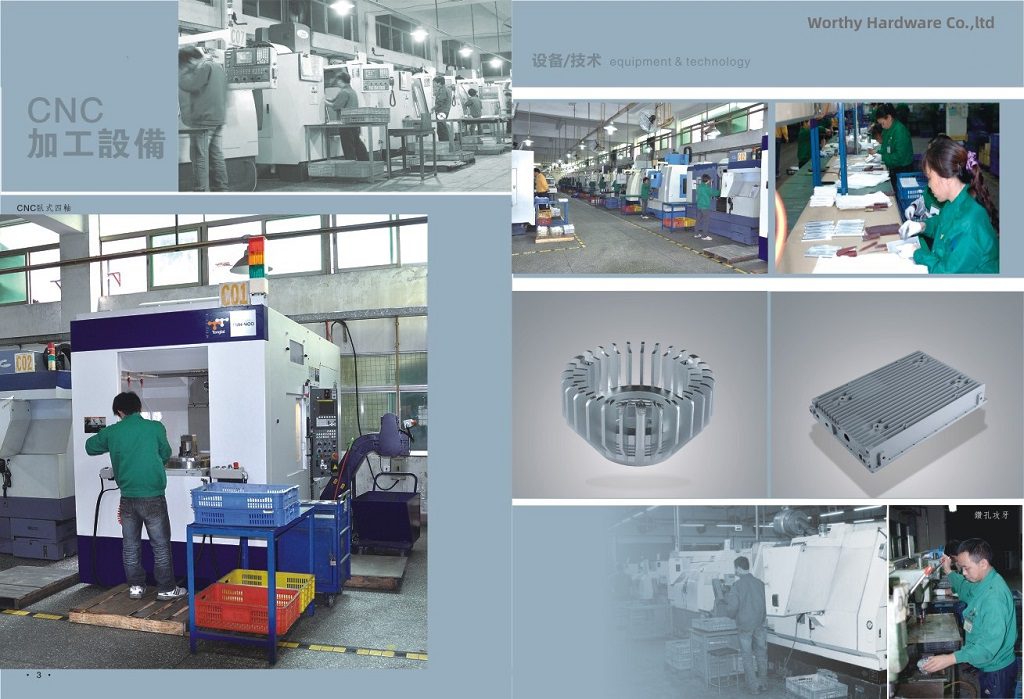
From my experience on the manufacturing side, I see what separates a successful partnership from a problematic one. Here are the key areas you should investigate when vetting a new supplier.
1. Evaluate Their Technical Capabilities
First, you must confirm they have the right equipment and expertise to make your part correctly.
- Machinery and Technology: Do they have the necessary equipment for your part's complexity? Ask about their machines. For complex parts, a partner with 5-axis CNC machines is essential. For our part, we have mills that can handle parts up to 80” and lathes for parts up to 62” in length.
- Tolerances: Be direct about your tolerance requirements. If your part needs very tight tolerances, ask for proof that they can achieve and measure them. We regularly hold tolerances below +/- 0.001" (+/- 0.025 mm) and can even reach 0.001mm in certain cases.
- Material and Finishing Expertise: A good partner should have deep experience with a wide range of materials. We have machined over 100 different metals and plastics. They should also offer the specific surface finishes you need, whether it's anodizing, powder coating, or simple deburring. We offer more than 50 finishing options.
2. Scrutinize Their Quality Control Systems
Never take a supplier's claims about quality at face value. You need to see evidence of a robust quality system. This is a common pain point for buyers, and a good supplier will be transparent here.
- Inspection Process: Ask them to describe their inspection process. What happens when a part comes off the machine? At Worthy, every single part goes through a 100% inspection process before it is packaged.
- Certifications: Ask for quality certifications, like ISO 9001, and if they adhere to standards like ISO 2768 for general tolerances.
- Inspection Reports: A reliable partner should be able to provide detailed inspection reports with measurements for critical dimensions upon request.
3. Assess Their Communication and Support
Inefficient communication is a major source of delays and errors. The partner you choose must be easy to work with.
- Responsiveness: How quickly and clearly do they respond to your inquiries? Delays in communication during the quoting stage are often a red flag for future problems.
- Engineering Support: A key differentiator is a partner who offers Design for Manufacturability (DFM) feedback. Our four engineers often help customers simplify a design or change a tolerance to reduce machining time and save significant costs. This proactive support is invaluable.
- Language and Technical Understanding: Ensure their sales and engineering teams are fluent in your language and fully understand technical drawings, including GD&T callouts.
4. Review Their Track Record and Logistics
Finally, a good partner should have a proven history of delivering for customers like you.
- Past Work: Ask for case studies or examples of similar parts they have manufactured.
- Logistics: Confirm they have experience shipping to your country (e.g., North America, Europe, Australia). Discuss lead times and their on-time delivery record. This is crucial for avoiding disruptions to your own production schedule.
What is the Process of Working with a Precision Machining Partner?
Once you have selected a partner, the process should be clear and straightforward. Here is the typical workflow we follow with our clients.
Step 1: Initial Consultation and Quoting
- Submit Your Design: The process begins when you send us your design files. This typically includes a 3D CAD model (like STEP, IGS, or X_T) and a 2D technical drawing (PDF) that specifies materials, tolerances, finishes, and quantities.
- DFM Feedback and Quotation: Our engineering team immediately reviews your design. This is where we provide any DFM feedback to optimize your part for manufacturing. Within 24 hours, we will return a detailed quote that outlines the price per unit at different quantities and the estimated lead time.
Step 2: Order Confirmation and Production Planning
- Finalizing Details: Once you approve the quote, we confirm the final order details, including the delivery schedule and shipping address.
- Programming and Setup: Our programmers then translate your CAD file into machine code (G-code). We select the appropriate raw material from our inventory and set up the CNC machine with the correct tooling and fixtures.
Step 3: Machining and Quality Inspection
- Manufacturing: The CNC machine executes the program, cutting the part from the raw material.
- In-Process and Final Inspection: Throughout the machining process, our operators perform checks to ensure dimensions are correct. After the part is complete and has been deburred, it goes to our quality department for a 100% final inspection using precision measurement tools.
Step 4: Finishing, Packaging, and Shipping
- Surface Finishing: If the part requires a specific finish, like anodizing or powder coating, it is sent to our finishing department.
- Packaging and Logistics: Once complete, the parts are carefully packaged to prevent damage during transit. We handle all shipping logistics to ensure the parts arrive safely at your facility, providing you with tracking information.
Conclusion
Choosing the right precision machining partner is a critical business decision that goes beyond just finding the lowest price. From my experience, the best results come from a true partnership built on proven technical capabilities, transparent quality control, and responsive communication. This strategic choice ensures your project's success and your supply chain's reliability.