
What Are the Main Types of CNC Machining and Their Applications
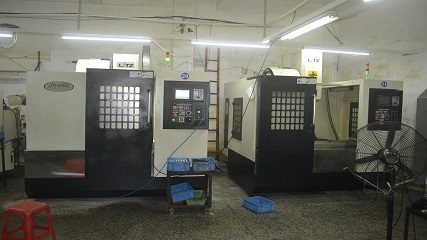
Choosing the wrong manufacturing process can be costly and time-consuming. You need the right information to make a smart decision for your project's budget and timeline.
The main types of CNC machining include milling, turning (lathes), and routing. CNC milling uses rotating tools to cut complex shapes. CNC turning rotates the workpiece to create cylindrical parts. CNC routing is ideal for cutting large, flat sheets of softer materials like wood or plastic.
Understanding these core differences is the first step toward optimizing your parts for production. At Worthy, we guide our clients through this selection process daily. This article breaks down the capabilities of each machine type to help you determine the best fit for your specific application. Let's dive into the details of what makes each process unique.
What is CNC Machining and Its Core Principles?
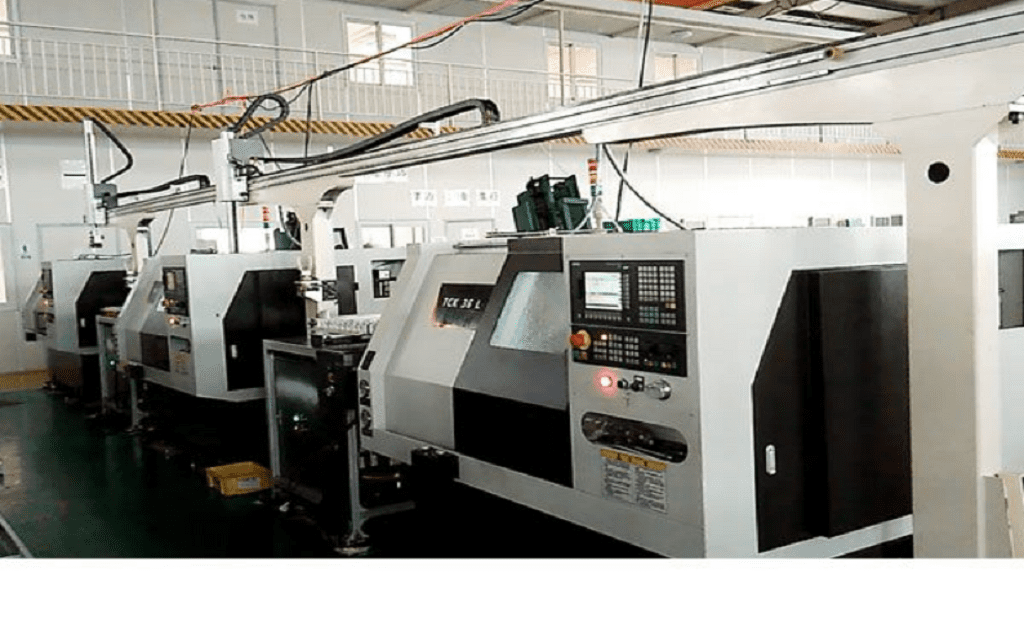
CNC stands for Computer Numerical Control. It is a subtractive manufacturing process. This means we start with a solid block of material and cut away unnecessary parts to create a final design. The entire process is automated and controlled by a computer.
The core principle involves a digital design file, usually a CAD (Computer-Aided Design) model. This model is converted into a set of instructions called G-code. The G-code tells the CNC machine exactly where to move, how fast to go, and what tool to use. This precision control allows us to produce highly accurate and repeatable parts.
- Input: A digital 3D model (e.g., STEP, IGS, X_T).
- Process: The model is converted to G-code.
- Execution: The CNC machine follows the G-code to remove material.
- Output: A finished part matching the digital design with high precision.
What Classifications Exist for Different CNC Machines?
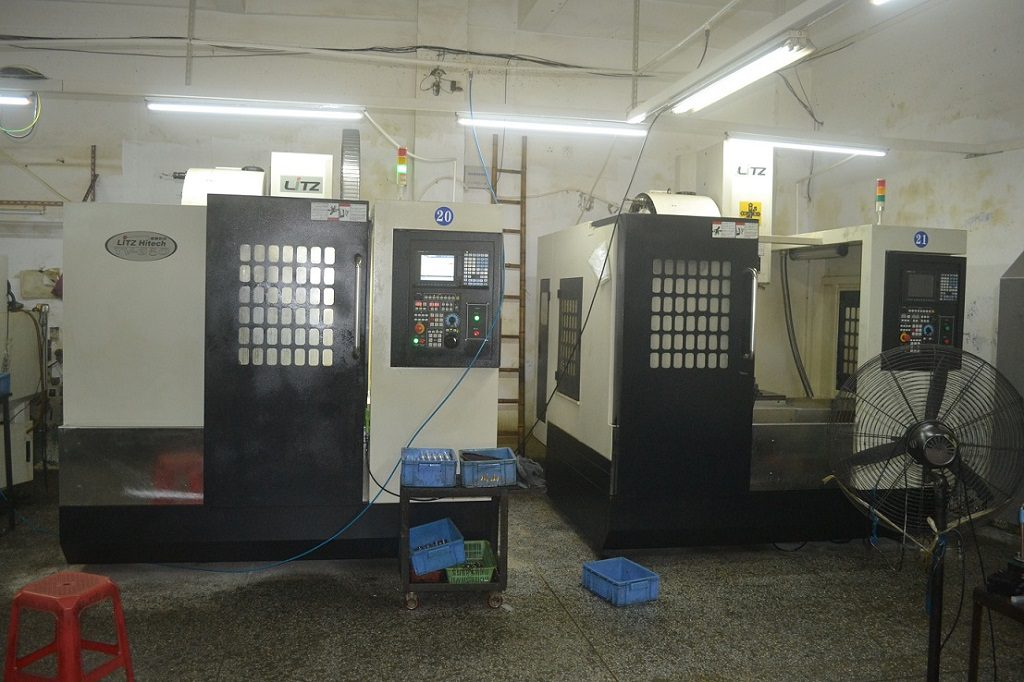
CNC machines are categorized based on how they remove material and the types of parts they produce. While many variations exist, the three most fundamental classifications in our industry are CNC milling machines, CNC routers, and CNC lathes. Each is designed for specific geometries and materials, and choosing the correct one is critical for achieving efficiency and quality.
What Machining Capabilities Can CNC Milling Machines Offer You?
CNC milling is one of the most versatile machining processes. It is used to create a wide variety of complex shapes, slots, holes, and features.
- Working principles and characteristics of milling machines A milling machine uses a rotating, multi-point cutting tool to remove material from a stationary workpiece. The workpiece is mounted on a bed that can move in multiple directions. At Worthy, our machines range from basic 3-axis systems to advanced 5-axis centers. 5-axis machining allows the cutting tool to approach the part from five different directions simultaneously. This capability enables us to produce extremely complex geometries in a single setup, improving accuracy and efficiency.
- Application examples of milling machines across industries Milling is essential in nearly every manufacturing sector.
- Aerospace: Turbine blades, structural components, and complex housings.
- Automotive: Engine blocks, transmission components, and custom fixtures.
- Medical: Surgical instruments, orthopedic implants, and custom prosthetics.
- Electronics: Heatsinks, enclosures, and semiconductor components.
- Limitations and cost analysis of milling machines The main limitation is that milling can be slower than turning for parts with purely cylindrical features. The cost of a milled part depends on several factors: material type, part complexity, required tolerances, and total machine time. 5-axis machining, while capable, is typically more expensive due to the complexity of programming and machine setup.
How Do CNC Routers Achieve Fine Planar Cutting?
CNC routers are often seen as a lighter version of CNC mills. They excel at cutting large, flat sheets of softer materials with high speed and good accuracy.
- Differences between routers and traditional tools Unlike CNC mills, which are built for heavy-duty cutting of hard metals, CNC routers are designed for high-speed movements across a large work area. Mills use a stationary workpiece and moving tool, while routers typically move the tool along a gantry over a large, fixed table. This makes routers perfect for processing materials like wood, plastics, foam, and soft metals like aluminum.
- Applications of routers in decoration and furniture industries Our CNC routing services are popular for applications that require large, detailed parts.
- Signage: Cutting intricate letters and logos for commercial signs.
- Furniture: Shaping cabinet doors, tabletops, and decorative wood panels.
- Prototyping: Quickly creating large-scale models from foam or plastic.
- Marine: Crafting boat hulls and interior components from composite materials.
- Usage limitations and investment costs of routers CNC routers are not suitable for machining hardened steel or other tough alloys. Their structural rigidity and spindle power are lower than a milling machine, which limits their precision. Tolerances are generally looser, often around +/- 0.010”. However, the initial investment for a CNC router is significantly lower than for a high-precision milling center, making it a cost-effective solution for appropriate applications.
Why Are CNC Lathes the First Choice for Rotational Machining?
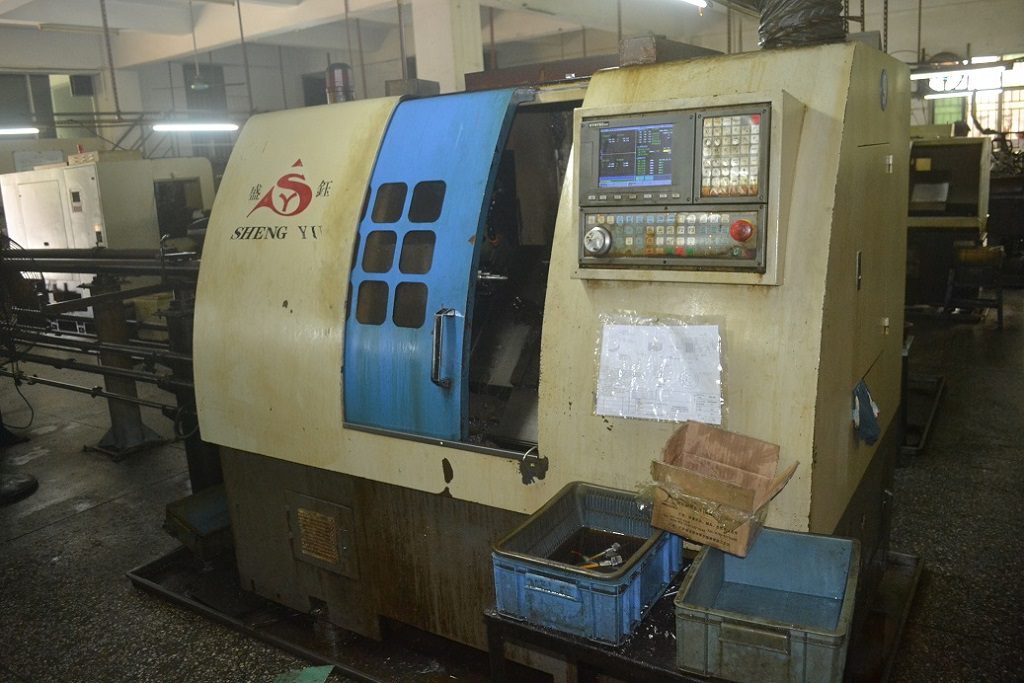
CNC lathes, also known as CNC turning centers, are specialized for creating parts with cylindrical or rotational symmetry. They are incredibly fast and efficient for producing these types of components.
- Working principles and machining capabilities of lathes In a CNC lathe, the workpiece is held in a chuck and rotated at high speed. A stationary cutting tool is fed into the rotating workpiece to remove material. This process is ideal for creating shafts, pins, rings, and any part with a central axis. Our lathes can handle parts up to 62” in length and 32” in diameter. Modern lathes can also have "live tooling," which allows them to perform secondary milling or drilling operations, creating more complex parts in one setup.
- Widespread applications of lathes in manufacturing Turning is a fundamental process for creating components used everywhere.
- Automotive: Axles, camshafts, and transmission shafts.
- Industrial: Screws, bolts, nuts, and hydraulic fittings.
- Consumer Products: Metal knobs, flashlight bodies, and small pins.
- Energy: Components for valves, pumps, and turbines.
- Limitations and return on investment analysis of lathes The primary limitation of a lathe is that it can only produce parts with rotational features. It cannot create prismatic shapes like a square block or a complex housing. However, for high-volume production of turned parts, the return on investment is excellent. The speed and efficiency of the turning process lead to a low per-part cost, especially when compared to milling the same feature.
How Should You Choose CNC Equipment for Special Machining Needs?
Sometimes, standard milling and turning are not the right fit for a project. Certain materials or complex designs require specialized cutting technologies. When our customers face these challenges, we often discuss processes like laser cutting, plasma cutting, Wire EDM, and waterjet cutting. Understanding their differences is key to choosing the most effective and economical solution.
What Safety Standards Must Be Maintained in Modern Machine Shops?
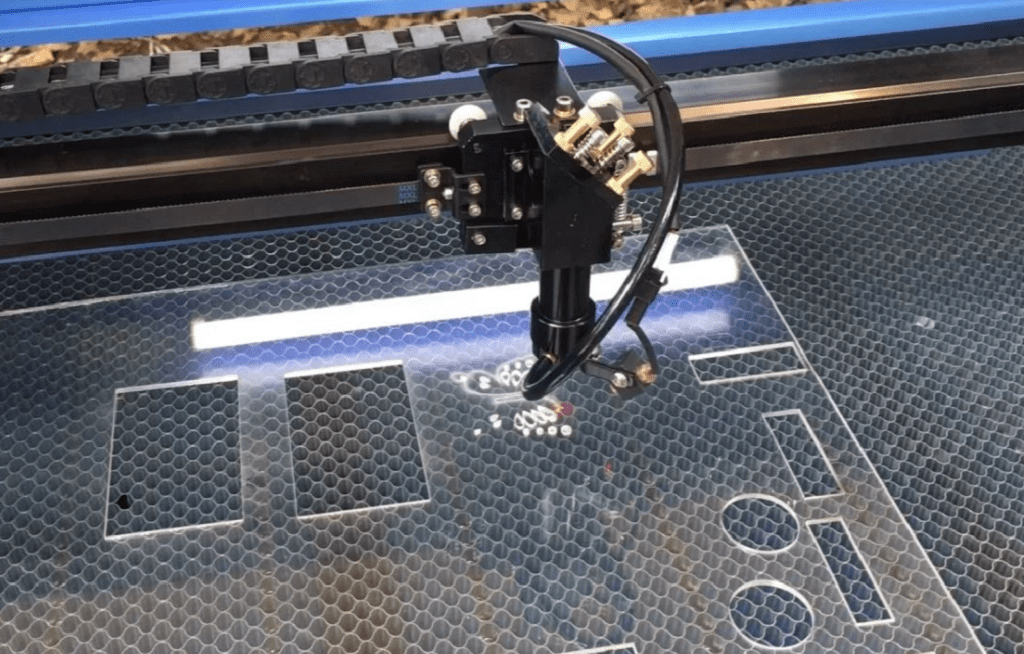
Laser and plasma cutting are both thermal processes used to cut sheet metal. However, they operate on different principles and are suited for different tasks.
- Comparison of principles between the two cutting technologies
- Laser Cutting: This method uses a highly focused, high-energy beam of light (a laser) to melt, burn, or vaporize material in a very small area. A jet of assist gas, like oxygen or nitrogen, then blows the molten material away to create the cut. It is known for its extremely high precision and narrow cut width (kerf).
- Plasma Cutting: This process uses an electrically charged, high-velocity jet of ionized gas, known as plasma. The plasma arc melts the material, and the high-speed gas stream blows the molten metal away. It is a powerful and fast process, primarily used for electrically conductive metals.
- Application scenarios and material compatibility
- Laser Cutting: Ideal for thin to medium-thickness metals, especially steel, stainless steel, and aluminum. It excels at creating intricate patterns, sharp corners, and parts requiring very tight tolerances. Lasers can also cut non-metallic materials like acrylic, wood, and some plastics. The heat-affected zone (HAZ) is very small.
- Plasma Cutting: This is the go-to method for cutting thick, electrically conductive metals (typically over 1/2 inch or 12 mm). While less precise than laser cutting, it is significantly faster and more powerful on thick plates. Common applications include heavy equipment manufacturing, structural steel fabrication, and shipbuilding.
- Cost-effectiveness and return on investment analysis
- Laser Cutting: The initial investment for a laser cutter is high. Operating costs are also considerable due to power consumption and the cost of assist gases. However, for high-volume production of precise parts, the excellent edge quality often eliminates the need for secondary finishing, improving overall cost-effectiveness.
- Plasma Cutting: Plasma cutters have a lower initial investment cost. They are very cost-effective for cutting thick metals due to their high speed. The main operating costs come from power and the replacement of consumables like electrodes and nozzles. The ROI is excellent for heavy fabrication shops that do not require the ultra-high precision of a laser.
Which Is More Suitable for Your Needs: Wire EDM or Waterjet Cutting?
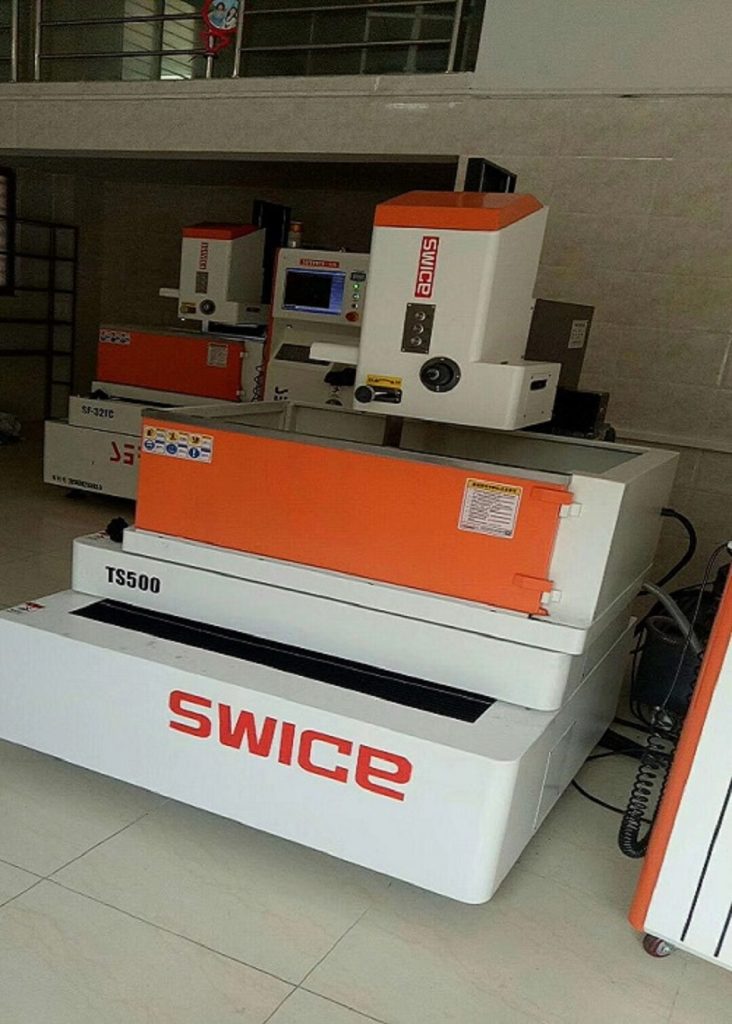
Wire EDM and waterjet are both non-traditional machining processes capable of producing highly complex parts. They are cold-cutting methods, meaning they do not generate a significant heat-affected zone.
- Working principles and applicable materials for each
- Wire EDM (Electrical Discharge Machining): This process uses a thin, electrically charged wire (typically brass) as an electrode to cut conductive materials. A series of rapid electrical sparks travel from the wire to the workpiece, eroding the material along a pre-programmed path. The process takes place in a bath of deionized water. It only works on materials that conduct electricity, like metals and graphite.
- Waterjet Cutting: This method uses a very high-pressure stream of water (up to 90,000 PSI) forced through a tiny nozzle. For cutting hard materials like metal, stone, or composites, an abrasive substance (like garnet) is mixed into the water stream. The abrasive particles erode the material. Waterjet can cut virtually any material, from soft foam to hardened tool steel.
- Application advantages in precision manufacturing
- Wire EDM: Offers supreme precision, capable of achieving tolerances as tight as +/- 0.0001" (0.0025 mm). It is the ideal process for creating complex tooling, dies, molds, and parts with intricate internal features and sharp corners. Because there is no mechanical force exerted on the part, it can cut very delicate and thin sections without causing distortion.
- Waterjet Cutting: Highly versatile and precise, though generally less so than Wire EDM. It is an excellent choice for cutting materials that are sensitive to heat, such as plastics, composites, and some aluminum alloys. It can also cut stacked sheets of different materials at the same time. Its ability to cut very thick materials (over 12 inches or 300 mm) gives it a unique advantage.
- Comparison of investment costs and operating expenses
- Wire EDM: The initial machine cost is high. Operating expenses include the cost of the wire (which is a consumable), deionized water, filters, and electricity. Machining times are often long, which contributes to a higher per-part cost. However, for applications requiring its level of precision, it is often the only viable option.
- Waterjet Cutting: The initial investment can vary but is generally comparable to or slightly less than Wire EDM. The primary operating costs are for the high-pressure pump maintenance, nozzles, and the abrasive material, which is a major recurring expense. Cutting speeds are faster than EDM, making it more cost-effective for many applications, especially on thicker materials or non-conductive parts.
How Do Different Axes in CNC Machines Affect Machining Capabilities?
The number of axes a CNC machine has directly determines its movement capabilities, the complexity of the parts it can produce, and its overall efficiency. When a customer brings us a design, one of the first things we evaluate is which machine axis configuration is best suited for the job. More axes allow for more complex geometries to be machined in fewer steps.
What Are the Advantages and Limitations of 3-Axis to 5-Axis CNC Machines?

The progression from 3-axis to 5-axis machining represents a significant leap in capability. Each configuration has its place in a modern machine shop like ours.
- Working principles of machines with different axes
- 3-Axis CNC Machining: This is the most common form of CNC machining. The cutting tool moves along three linear axes: X (left-right), Y (forward-backward), and Z (up-down). The workpiece remains stationary. This is suitable for parts with features that can be accessed from a single direction, like drilling holes or milling simple pockets.
- 4-Axis CNC Machining: This adds a single rotational axis (the A-axis) to the standard 3 axes. This rotation allows the workpiece to be turned, enabling machining on its sides without needing to manually re-fixture it. It is excellent for cutting cylindrical features or engraving around a part.
- 5-Axis CNC Machining: This configuration adds a second rotational axis (the B or C-axis). This allows the cutting tool to approach the workpiece from a full range of angles. There are two main types:
- 3+2 Axis (Indexed): The machine orients the part using the two rotational axes, then locks them in place while performing a 3-axis cutting operation. This allows complex features on different faces to be machined in a single setup.
- Continuous 5-Axis: All five axes move simultaneously during the cutting process. This enables the machining of very complex, contoured surfaces like those found on aerospace components or medical implants.
- Analysis of processing complexity and precision
- 3-Axis: Best for simpler, prismatic parts. Precision can be compromised if the part needs multiple setups, as re-positioning can introduce small errors.
- 4-Axis: Can handle moderately complex parts, especially those with features on multiple sides. Reduces setup time compared to 3-axis.
- 5-Axis: Capable of producing the most complex geometries in a single setup. This "done-in-one" approach dramatically improves precision because the part is never moved. It also allows for the use of shorter, more rigid tools, which reduces vibration and results in a superior surface finish.
- Cost investment comparison for various machine types
- 3-Axis: These machines have the lowest initial cost. Programming is simpler, and they are the most cost-effective solution for less complex components.
- 4-Axis: The machine and programming costs are moderately higher than for 3-axis.
- 5-Axis: This represents a significant investment. The machines are expensive, and programming is far more complex, requiring advanced CAM software and highly skilled operators. While the hourly rate is higher, 5-axis machining can be more cost-effective for complex parts by eliminating the labor and time of multiple setups. At Worthy, our 5-axis capabilities are essential for serving clients in high-tech industries.
Why Are Advanced Multi-Axis CNC Systems (7-12 Axes) Suitable for Complex Part Manufacturing?
For the most demanding applications, manufacturers use multi-axis systems that go beyond 5 axes. These machines are often called "multi-tasking" or "mill-turn" centers, and they combine different manufacturing processes into a single platform.
- Collaborative working principles of multi-axis systems These advanced systems integrate the capabilities of both a CNC lathe and a CNC mill. A typical 9-axis machine might have:
- A main spindle that rotates the part (like a lathe).
- A sub-spindle that can grab the part from the main spindle to work on its back side.
- An upper turret with milling and turning tools that moves in X, Y, and Z axes and can also rotate (B-axis).
- A lower turret with additional tools. All these components work in coordination, allowing the machine to turn a part, mill features, drill holes, and then pass it to the sub-spindle to complete the back side, all without any human intervention. The part drops out of the machine completely finished.
- Applications in aerospace and medical devices The "done-in-one" capability of multi-axis systems is critical in industries where complexity and precision are non-negotiable.
- Aerospace: Manufacturing complex jet engine components, landing gear parts, and actuators that require both turned and milled features with extreme accuracy.
- Medical Devices: Producing intricate surgical instruments and orthopedic implants, like bone screws or spinal fusion cages, which have complex geometries and require perfect surface finishes.
- Investment value and payback period analysis The initial investment for a multi-axis machine is very high, often costing several times more than a standard 5-axis machine. The programming and setup are also exceptionally complex. However, the investment offers immense value for the right type of production. By combining multiple operations and eliminating setups, these machines dramatically reduce cycle times, minimize the potential for human error, and run "lights out" (unattended). For high-volume production of complex parts, the payback period can be surprisingly short due to the massive gains in efficiency and labor savings.
How to Choose the Most Suitable CNC Machining Solution for Your Project?
To choose the best CNC solution, evaluate your part's complexity, volume, and required precision. For prototypes, complex designs, or varied needs, outsourcing to a specialist like Worthy Hardware is efficient. For high-volume, simple parts, in-house production can be a long-term option if you manage the investment.
Which Better Meets Your Needs: Building CNC Equipment or Outsourcing Services?
This is a classic "build vs. buy" dilemma that many of our customers face before deciding to partner with us. The decision impacts your finances, operations, and ability to scale.
- Analysis of investment costs and operating expenses
- In-House Production: The initial investment is extremely high. This includes the machine cost, facility space, power upgrades, CAM software, tooling, and inspection equipment. Operating expenses are continuous and include skilled labor (operators, programmers, maintenance technicians), raw materials, electricity, consumable tools, and routine maintenance.
- Outsourcing: There is no capital investment in equipment. You pay a per-part or per-project price. This converts a large capital expenditure into a predictable operational expense. Costs are clear and directly tied to your production needs, which simplifies budgeting. For most companies, especially startups or those with fluctuating demand, this is the most financially viable option.
- Advantages and considerations of professional outsourcing services
- Access to Expertise: You gain immediate access to experienced engineers and machinists. At Worthy, our team helps customers optimize designs for manufacturability, saving them time and money.
- Advanced Technology: Established providers have a wide range of machines (like 3-axis, 5-axis, and lathes) and materials. This gives you the flexibility to produce different parts without investing in multiple types of equipment.
- Scalability: You can easily scale production up or down based on demand, from a single prototype to high-volume runs, without worrying about machine capacity.
- Focus on Core Business: Outsourcing lets you focus on your primary strengths, such as product design, marketing, and sales, instead of managing a manufacturing facility.
- Considerations: Communication is key. Working with an overseas supplier like us requires clear technical drawings and consistent communication to avoid misunderstandings. You also need to trust your supplier's quality control process.
- How to evaluate the capabilities of CNC machining service providers
Choosing the right partner is critical for success. When our new customers evaluate us, we encourage them to look at these areas:
- Technical Capability: Do they have the right machines and technology for your parts? Ask about their maximum part size, available materials, and tolerance capabilities. For example, we can hold tolerances down to +/- 0.001" and handle a wide range of metals and plastics.
- Quality Control: What is their inspection process? Ask for their quality certifications (like ISO 9001). A reliable supplier should provide inspection reports. We perform 100% inspection on all parts to guarantee quality.
- Experience and Communication: Look at their portfolio and case studies. Is their team responsive and easy to communicate with? Clear and efficient communication, especially from the engineering team, can prevent costly errors and delays.
- Logistics and Lead Time: Understand their standard lead times and shipping options. A good partner will offer flexible and reliable delivery to meet your production schedule.
Conclusion
Deciding on your CNC strategy is critical. For most projects, outsourcing to an expert partner offers greater flexibility, advanced technology, and cost savings over in-house production. This allows you to focus on innovation while ensuring your parts are manufactured to the highest standards.