
HDPE vs PET: What are their differences?
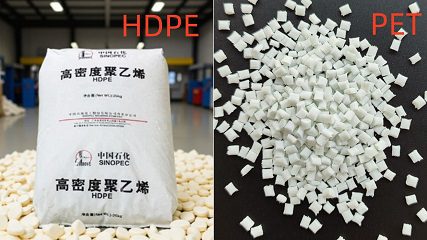
Struggling to choose between HDPE and PET for your next project? A wrong choice can impact performance and cost. Let's explore which plastic best fits your needs.
The main difference between HDPE and PET comes down to clarity and strength versus cost and machinability. HDPE is an opaque, flexible, and low-cost material that is very easy to machine. PET is a clear, strong, and rigid plastic ideal for transparent or high-strength parts.
Choosing the right plastic is a common challenge for my clients. A project manager might focus on the final part's function, while an engineer looks at material specs. As a CNC machining supplier, I see it from a practical angle. The choice often depends on more than just spec sheets; it involves how the material behaves on the machine and how that affects your final cost. Let's break down these differences so you can make a confident decision for your custom parts.
What is HDPE?
Need a tough, low-cost plastic for your project? Standard plastics might crack or absorb moisture. HDPE offers a durable, chemical-resistant solution for a wide range of applications.
HDPE, or High-Density Polyethylene, is a popular thermoplastic polymer known for its high strength-to-density ratio. It is widely used for its excellent impact resistance, low moisture absorption, and resistance to many chemicals, making it ideal for durable, long-lasting parts and containers.
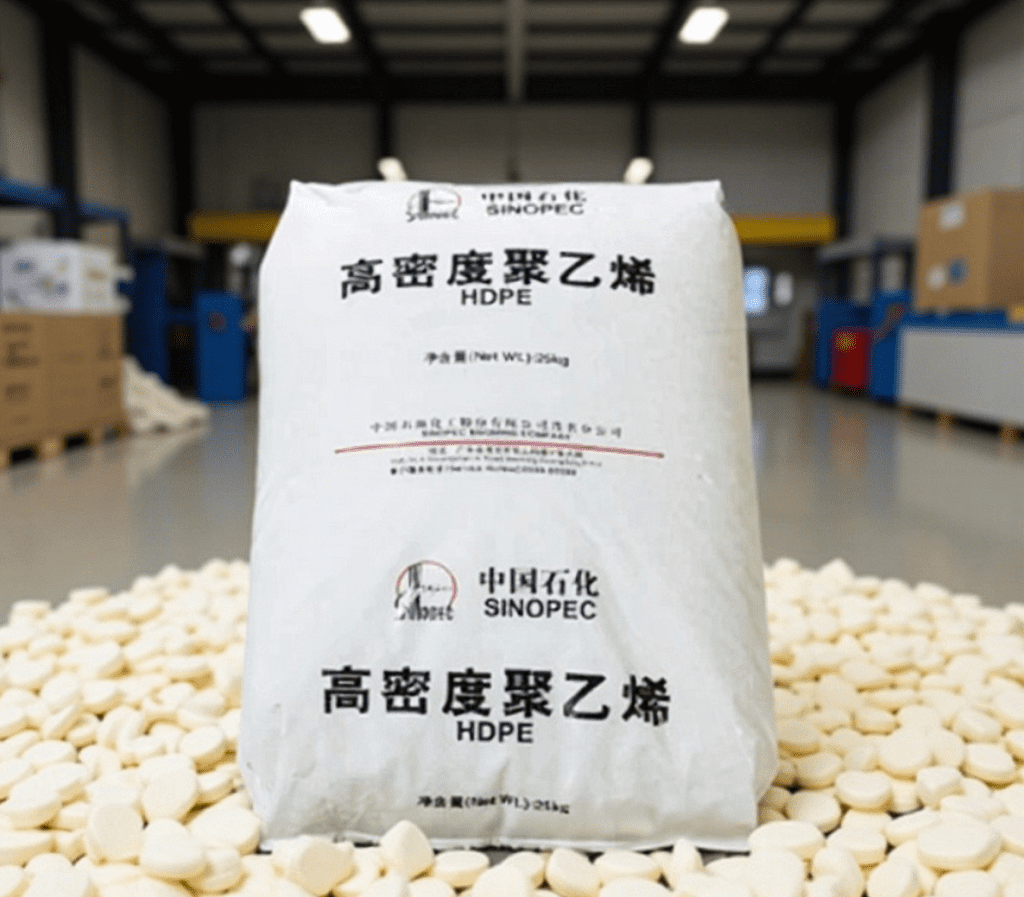
In my workshop, we call HDPE the "workhorse plastic." It’s not flashy, but it is incredibly reliable. When you handle it, it feels slightly waxy and is always opaque. It is the material we recommend for parts that need to be durable and don't need to be seen. Think of gears hidden inside a machine, protectors that take a beating, or liners for chemical tanks. Its versatility comes from a few core properties that make it a go-to choice for so many industrial applications. We find it to be one of the most forgiving and efficient materials to work with on a daily basis.
Key Characteristics of HDPE
- Durability and Impact Resistance: HDPE is naturally flexible, which allows it to absorb impacts without cracking. This makes it perfect for parts like bumpers or protective guards that might get hit.
- Chemical Resistance: It stands up very well against many acids, bases, and solvents. This is why it’s used for chemical drums and tank liners.
- Low Moisture Absorption: HDPE barely absorbs any water, so it won’t swell or lose its properties in wet environments, making it great for outdoor use.
What is PET?
Looking for a plastic that's both strong and crystal clear? Many clear plastics scratch easily or lack strength. PET provides glass-like clarity with the toughness and rigidity you need.
PET, or Polyethylene Terephthalate, is a strong, stiff, and clear thermoplastic from the polyester family. It is best known for its use in beverage bottles but is also excellent for CNC machined parts requiring high dimensional stability, mechanical strength, and transparency.
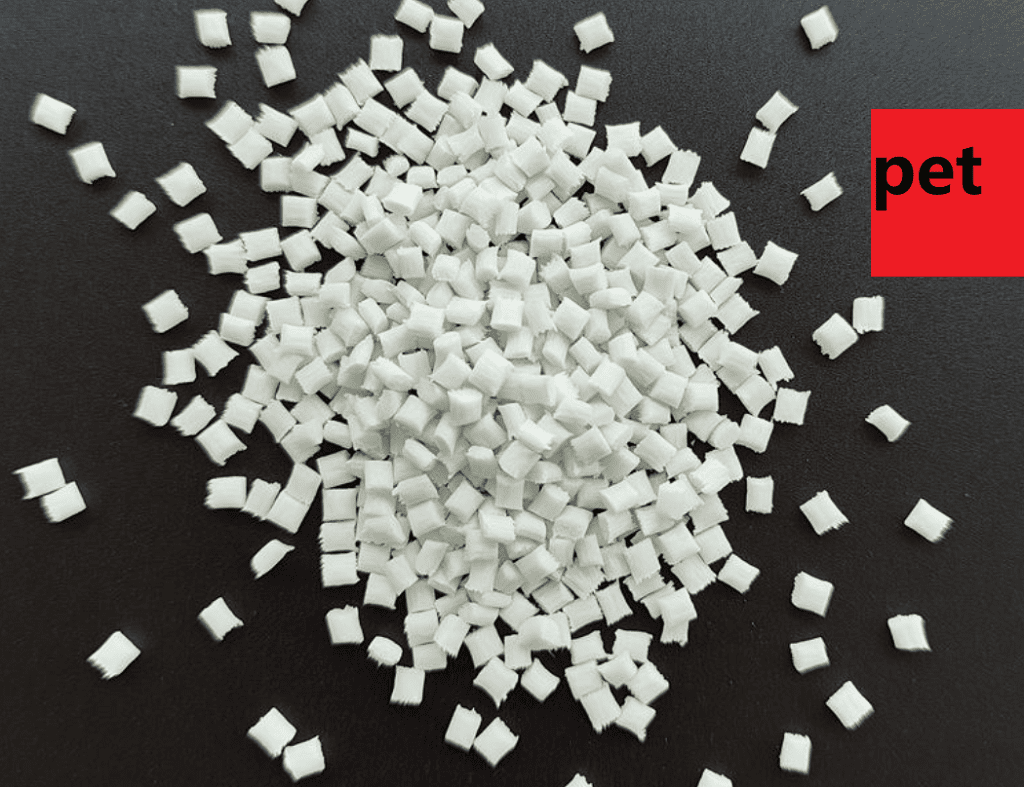
If HDPE is the workhorse, then PET is the "display case" plastic. It’s the material you choose when appearance matters or when you need high strength and rigidity in a plastic part. When we machine PET, the final product can have a beautiful, glass-like finish. Its hardness and stiffness make it a great metal replacement in some applications. For customers who need transparent covers, sight glasses, or structural components that must not flex under load, PET is our top recommendation. Unlike more flexible plastics, it holds its exact shape very well, which is critical for precision components that need to fit together perfectly.
Key Characteristics of PET
- Clarity and Gloss: PET is naturally transparent and can be polished to a high gloss, making it ideal for see-through parts or housings.
- Strength and Rigidity: It has excellent tensile strength and stiffness, so it won't bend or stretch easily under stress. This is key for making structural brackets or supports.
- Dimensional Stability: PET is not significantly affected by temperature or humidity, so parts made from it will hold their precise dimensions over time
What are the basic properties of HDPE and PET?
Are you confused by the technical data sheets? These plastics look similar on paper, but their real-world properties are very different. Guessing can lead to parts that don't work as you planned.
HDPE (High-Density Polyethylene) is a versatile thermoplastic known for its excellent chemical resistance, low moisture absorption, and impact strength. In contrast, PET (Polyethylene Terephthalate) is valued for its superior strength, stiffness, and optical clarity, making it a great choice for structural and transparent components.
When we help customers choose, we always start with the basics. From my experience in the workshop, thinking about how the material feels and acts is much easier than memorizing numbers. HDPE is soft and waxy to the touch. It’s what we use for parts that need to be durable and slide easily, but don't need to be seen. Think of it as the reliable workhorse hidden inside a machine. PET, on the other hand, is hard and smooth. It feels more like glass. We machine it for parts that need to be transparent or hold their shape under load.
Here is a simple table to compare them:
| Property | HDPE (High-Density Polyethylene) | PET (Polyethylene Terephthalate) |
|---|---|---|
| Appearance | Opaque, waxy surface | Transparent, high gloss |
| Flexibility | High (can bend without breaking) | Low (rigid and stiff) |
| Impact Strength | Excellent, especially when cold | Good, but can be brittle |
| Tensile Strength | Lower | High |
| Machinability | Excellent | Fair (can melt if not cooled properly) |
Which material offers better machinability for CNC processing?
Worried about production costs and lead times? The difficulty of machining a material directly impacts your final price. Choosing a material that is hard to machine can add unexpected delays and expenses.
HDPE offers significantly better machinability than PET. Its softness and low melting point allow for fast cutting speeds, easy chip removal, and minimal tool wear. This makes CNC machining HDPE quicker and more cost-effective. PET is harder and requires more careful machining to prevent melting.

From a machinist's point of view, the difference is night and day. When we put a block of HDPE on our CNC mill, it's like cutting soft butter. The tool glides through it, creating clean, predictable chips that fly off easily. We can run our machines at high speeds, which means we finish the job faster and your cost goes down. This is why HDPE is perfect for prototypes and high-volume production of functional parts where appearance isn't the top priority.
PET is a different story. It’s a much harder material. If the cutting speeds and feeds are not set perfectly, the plastic will heat up and melt onto the cutting tool. This ruins both the part and the tool. To prevent this, we have to slow down the machine, use special tools, and often apply a coolant. All these steps add time and complexity, which increases the machining cost. So, while PET is great for its strength and clarity, you have to be prepared for the higher manufacturing cost that comes with it.
What are the key strength differences between HDPE and PET?
PET is significantly stronger and stiffer than HDPE, with much higher tensile strength. This makes it ideal for structural components that must resist bending or stretching. HDPE, however, has far superior impact strength, meaning it can absorb sudden shocks and impacts without cracking, especially in cold environments.
I often talk to customers like Mark from Canada, who need parts for industrial equipment. He once needed a set of guards for a machine. The original design used a rigid plastic that kept cracking when tools were accidentally dropped on it. He was focused on tensile strength, but the real problem was impact.
We discussed the different kinds of strength:
Tensile Strength vs. Impact Strength
- Tensile Strength: This is a material's ability to resist being pulled apart. PET is the clear winner here. If you are making a bracket that will hold a heavy load, PET is the better choice because it will not stretch or deform.
- Impact Strength: This is a material's ability to absorb a sudden blow. HDPE is the champion here. It has a natural flexibility that allows it to bend and absorb energy instead of shattering. For machine guards, bumpers, or any part that might get hit, HDPE is a much safer choice.
Which material is more sustainable for manufacturing?
Are you trying to make your product more environmentally friendly? The choice of material plays a big role in sustainability, from production to end-of-life. Making an uninformed choice can hurt your green credentials.
Both HDPE and PET are highly recyclable, making them good sustainable choices compared to other plastics. However, PET is one of the most recycled plastics in the world, often turned back into bottles or fibers. HDPE is also widely recycled into products like pipes, lumber, and new containers.
From a recycling perspective, both materials are excellent.
- PET is labeled with recycling code #1. It's in high demand by recyclers and is commonly used to make new bottles, food containers, and polyester fabric for clothing. Its "closed-loop" potential is very high.
- HDPE is labeled with recycling code #2. It's also easily recycled into a wide variety of durable goods. Think of plastic lumber for park benches, drainage pipes, or detergent bottles.
From a manufacturing standpoint, efficiency also contributes to sustainability. Because HDPE is so easy to machine, it consumes less energy and generates less waste during production compared to harder materials. The faster cycle times mean our machines run for fewer hours. Furthermore, because scrap from CNC machining is clean, it is very easy to collect and send for recycling. For companies looking to reduce their carbon footprint, choosing an easily machinable and recyclable material like HDPE can be a smart move.
How do HDPE and PET compare in cost?
Trying to manage your project budget? The cost of plastic parts can vary widely. Understanding material and machining costs helps avoid expensive surprises and keeps your project on track.
HDPE is generally more cost-effective than PET for CNC machined parts. The raw material cost of HDPE is lower, and its excellent machinability leads to faster production times and less tool wear, significantly reducing the overall manufacturing cost compared to the harder, more challenging PET.
For customers like Mark, who are always looking for competitive pricing, the cost difference is a major factor. The total cost of a machined part is not just the price of the plastic block; it's heavily influenced by the machining time. HDPE is a machinist's dream. We can cut it quickly and easily, which means our machines run for less time on each part. This directly translates to a lower price for you.
PET, on the other hand, requires more care. Because it's harder and can melt if we're not careful, we have to run our machines at slower speeds. We also might need to use coolant to keep the temperature down. This increases the time and complexity of the job.
Here’s a simple cost breakdown:
| Cost Factor | HDPE | PET |
|---|---|---|
| Raw Material | Lower | Higher |
| Machining | Fast, easy, lower cost | Slow, careful, higher cost |
| Overall Cost | More Economical | More Expensive |
So, when the budget is tight and the part's function doesn't require PET's specific properties, choosing HDPE is an easy way to save money.
What are the key strength differences between HDPE and PET?
PET is significantly stronger and stiffer than HDPE, with much higher tensile strength. This makes it ideal for structural components that must resist bending or stretching. HDPE, however, has far superior impact strength, meaning it can absorb sudden shocks and impacts without cracking, especially in cold environments.
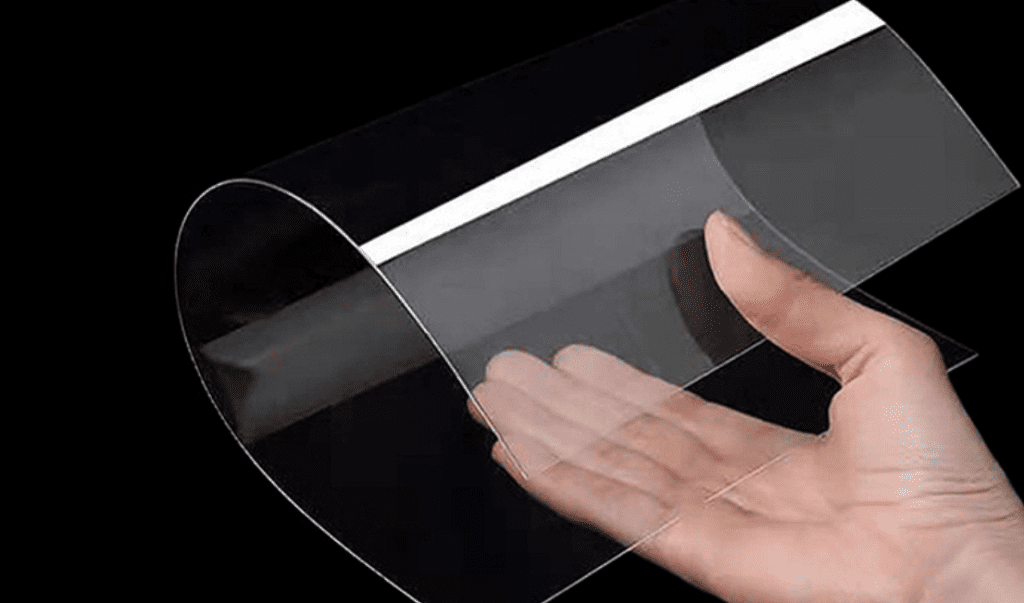
We discussed the different kinds of strength:
Tensile Strength vs. Impact Strength
- Tensile Strength: This is a material's ability to resist being pulled apart. PET is the clear winner here. If you are making a bracket that will hold a heavy load, PET is the better choice because it will not stretch or deform.
- Impact Strength: This is a material's ability to absorb a sudden blow. HDPE is the champion here. It has a natural flexibility that allows it to bend and absorb energy instead of shattering. For machine guards, bumpers, or any part that might get hit, HDPE is a much safer choice.
How do HDPE and PET perform in different temperature ranges?
Will your part be exposed to heat or cold? Choosing a material that can’t handle the operating temperature can lead to deformation or failure, causing costly downtime and replacements.
PET has a higher continuous service temperature than HDPE, performing well up to 115°C (240°F), while HDPE starts to soften around 80°C (176°F). However, HDPE remains tough and impact-resistant at very low temperatures, whereas PET can become more brittle in freezing conditions.
When selecting a material, temperature is a critical factor we always discuss. You have to consider both the high and low ends of the temperature range your part will experience. PET is the better choice for applications involving moderate heat. For example, if you're designing a component that will be near a motor or under hot lights, PET will hold its shape and strength much better than HDPE.
On the other hand, HDPE is the king of cold. It remains flexible and resistant to impacts even at temperatures well below freezing, down to -40°C (-40°F) or lower. This makes it an excellent choice for parts used in refrigeration equipment or outdoor applications in cold climates like Canada. PET's performance in the cold is not as reliable; it can lose some of its impact strength and become more prone to cracking. So, for a hot environment, choose PET. For a cold one, choose HDPE.
Which industries prefer HDPE vs PET components?
Trying to figure out which material is standard for your industry? Following industry best practices can save you time and prevent common design mistakes, ensuring your part is compliant and reliable.
HDPE is heavily favored in the industrial, marine, and food processing industries for its durability, chemical resistance, and moisture-proof qualities. PET is preferred in electronics, medical, and consumer products for its strength, dimensional stability, and clear, aesthetic appearance.
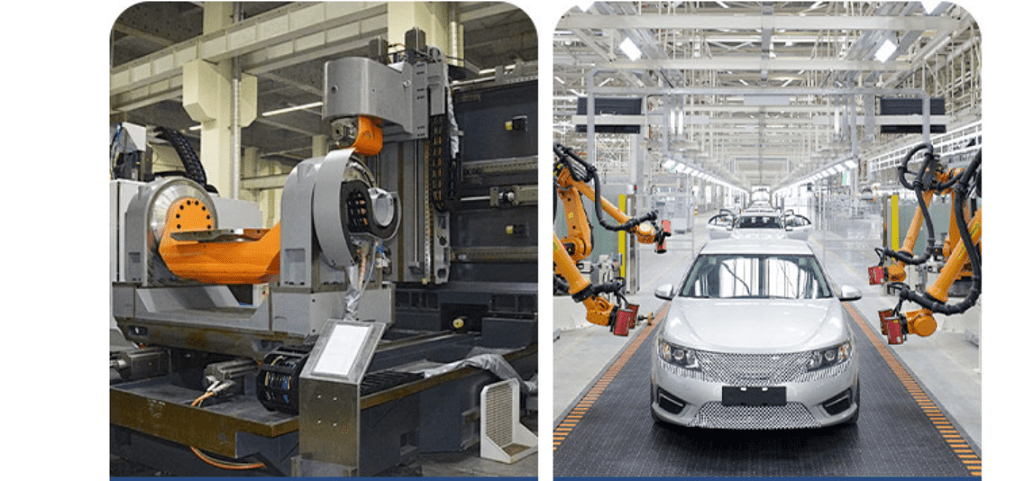
Over the years, I've seen clear patterns in which industries use each material. It usually comes down to the specific demands of the application environment.
Where HDPE Shines
We machine a lot of HDPE for industries that need robust, long-lasting parts that can withstand harsh conditions.
- Food Processing: For cutting boards, food-grade hoppers, and conveyor components because it’s easy to clean and doesn't absorb moisture.
- Marine Construction: For boat components and dock bumpers because it resists saltwater and UV exposure.
- Industrial Manufacturing: For wear pads, chain guides, and chemical tank liners due to its low friction and chemical resistance.
Where PET Excels
PET is the choice for industries where precision, strength, and appearance are key.
- Electronics: For insulators, connectors, and sensor housings because of its excellent dimensional stability and electrical properties.
- Medical and Dental: For trial instruments and diagnostic machine components due to its strength, sterilizability, and rigidity.
- Consumer Products: For high-end product displays, transparent housings, and mechanical components where a premium look and feel are desired.
What are the chemical resistance properties of each material?
Will your part come into contact with chemicals, oils, or solvents? A chemical reaction can degrade your part, causing it to swell, soften, or dissolve, leading to critical failure.
HDPE offers broader chemical resistance, especially against strong acids and bases, making it extremely versatile for chemical handling. PET has good resistance to weak acids, alcohols, and oils but can be attacked by stronger acids, bases, and certain chlorinated solvents, limiting its use in some aggressive environments.
Assessing chemical resistance is crucial, and it’s not always a simple yes or no answer. I always ask my clients for a list of chemicals the part will be exposed to. From my experience, HDPE is the safer, more robust choice for general chemical exposure. We make many parts for industrial automation that handle all sorts of cleaning agents and lubricants. HDPE holds up beautifully. It's the material you can trust in an environment with unknown or mixed chemicals.
PET is also resistant but has more specific weaknesses. It performs well against things like gasoline and oils, making it suitable for some automotive applications. However, it can be damaged by strong alkaline solutions (high pH) or certain solvents. For example, you would not want to use a PET component where it might be exposed to acetone or strong industrial cleaners. To be safe, a quick check of a chemical compatibility chart can save a lot of trouble later on. If there's any doubt, HDPE is often the more reliable option.
Which material has better long-term durability?
For long-term durability, the better material depends on the primary stress factor. HDPE excels in applications requiring wear and impact resistance, offering a longer life for moving or abused parts. PET provides superior durability in applications needing long-term dimensional stability and resistance to creep under load.
HDPE for Wear and Tear
HDPE is a fantastic material for durability against friction and wear. It has a low coefficient of friction, meaning it slides easily against other materials. This is why we use it for wear pads, rollers, and chain guides. These parts can run for years with minimal wear, outlasting many harder materials that might abrade or seize. Its ability to absorb impacts repeatedly without fatiguing also contributes to its long life in dynamic, high-impact applications.
PET for Stability Under Load
PET's durability comes from its resistance to "creep." Creep is when a material slowly deforms over time while under a constant load. Because PET is so rigid and stable, it’s excellent for structural parts that need to hold a precise position and support a load for a long time. A bracket made from PET will maintain its shape and strength for years, whereas a more flexible material might sag or deform. So, for a part that moves, choose HDPE. For a part that holds still, choose PET.
What surface finishes work best for HDPE vs PET?
Is the final look and feel of your part important? Different plastics respond to finishing processes in unique ways, and choosing the wrong finish can ruin the part's appearance or functionality.
PET machines to a much smoother, higher-quality surface finish and can be vapor polished to achieve optical clarity. HDPE’s softer, waxy nature results in a matte, as-machined finish that is functional but difficult to polish or paint, making it best for non-cosmetic parts.
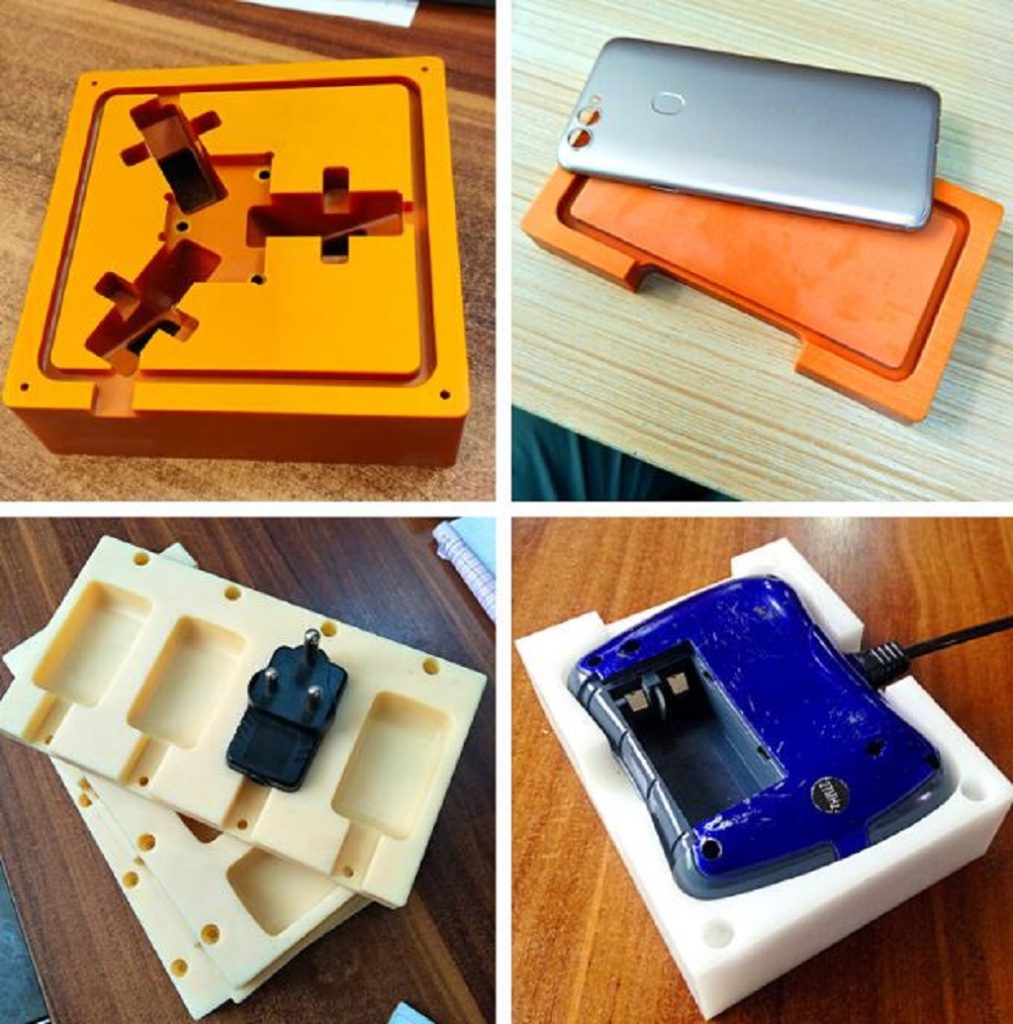
As a supplier, this is one of the most visible differences between the two materials. The finish you can achieve has a huge impact on the final product's perceived quality.
Finishing PET
PET is a pleasure to finish. Right off the machine, it has a smooth, glossy surface that already looks great. When a customer needs a truly transparent, glass-like finish for a window or lens, we can take it a step further with vapor polishing. This process smooths out any microscopic tool marks, resulting in a perfectly clear part. Because of its hardness, PET can also be bead blasted for a uniform frosted texture or even painted if prepared correctly.
Finishing HDPE
HDPE is on the opposite end of the spectrum. Its goal is function, not beauty. The standard as-machined finish is matte and can feel slightly waxy. Because it is so soft and has such great chemical resistance, finishing options are very limited. Paint and coatings do not stick well to its surface. Polishing is also ineffective and tends to smear the material rather than create a gloss. For HDPE, what you see off the machine is generally what you get. This is why it’s perfectly suited for internal components where looks don't matter.
Which material is more sustainable for manufacturing?
Both HDPE and PET are highly recyclable, making them good sustainable choices compared to other plastics. However, PET is one of the most recycled plastics in the world, often turned back into bottles or fibers. HDPE is also widely recycled into products like pipes, lumber, and new containers.
Sustainability is becoming a key focus for many of our customers. At Worthy, we see sustainability in two ways: recyclability and manufacturing efficiency.
From a recycling perspective, both materials are excellent.
- PET is labeled with recycling code #1. It's in high demand by recyclers and is commonly used to make new bottles, food containers, and polyester fabric for clothing. Its "closed-loop" potential is very high.
- HDPE is labeled with recycling code #2. It's also easily recycled into a wide variety of durable goods. Think of plastic lumber for park benches, drainage pipes, or detergent bottles.
Conclusion
If you have any questions or need a quote for your next CNC machining project, please contact me at [email protected]. Our team at Worthy is ready to help you save costs and improve your design.