
What is 4150 Steel, and why is it so versatile?
Struggling to find a steel that's both strong and tough for demanding jobs? Choosing the wrong material can lead to part failure, costing you time and money.
AISI 4150 is a high-strength chromium-molybdenum alloy steel. It is famous for its excellent hardenability, good toughness, and high tensile strength. This makes it perfect for parts that must endure high stress and wear, making it a go-to choice in many demanding industries.
When I first started in the CNC machining business, I saw many clients struggle with material selection. They needed parts that wouldn't break under pressure but weren't sure which alloy was best. Time and again, we found that 4150 steel was the perfect solution for their toughest challenges. It consistently delivered the performance they needed. Let's take a closer look at what makes this material so special and how it can help you.
What is the specific composition of 4150 steel?
Need to know the exact formula for 4150 steel? The chemical makeup is crucial for performance. Understanding it ensures you get the right properties for your project every time.
4150 steel is a chromium-molybdenum alloy. Its key elements are Carbon (around 0.50%), Chromium, Molybdenum, and Manganese. This specific blend gives it superior strength, hardness, and wear resistance compared to standard carbon steels, especially after heat treatment.
The name "4150" itself gives us clues about what's inside. In the AISI/SAE steel grading system, the "41" indicates it's a chromium-molybdenum steel, and the "50" tells us it has a nominal carbon content of 0.50%. This carbon content is the key to its ability to be hardened effectively through heat-treating. But it's the combination of elements that really makes it shine.
Here’s a simple breakdown of the main components and what they do:
| Element | Typical Percentage (%) | Primary Role |
|---|---|---|
| Carbon (C) | 0.48 - 0.53 | The main hardening element. Higher carbon means greater hardness and strength. |
| Chromium (Cr) | 0.80 - 1.10 | Increases hardenability, corrosion resistance, and wear resistance. |
| Molybdenum (Mo) | 0.15 - 0.25 | Improves strength at high temperatures and prevents brittleness. Significantly boosts toughness. |
| Manganese (Mn) | 0.75 - 1.00 | Contributes to hardenability and strength, and also deoxidizes the steel during manufacturing. |
At Worthy Hardware, we understand that this precise chemical balance is critical. It determines how the material will machine and how the final part will perform under stress. This knowledge helps us optimize our CNC machining processes to produce high-quality, reliable 4150 steel parts for our customers.
What common parts and industries use 4150 steel?
Wondering if 4150 steel is right for your application? Choosing the correct material is critical for both the performance and safety of your final product. Let’s see where this tough steel really shines.
4150 steel is used for high-stress components that require high strength and toughness. Common applications include gears, axles, crankshafts, connecting rods, and shafts. Its durability makes it a top choice in the automotive, industrial machinery, aerospace, and defense industries.
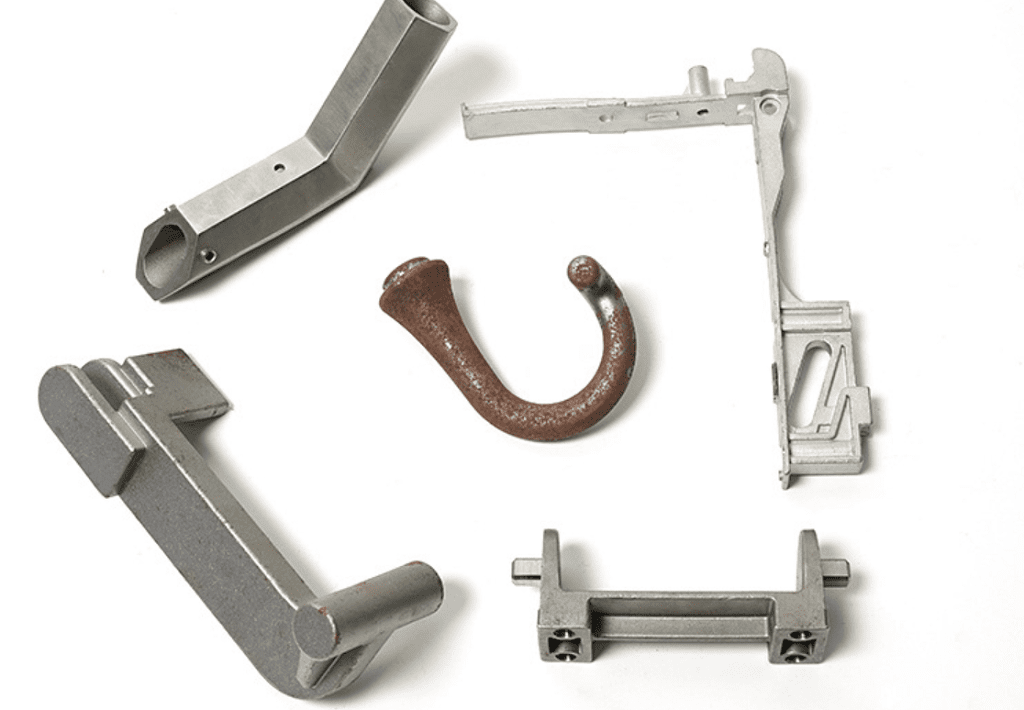
The versatility of 4150 steel comes from its fantastic blend of properties after it has been heat-treated. It can withstand heavy loads, torsion, and repeated stress cycles without failing. This is why we see it in so many critical applications. For example, I've worked on projects for clients who need extremely durable gears. We used 4150 steel to manufacture large traction gears for locomotives and smaller, high-speed gears for superchargers. In both cases, the material's ability to resist wear and fatigue was essential.
Other key uses include:
- Automotive: Rear axles, steering components, and connecting rods that are under constant load.
- Industrial: Shafts for heavy machinery, pressure vessel components, and molds that need to be both hard and tough.
- Aerospace: Landing gear parts and other structural components where strength-to-weight ratio and reliability are critical.
- Oil & Gas: Drill collars and other tools that face extreme conditions underground.
Are there equivalent grades to AISI 4150 steel?
Sourcing materials globally can be confusing because of different naming standards. Knowing the equivalents prevents costly mistakes and ensures you get the right steel no matter where you order it from.
Yes, there are several international equivalents to AISI 4150. The most common ones are the Chinese grade 50CrMo, the German DIN 1.7228 (also known as 50CrMo4), and the Japanese JIS SCM450. These grades are chemically and mechanically very similar.
When working with international clients like Mark from Canada, this knowledge is vital. He searches Google for suppliers in China, and it's important that we are on the same page. If he specifies AISI 4150, we know that the equivalent material in our local system is GB 50CrMo. This avoids any miscommunication and guarantees that the parts we produce meet his exact specifications for quality and performance. Understanding these standards is a key part of our service at Worthy, as it removes a major pain point for our customers.
Here is a quick reference table for the most common equivalents:
| Standard | Grade Designation |
|---|---|
| AISI/SAE (USA) | 4150 |
| GB (China) | 50CrMo |
| DIN (Germany) | 1.7228 / 50CrMo4 |
| JIS (Japan) | SCM450 |
| BS (UK) | 709M50 |
What percentage of carbon has a 4150 steel?
The carbon content in steel is one of its most important properties. It directly affects hardness and strength. Getting this wrong can lead to a part that is too brittle or too soft.
AISI 4150 steel has a nominal carbon content of 0.50%. The "50" in its name signifies this percentage. The typical allowable range for carbon in this grade is between 0.48% and 0.53%, making it a medium-high carbon steel.
This specific carbon content places 4150 steel in a very useful category. It has enough carbon to achieve high hardness and strength through a process called quenching and tempering. If the carbon content were much lower, like in 4130 steel, it would be tougher but not as hard. If it were higher, the steel could become too brittle and prone to cracking after heat treatment. The 0.50% carbon level strikes an excellent balance, providing high tensile strength while retaining good ductility and toughness.
This balance is why 4150 steel is chosen for parts that need to be hard on the surface to resist wear but also tough enough in the core to absorb shock and impact without fracturing. As a precision machining shop, we pay close attention to the material certifications to ensure the carbon content is within the specified range. This is part of our 100% inspection promise and how we guarantee that every part we ship meets our customers' design requirements perfectly.
Conclusion
In summary, 4150 steel is a strong, tough, and versatile chromium-molybdenum alloy. Its balanced composition makes it a reliable choice for high-stress parts across many demanding industries.