
How to Choose the Right Stainless Steel Grade for CNC Machining?
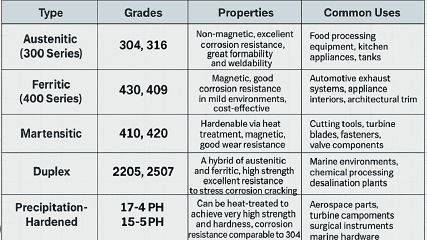
Struggling to pick a stainless steel for your CNC project? The wrong choice can inflate costs and cause performance issues. Let's find the best grade for your needs.
To choose the right stainless steel, consider your application's needs. 303 is best for machinability and cost. 304 offers good corrosion resistance and weldability. 316 provides superior corrosion resistance, ideal for medical or marine environments. Each has a specific trade-off between price and performance.
Picking the right material feels like a big decision, and it is. It affects everything from the final cost to how well your part performs in the real world. But don't worry, I'm here to break it down for you. Let's look at the key questions I get from customers every day. This will help you make a smart choice.
How do I choose a stainless steel grade?
Confused by the different stainless steel grades? Choosing the wrong one leads to wasted money and parts that fail. We can simplify this for you.
To choose a grade, first look at your part's environment. Does it need to resist corrosion? Then, consider your budget and how easily it needs to be machined. Your choice is a balance between performance, machinability, and cost. It's a simple three-step check.
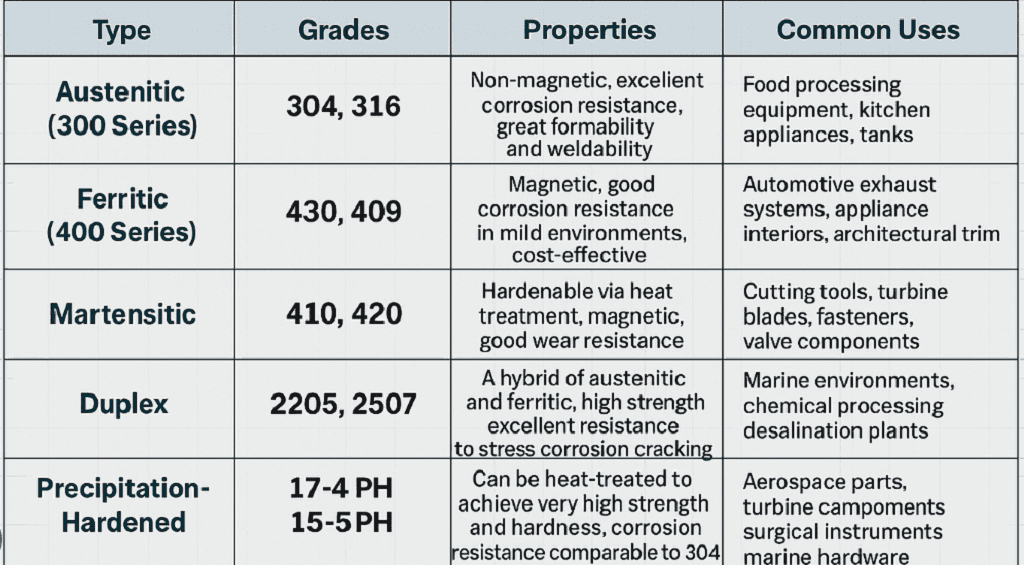
When I help my clients, I ask them to think about three main things. This makes the choice much easier.
1. Evaluate Corrosion Resistance
Where will your part be used? If it's in a dry, indoor setting, a lower grade like 303 might be fine. If it will be exposed to moisture, food, or mild chemicals, 304 is a solid choice. For harsh environments like saltwater or medical applications, you need the superior protection of 316.
2. Consider Machinability and Cost
Your budget is always important. 303 is the cheapest and fastest to machine, which saves you money on both material and labor. 304 and 316 are tougher and take more time and tooling to machine, increasing the cost. You must balance the need for performance with the cost of production.
Here’s a simple table I use to explain the differences:
| Feature | SS 303 | SS 304 | SS 316 |
|---|---|---|---|
| Corrosion Resistance | Fair | Good | Excellent |
| Machinability | Excellent | Good | Fair |
| Cost | Lowest | Medium | Highest |
| Common Use | Nuts, bolts, shafts | Food equipment, tanks | Medical, marine parts |
What is the best grade of stainless steel for machining?
Need parts machined quickly and cheaply? Some stainless steels are a nightmare to work with, driving up your costs. Let's find the easiest one for you.
The best and most machinable grade of stainless steel is 303. It contains sulfur, which helps break up the chips during cutting. This leads to faster machining speeds, longer tool life, and a better surface finish, which directly translates to lower costs for your project.
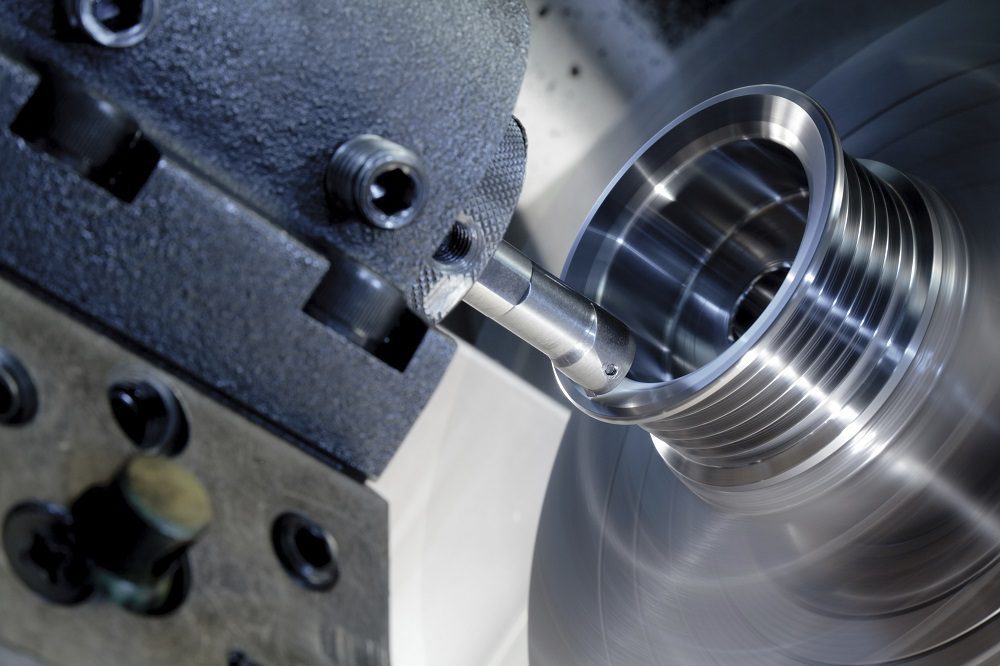
In my workshop, we see the difference every day. When we run a job with 303 stainless steel, the machine can run faster and the process is smoother.
Why Sulfur Makes a Difference
The small amount of sulfur in SS 303 acts like a chip-breaker. During machining, the metal shavings, or chips, break off into small pieces instead of forming long, stringy strands. Long chips can get tangled around the cutting tool, causing it to break or leaving a poor finish on the part. Small chips are easy to clear away, which allows for a continuous, efficient machining process. This is why we can produce 303 parts faster, and this speed means a lower price for you.
When to Choose 303
I recommend 303 to customers when their part does not require high corrosion resistance or weldability. It is perfect for parts like screws, fittings, shafts, and other hardware used in controlled environments. If your main goals are speed and low cost, 303 stainless steel is almost always the best answer.
Is 304 stainless steel better than 316 for machining?
Thinking about using 304 or 316? One is much harder to machine than the other, which will affect your final price. Let's see which is better.
Yes, 304 stainless steel is significantly better and easier to machine than 316 stainless steel. The addition of molybdenum in 316 makes it tougher and harder. This increased toughness causes more wear on cutting tools and requires slower machining speeds, increasing production time and cost.
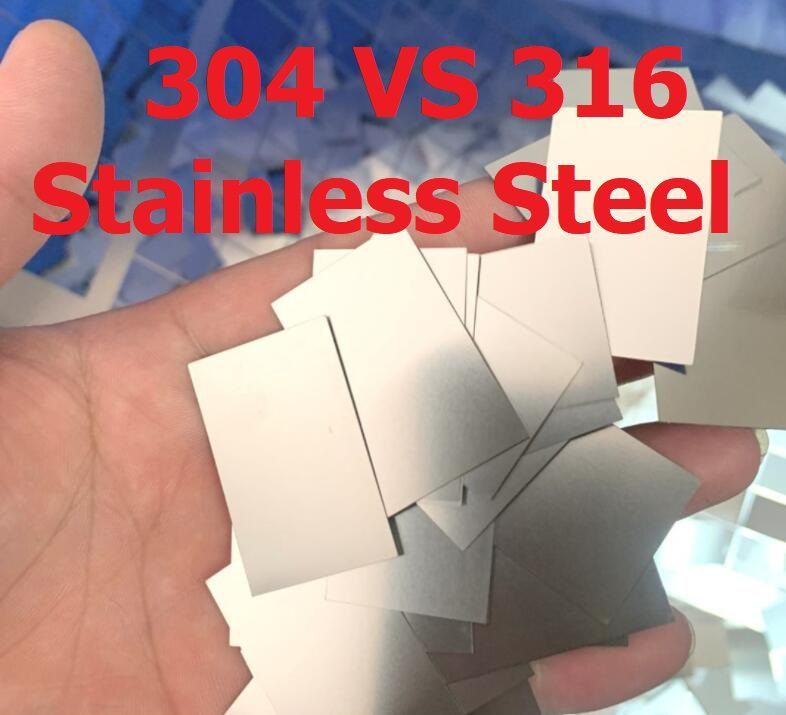
When a customer sends me a drawing and asks for a quote on a 316 part, I always double-check if they truly need that level of corrosion resistance. Sometimes, 304 is more than enough for their application.
The Machining Experience
Machining 304 is a standard process for us. It is tougher than 303, but our tools and machines handle it well. We can achieve good speeds and a great surface finish.
When we switch to 316, everything changes. We have to slow down the machine's cutting speed and feed rate to avoid breaking tools. The material is "gummy," and the tools wear out much faster. This means more downtime for tool changes and a longer cycle time for each part. All of this adds up to a higher cost.
A Simple Comparison
Here is how I explain the machining difference to my clients:
| Factor | SS 304 Machining | SS 316 Machining |
|---|---|---|
| Speed | Faster | Slower |
| Tool Wear | Moderate | High |
| Cost | Lower | Higher |
| Best For | General corrosion resistance | Extreme corrosion resistance |
If your part doesn't need to survive in chemically harsh or marine environments, choosing 304 over 316 is a smart way to save money without sacrificing quality.
Is 304 stainless steel machinable?
Have a design that needs 304 stainless steel? You might be wondering how difficult it is to machine. Don't worry, it's a very common material.
Yes, 304 stainless steel is very machinable, but it is tougher than plain carbon steel or 303 stainless steel. It requires slower speeds and heavier feeds to prevent work hardening. It also produces long, stringy chips, so managing them is important for a good surface finish.
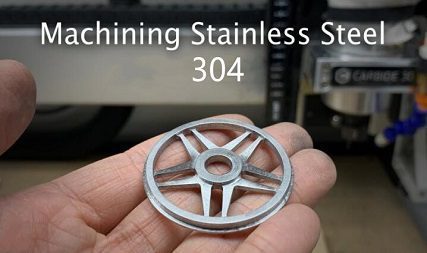
At my company, Worthy Hardware, we machine 304 stainless steel every single day. It's one of the most popular materials requested by our customers in industries from consumer products to electronics.
Our Approach to Machining 304
While 304 is tougher than 303 because it has more nickel and chromium, it's not a problem for an experienced shop. We use specific techniques to get the best results.
- Sharp, Strong Tooling: We use high-quality carbide tools that can handle the toughness of 304 without wearing down too quickly.
- The Right Speeds: We run our machines at the correct speed. Too fast, and the material hardens and ruins the tool. Too slow, and the process is inefficient. We have found the perfect balance from our years of experience.
- Coolant is Key: We use a constant flow of high-pressure coolant. This keeps the tool and the part from overheating and helps to clear away the stringy chips that 304 creates.
With these methods, we can produce high-quality, precise 304 stainless steel parts with excellent surface finishes for our customers. So yes, 304 is absolutely machinable.
Conclusion
Choosing the right stainless steel boils down to balancing performance and cost. Use 303 for easy machining, 304 for general use, and 316 for superior corrosion resistance.