
What Are The Differences Between Nylon 6 and Nylon 6/12?
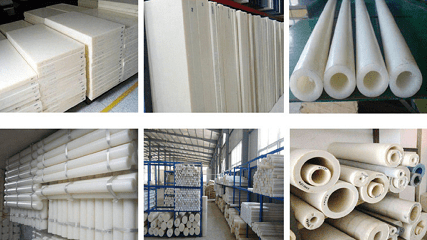
Choosing between Nylon 6 and 6/12 is tough. The wrong choice can mean failed parts and project delays. Let's clarify which is right for your CNC machining project.
The main difference is their operating temperature and water absorption. Nylon 6 handles high heat (215°C) and is great for gears. Nylon 6/12 excels in cold (-40°C) and oily conditions because it absorbs less water, making it ideal for specific low-temperature or moisture-heavy applications.
That’s the quick answer, but there's more to it than just temperature resistance. The chemical structure of these two nylons gives them very different properties that affect their strength, flexibility, and how they perform in the real world. To really choose the best material for your custom parts, you need to understand these differences in detail. Let's break it down further so you can machine your parts right the first time.
What is the difference between Nylon 6 and Nylon 6 12?
You know they differ by temperature, but what does this mean for your design? Using Nylon 6 where 6/12 is needed can lead to moisture absorption and dimensional instability.
Nylon 6 is made from one monomer, making it strong and heat-resistant but more prone to absorbing water. Nylon 6/12 is a copolymer with a longer carbon chain, giving it lower moisture absorption, better flexibility, and superior performance in cold and oily environments.
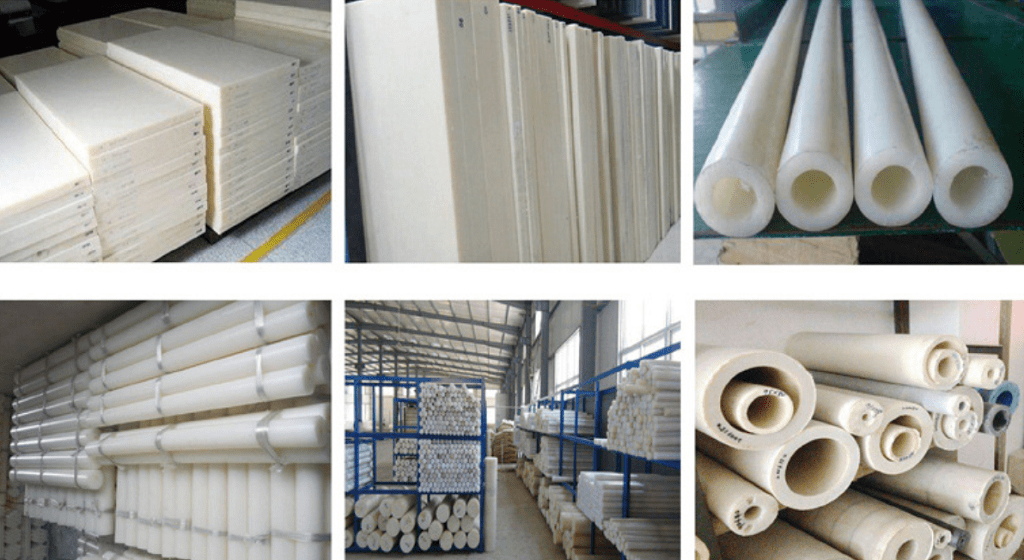
The difference starts at the molecular level. Nylon 6 comes from a single type of monomer with six carbon atoms. This structure gives it excellent hardness and a high melting point, which is why I often recommend it for parts like gears and bearings that face a lot of friction and heat. However, this structure also makes it more prone to absorbing moisture from the air. When it absorbs water, its dimensions can change slightly, which is a big problem for precision parts.
Nylon 6/12 is a copolymer. It's made from two different monomers, one with six carbon atoms and another with twelve. This longer carbon chain makes it less dense and gives it much lower water absorption. For a customer like Mark in Canada, who might have parts used in varying humidity and cold, this is critical. It means the parts will remain dimensionally stable.
Here is a simple breakdown:
| Feature | Nylon 6 | Nylon 6/12 |
|---|---|---|
| Heat Resistance | Excellent (up to 215°C) | Good (Lower than Nylon 6) |
| Cold Performance | Good | Excellent (down to -40°C) |
| Water Absorption | Higher | Very Low |
| Chemical Resistance | Good | Excellent (especially to oils and fuels) |
| Common Uses | Gears, bearings, structural parts, bushings | Fuel lines, wire insulation, low-temp parts |
What is the strongest type of nylon?
You need the toughest material you can get for a high-stress application. Picking a weaker nylon can lead to part failure under load, causing major setbacks for your business.
For pure, unfilled nylons, Nylon 66 is often considered the strongest in terms of tensile strength and stiffness. However, the absolute strongest nylons are composites, such as glass-filled or carbon-fiber-reinforced varieties, which significantly boost mechanical properties well beyond any standard nylon.
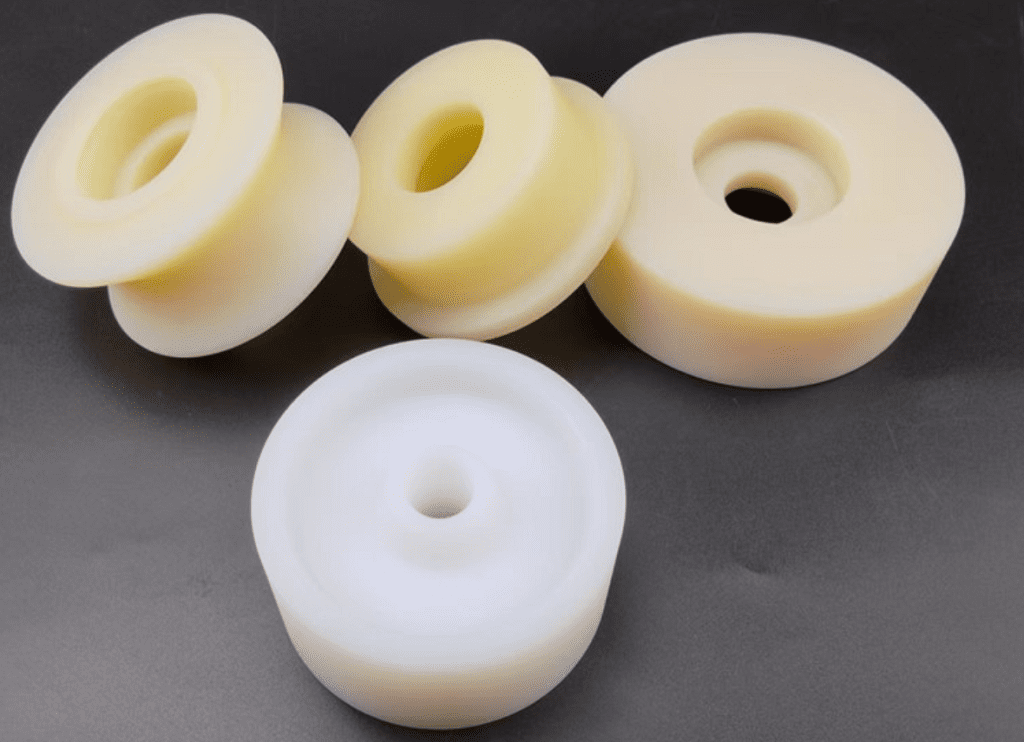
When we talk about "strength," it can mean a few different things in engineering. We might be talking about tensile strength (how much it can be pulled before breaking), compressive strength (how much it can be squished), or impact strength (how well it resists a sudden shock). For general-purpose strength in an unfilled plastic, Nylon 66 usually comes out on top. It's stiffer and has a higher tensile strength than Nylon 6.
However, the real strength comes from additives. At Worthy, we often machine parts from filled nylons for demanding industries like automotive or aerospace.
How Additives Boost Strength
- Glass-Filled Nylon: Adding short glass fibers into the nylon matrix dramatically increases its stiffness, strength, and heat resistance. A part made from 30% glass-filled nylon can be several times stronger than a standard nylon part. This is a go-to choice when replacing metal parts with plastic.
- Carbon-Fiber-Filled Nylon: This is another level up. Carbon fibers are lighter and stronger than glass fibers. Parts made from this material are incredibly stiff and strong, with an excellent strength-to-weight ratio. They are often used in high-performance applications where every gram matters.
What is the difference between Nylon 6 and nylon 66 Class 12?
The naming of plastics can be very confusing. You might assume these are all related, but a small number change can mean a completely different material and performance for your parts.
Nylon 6 and Nylon 66 are different polymers with distinct properties; Nylon 66 is generally stiffer and has a higher melting point. "Class 12" is not a standard industry term for nylons; it likely refers to Nylon 12, a completely different material known for its flexibility.
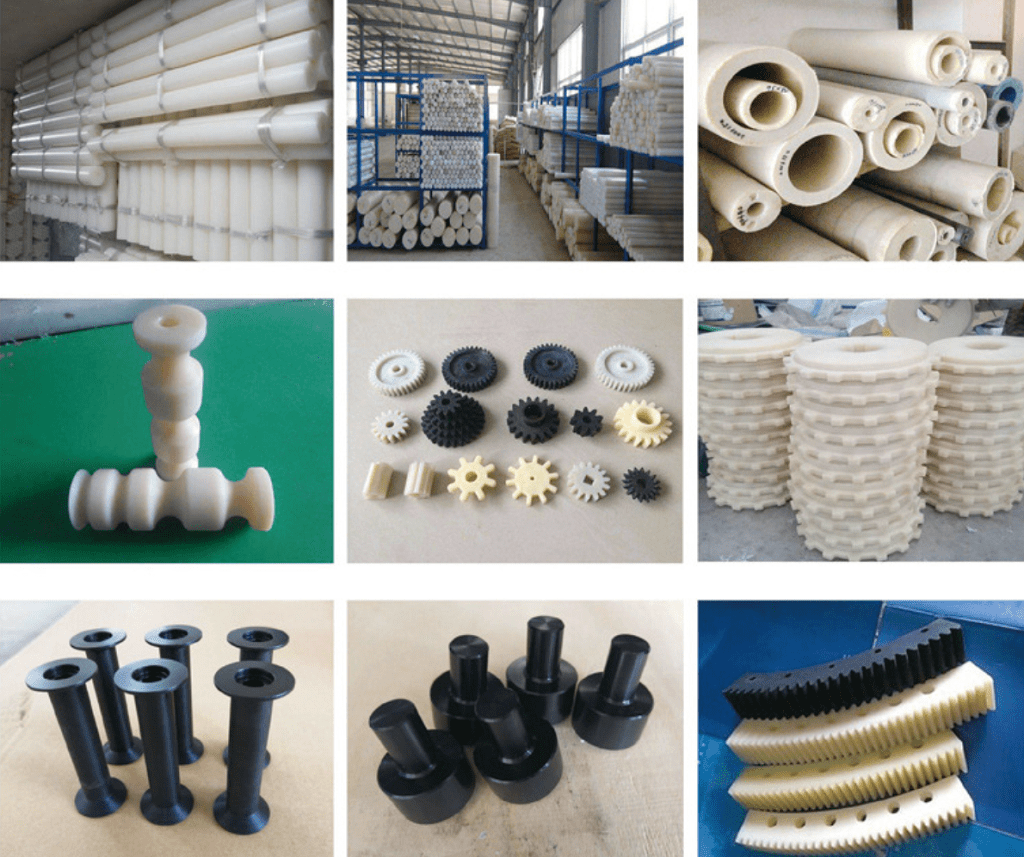
Let's clear this up, because getting it wrong can be a costly mistake. I’ve seen this happen before where a customer specifies the wrong grade and the parts don't perform as expected.
First, Nylon 6 vs. Nylon 66. While both are very common, they are not interchangeable.
- Nylon 6: Has a slightly lower melting point and is a bit more flexible. It is generally easier to process and is great for parts that need good impact strength.
- Nylon 66: Has a more crystalline structure, making it stiffer, harder, and more resistant to wear. It also has a higher melting point, making it suitable for applications that run at higher temperatures.
Now, about "Class 12." This phrasing is a bit ambiguous. In the world of CNC machining and plastics, we typically refer to materials by their chemical name. It's almost certain that this is a typo or a misnomer for Nylon 12 (PA12). Nylon 12 is another distinct polymer. It is known for its excellent chemical resistance, low water absorption, and amazing flexibility, even at very low temperatures. It is much softer than Nylon 6 or 66.
Here is a quick comparison to help you see the difference:
| Property | Nylon 6 | Nylon 66 | Nylon 12 (PA12) |
|---|---|---|---|
| Stiffness | High | Very High | Low (Very Flexible) |
| Melting Point | ~220°C | ~265°C | ~180°C |
| Water Absorption | High | Moderate | Very Low |
| Primary Use | General-purpose parts | High-temperature parts | Flexible tubing, coatings |
What is Nylon 12 used for?
You need a material that is flexible and can resist harsh chemicals. Using a rigid plastic like Nylon 6 could cause it to crack under pressure or degrade when exposed to fuels.
Nylon 12 is primarily used for applications requiring high flexibility, excellent chemical resistance, and low moisture absorption. Common uses include flexible tubing for fuel lines, airbrakes, pneumatic systems, cable sheathing, and high-performance sports equipment like ski boot shells.
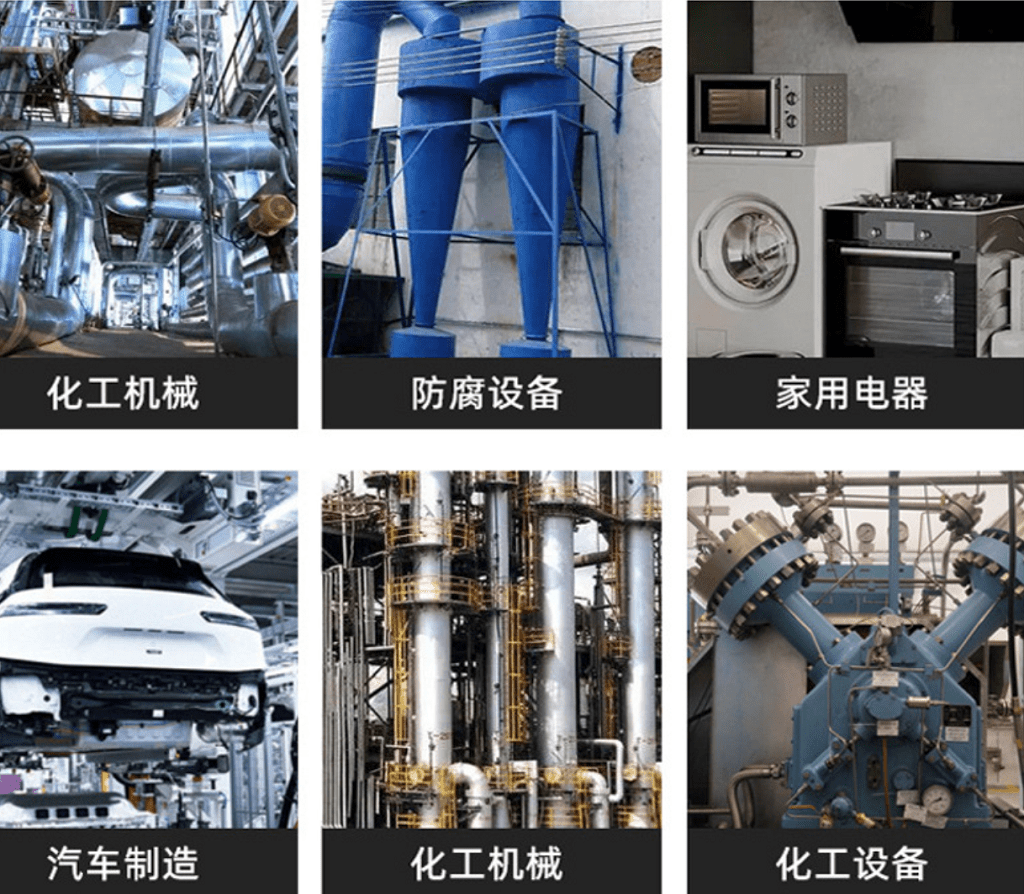
Nylon 12 is a fantastic specialty polymer that we machine for very specific needs. Its defining characteristic is flexibility combined with toughness. Unlike its more rigid cousins (Nylon 6 and 66), Nylon 12 can bend and flex repeatedly without breaking. This makes it an ideal choice for components that need to move or endure vibration.
The other major benefit is its extremely low water absorption. Like Nylon 6/12, it remains dimensionally stable in humid environments. But its real strength is its resistance to a wide range of chemicals, especially oils, greases, and fuels. This is why the automotive industry relies on it heavily for fuel lines and pneumatic tubes. The material won't swell or become brittle when it's in constant contact with these substances.
Key Applications of Nylon 12:
- Automotive: It is perfect for fuel lines, hydraulic hoses, and airbrake tubing because it resists hydrocarbons and remains flexible.
- Industrial: Used for pneumatic tubing and cable jacketing where flexibility and resistance to abrasion are key.
- Consumer Goods: You can find it in high-end sports gear, like the shells of ski boots, where it provides toughness and performance at low temperatures.
- Medical: Certain grades are used for catheters and other flexible medical tubing.
So, when a customer needs a part that combines the durability of nylon with the flexibility of rubber, Nylon 12 is often my top recommendation.
Conclusion
In short, choose Nylon 6 for high-heat, high-strength parts. For applications needing flexibility, low-temperature performance, and oil resistance, Nylon 6/12 is the superior choice for your project.