
What Are the Different Nickel Alloys and How Do They Compare?
Struggling to find the right material for a tough job? A wrong choice can lead to failed parts and costly project delays. Let's explore nickel alloys to find your perfect match.
Nickel alloys are grouped by their main elements. Key types include pure nickel like Nickel 200, nickel-copper like Monel, nickel-chromium like Inconel, nickel-iron-chromium like Incoloy, and nickel-molybdenum alloys like Hastelloy. Each offers unique strengths for specific applications.
You have probably heard names like Inconel or Monel. But what really sets them apart? Choosing the right one is crucial for your project's success. It can mean the difference between a part that lasts a lifetime and one that fails under pressure. Let's break it down further so you can make an informed decision and get the performance you need for your CNC machined parts.
What are the different types of nickel alloys?
Feeling overwhelmed by all the different alloy names? It can be confusing when they all sound similar but perform very differently. Here is a clear breakdown of the main families.
The main types of nickel alloys are based on what metals are mixed with nickel. These families include pure nickel, nickel-copper (Monel), nickel-chromium (Inconel), nickel-iron-chromium (Incoloy), and nickel-molybdenum (Hastelloy). Each group has unique properties like corrosion or heat resistance.
When I help my clients choose materials, the first step is always to understand the environment the part will live in. This tells us which alloy family to start with. Think of it like a toolbox. You need to know if you need a hammer or a screwdriver before you pick a specific one. These alloy families are your first decision point. For example, if a part needs to survive in a highly corrosive chemical plant, I immediately think of the nickel-molybdenum family. If it's for a high-temperature jet engine, the nickel-chromium family is the place to start. Each group was developed to solve a specific engineering problem. By understanding these basic categories, you can narrow down your options quickly and avoid wasting time and money on the wrong material. It makes the entire process of sourcing custom parts much simpler.
What is the strongest nickel alloy?
Do you need a material that simply will not fail under extreme stress? Picking a "strong" alloy can be tricky because strength means different things. Let's find the champion for your needs.
Inconel 718 is widely considered one of the strongest nickel alloys. It offers an incredible combination of high tensile strength, creep resistance, and rupture strength at temperatures up to 700°C (1300°F). This makes it a top choice for extreme applications.
When a customer comes to me with a project for the aerospace or energy sector, Inconel 718 is often the first material we discuss. Its strength is not just about resisting being pulled apart. It is about maintaining that strength when things get very hot. Many metals get soft and weak at high temperatures, but Inconel 718 keeps its integrity. We call this "high-temperature strength". This alloy can be hardened through a special heat treatment process, which makes it even stronger.
But strength comes at a price. Machining Inconel 718 is very difficult. It is tough and wears down cutting tools quickly. At Worthy Hardware, we have special tools and deep experience in machining these superalloys. We know the right speeds and feeds to use to create precise parts without damaging the material. So while Inconel 718 is the "strongest" in many ways, you need a manufacturing partner who knows how to handle it.
、
How many types of nickel are there?
Are you wondering just how many options you have? It seems like there is an endless list of grades and names. Let's simplify and count the major, commercially important types.
There are five main families of nickel alloys used in industry today. These are pure nickel, nickel-copper, nickel-chromium, nickel-iron-chromium, and nickel-molybdenum. Within these families, there are hundreds of specific grades, each with minor changes for specific jobs.
Think of it like cars. You have major types like sedans, SUVs, and trucks. These are like the five main alloy families. Then, within each type, you have many different models from different brands. For example, in the nickel-chromium family (the "SUVs" of nickel alloys), you have Inconel 600, 625, and 718. Each one has slightly different ingredients, giving it a unique set of skills. Inconel 625, for instance, has more molybdenum and niobium than Inconel 600. This makes it much more resistant to corrosion in saltwater. When we quote a project, the customer's drawing must specify the exact grade, like "Inconel 718". A small change in the number can mean a big difference in performance and price. As a supplier, my job is to source the exact grade you need and process it to your specifications. It's all about matching the right "model" to your specific road conditions.
What are the differences between the types of alloys?
You know the different families, but what is the real-world difference? Choosing the wrong one can be a disaster. Let's compare their key features to help you decide.
The main differences are in corrosion resistance, strength at high temperatures, and cost. For example, Monel is excellent in marine environments, while Inconel is a champion in extreme heat. Hastelloy offers the best resistance to aggressive chemicals.
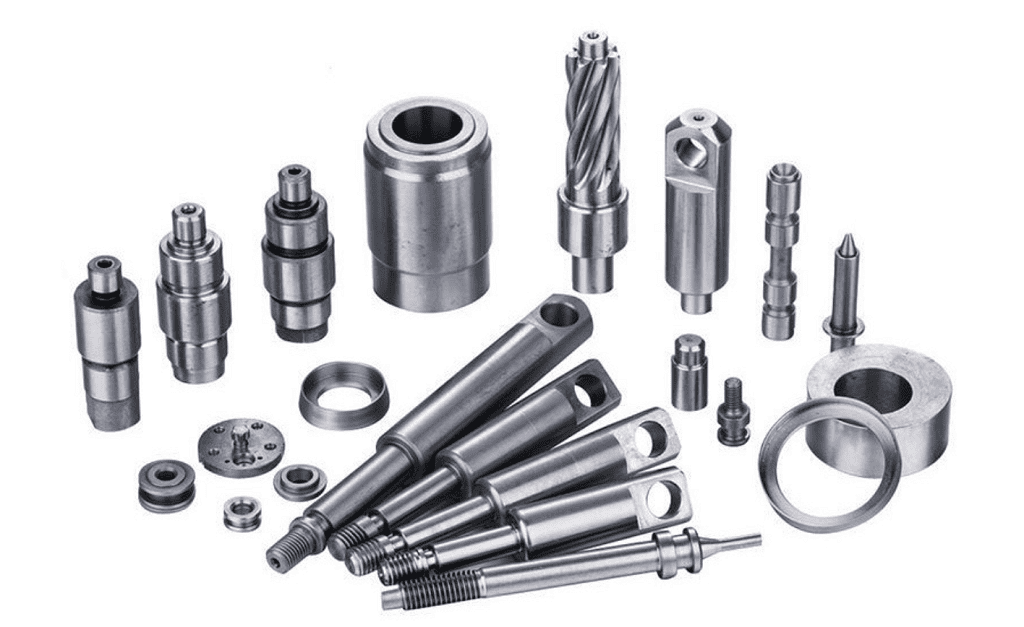
Let's look at this more closely. I often use a simple table to explain the trade-offs to my clients. It makes the choice clearer.
| Alloy Family | Primary Elements | Best For | Key Weakness |
|---|---|---|---|
| Nickel 200/201 | Nickel | Caustic environments, electronics | Low strength at high temp |
| Monel (Ni-Cu) | Nickel, Copper | Marine, salt water applications | Poor in oxidizing acids |
| Inconel (Ni-Cr) | Nickel, Chromium | High heat, high pressure | Higher cost |
| Incoloy (Ni-Fe-Cr) | Nickel, Iron, Chromium | High heat with less expense | Less strong than Inconel |
| Hastelloy (Ni-Mo) | Nickel, Molybdenum | Aggressive chemical corrosion | Very high cost |
When Mark from Canada needs a part for an offshore oil rig, we immediately look at Monel 400. The copper content gives it amazing resistance to saltwater corrosion. But if he needs a component for a furnace, Incoloy 800 is a great choice because it handles heat well and is more affordable than Inconel. Understanding these core differences is the key to cost-effective and reliable engineering. We help you choose the material that does the job without overpaying for performance you don't need.
Conclusion
In summary, choosing the right nickel alloy means matching its unique strengths in heat and corrosion resistance to your specific needs. This ensures your parts perform perfectly and last longer.