
What is Arc Welding? Everything you need to know?
Struggling to join metal parts effectively? The complexity of welding can be intimidating. Arc welding offers a powerful, reliable solution for creating strong, permanent bonds for your project needs.
Arc welding is a process that uses an electric arc to create intense heat, melting metal at the join. A filler material is often added to form a molten pool that cools to create a strong weld, effectively fusing the metal pieces together.
This basic explanation is a great start, but the world of welding has many specific terms and techniques. To make the best choice for your custom parts, you need to understand the details. Let's dive deeper to clear up some common questions and help you select the right process.
What is meant by arc welding?
The term "arc welding" sounds very technical and complex. This can make it hard to understand if it's the right choice for your project. Let me explain its simple, core principle.
Arc welding uses electricity to create a high-temperature arc between an electrode and the metal workpiece. This intense heat melts the base metals, allowing them to mix with a filler material and fuse together into a solid, continuous joint as they cool.
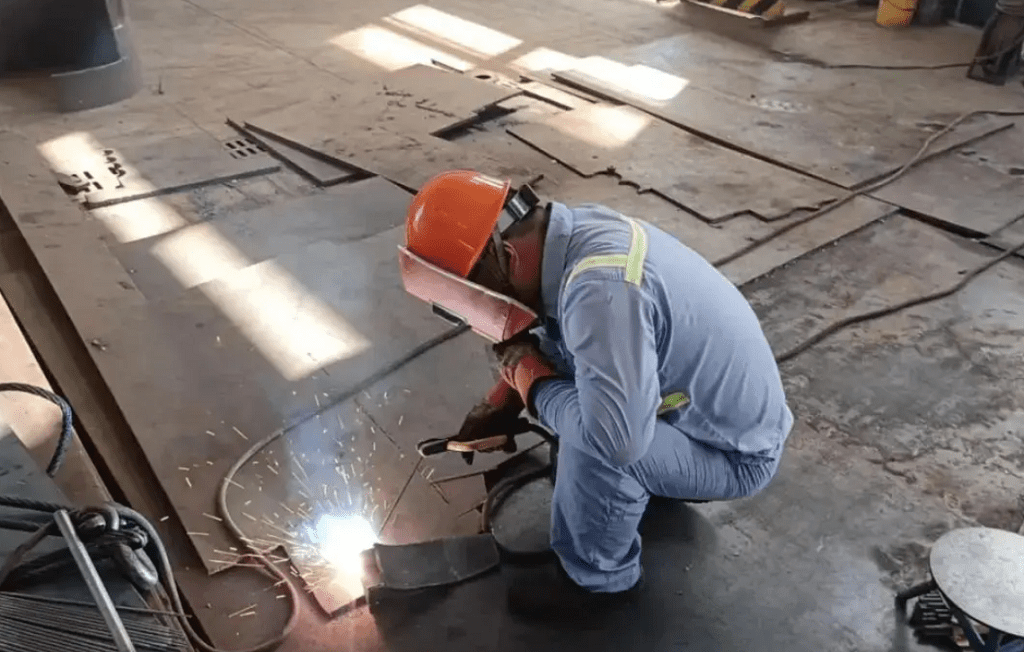
At its core, arc welding is about harnessing electricity to melt metal in a very controlled way. The whole process relies on a few key components working together. First, you have a power source that provides the electricity, either alternating current (AC) or direct current (DC). This current flows through an electrode, which is a metal rod or wire. When the electrode gets very close to the metal workpiece, the electricity jumps the gap. This jump creates a visible, incredibly hot "arc" of plasma. This arc can reach thousands of degrees, easily melting the edges of the metal parts you want to join. To fill the gap and make the joint stronger, a filler material is added. Often, the electrode itself melts and becomes the filler. To protect this molten metal from air, which can weaken the weld, a shielding gas or a special coating called flux is used. Here at Worthy Hardware, we use these principles daily for our welding and assembly services, ensuring strong results for our clients.
Is arc welding the same as MIG?
You often hear terms like MIG, TIG, and Stick welding used. It's easy to get confused and wonder if they are all just different names for arc welding. Let's clarify this.
No, arc welding is a broad category, and MIG welding is one specific type within it. Think of "arc welding" as the family name and "MIG" as one of the children. All MIG welding is arc welding, but not all arc welding is MIG.

To make it clearer, "arc welding" describes any process that uses an electric arc to join metal. This family includes several popular methods. One of them is MIG welding, which stands for Metal Inert Gas. MIG is a specific process where a continuous solid wire acts as both the electrode and the filler material, and a separate shielding gas flows through the welding gun to protect the weld. Another type is TIG (Tungsten Inert Gas) welding, which uses a non-melting tungsten electrode and often requires the welder to add filler metal by hand. A third type is Stick welding, which we'll discuss next. So, when a customer like Mark from Canada asks for arc welding, I always ask for more detail. Does he need the speed and ease of MIG for his steel frames, or the precision of TIG for an aluminum enclosure? Specifying the exact type of arc welding is key to getting the right quality and cost for your project.
Different Types of Arc Welding
| Welding Type | Electrode Type | Filler Material | Shielding Method | Best For... |
|---|---|---|---|---|
| MIG | Consumable Wire | The electrode | Inert/Active Gas | Speed, automation, thicker materials |
| TIG | Non-Consumable | Separate Rod | Inert Gas | Precision, thin metals, clean welds |
| Stick | Consumable Rod | The electrode | Flux Coating | Outdoors, dirty/rusty metal, versatility |
What is arc welding best for?
You know what arc welding is, but where does it really shine? It's frustrating to choose a fabrication method only to find it's not suited for your materials or goals. Let's pinpoint its strengths.
Arc welding is best for creating strong, permanent joints in a wide range of metals, especially steel, stainless steel, and aluminum. Its versatility makes it ideal for everything from heavy industrial manufacturing and construction to custom automotive parts and intricate sheet metal assemblies.
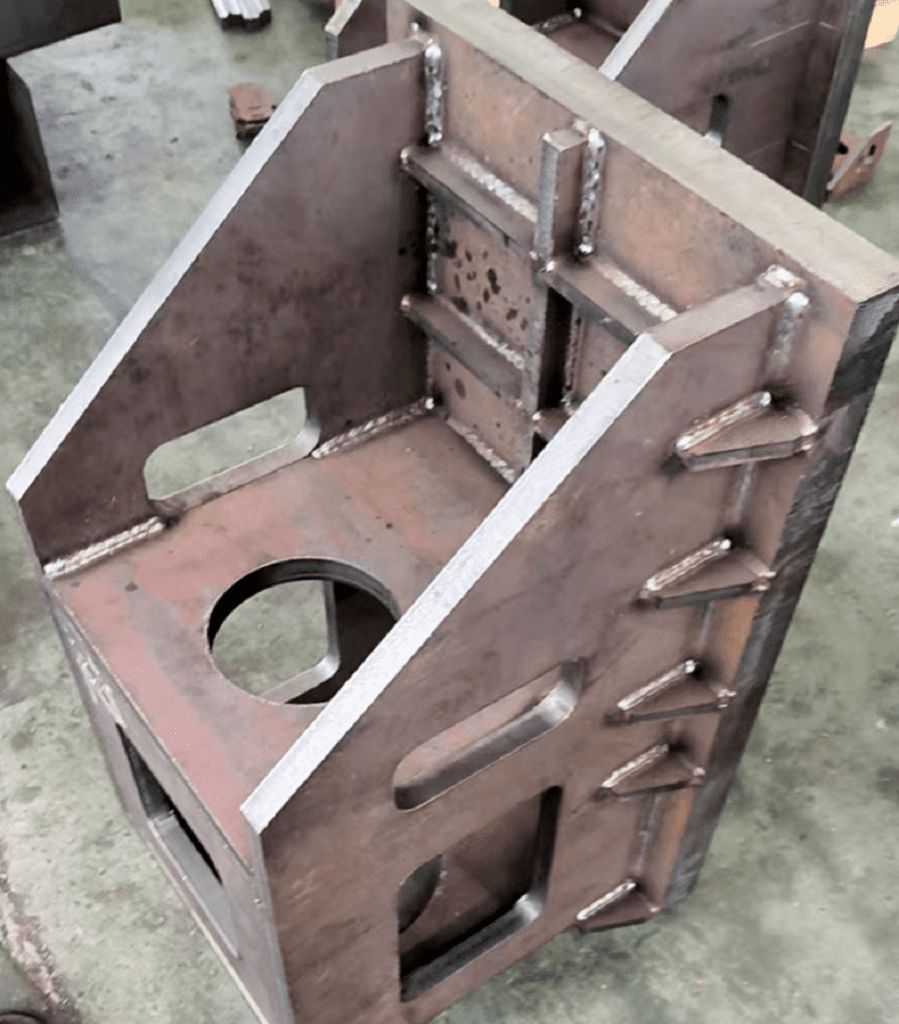
The biggest advantage of arc welding is its sheer strength and versatility. It fuses metal directly, creating a single, solid piece that is often as strong as, or even stronger than, the base material. This is why it's the go-to method for applications where structural integrity is critical. At my company, Worthy, we use it to build robust frames for industrial machinery and to assemble durable electronic enclosures. It's also fantastic for a variety of thicknesses. Whether we are laser cutting thin 0.024" sheet metal panels that need delicate TIG welds or fabricating thick structural steel parts that require powerful MIG welds, arc welding has a solution. This flexibility allows us to serve diverse industries, from automotive to aerospace. When clients need a permanent, reliable metal joining solution, arc welding is almost always the answer we provide. Its ability to handle different metals, thicknesses, and project complexities is unmatched.
Is stick welding and arc welding the same?
People often use the terms "stick" and "arc" welding together. This can make you wonder if they are just two names for the exact same process. Let me clear up this common point of confusion.
Stick welding is a specific type of arc welding, so they are not exactly the same. Officially called Shielded Metal Arc Welding (SMAW), "stick" welding is a manual arc welding process that uses a consumable electrode stick coated in flux to create the weld.
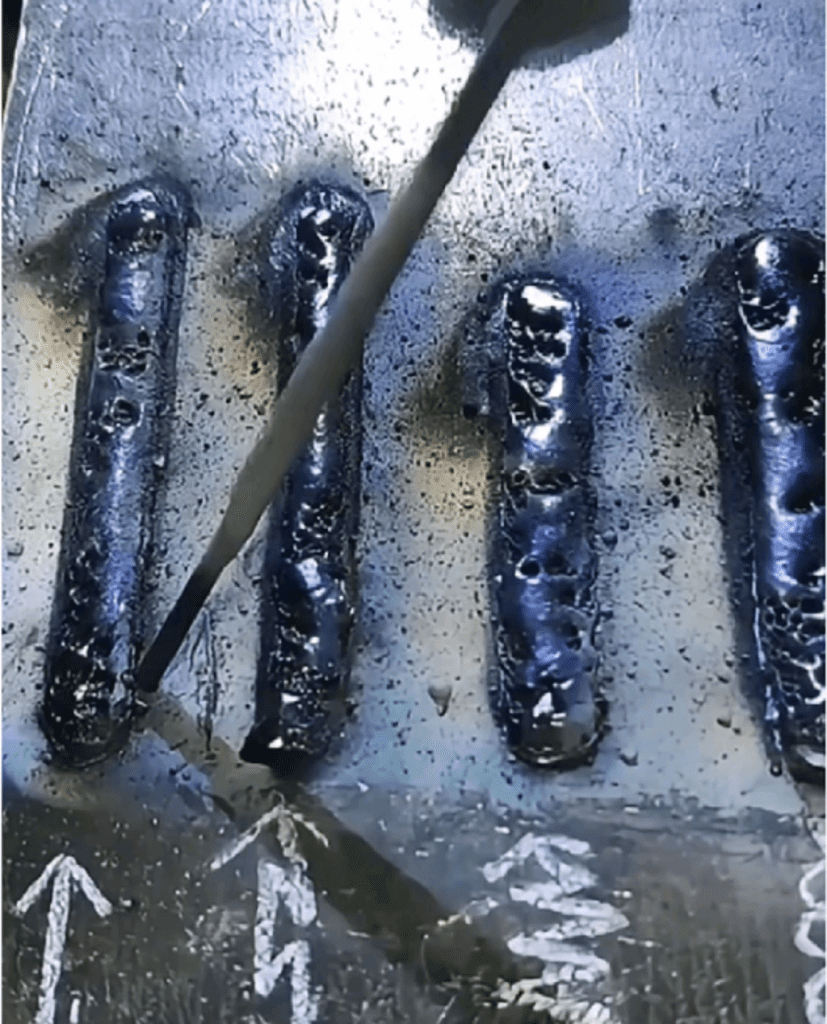
Just like with MIG welding, stick welding is a member of the broader arc welding family. It gets its nickname "stick" from the electrode used—a metal rod or stick. This stick is coated in a material called flux. As the welder works, the electric arc melts not only the metal core of the stick (which becomes the filler material) but also the flux coating. The melting flux releases a shielding gas that protects the molten weld pool from contamination by the surrounding air. It also forms a layer of "slag" on top of the cooling weld, which provides further protection and needs to be chipped off after the weld is complete. This makes stick welding very robust and excellent for welding outdoors or on materials that aren't perfectly clean, which is something gas-shielded processes like MIG and TIG struggle with. It’s one of the oldest and most versatile forms of welding, valued for its simplicity and effectiveness in tough conditions.
Conclusion
In short, arc welding is a foundational process for joining metals using an electric arc. Understanding its main types—MIG, TIG, and Stick—helps you choose the best method for your project's needs.