
D2 vs A2 Steel: Which Is Better For Your CNC Machining Projects?
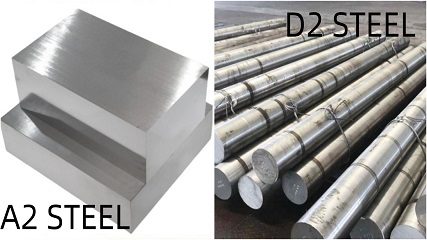
Struggling to choose between D2 and A2 steel for your project? Making the wrong decision can lead to failed parts and budget overruns. Understanding their differences is your key to success.
The "better" steel depends entirely on your application's needs. D2 steel is harder and more wear-resistant, making it ideal for high-precision molds and cutting tools. A2 steel is tougher, offering better resistance to chipping and cracking, perfect for tools that experience impact.
It’s easy to get lost in the technical specs, but picking the right steel is crucial. Your project’s performance, lifespan, and even cost are on the line. Let’s dive deeper into the specific qualities of each to help you make an informed choice that guarantees your parts work exactly as you designed them.
Is A2 better than D2 steel?
Wondering if A2 is the superior choice over D2? A wrong assumption here can cause unexpected tool failures and costly production delays. Let's clarify this common point of confusion.
A2 isn't universally better, just different. A2 steel provides far greater toughness, making it less likely to chip under sudden impact. D2 steel is harder and wears down slower, making it last longer in high-abrasion applications. The best choice depends on what you need most.

The choice between A2 and D2 comes down to one core trade-off: toughness versus wear resistance. I've seen clients make this decision many times. One customer was making a stamping die that kept chipping. They were using a very hard steel, similar to D2. We switched them to A2 steel. The part was no longer chipping because A2 could handle the shock of the impact. Another client needed a mold for an abrasive plastic composite. We used D2 steel because its high wear resistance meant the mold kept its precise shape for thousands of cycles.
Toughness vs. Wear Resistance
Think of it this way:
- A2’s strength is Toughness: It can absorb impact and energy without cracking. This is because it has a bit less carbon and chromium than D2. It's the right choice for tools like punches and dies that hit material hard and fast.
- D2’s strength is Wear Resistance: It resists being worn away by friction. The high carbon and chromium levels in D2 form very hard particles called carbides. This makes it perfect for cutting tools and molds that need to stay sharp and hold their dimensions over a long time.
Here is a simple table to compare them.
| Property | A2 Steel | D2 Steel | Why it Matters |
|---|---|---|---|
| Toughness | Higher | Lower | A2 is better for parts that receive sudden impacts. |
| Wear Resistance | Good | Excellent | D2 lasts longer under abrasive conditions. |
| Hardness (HRC) | 57-62 HRC | 58-64 HRC | D2 can be made slightly harder, holding an edge better. |
| Machinability | Better | More Difficult | A2 is easier and cheaper to machine into complex shapes. |
What is the best steel for CNC machining?
Searching for the single best steel for your CNC project? The huge number of options can be overwhelming, and a poor choice can be a very expensive mistake to fix.
There is no single "best" steel for all CNC machining jobs. The ideal material depends on your part's final use, required properties like hardness or corrosion resistance, and your budget. Mild steel is easy to machine, while tool steels like A2 and D2 offer premium performance.
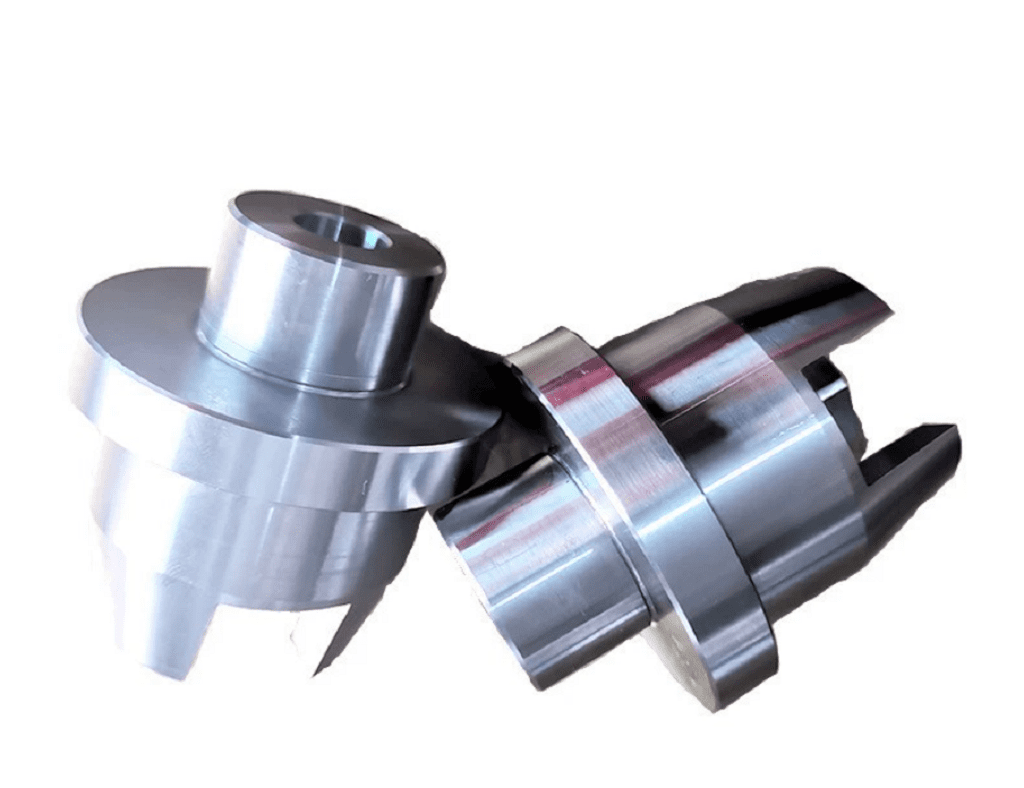
Choosing the right material is one of the first and most important steps in any project. The material dictates how the part will perform, how long it will last, and how much it will cost to make. At my company, Worthy, we guide our customers through this process every day. The "best" steel is simply the one that meets all your project's unique requirements without being overkill. Let’s look at some common categories to find the right fit for you.
For General Use and Prototypes
When you just need to test a design's form and fit, you don't need expensive, high-performance steel.
- Mild Steels (e.g., 1018, A36): These are cheap, readily available, and very easy to machine. This makes them perfect for simple brackets, fixtures, and early-stage prototypes where strength is not a major concern.
- Aluminum (e.g., 6061): Although not steel, it's a popular choice. It's lightweight, naturally corrosion-resistant, and machines even faster than mild steel, saving time and money.
For High-Performance Applications
When your part needs to perform under stress, you need a tool steel.
- A2 Tool Steel: Best for applications needing high toughness and good impact resistance.
- D2 Tool Steel: Best for applications needing maximum wear resistance and edge retention.
For Corrosion Resistance
If your part will be exposed to moisture, chemicals, or the outdoors, you need a material that won't rust.
- Stainless Steels (e.g., 304, 316): These are the go-to choices. 304 is great for general purposes, while 316 offers superior protection against chlorides, like salt water. They are more difficult to machine than mild steel, but for many applications, there is no substitute.
What are the disadvantages of D2 steel?
Thinking D2 is the ultimate solution for your high-wear parts? Its impressive hardness can hide some serious drawbacks that could cause your project to fail if you're not careful.
The main disadvantages of D2 steel are its lower toughness, making it more brittle and likely to chip under sharp impact, and its difficult machinability. It also has only moderate corrosion resistance compared to true stainless steels, so it can rust without proper care.

While D2 steel is fantastic for wear resistance, it's not the right choice for every job. I remember a new client from Canada who wanted to make a set of forming tools from D2 steel. His application involved some side-loading and occasional impacts. I explained that D2's brittle nature could lead to the tools cracking. We suggested A2 instead, which was a much better fit for his needs. Understanding a material's weaknesses is just as important as knowing its strengths.
Let's break down the three main issues with D2 steel.
Poor Toughness (Brittleness)
This is the biggest drawback. Because D2 is so hard, it doesn't have much "give." If you drop a D2 tool or it receives a sharp blow, it's more likely to chip or crack instead of bending or deforming. This makes it unsuitable for applications with high shock loads, like a hammer die or a tool used for heavy punching operations.
Difficult to Machine
All those hard carbides that give D2 its excellent wear resistance also make it very tough on cutting tools. Machining D2 is slower and requires more robust tooling compared to softer steels like A2 or 1018. This directly translates to higher machining costs and longer lead times. If your part has very complex geometry, the extra cost of machining D2 might outweigh its benefits.
Limited Corrosion Resistance
D2 is often called a "semi-stainless" steel because it has a high chromium content (around 12%). This gives it better rust resistance than simple carbon steels. However, it's not a true stainless steel. It can and will rust if left in a damp environment or exposed to corrosive substances without a protective oil coating. For applications in the medical or food industries, a true stainless steel is almost always required.
Is A2 tool steel machinable?
You know A2 tool steel is tough, but are you worried it might be too difficult to machine? This is a valid concern, as difficult materials can increase costs and lead times.
Yes, A2 tool steel is considered to have good machinability for a tool steel. While it is more challenging to machine than mild carbon steels or aluminum, it is significantly easier to cut, drill, and grind than more highly alloyed, wear-resistant steels like D2.

Machinability is a critical factor when we quote jobs for our customers. It directly impacts the time and cost of a project. When compared to the entire family of tool steels, A2 hits a sweet spot. It offers excellent performance properties without being a nightmare for the machinist. At Worthy, our experienced engineers and machinists know exactly how to handle materials like A2. We use the correct speeds, feeds, and cutting tools to produce precise parts efficiently, keeping costs down for our customers.
Let's look at why A2 is considered relatively easy to machine.
Comparing A2 to Other Steels
To understand A2's machinability, it's best to compare it to other common materials in the workshop.
- vs. Mild Steel (e.g., 1018): Mild steel is very soft and easy to cut. A2 is definitely harder and requires slower cutting speeds and more durable tools. The machining process for A2 is slower.
- vs. D2 Tool Steel: This is where A2 really shines. D2's extreme hardness makes it very abrasive on cutting tools. A2 is much less abrasive, which means tools last longer and the machining process is faster and more predictable. This often makes A2 the more cost-effective choice for complex parts.
- vs. Stainless Steel (e.g., 304): Many common stainless steels are known for being "gummy" and for work-hardening, which means they get harder as you cut them. A2 does not have these issues, making it more straightforward to machine than many stainless grades.
| Material | Relative Machinability | Key Challenge(s) |
|---|---|---|
| Aluminum 6061 | Excellent | None; very easy to machine. |
| Mild Steel 1018 | Very Good | None; soft and predictable. |
| A2 Tool Steel | Good | Requires correct tooling and speeds. |
| Stainless Steel 304 | Fair | Gummy, work-hardens during cutting. |
| D2 Tool Steel | Poor | Very abrasive, wears out tools quickly. |
Conclusion
Choosing between D2 and A2 steel is simple: use D2 for high wear resistance and A2 for high toughness. Your specific application will always determine the best material for the job.