
What Equipment Is Needed For Large-Scale Precision Machining?
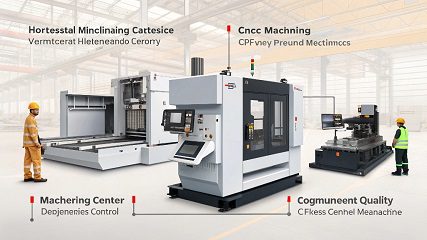
Tackling a large-scale precision project? The wrong equipment leads to costly delays and quality issues. Let's explore the essential machinery you need for a successful manufacturing run.
For large-scale precision machining, you need specialized equipment. This includes Horizontal Machining Centers, CNC Gantry Machining Centers, 5-Axis Machining Centers, and Coordinate Measuring Machines (CMMs) for quality control. These machines are built to handle massive workpieces while maintaining extremely tight tolerances.
Having the right list of machines is a great start, but do you know what these machines actually do? It is one thing to know the names, but truly understanding their capabilities is what will empower you to check suppliers effectively. This ensures your project's success. Let's break down each piece of the puzzle, so you can speak the language of your manufacturer and make informed decisions.
What are precision machine tools?
Confused by the term "precision machine tools"? Choosing the wrong type can put your project's accuracy at risk. Let's define exactly what makes a machine tool "precision."
Precision machine tools are advanced equipment designed to make parts with extremely tight tolerances, often below +/- 0.005" (0.127 mm). They have high rigidity, thermal stability, and advanced control systems to get superior accuracy and repeatability on every part.
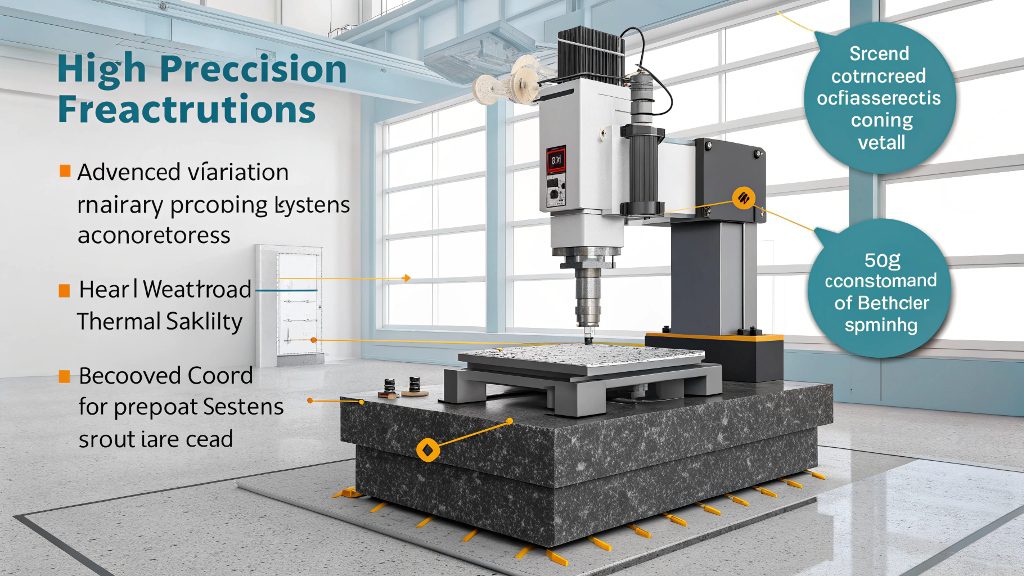
Precision doesn't just happen; it's engineered into the machine itself. When I look for new equipment for my facility, I focus on a few key characteristics that separate a standard machine from a precision one. These are the details that directly impact the quality of your final parts. For example, a machine built on a granite base will absorb vibrations much better than one on a steel frame, leading to a finer surface finish. It is these small but critical differences that define a true precision tool.
Key Characteristics of Precision Tools
- High Rigidity: The machine's frame and components are built to resist bending and vibration during cutting. This is crucial for maintaining accuracy under heavy loads.
- Thermal Stability: These machines have cooling systems to manage heat from the spindle and motors. This prevents thermal expansion from affecting the part's dimensions.
- Advanced Control Systems: They use high-resolution encoders and sophisticated software to control tool movement with micron-level accuracy.
Which tool set is commonly used for precision setup and measurement in machining?
Your parts are machined, but how do you verify their accuracy? Using the wrong measurement tools can approve bad parts, creating huge problems for you down the line.
For precision setup and measurement, machinists rely on tools like dial indicators, micrometers, calipers, and gauge blocks. For final quality control on complex parts, a Coordinate Measuring Machine (CMM) is the industry standard for providing comprehensive and highly accurate reports.
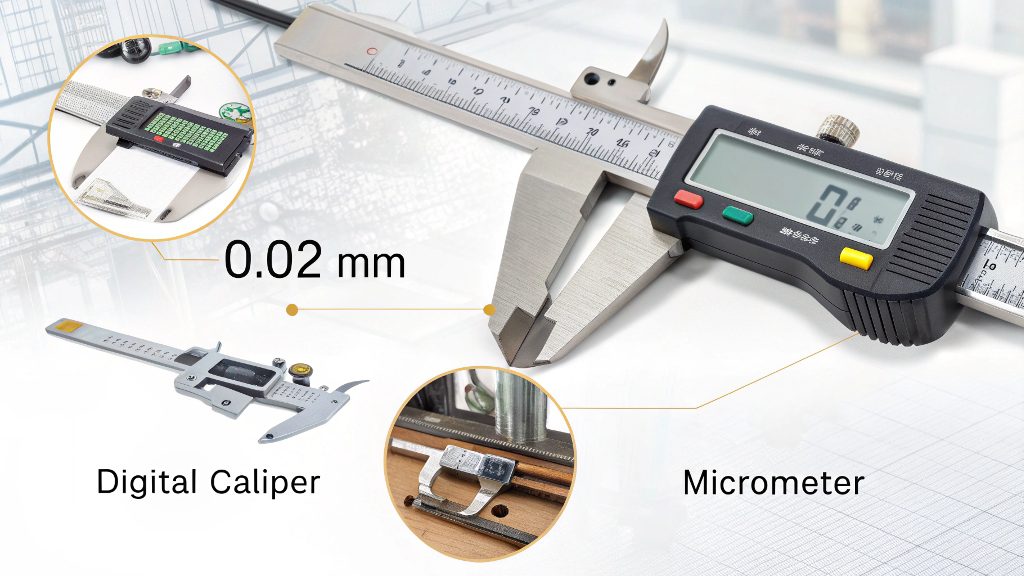
At Worthy, we believe that you can't make what you can't measure. That’s why our quality control process is just as important as our machining process. I once had a client, Mark from Canada, who was struggling with a supplier that sent him parts that looked correct but failed in assembly. The issue was that his old supplier relied only on basic calipers. We used our CMM to inspect his first batch of parts and provided a detailed report, showing that every dimension was perfect. This gave him the confidence to place a much larger order.
Essential Measurement Tools
| Tool | Primary Use | Level of Precision |
|---|---|---|
| Digital Calipers | Quick, general measurements | Good (±0.02 mm) |
| Micrometers | Highly accurate measurement of external dimensions | Excellent (±0.002 mm) |
| Dial Indicators | Measuring flatness, alignment, and runout | Excellent (±0.001 mm) |
| Coordinate Measuring Machine (CMM) | Automated, comprehensive 3D inspection of complex geometries | Superior (sub-micron) |
What material is used in precision machining?
Choosing the right material is critical. The wrong choice can lead to parts that fail under stress, corrode too quickly, or are simply too expensive for your budget.
A wide range of materials can be precision machined, but the choice depends on the application's needs. Common metals include Aluminum alloys (like 6061), Stainless Steel (304, 316), and Titanium. For plastics, we often use Delrin (Acetal) and PEEK.
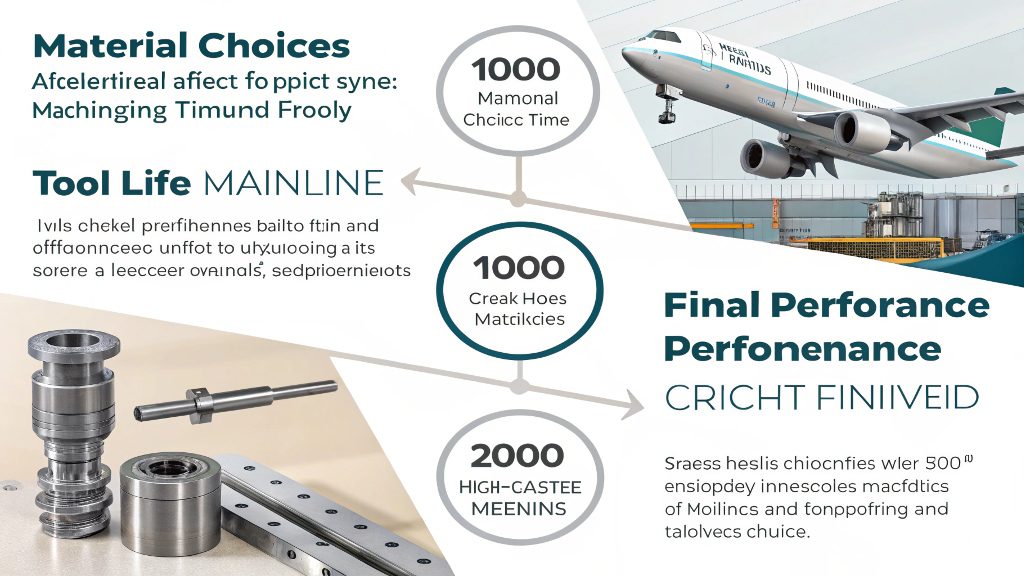
The material you choose affects everything—machining time, tool life, cost, and the final performance of your product. We have machined over 100 different materials at my company. The key is to match the material's properties to your design's requirements. For example, a customer in the aerospace industry needed a lightweight but strong part. We recommended Titanium over steel. Although it was more expensive and harder to machine, it met their strict weight and strength requirements perfectly. This is where an experienced partner can help you save money and improve your design. Helping customers select the right material is a service our engineers provide for free.
Common Material Choices
- Aluminum: Lightweight, good strength-to-weight ratio, and excellent machinability. It's a favorite for many applications, from consumer electronics to automotive parts.
- Stainless Steel: Offers high strength and fantastic corrosion resistance. It is ideal for medical devices and food processing equipment.
- Titanium: As strong as steel but much lighter. Its superb corrosion resistance and performance at high temperatures make it essential for aerospace and defense.
- Plastics (PEEK, Delrin): Used when you need chemical resistance, low friction, or electrical insulation. They are great alternatives to metal in many situations.
Which CNC machine is best suited for high precision aerospace components?
Aerospace components demand the highest level of precision. A part failing at 30,000 feet is not an option. Choosing a supplier without the right machine is a serious risk.
For high-precision aerospace components with complex geometries, the 5-axis CNC machining center is the best choice. It can machine complex shapes in a single setup, which improves accuracy, reduces lead times, and ensures the highest level of quality and consistency.
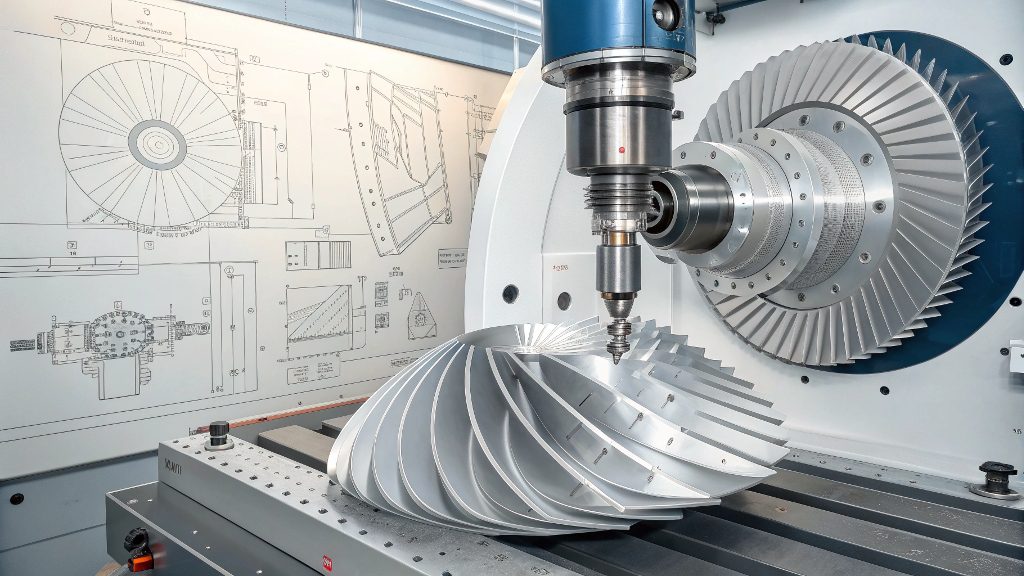
In aerospace, parts are rarely simple blocks. They have complex curves, deep pockets, and angled holes. A standard 3-axis machine would need multiple setups to create such a part. Each time you re-fixture the part, you introduce a small chance for error. A 5-axis machine avoids this completely. I remember a project for a European client that required a very complex turbine blade. Other suppliers quoted them with extremely high costs because they planned to use multiple machines and setups. We did it on our 5-axis machine in one operation. This not only saved the client money but also delivered a more accurate part, faster.
Why 5-Axis is Essential for Aerospace
- Single-Setup Machining: It reduces the risk of human error from repositioning the part, leading to much higher accuracy.
- Shorter, More Rigid Tools: The machine can tilt the tool or the part, allowing us to use shorter cutting tools. Shorter tools vibrate less, resulting in a better surface finish.
- Complex Geometries: It's the only practical way to machine the complex and organic shapes found in modern aircraft and satellites.
Conclusion
Equipping a workshop for large-scale precision machining requires specific, advanced tools. From 5-axis centers to CMMs, the right machinery is key to ensuring quality, accuracy, and efficiency.