
Why Is Aluminum an Ideal Material for Precision Metal Stamping?
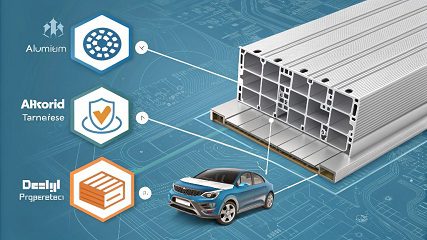
Choosing the right material for your project can be tough. The wrong metal means heavy, weak parts and high costs. Aluminum offers a unique combination to solve these problems.
Aluminum is ideal for precision metal stamping because it is lightweight, naturally corrosion-resistant, and an excellent thermal conductor. These qualities create durable, stable, and efficient parts for industries like aerospace and electronics, while also reducing shipping costs, making it a very popular choice for our clients.
Selecting the right material is one of the most critical decisions in a manufacturing project. I've seen many clients, like Mark from Canada, focus heavily on the final product's quality and cost. The material choice directly impacts both of these factors. This decision affects everything from the part's performance and lifespan to the total cost of production and shipping. It's a choice that deserves careful thought. Let's look closer at why aluminum is often the perfect material for many precision stamping needs.
What is the best material for metal stamping?
You see many metal options, and it's confusing to pick the best one. A bad decision can compromise your product's performance and your budget. The "best" material really depends on your needs.
There is no single "best" material for all metal stamping. The ideal choice depends on your project's specific needs, like required strength, weight, corrosion resistance, and cost. Common materials we use include steel, aluminum, brass, and copper, each with unique benefits for different applications.

The first question I always ask a new client is, "What is the end-use of this part?" The answer tells me almost everything I need to know. A part used in a medical device has very different needs than a bracket for a consumer product. At my company, Worthy, we help customers navigate this choice every day. We don't just ask what you want to make; we ask how it will be used. Will it be exposed to moisture? Does it need to be lightweight? Is electrical conductivity important? Understanding these factors is key. We often lay out the options in a simple way to help our clients make an informed decision. Here’s a quick breakdown of common materials we work with.
| Material | Key Feature | Best For... | Cost Factor |
|---|---|---|---|
| Aluminum | Lightweight & Corrosion Resistant | Aerospace, Electronics, Automotive | Moderate |
| Steel | High Strength & Durability | Structural Parts, Industrial Brackets | Low |
| Stainless Steel | Corrosion & Heat Resistant | Medical Devices, Food-Grade Parts | High |
| Copper | Excellent Electrical Conductivity | Terminals, Connectors, Contacts | High |
| Brass | Good Corrosion Resistance & Appearance | Decorative Parts, Plumbing Fittings | Moderate |
Why is aluminum preferred?
You need parts that are strong but not heavy. Many traditional metals force you to choose one or the other. Aluminum gives you both strength and light weight in one package.
Aluminum is preferred for its high strength-to-weight ratio. It's about one-third the weight of steel but can be alloyed for impressive strength. It also naturally resists corrosion without extra plating and is an excellent conductor of heat, which is vital for many electronic and automotive parts.
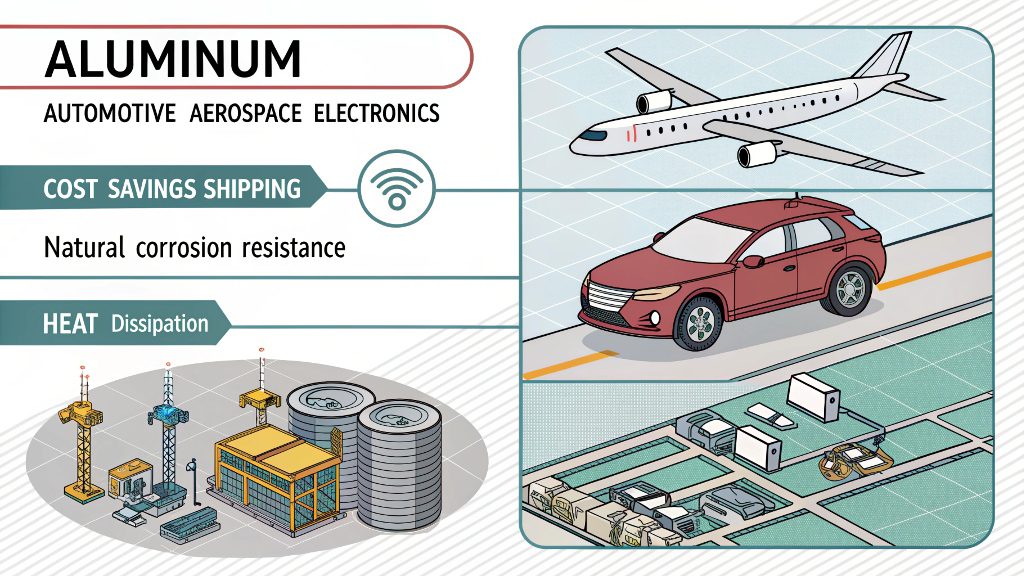
When I talk to clients, especially those in the automotive, aerospace, or electronics industries, the conversation often turns to aluminum. There are three big reasons why it's a top choice. First is its weight. Lighter parts mean lighter final products, which can lead to huge savings in shipping costs, especially for large orders going to places like North America or Europe. Second is its natural corrosion resistance.
Aluminum forms a protective oxide layer on its surface. This means you can often skip the plating or coating step, saving both time and money. Third is its ability to dissipate heat. In electronic devices, heat is a major enemy. We stamp many aluminum shields and enclosures because the material naturally draws heat away from sensitive components, extending the product's lifespan. These combined benefits make aluminum a very smart and cost-effective choice for many precision stamping projects.
What is the best aluminum for stamping?
So you've chosen aluminum, but now you see many different alloys. Picking the right alloy can seem complicated. The wrong one might not form correctly or provide the needed strength.
The best aluminum for stamping depends on the application's demands for formability and strength. For deep drawing and complex shapes, 3003 aluminum is excellent. For parts needing higher strength after forming, heat-treatable alloys like 6061 are a better choice for our customers' projects.

Just saying "aluminum" is not enough. The specific alloy makes a huge difference. At Worthy, we work with a wide range of aluminum alloys, and we guide our clients to the perfect one for their design. We have four engineers on our team, and part of their job is to help customers select materials that will not only work but also save them money. For example, a customer might need a simple clip. For that, a softer, more formable alloy from the 3xxx series might be perfect and very cost-effective. But another client might need a structural mounting plate for an electronic device. In that case, we would recommend a stronger, heat-treatable alloy like 6061. Helping our customers make these small but vital decisions is a big part of what we do. It ensures the parts work perfectly and prevents costly mistakes.
Common Aluminum Alloys for Stamping
| Alloy Series | Primary Alloying Element | Key Characteristics | Typical Applications |
|---|---|---|---|
| 1xxx | None (99%+ Pure) | Excellent formability, corrosion resistance, & conductivity. Low strength. | Chemical equipment, electrical conductors |
| 3xxx | Manganese | Good formability, moderate strength, good corrosion resistance. | Cookware, automotive parts, heat exchangers |
| 5xxx | Magnesium | High strength, excellent corrosion resistance (especially in saltwater). | Marine parts, truck bodies, pressure vessels |
| 6xxx | Magnesium & Silicon | Good formability, corrosion resistance, and heat-treatable for high strength. | Architectural structures, automotive frames |
Why choose aluminum over steel?
Steel is strong and cheap, which is very tempting. But its weight can be a major issue for your product. This adds hidden costs in shipping and can limit your application's potential.
Choose aluminum over steel when low weight and corrosion resistance are more important than pure strength. While steel is stronger, aluminum offers a superior strength-to-weight ratio, which is critical for aerospace, automotive, and portable electronics. This also lowers shipping costs for our clients in Europe and America.

This is a classic trade-off in manufacturing: strength versus weight. Steel is a fantastic material, and we stamp millions of steel parts every year. It’s incredibly strong and usually cheaper per kilogram. However, many of my clients, like Mark in Canada, sell to markets where efficiency and performance are key. For them, aluminum is often the better long-term investment.
An aluminum part might have a slightly higher material cost, but it can make the final product much lighter. This saves money on every single unit that gets shipped. Furthermore, steel rusts easily without expensive and time-consuming finishing processes like plating or powder coating. Aluminum does not. When you add up the savings from reduced weight and no need for rust-proofing, aluminum often becomes the more economical choice, especially for high-volume production. It's about looking at the total cost, not just the material price.
Conclusion
In short, aluminum's unique mix of light weight, strength, and corrosion resistance makes it a top choice for many precision metal stamping projects, delivering great value and performance.