
What Are The Advantages Of Stainless Steel Vs Aluminum In Metal Stamping?

Choosing the right material is critical. The wrong choice leads to part failure and wasted investment. Let me help you decide between stainless steel and aluminum for your stamping project.
The main difference is that stainless steel offers superior strength, durability, and corrosion resistance, making it ideal for harsh environments. Aluminum is lighter, more malleable, and generally less expensive, which is great for applications where weight and cost are the primary concerns.
Choosing between stainless steel and aluminum for your metal stamping project can feel complicated. Both materials are popular, but they have very different properties that make them suitable for different jobs. Your final decision will impact everything from your product's lifespan and performance to your total manufacturing cost. I want to walk you through the key differences I've seen over my years in the business to help you make the best choice for your specific needs. Let's look at the details so you can feel confident in your material selection.
What are the advantages of stainless steel over aluminum?
Struggling with parts that corrode or break too easily? This can lead to costly replacements and a damaged reputation. Stainless steel offers the strength and resilience your products need.
Stainless steel's biggest advantages are its exceptional strength, high corrosion resistance, and superior heat tolerance. This makes it the perfect choice for creating durable parts that must survive in tough conditions, from marine hardware to food-grade equipment, ensuring they last for years.
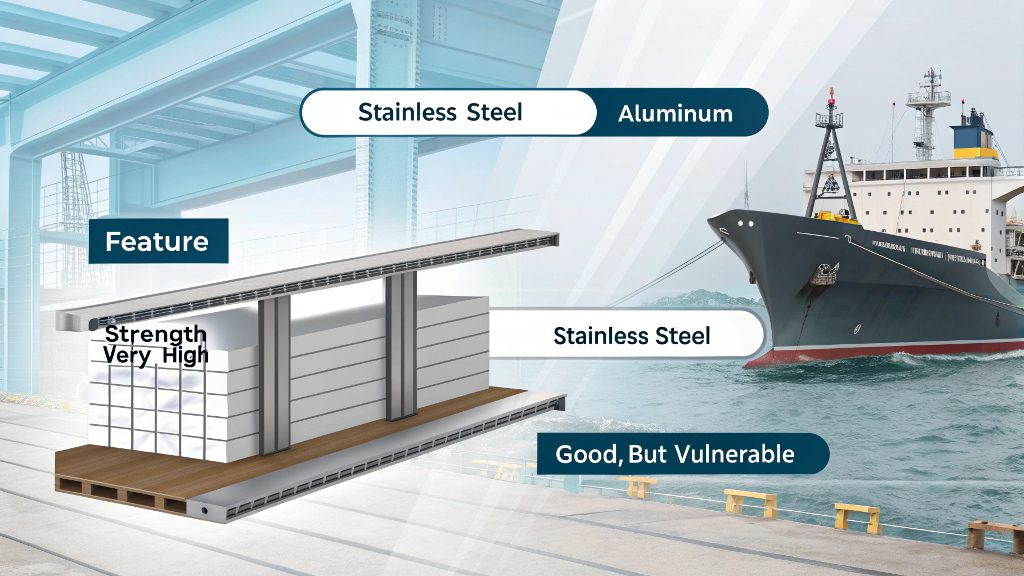
When I talk to clients like Mark, who are very focused on quality, the conversation often turns to long-term performance. While stainless steel has a higher upfront cost than aluminum, its benefits often save money over time. Its strength is a major factor. You can design parts with thinner walls that are still stronger than thicker aluminum parts. But the real game-changer is its corrosion resistance. I remember a client who made components for boats. They initially used aluminum to save money, but the parts quickly corroded in the saltwater environment. They switched to a 316-grade stainless steel on my recommendation. Their customer complaints dropped to zero. This is because stainless steel contains chromium, which forms a passive, rust-proof layer on the surface.
Here's a simple breakdown:
| Feature | Stainless Steel | Aluminum |
|---|---|---|
| Strength | Very High | Moderate |
| Corrosion Resistance | Excellent, especially in harsh conditions | Good, but vulnerable to acids/alkalis |
| Heat Resistance | Excellent | Good, but melts at a lower temperature |
| Best For | Durable parts, harsh environments, food/medical | Lightweight parts, electronics, cosmetic uses |
Is stainless steel good for metal stamping?
Worried that stainless steel is too hard for complex stamping designs? This fear can make you choose a weaker material. With the right equipment and experience, stainless steel is a fantastic choice.
Yes, stainless steel is an excellent material for metal stamping. Although it is harder and requires more force and stronger tooling than softer metals like aluminum, its properties allow for the creation of very precise, strong, and long-lasting stamped components.
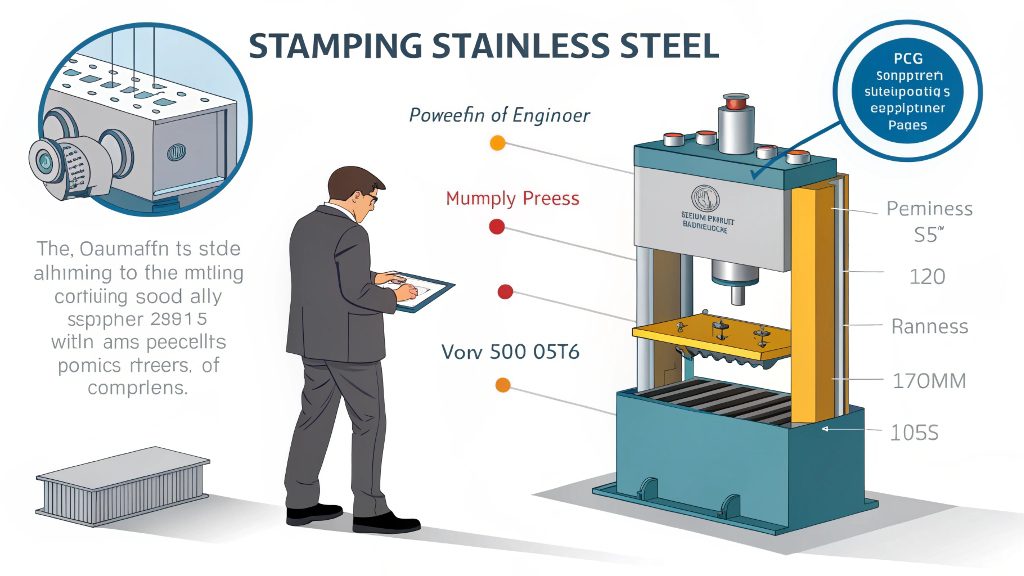
Stamping stainless steel definitely requires more know-how than stamping aluminum. It’s a property called "work hardening," which means that as we bend and form it, it becomes even harder. This puts a lot of stress on our tools and dies. For a business owner like Mark, this is an important point because it can affect tooling life and cost. However, at Worthy Hardware, our engineers have decades of experience with this. We design robust tools from hardened steel and use powerful presses—ours go up to 500 tons—to handle the job. We also carefully control the stamping speed and use the right lubricants to manage heat and friction. This allows us to produce complex stainless steel parts with tight tolerances of up to .001" (.025mm) while maximizing the life of the tooling, which keeps costs fair for our customers. So, while it's more challenging, the result is an incredibly durable part.
What are the advantages of aluminum over steel?
Are heavy parts driving up your shipping costs and limiting your product's application? Using steel when you don't need its strength adds unnecessary weight and expense. Aluminum is the perfect lightweight solution.
Aluminum's primary advantages are its low density (about one-third the weight of steel) and lower cost. It's also an excellent thermal and electrical conductor, is easy to form, and naturally resists corrosion in a standard pH environment.
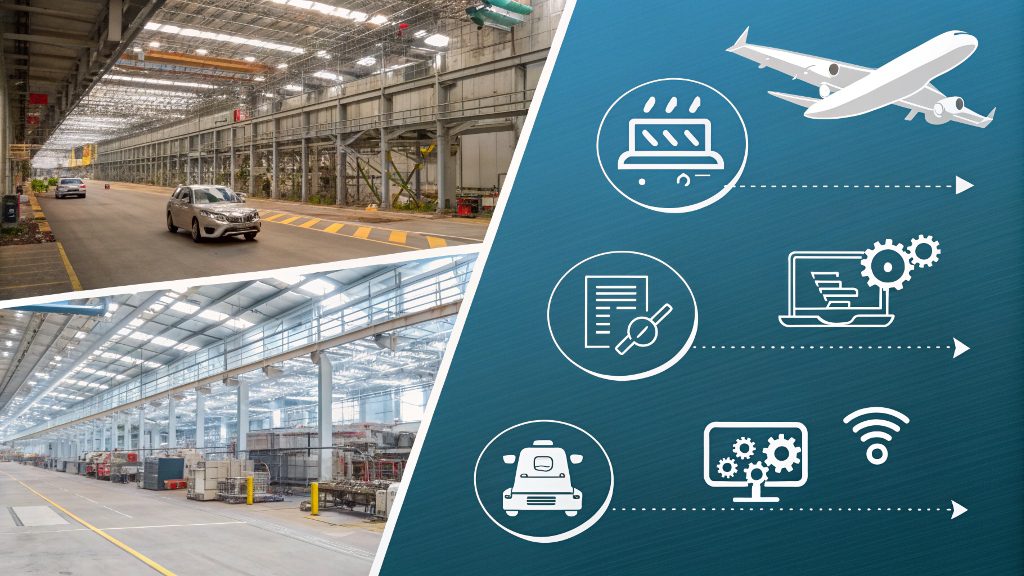
Many of my customers in the electronics and automotive industries choose aluminum for very specific reasons. The biggest one is weight. When you're making a part for a car or an airplane, every gram counts. Lighter parts mean better fuel efficiency. The same goes for consumer electronics; nobody wants a heavy laptop or phone casing. Aluminum provides a great strength-to-weight ratio. Another major benefit is its formability. Aluminum is much softer than stainless steel, so it's easier to stamp into complex shapes. This means we can often run our presses faster, and the tools and dies last longer, which helps keep production costs down. I always explain to my clients that if their part isn't exposed to extreme chemicals or high stress, aluminum often provides the best balance of performance and price. It’s also a fantastic heat sink, pulling heat away from sensitive electronic components.
Is stainless steel more scratch resistant than aluminum?
Worried that your product's finish will scratch easily, making it look old and worn out? A poor surface finish can ruin a customer's perception of quality. Stainless steel offers superior durability.
Yes, stainless steel is significantly harder and more scratch-resistant than aluminum. Its inherent toughness allows it to withstand daily wear and tear much better, making it ideal for surfaces, consumer products, and components that are frequently handled.
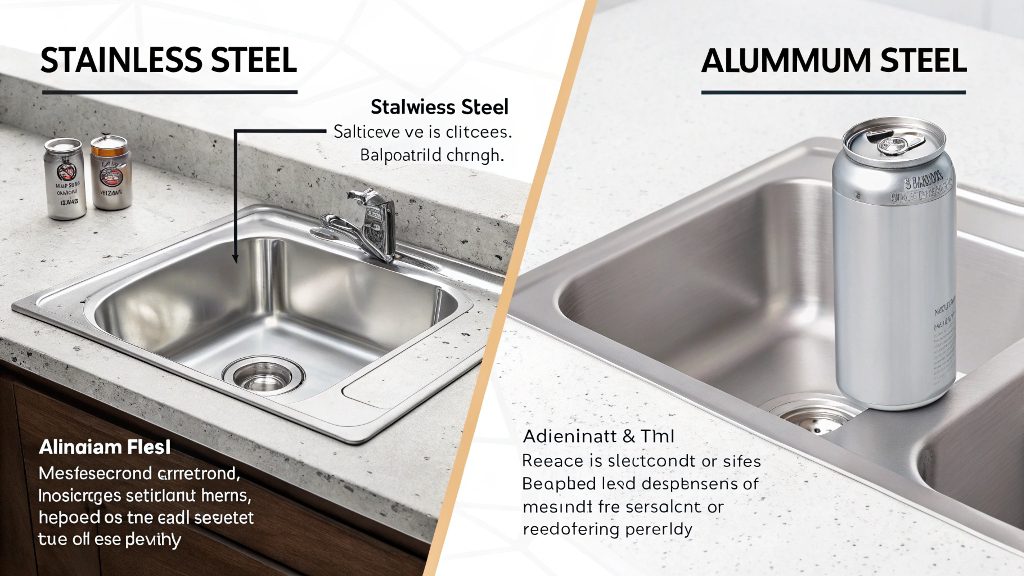
The difference in hardness between stainless steel and aluminum is something you can feel right away. Think about a stainless steel kitchen sink versus an aluminum can. The sink can handle pots and pans being dropped in it for years with minimal scratching, while the aluminum can be dented with your thumb. This hardness is a critical factor for any product where appearance matters over the long term. For clients making consumer-facing products like appliance panels, brackets, or decorative trim, I almost always recommend stainless steel if the budget allows. It maintains its look for much longer. Aluminum, on the other hand, is quite soft and scratches easily. While it can be anodized to create a harder protective layer, the base material is still soft. For any high-contact or high-wear application, stainless steel’s natural scratch resistance makes it the clear winner for maintaining a quality look and feel.
Conclusion
In short, choose stainless steel for strength and durability in harsh conditions. Pick aluminum when you need a lightweight, cost-effective, and easily formed part for less demanding applications.