
What Is The Difference Between Food Grade And Industrial Grade Silicone?
Struggling to choose the right silicone? Using the wrong type can be unsafe for your customers. I'll explain the key differences to help you select the correct grade.
Food-grade silicone meets strict safety standards for contact with food, is purer, and doesn't turn white when stretched. Industrial-grade silicone is cheaper and used for non-food applications where these standards are not required.
You now know the main difference is safety and purity. But this is just the beginning. To really make an informed decision for your project, you need to understand where each type shines and what its limitations are. Let's dive deeper into the specific uses and properties of each.
What is industrial grade silicone used for?
Ever see silicone everywhere but you are not sure which is which? Using food-grade for an industrial job is costly and unnecessary. Let's look at where industrial silicone is the perfect fit.
Industrial grade silicone is used for applications where there is no contact with food. This includes seals, gaskets, insulation, lubricants, and molds for non-food items in automotive and construction.
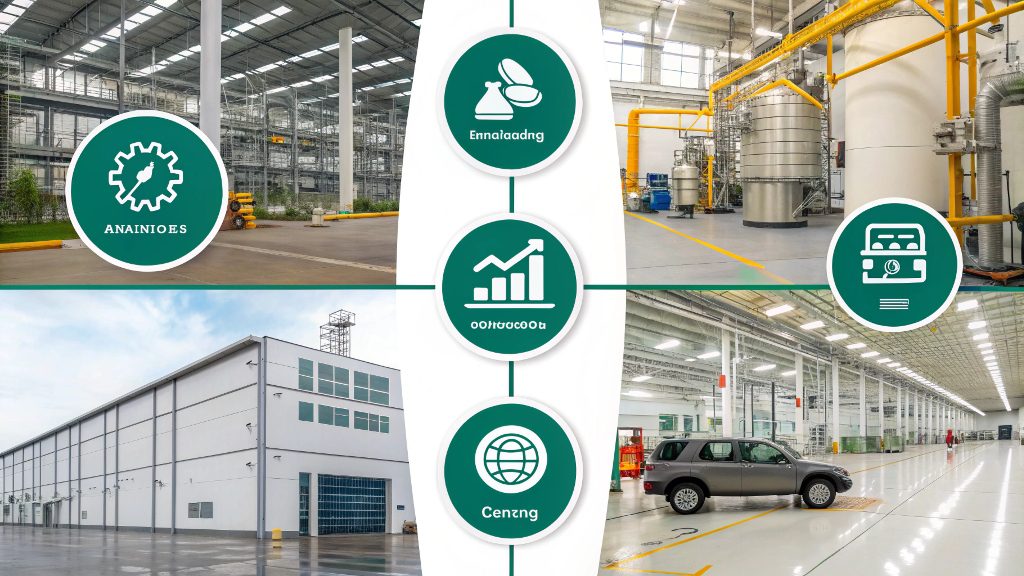
Industrial grade silicone is the workhorse of many industries. You find it almost everywhere that doesn't involve eating. Its main job is to seal, protect, and insulate. Because it doesn't need to meet the strict purity standards of food-grade versions, it can be made more cheaply. This makes it the best choice for large-scale industrial applications where cost is a major factor.
Key Applications in Industry
In the automotive world, I've seen it used for engine gaskets, hoses, and O-rings. It can handle high temperatures without breaking down. In construction, it's used as a sealant for windows and bathrooms because it resists water and weather. For electronics, it protects sensitive components from moisture and vibration. It's incredibly versatile.
Why It's So Cost-Effective
The manufacturing process for industrial silicone is less demanding. It often uses a peroxide-curing method and may include various fillers. These fillers are cheaper materials that bulk up the silicone, reducing the overall cost. For a gasket that just needs to sit between two pieces of metal, this is perfectly fine. It doesn't need to be pure enough to touch someone's dinner.
What is the difference between silicone and food grade silicone?
You know they're different, but what is really inside them? The invisible differences in purity and composition can impact safety and performance. I will break down the material science in simple terms.
The main difference is purity. Food-grade silicone is made without fillers and is "platinum-cured" to ensure no harmful byproducts remain. Regular industrial silicone often uses cheaper "peroxide-curing" and may contain fillers.


The real difference comes down to the chemistry and what is left out. When we talk about food-grade, we are talking about a higher level of purity. This ensures nothing harmful can get into your food. From my experience in manufacturing, achieving this purity level affects the process, the materials, and the final cost. It's a commitment to safety.
Curing Process: Platinum vs. Peroxide
The curing process is what turns the liquid silicone into a stable, solid rubber.
- Platinum-cured silicone is the standard for food-grade products. It's a very clean process that creates a strong, pure material with no strange smells or tastes. No harmful byproducts are created. This is why it's used for baby bottle nipples and medical devices.
- Peroxide-cured silicone is common for industrial grades. It's a cheaper process, but it can leave behind byproducts. These byproducts are why industrial silicone might have a chemical smell and why it's not safe for food.
A Quick Comparison Table
This table makes the differences very clear.
| Feature | Food-Grade Silicone | Industrial-Grade Silicone |
|---|---|---|
| Purity | High, no fillers | May contain fillers |
| Curing Method | Platinum-cured | Often peroxide-cured |
| Safety | Safe for food contact | Not for food contact |
| Cost | Higher | Lower |
| Stretch Test | Stays one color | Turns white |
What are the disadvantages of food grade silicone?
Food-grade silicone seems perfect, right? But choosing it for every project can be a costly mistake. Let's look at the downsides to help you budget wisely and manage expectations.
The main disadvantage of food-grade silicone is its higher cost compared to industrial grades. It can also attract dust due to static and may sometimes retain odors from strong foods.
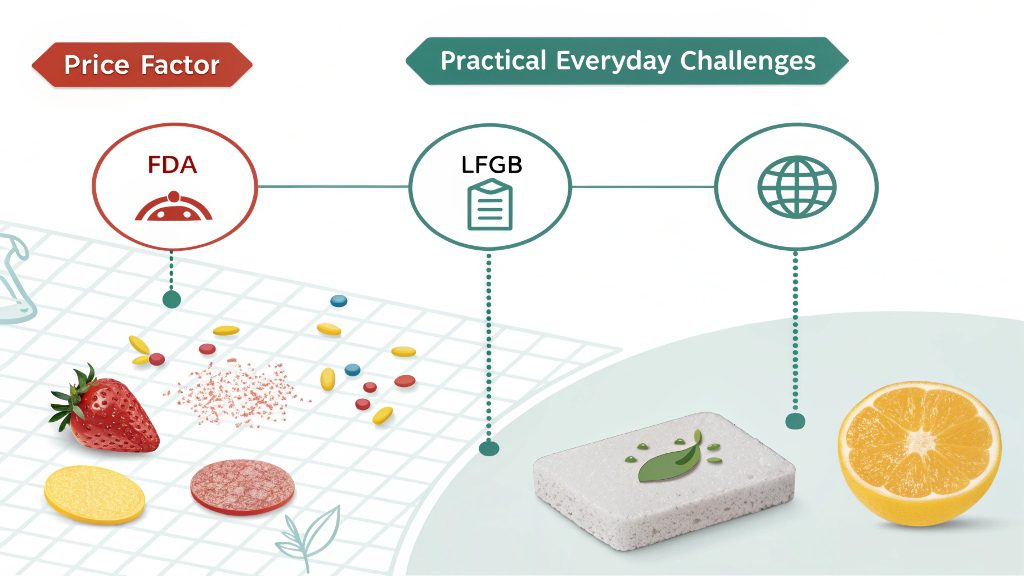
While food-grade silicone is fantastic for safety and performance, it is not without its drawbacks. No material is perfect for every single situation. Understanding its limitations helps you use it correctly and care for it properly. In my business, being honest about these things helps my clients make the best decisions.
The Price Factor
The biggest disadvantage is the cost. Producing 100% pure, platinum-cured siliconeis an expensive process. The raw materials are more costly, the platinum catalyst used for curing is precious, and the manufacturing must be incredibly clean. Then there's the cost of getting it certified by bodies like the FDA in the US or LFGB in Europe. All these steps add up, making the final product significantly more expensive than its industrial counterpart. If you don't need food safety, you're paying for features you won't use.
Practical Everyday Challenges
Food-grade silicone has a slightly tacky surface. This means it can be a magnet for dust, lint, and pet hair. It's easy to clean, but it's something to be aware of. Also, while it is non-porous, it can sometimes hold onto the smells of very strong foods like garlic or certain dish soaps. Usually, airing it out or baking it at a low temperature can solve this.
Does food grade silicone turn white when stretched?
Ever stretched a silicone product and seen it turn white? This simple test can reveal a lot about its quality and safety. I will explain what this means and how to check.
No, high-quality, 100% pure food-grade silicone does not turn white when stretched or pinched. If it does, it's a sign that the material contains plastic fillers, meaning it is not pure silicone.


This is one of the easiest ways for anyone to check the quality of a silicone product. I use this "pinch test" all the time. It is a quick, reliable indicator of purity. A product that fails this test is not something I would trust for applications that require high performance or food safety. The change in color is a red flag that tells you exactly what you are holding.
The Simple Pinch Test
Here is how you do it. Take a piece of the silicone and pinch it hard, then give it a little twist. Look closely at the area you are stretching.
- No color change: If the silicone just stretches and stays its original color, you are likely holding 100% pure silicone. This is what you want for food-grade products.
- Turns white: If a white line appears, it means the manufacturer has mixed in cheaper plastic fillers to save money.
What a White Mark Really Means
That white color is the filler material separating from the silicone. These fillers are not silicone. They don't have the same properties. They cannot withstand high heat, may leach chemicals when heated, and make the product weaker. Over time, a product with fillers will tear and break down much faster than one made from pure silicone. It simply doesn't have the same strong, flexible chemical structure.
Conclusion
Choose food-grade silicone for safety and purity in food applications. For industrial uses, the less expensive grade is fine. Always check quality by doing the pinch test yourself.