
What Surface Finishing Options Work Best for CNC Machined Wooden Components?
Getting the perfect finish on your CNC wood part is tough. A poor choice ruins its look and feel. We can help you pick the best option for beauty and protection.
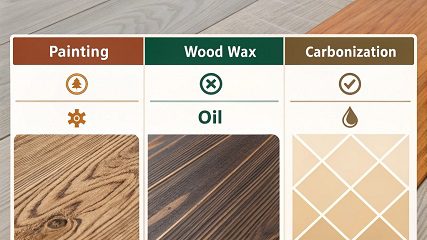
For CNC machined wooden components, the best surface finishing options are sanding, wood wax oil, carbonization, and painting. Each offers unique aesthetics and protection. Painting is very popular for a durable, customized color finish, while oils enhance the natural grain of the wood.
The finish you choose can make or break your project. It's not just about looks; it's about protecting the wood for years to come. To make the best choice, it helps to understand the whole process, from how we work with wood to what a "surface finish" even means. Let's walk through it together so you can feel confident in your decision.
Can CNC be used for wood?
Thinking CNC is just for metal? This misconception limits your design possibilities. You might be missing out on the precision and beauty of CNC-machined wood for your projects.
Absolutely. CNC machining is excellent for wood. Using specialized tools and techniques, CNC routers can precisely cut, carve, and shape various types of wood. This process creates complex and repeatable wooden components for furniture, prototypes, and decorative items with high accuracy.
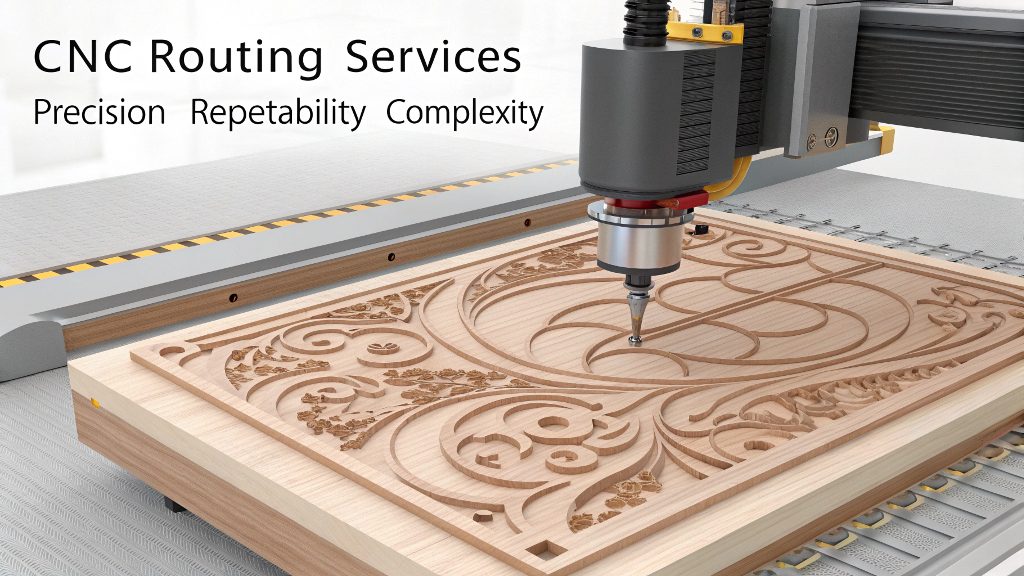
We use CNC for wood all the time. It's a core part of our CNC Routing Services. A CNC router is a machine that uses computer control to move a cutting tool, like a drill bit, in 3D space. This is perfect for wood. It allows us to cut intricate shapes that would be very difficult or impossible to do by hand. Imagine creating ten identical, complex chair legs. With CNC, each one is a perfect copy. This technology brings engineering precision to a natural material.
Key Advantages of CNC for Wood
- Precision: We can hold tight tolerances, ensuring parts fit together perfectly.
- Repeatability: Every part is identical, which is essential for high-volume production.
- Complexity: We can machine complex curves and patterns that traditional woodworking struggles with.
From one-off prototypes to mass production runs, CNC machining makes working with wood faster, more accurate, and more versatile than ever before.
What is surface finish in CNC?
Confused by terms like "Ra" and "as-machined"? This jargon can be frustrating. Not understanding it could lead to getting parts that don't meet your expectations for smoothness.
In CNC, surface finish is the surface texture, measured by roughness (Ra). A typical "as-machined" finish is 125 Ra. A lower Ra is smoother. This is a critical spec for a part's function and appearance, but for wood it's just the start.
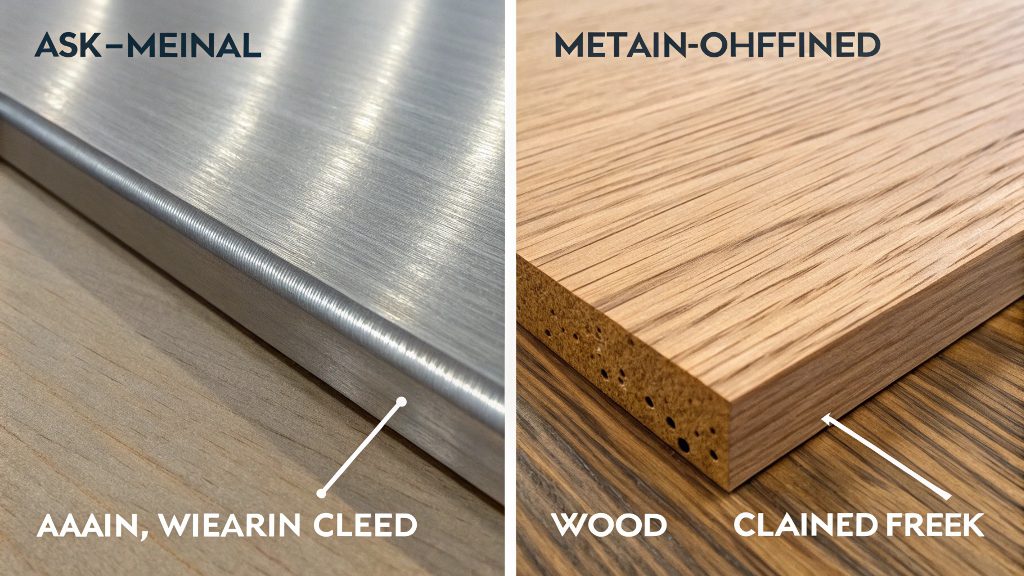
Surface finish is a very important technical detail. Think of a part's surface under a microscope. It has tiny peaks and valleys. We measure the average height of these, and we call that "Surface Roughness," or Ra. Our standard "as-machined" finish for metals is 125 Ra. This is the raw finish a part has right after being cut. For many metal parts, this is good enough. But for wood, "as-machined" looks very different. The cutting process can leave small tool marks and slightly fuzzy fibers. It is never the final step for a high-quality wooden product.
Metal vs. Wood: As-Machined Finish
| Feature | Metal (e.g., Aluminum) | Wood (e.g., Oak) |
|---|---|---|
| Appearance | Clean, metallic sheen | Dull, may have tool marks |
| Texture | Smooth to the touch | Can feel slightly rough or fuzzy |
| Next Step | Can be the final finish | Always requires sanding |
For wood, the real surface finish comes from the secondary processes like sanding and coating. That’s how we achieve a truly smooth and beautiful surface.
Which wood is best for CNC?
Choosing the wrong wood for your CNC project can lead to poor results. The wood might chip, tear, or not hold detail. Let us help you pick the perfect material.
Hardwoods with a tight, consistent grain are generally best for CNC machining. Woods like Maple, Oak, Cherry, and Walnut machine cleanly and hold fine detail very well. Softer woods like Pine can be used but may result in a fuzzier finish requiring more sanding.
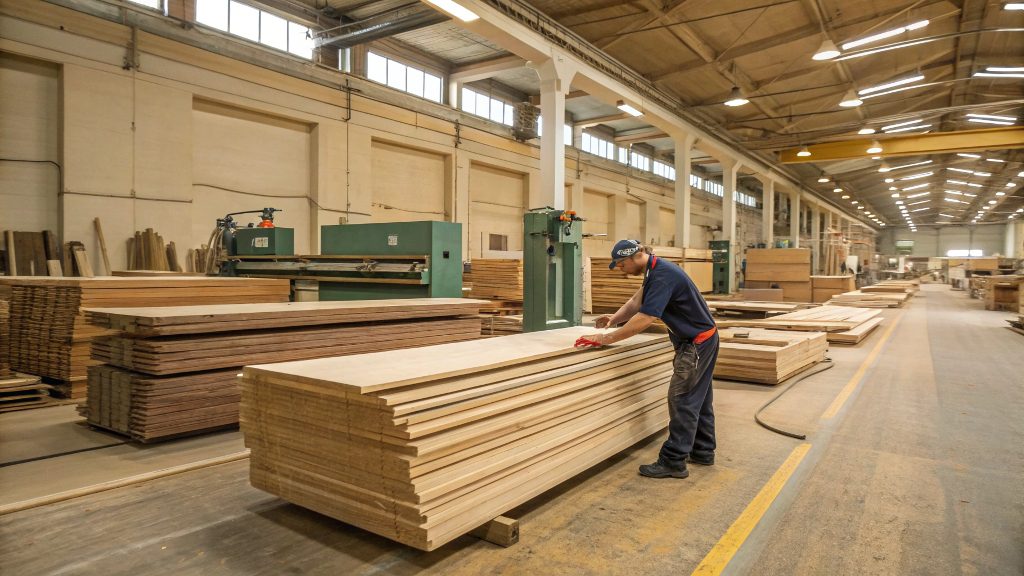
The choice of wood is critical for getting good CNC results. We work with all kinds of wood, from hardwoods to softwoods and even engineered woods like MDF. Generally, we recommend hardwoods for projects that need fine details and a clean finish. Their dense, tight grain structure resists chipping as the cutting tool moves through it. Woods like Oak and Maple are fantastic for this. Softer woods, like Pine, are more affordable but tend to have more "tear-out," where the wood fibers get pulled instead of cut cleanly. This just means they need more finishing work after machining.
Common Woods for CNC Machining
| Wood Type | Best For | Machinability Notes |
|---|---|---|
| Maple | Fine details, durable parts | Excellent, very clean cut |
| Oak | Furniture, structural parts | Good, strong, defined grain |
| MDF | Prototyping, paint-grade items | Very consistent, easy to machine, no grain |
| Pine | Budget projects, rustic look | Fair, prone to tear-out |
We have years of experience and our engineers can help you select the right wood based on your design, budget, and desired final appearance.
So, what are the best finishing options for wood?
A raw wooden part is vulnerable and unfinished. Without proper treatment, it can stain, warp, or crack. We'll show you how to protect and beautify your wooden components.
The best options are sanding, painting, wood wax oil, and carbonization. Sanding is essential for smoothness. Painting offers color and durable protection. Wood wax oil enhances natural grain. Carbonization gives a unique, dark finish.


After your part is machined, the real transformation begins. The finish determines the final look, feel, and durability. At my company, we handle many wood finishes, but four are the most popular. Painting is the most common request we get from clients. It provides a hard, protective layer and allows for any color you can imagine. It's perfect for a modern, clean look. Wood wax oils are great for highlighting the natural beauty of the wood grain. They soak into the wood and provide a very natural feel. Carbonization is a special process where we carefully burn the surface to create a dark, beautiful, and rot-resistant finish.
Key Wood Finishing Options
| Finish | Best For | Key Benefit |
|---|---|---|
| Painting | Modern look, full color | Maximum durability and color choice |
| Wood Wax Oil | Highlighting natural grain | Natural look and feel, easy to repair |
| Carbonization | Unique aesthetic, outdoor use | Distinctive dark look, increased durability |
| Sanding | Preparation for all finishes | Creates a smooth, professional surface |
Of course, all these processes start with proper sanding to create a smooth base. Each method has its place, and we can help you decide which is best for your project.
Conclusion
Choosing the right wood and finish is key. From CNC routing to painting, we ensure your wooden parts are beautiful, durable, and precisely made to your specifications.