
What Tolerances Can Be Achieved When CNC Machining Optical-Grade Acrylic?
Need precise optical acrylic parts but are unsure about achievable tolerances? The wrong choice means failed components and wasted money. Understanding what's possible ensures your parts are made right the first time.
For optical-grade acrylic, CNC machining can typically hold a standard tolerance of ±0.1mm (±0.004"). For critical features, we can achieve much tighter tolerances, sometimes as fine as ±0.01mm (±0.0004"), depending on the part's geometry and specific requirements.
This sounds straightforward, but there is more to it. The material itself, the machine, and the design all play a role. To get the best results for your project, you need to understand how these factors work together. Let's break it down further so you can make informed decisions and avoid costly mistakes with your parts.
What is the tolerance of acrylic machining?
You are designing an acrylic part and need to specify tolerances. Setting them too tight increases costs unnecessarily; too loose, and the part could fail. Knowing the standard makes for smart design choices.
The standard machining tolerance for acrylic is generally ±0.1mm (±0.004"). This provides a good balance between precision and cost-effectiveness for most applications. Tighter tolerances are possible but often require special handling and increase the cost.
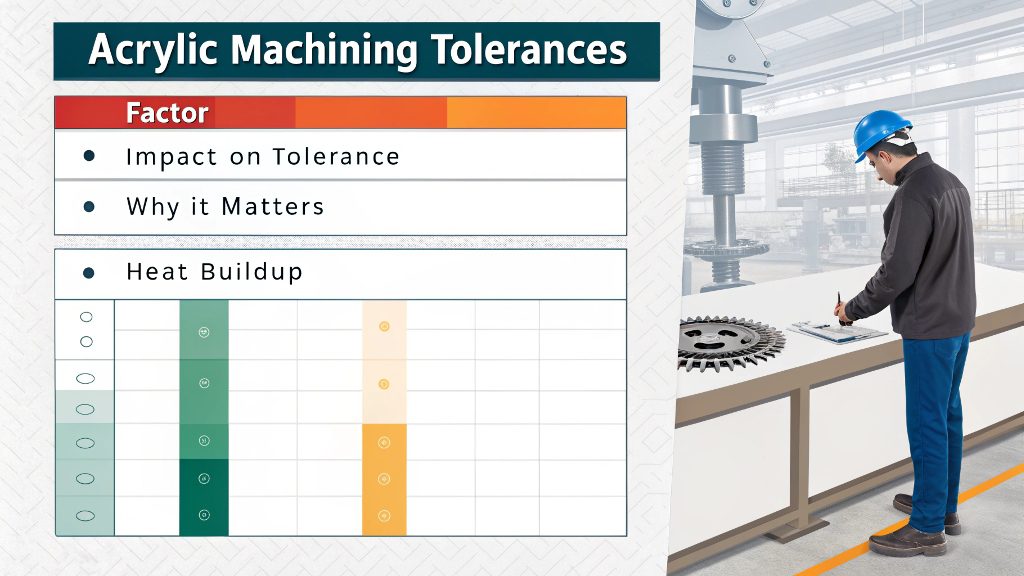
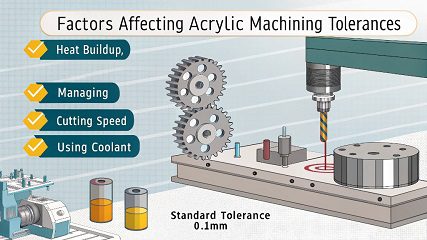
I often explain to my customers that acrylic[^1] is very different from metal. It is much softer and more sensitive to heat. This completely changes how we approach machining it. High-speed cutting, which is efficient for aluminum, can melt the surface of acrylic if we are not careful. On the other hand, cutting too slowly can cause the material to chip or crack. We must find the perfect balance. This is why a standard tolerance of ±0.1mm is a safe and reliable starting point. It accounts for these material challenges. For most projects, this is more than enough precision. Pushing for tighter tolerances means slower machining speeds, special cooling systems, and more frequent tool changes, which all add to the final cost of the part.
Factors Affecting Acrylic Machining Tolerances
| Factor | Impact on Tolerance | Why it Matters |
|---|---|---|
| Heat Buildup | Can cause material to warp or melt | Acrylic has a low melting point. We must manage cutting speed and use coolants to maintain dimensional stability. |
| Tool Sharpness | Sharp tools are critical | Dull tools can cause stress, leading to cracks or a poor surface finish. This directly impacts the final dimensions. |
| Clamping Pressure | Can deform the material | Acrylic is softer than metal. Too much pressure from clamps can bend or mark the part, affecting accuracy. |
| Part Geometry | Complex features are harder to control | Thin walls or intricate details are more susceptible to vibration and heat, making tight tolerances challenging to hold. |
What are the tolerances for CNC machining?
You hear "CNC machining" and think of ultimate precision. But the machine's capability is just one part of the story. This can lead to confusion when you compare materials like metal and plastic.
General CNC machining tolerances for metals are typically held to ±0.127mm (±0.005") according to ISO 2768 (medium). At Worthy, we can achieve much tighter precision, often holding sub +/- 0.001" (+/- 0.025mm) based on your drawing and GD&T callouts.
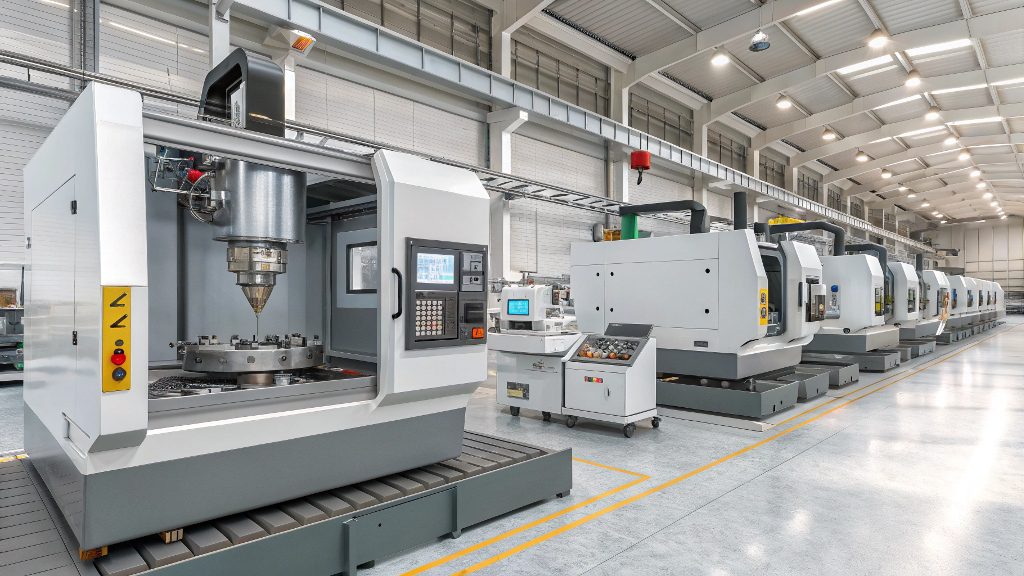
At our shop in China, our machines are incredibly precise. They can position a cutting tool with an accuracy of microns. When we machine stable materials like aluminum or steel, we use the ISO 2768 standard as a baseline. This standard provides different classes of tolerances—fine, medium, and coarse. For most metal parts, we work to the medium class, which is around ±0.127mm. However, our real strength at Worthy is pushing beyond that standard. With our controlled environment and advanced 5-axis CNC machines, we can hit very tight tolerances, sometimes down to ±0.001" (0.025mm) or even better. This is crucial for our clients in the aerospace and medical industries. But always remember, the final tolerance depends on the material. The machine's capability is the starting point. The material's behavior under the stress and heat of cutting is the real challenge we solve every day.
What are the tolerance grades for machining?
You might see terms like "fine" or "medium" tolerance on a quote or drawing. Not understanding these grades can lead to miscommunication, costing you time and money on incorrect parts.
Machining tolerances are often categorized by grades, like those in the ISO 2768 standard. The main grades are "fine" (f), "medium" (m), "coarse" (c), and "very coarse" (v). The medium grade is the most common for general machining.
I often talk to customers like Mark from Canada. He needs high-quality parts but is also watching his budget. Understanding these tolerance grades helps him decide where to invest in precision. For example, a non-critical outer housing might be perfectly fine with a "coarse" tolerance. But a surface that has to mate with another part needs a "fine" tolerance. Using the ISO 2768 standard makes this communication clear and simple. It defines acceptable variations for dimensions that don't have a specific tolerance listed on the drawing. This saves a lot of back-and-forth emails. Choosing the right grade is a balance between function and cost. A finer grade requires more careful work, more inspection steps, and therefore costs more. We help our customers choose the most cost-effective grade for each feature of their part to ensure they are not overpaying for unnecessary precision.
ISO 2768 General Tolerance Grades
| Grade | Description | Typical Application |
|---|---|---|
| Fine (f) | For high-precision components where accuracy is critical. | Mating parts, bearing fits, precision instruments. |
| Medium (m) | The most common grade, offering a good balance of cost and precision. | General engineering parts, frames, brackets. |
| Coarse (c) | For parts where exact dimensions are not critical to function. | Non-functional features, covers, rough assemblies. |
| Very Coarse (v) | Used for processes where large variations are expected. | Rough forgings or preliminary machining operations. |
Can acrylic be CNC machined?
You have a design that requires the crystal clarity and light weight of acrylic. But you worry the material might be too delicate or difficult to machine precisely without it cracking or breaking.
Yes, acrylic (PMMA) can be CNC machined very effectively. It machines cleanly and can be polished to a high optical clarity. The key is using the right tools, speeds, and feeds to prevent melting or stress.
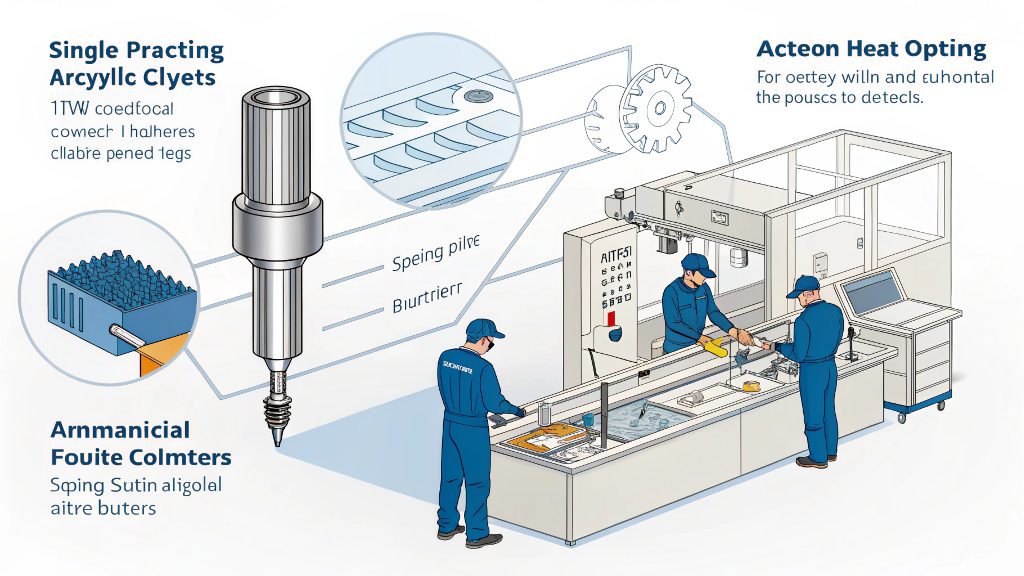
At Worthy, we machine acrylic parts every week for industries from consumer electronics to medical devices. It is a fantastic material, but it needs to be treated with respect. Unlike aluminum, you cannot just machine it aggressively. We use special single-flute cutters that have very sharp edges designed specifically for plastics. These tools shear the material cleanly instead of pushing through it like a standard tool would. We also use a constant stream of compressed air or a specialized coolant to clear away chips and prevent heat from building up. Heat is the number one enemy of acrylic machining because it causes melting and stress. For high-precision optical parts, we might even perform an annealing process before and after machining. This relieves internal stresses in the material, ensuring it remains dimensionally stable and doesn't develop tiny cracks over time. So yes, you can absolutely CNC machine acrylic to achieve amazing results with the right expertise.
Conclusion
In summary, CNC machining can achieve tight tolerances on optical acrylic, down to ±0.01mm. Success depends on understanding the material, process, and choosing the right tolerance grade for your needs.