
What’s the Difference Between Aluminum and Steel Laser Cutting?
Choosing the right metal for your project is tough. A wrong choice can waste time and money. Understanding the differences between aluminum and steel is key to your success.
The main difference is how each metal interacts with the laser. Aluminum is more reflective and conducts heat better, so it needs more power to start but cuts faster. Steel is denser and absorbs laser energy well, making it a steady, reliable material for many applications.
Making the right material choice feels like a big decision. I see clients like Mark from Canada struggle with this. They need high-quality parts at a good price, and the material is the first step. If you get it wrong, the whole project can suffer from delays or poor performance. You need to look beyond the surface and understand how each metal behaves under the laser. Let's break down the key questions I get asked all the time. This will help you choose with confidence.
How Do You Know the Difference Between Aluminum and Steel?
Telling two shiny metals apart just by looking is hard. If you mix them up, you could ruin a batch of parts. Here are some simple ways to know.
The easiest way to tell the difference is with a magnet. Steel is magnetic, but aluminum is not. Aluminum is also much lighter than a same-sized piece of steel. Finally, steel is typically shinier, while aluminum has a whiter, duller finish.
When we receive materials for a job, the first thing we do is verify them. We had a case once where a client's design specified aluminum, but their supplier accidentally sent a batch of stainless steel. The parts were for an aerospace application where weight was critical. A simple magnet test immediately showed us the problem. We caught it before a single cut was made. This saved the client from a very expensive mistake. It shows why 100% inspection, starting from the raw material, is so important.
Here are the key ways to tell them apart:
The Key Identifiers
-
Magnet Test: This is the most reliable method. Grab any simple magnet. If it sticks firmly, you have steel. If it doesn't stick at all, it's aluminum.
-
Weight Test: If you hold a piece of aluminum in one hand and a steel piece of the same size in the other, the difference is obvious. Steel is roughly 2.5 times denser than aluminum.
-
Visual Cues: Steel often has a bright, shiny surface. Aluminum tends to look more silvery-white or dull gray.
Here is a simple table to help you remember.
| Property | Aluminum | Steel |
|---|---|---|
| Magnetism | Not magnetic | Magnetic |
| Weight | Lightweight | Heavy and dense |
| Color | Silvery-white, often dull | Bright, shiny |
| Corrosion | Forms a protective oxide layer | Rusts easily (unless stainless) |
What Is the Best Material for Laser Cutting?
You want a perfect cut for your parts. But every material acts differently with a laser. The "best" material is always the one that fits your project's specific needs.
There is no single "best" material for laser cutting. The right choice depends on your final goal. For low-cost structural parts, mild steel is excellent. For lightweight products, aluminum is ideal. For food-grade or medical parts, use stainless steel.
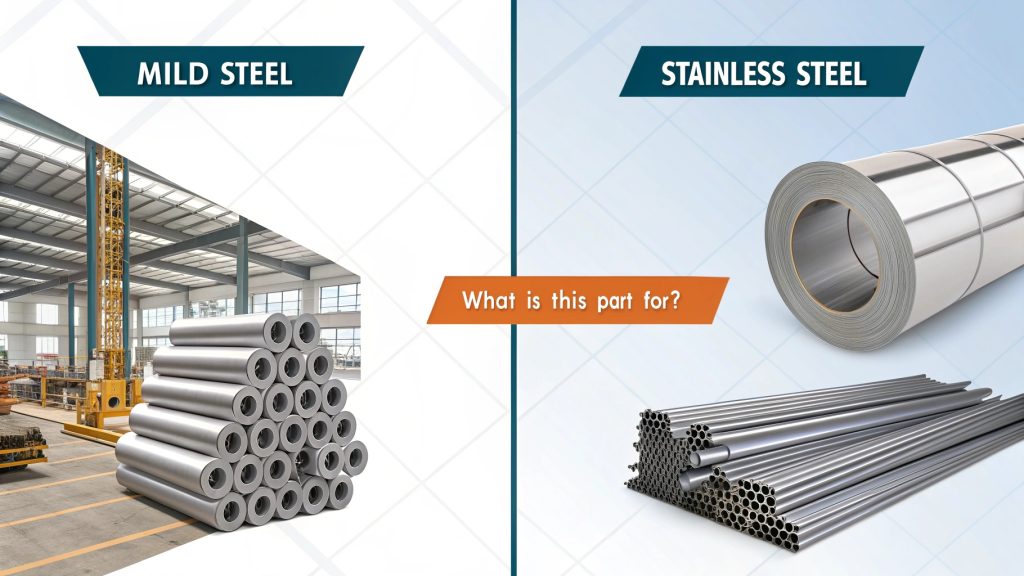
The best material is a balance of performance, cost, and how it will be used. I always ask my customers, "What is this part for?" The answer tells me everything I need to know. For example, a customer making electronic enclosures needs something lightweight and non-magnetic. Aluminumis the perfect choice. Another customer making industrial brackets needs strength and low cost. Mild steel is the clear winner. My engineers and I have helped thousands of customers select from over 100 different metals and alloys. We help them find that perfect balance for their design.
Let's look at the most common choices and what they are good for.
Choosing Based on Your Application
-
Mild Steel: This is the workhorse of sheet metal fabrication. It's cheap, strong, and cuts very cleanly with a laser. Its main downside is that it rusts, so it often needs a surface finish like powder coating.
-
Stainless Steel: When you need corrosion resistance and a beautiful finish, stainless steel is the answer. It's used everywhere from kitchens to medical devices. It costs more than mild steel but is worth it for certain applications.
-
Aluminum: When weight is your biggest concern, you choose aluminum. It has a fantastic strength-to-weight ratio, which is why it's used in automotive and aerospace parts.
Here’s a quick guide.
| Material | Best For... | Key Consideration |
|---|---|---|
| Mild Steel | Structural Parts, Brackets, General Fabrication | Low cost, but will rust without a coating |
| Stainless Steel | Medical & Food-Grade, Architectural Trim | Excellent corrosion resistance, higher cost |
| Aluminum | Aerospace Parts, Electronics, Lightweight Designs | Excellent strength-to-weight ratio, more reflective |
Which Cuts Faster, Aluminum or Steel?
Your project timeline is important. Slow cutting means higher costs and potential delays. Knowing which material cuts faster helps you plan better and meet your deadlines.
Aluminum generally cuts much faster than steel of the same thickness. Its lower density and melting point allow the laser to move through it quickly. However, it needs more initial power to overcome its natural reflectivity and high thermal conductivity.
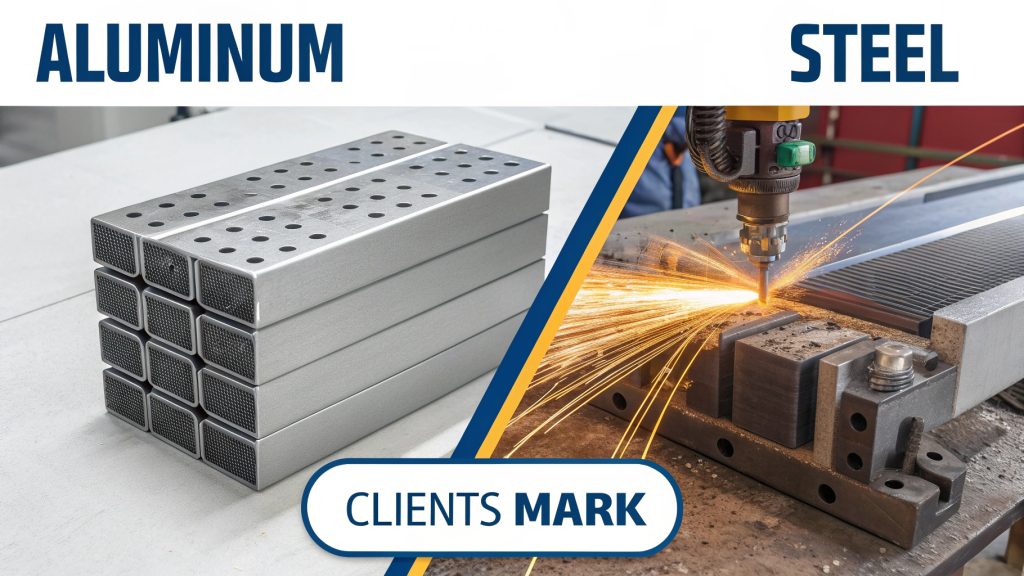
Think of it like cutting with a knife. A block of foam is less dense than a block of wood. You can slice through the foam very quickly. Aluminum is like that foam. Steel is like the wood—it's denser, so you have to move the knife more slowly to get through it. At our facility, we optimize the cutting parameters for every single job. For an aluminum part, we might use a higher power setting but a much faster travel speed. For steel, we might use a bit less power but a slower, steadier speed. This flexibility in our process helps clients get their parts quickly without sacrificing quality, which is a common pain point for buyers like Mark.
Understanding the Physics of Speed
The speed difference comes down to two main properties:
-
Reflectivity: Aluminum is very shiny and reflects a lot of the laser's light. We need to use a high-power laser to "break through" this reflectivity. Once the cut starts, though, it moves fast.
-
Thermal Conductivity: Aluminum spreads heat very quickly. This is great for cooking pans but tricky for laser cutting. We have to cut fast to keep the heat concentrated in one line. Steel holds the heat where the laser is pointing, which makes for a more controlled, but slower, cut.
| Factor | Aluminum | Steel |
|---|---|---|
| Cutting Speed | Very Fast | Moderate to Slow |
| Required Power | High to start | Moderate |
| Heat Affected Zone | Smaller (due to speed) | Larger |
| Cut Quality | Excellent, smooth edge | Very Good, can have dross |
What Is the Best Metal for Laser Cutting?
You have a design and you need to choose the perfect metal. Picking the wrong one can lead to parts that are too heavy, too weak, or too expensive.
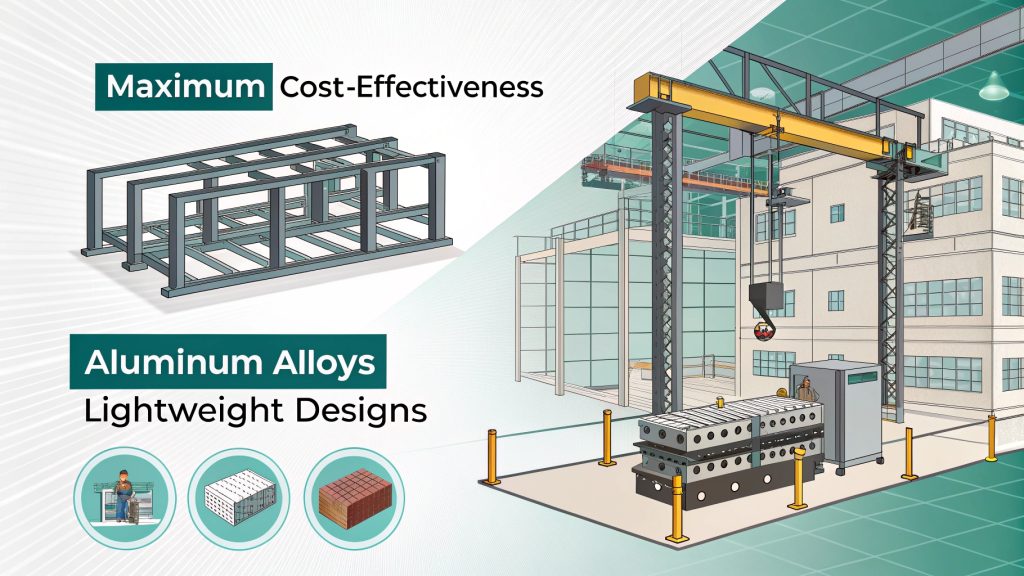
The "best" metal depends on your priority. For cost-effectiveness, mild steel is best. For corrosion resistance and a premium look, choose stainless steel. For lightweight and strong parts, aluminum is the top choice.
I often talk with procurement officers who are focused on price, but also need to avoid quality problems later. This is where a deep dive into the project's goals is crucial. The best metal isn't just about the raw material cost; it's about the total value. A slightly more expensive material might save you money on coatings or weight-related shipping costs down the line. We can cut materials from 0.024” to 0.250” thick and hold tolerances as tight as +/- 0.005". This precision matters for every metal.
Let's break it down by your goal.
Best Metal for Your Goal
-
For Maximum Cost-Effectiveness: Mild steel is the champion. It's affordable, widely available, and cuts beautifully. It's perfect for industrial parts, machine frames, and brackets where weight is not the main concern. We can then add a powder coat or other finish to protect it.
-
For Lightweight Designs: Aluminum alloys are unmatched. They provide excellent strength for their low density. This is critical for automotive, aerospace, and robotics applications where every gram counts.
-
For Durability and a Clean Finish: Stainless steel is the premium choice. It naturally resists rust and bacteria, making it essential for medical and food-grade equipment. It also provides a sleek, modern look for consumer products and architectural features.
At Worthy, our engineers can help you navigate these choices to find the perfect match for your design and budget.
.
Conclusion
Choosing between aluminum and steel is about balancing your project’s needs for speed, weight, strength, and budget. Knowing these key differences ensures you get perfect parts every time.